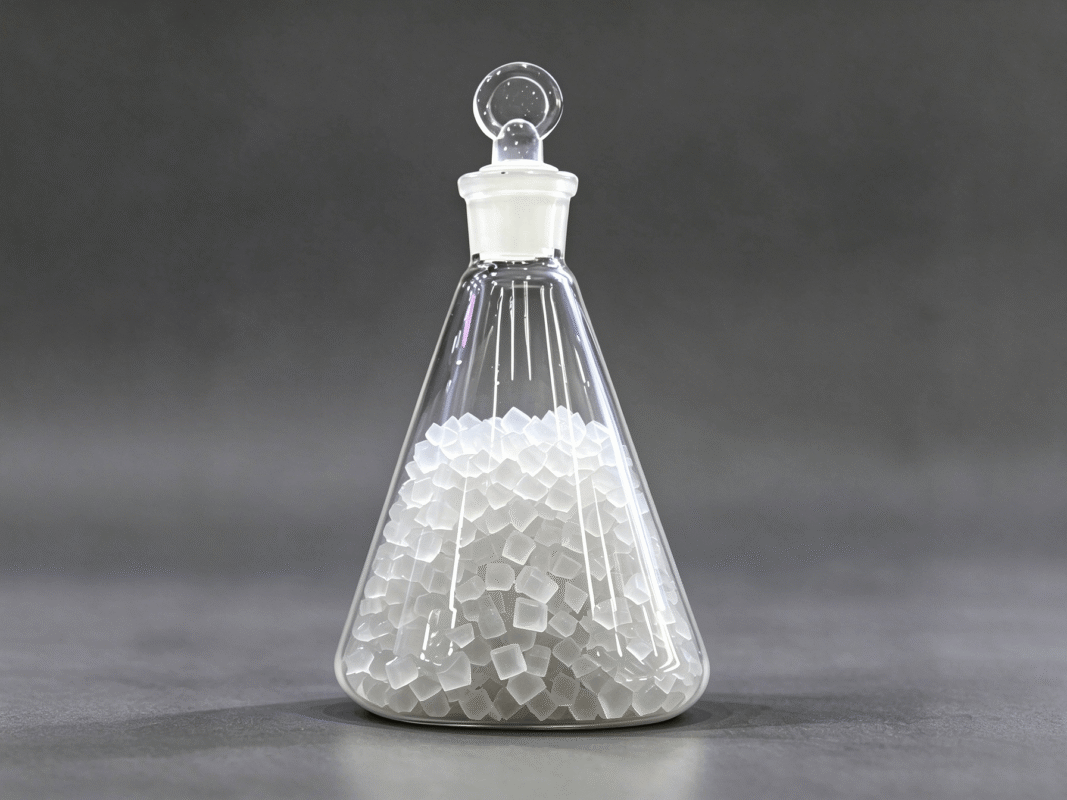

Polyvinyl Chloride (PVC) is inherently unstable under thermal stress. During extrusion or injection molding, high temperatures trigger dehydrochlorination, leading to polymer degradation and discoloration. Historically, lead-based stabilizers dominated the market due to their excellent efficiency and low cost. However, global environmental mandates like RoHS and REACH have accelerated the transition toward non-toxic alternatives.
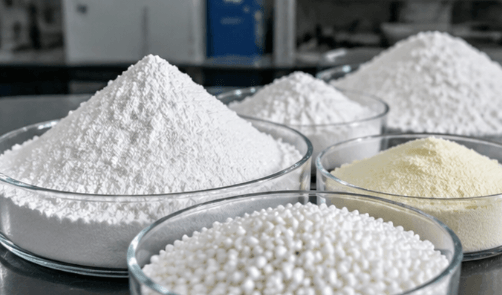
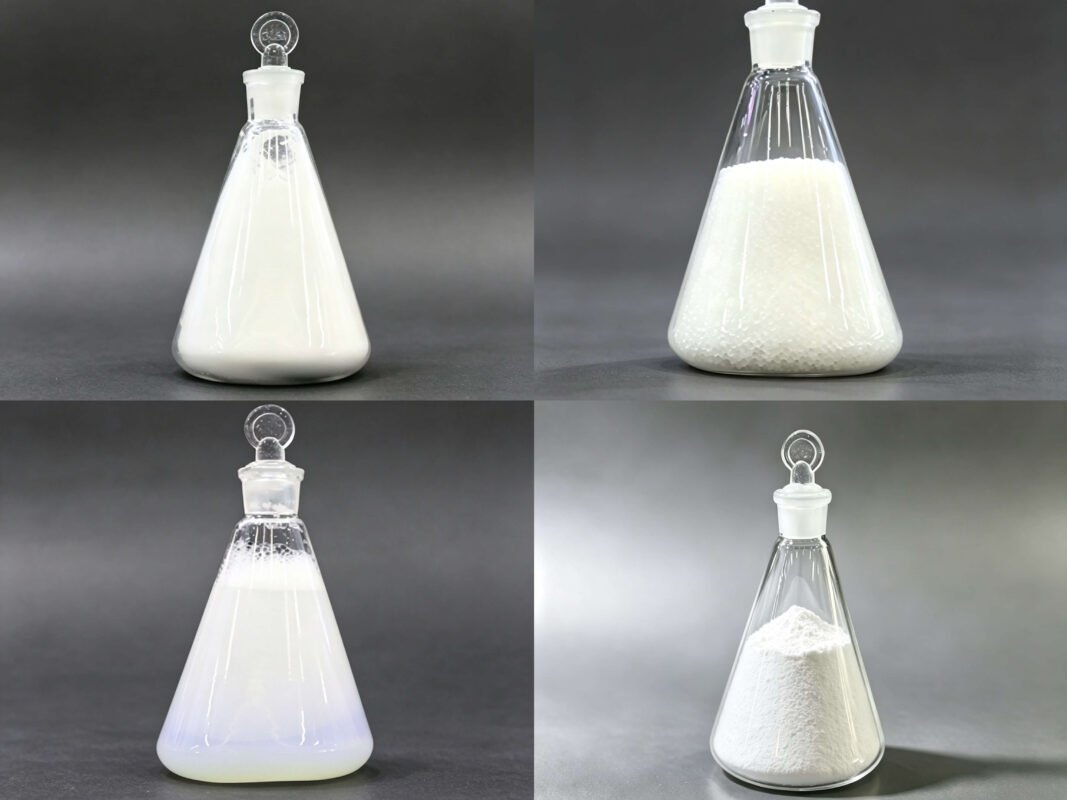
Calcium zinc (Ca-Zn) stabilizers have emerged as the primary solution for eco-friendly PVC processing. These systems combine calcium soaps for long-term stability and zinc soaps for initial color control. Modern formulations are often complex “one-pack” systems. They include co-stabilizers, lubricants, and antioxidants tailored for specific manufacturing requirements.
The adoption of these stabilizers is no longer just a compliance measure. It is a strategic move to improve product clarity, mechanical integrity, and weatherability. Understanding specific calcium zinc stabilizer applications helps manufacturers optimize their formulations for diverse industrial demands.
Why Ca-Zn Stabilizers are Essential for Thermal Processing?
The fundamental role of a stabilizer is to neutralize hydrochloric acid (HCl) released during heating. Zinc soaps act quickly to replace labile chlorine atoms on the PVC chain. This prevents the initial yellowing often seen in the early stages of extrusion. However, zinc chloride (ZnCl2) is a Lewis acid that can catalyze further degradation, a phenomenon known as “zinc burning.”
Calcium soaps intervene by reacting with ZnCl2, regenerating the zinc stabilizer and forming calcium chloride. This synergistic effect extends the processing window significantly. Modern chemical engineering has further enhanced this process by adding polyols or hydrotalcites. These additives serve as HCl scavengers, ensuring the polymer maintains its structural properties throughout the thermal cycle.
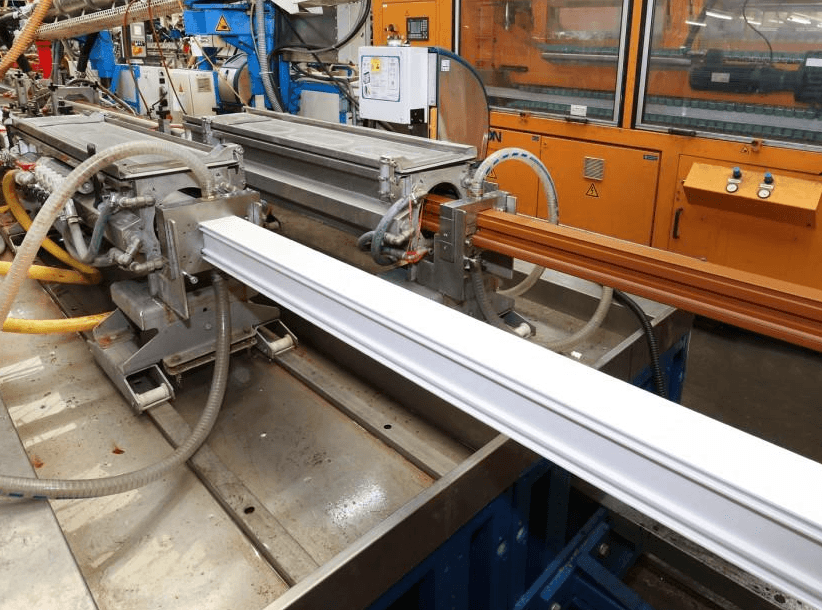
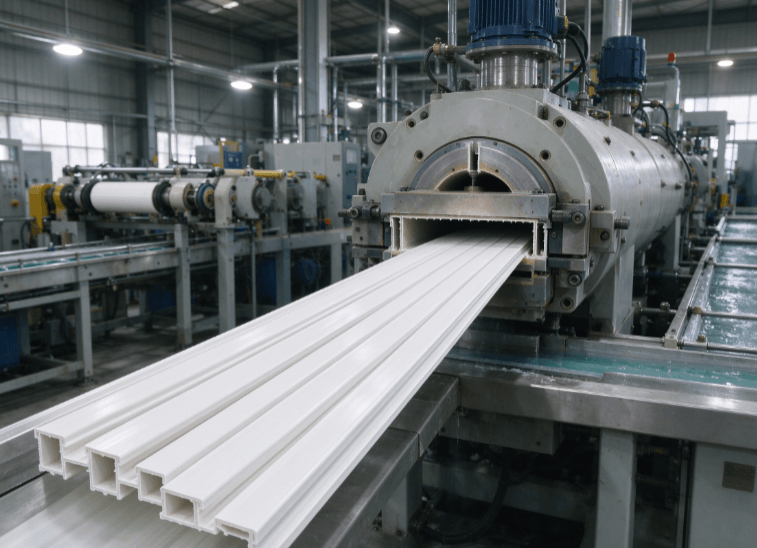
In high-speed extrusion lines, the balance between internal and external lubrication is critical. Ca-Zn one-packs are engineered to manage the shear heat generated within the barrel. This prevents localized overheating while ensuring a smooth surface finish on the final profile.
Key Calcium Zinc Stabilizer Applications Across Global Industries
The versatility of Ca-Zn systems allows them to be used in both rigid and flexible PVC sectors. Each industry requires a specific balance of transparency, electrical insulation, and tensile strength.
PVC Pipe and Fitting Production
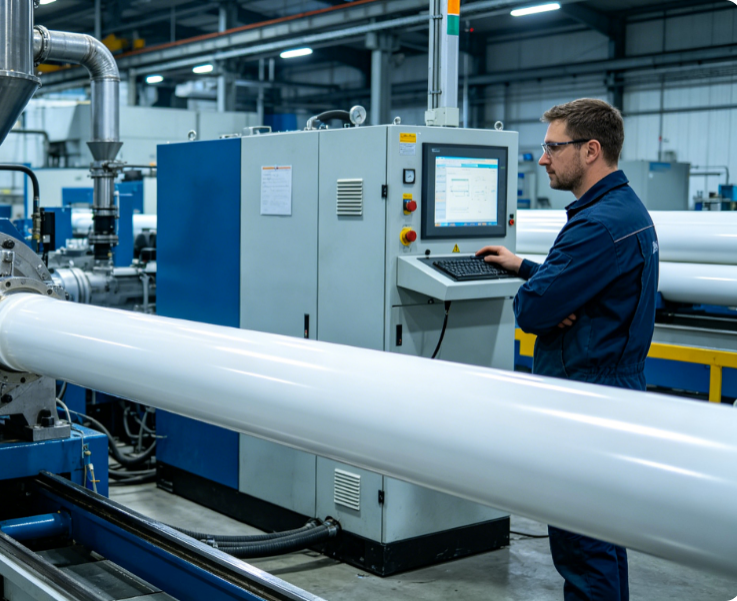
In the construction sector, calcium zinc stabilizer applications are vital for pressure pipes and sewage systems. These pipes require high mechanical strength and long-term resistance to environmental stress cracking. Ca-Zn stabilizers provide excellent “heat age” resistance, ensuring the pipe remains durable for decades under soil pressure.
Wire and Cable Insulation
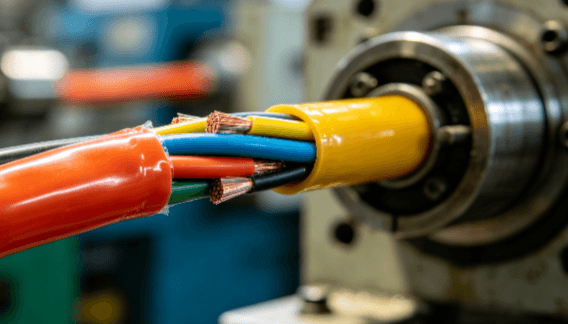
The electronics industry demands high dielectric strength and flame retardancy. Ca-Zn systems for cables are formulated to ensure low water absorption and high electrical resistivity. They are especially prevalent in LSZH (Low Smoke Zero Halogen) and eco-friendly PVC jacketing. These applications prioritize the absence of heavy metals to meet strict safety standards in residential and industrial buildings.
Medical Grade Tubing and Specialized Packaging
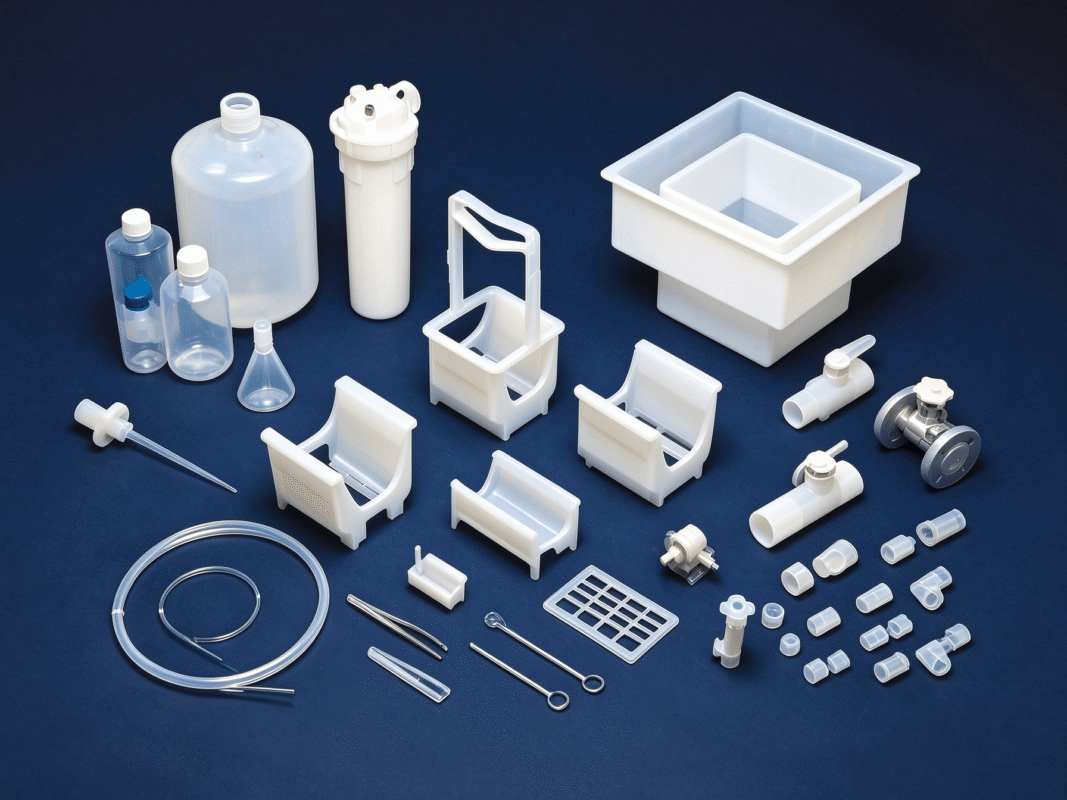
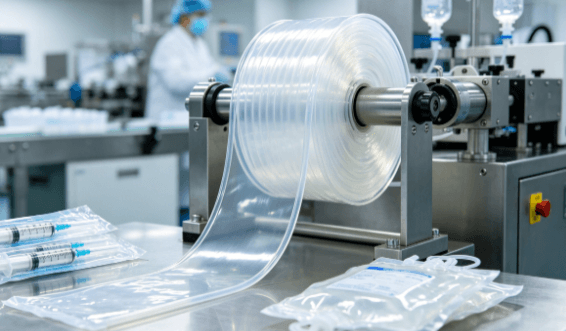
Purity is the highest priority in medical environments. Since Ca-Zn stabilizers are non-toxic and often FDA-compliant, they are the standard for IV tubing, blood bags, and food-grade films. They offer superior transparency compared to traditional organotin or lead systems, which is crucial for visual monitoring in clinical settings.
According to technical benchmarks in modern industry applications, customized Ca-Zn blends can also be optimized for artificial leather, floorings, and automotive interiors. In these scenarios, low odor and low VOC (Volatile Organic Compound) emissions are essential for user comfort and safety.
How Synergistic Effects Optimize Heat Stability in Extrusion
Achieving peak performance in PVC manufacturing requires more than just the base soaps. The “synergy” in Ca-Zn systems often involves organic co-stabilizers that protect the zinc from premature depletion. For example, beta-diketones are frequently added to improve initial color hold in transparent applications.
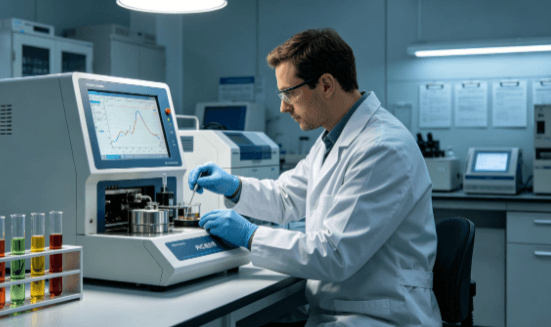
The efficiency of these stabilizers is often measured using the Congo Red test or torque rheometry. The Congo Red test measures the time elapsed before HCl gas is released at high temperatures. A well-formulated Ca-Zn stabilizer can match or exceed the induction times of traditional lead systems.
Manufacturers must also consider the interaction between the stabilizer and the pigments or fillers like calcium carbonate. In high-filler applications, the stabilizer must prevent the degradation of the polymer-filler interface. This ensures that the final product does not become brittle or lose its impact resistance.
Managing Long-Term Thermal Aging in PVC Profiles
Long-term stability refers to the product’s ability to withstand environmental heat during its service life. This is particularly important for window profiles and siding exposed to direct sunlight. Zinc soaps alone are insufficient for these applications because they focus on the “induction” phase of heat stability.
Calcium soaps provide the “long-term” buffering capacity needed to neutralize HCl over years of exposure. When combined with UV absorbers and HALS (Hindered Amine Light Stabilizers), Ca-Zn systems prevent chalking and brittleness. This ensures that the PVC maintains its aesthetic and structural properties in harsh outdoor environments.
In automotive applications, stabilizers must also prevent “fogging” on glass surfaces. This requires the use of high-purity raw materials with low volatility. By selecting specialized calcium zinc stabilizer applications, engineers can produce interior components that meet the strict requirements of major vehicle manufacturers.
FAQ
What are the primary advantages of calcium zinc stabilizers over lead?
Ca-Zn stabilizers are non-toxic, eco-friendly, and compliant with RoHS/REACH regulations. They also offer better transparency and are less prone to sulfur staining than lead-based alternatives.
Can Ca-Zn stabilizers be used in transparent PVC applications?
Yes. With the addition of organic co-stabilizers and high-quality zinc soaps, Ca-Zn systems can achieve excellent clarity. This makes them ideal for medical tubing and food packaging.
How does “zinc burning” affect the manufacturing process?
Zinc burning occurs when zinc chloride accumulates and accelerates PVC degradation, turning the material black. This is prevented by using calcium soaps and HCl scavengers to neutralize the acidic byproducts.
Are Ca-Zn stabilizers more expensive than lead stabilizers?
While the raw material cost can be higher, the total value is often better. Ca-Zn systems reduce regulatory risks and meet the growing market demand for sustainable products.
Do Ca-Zn stabilizers affect the mechanical properties of PVC?
When formulated correctly, they maintain or improve mechanical properties. They manage internal lubrication effectively, ensuring high impact strength and smooth surface finishes in extruded profiles.
Reference Sources
- ISO 9001:2015: Quality management systems for chemical and polymer additive manufacturing.
- RoHS Directive (2011/65/EU): Restrictions on the use of certain hazardous substances in electrical and electronic equipment.
- ASTM D2124: Standard test method for analysis of components in Poly(Vinyl Chloride) compounds.
- REACH Regulation (EC 1907/2006): Registration, Evaluation, Authorisation and Restriction of Chemicals.
- SGS Technical Whitepapers: Comparative analysis of non-toxic heat stabilizers in modern plastic manufacturing.