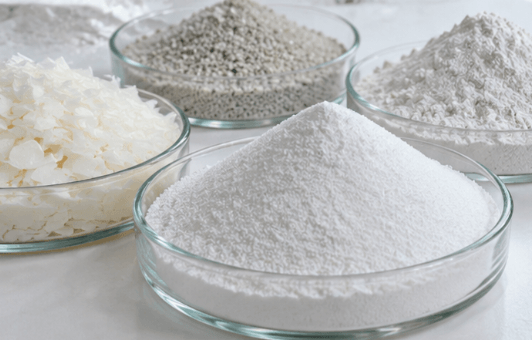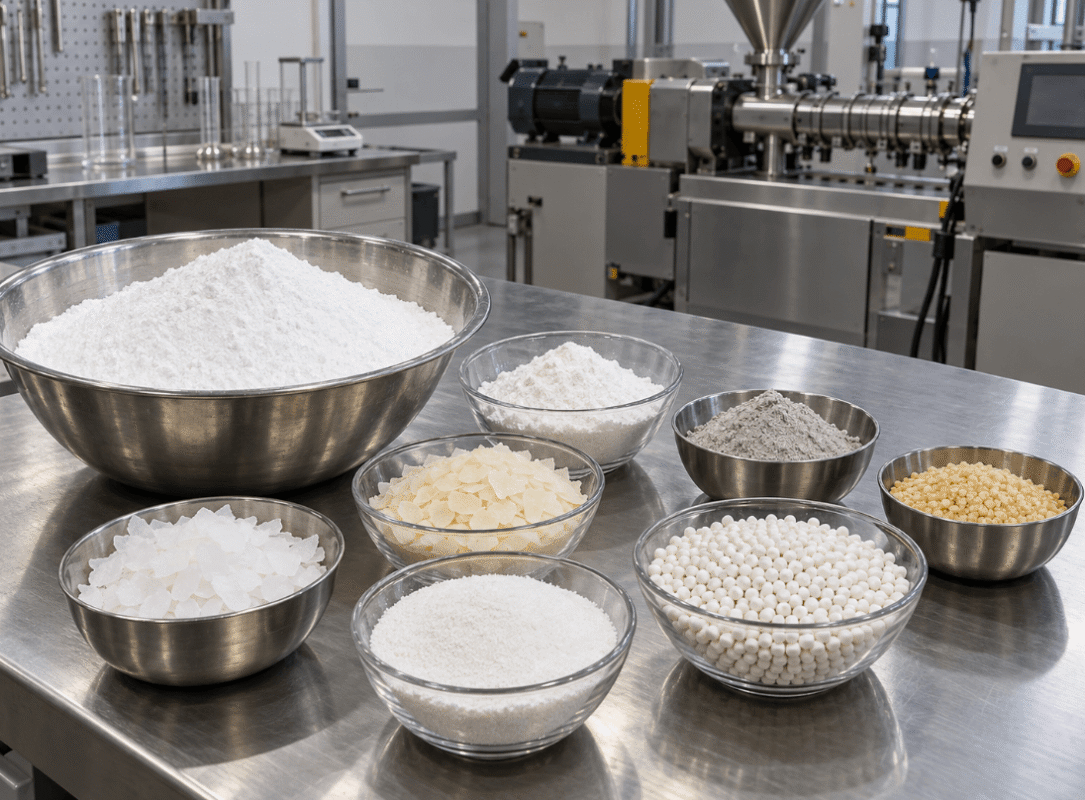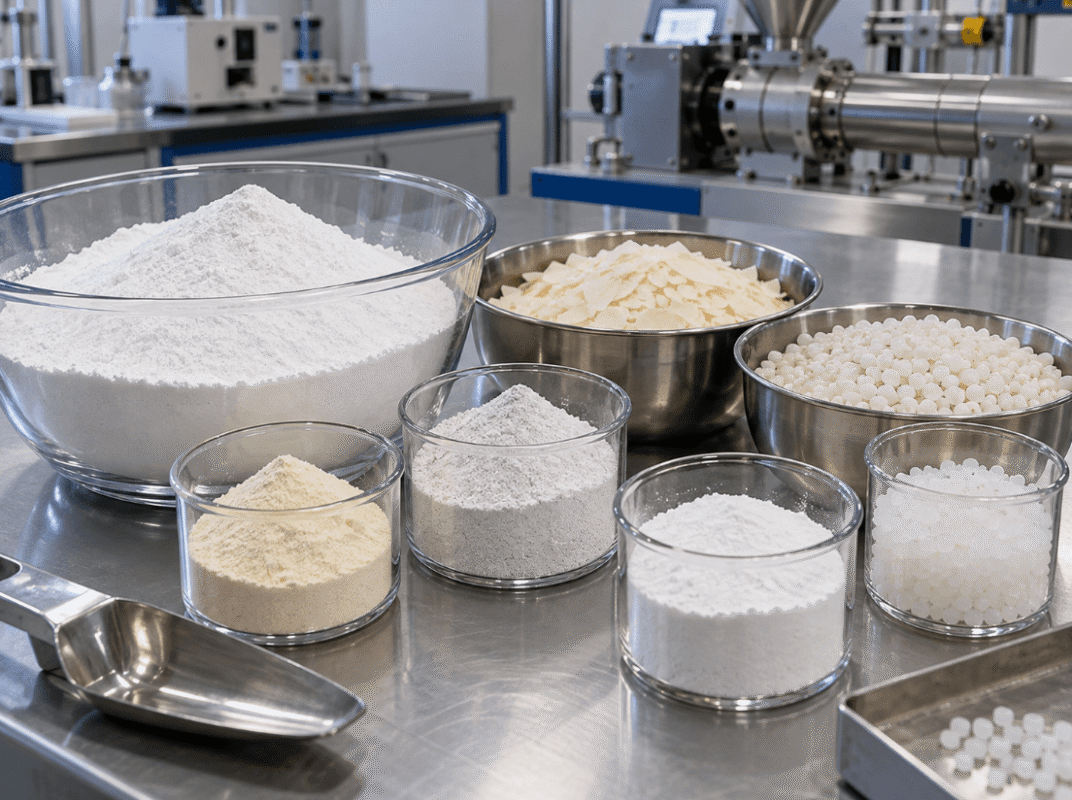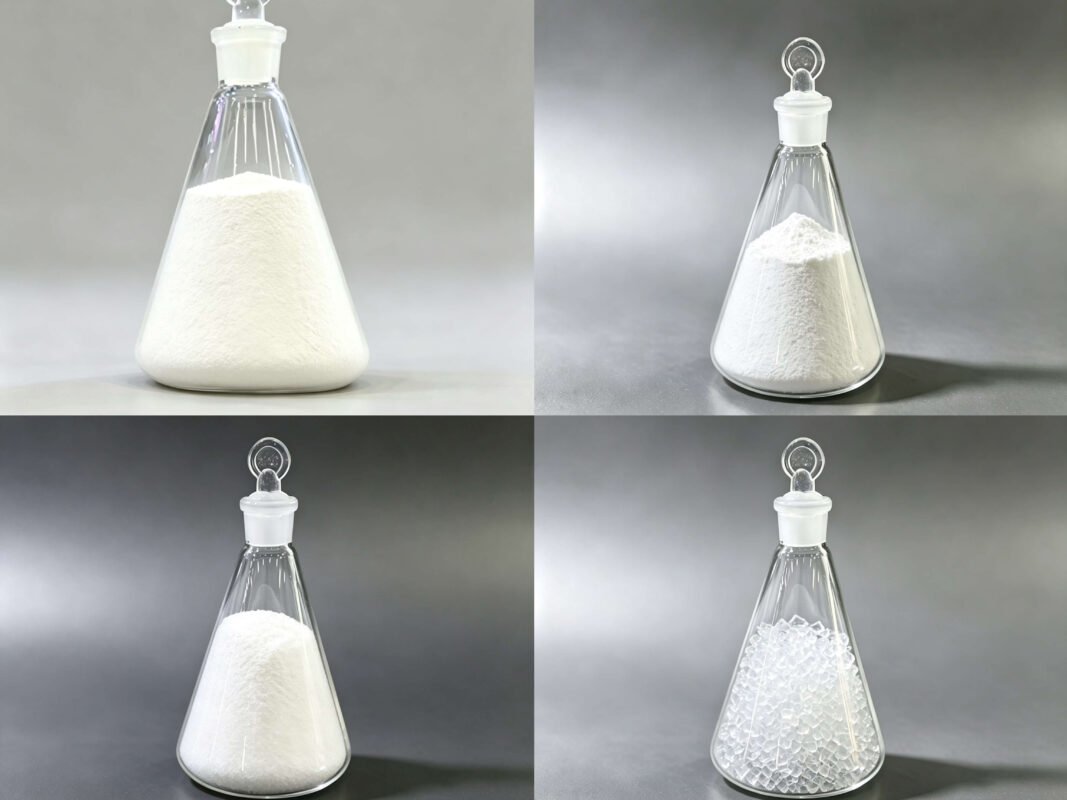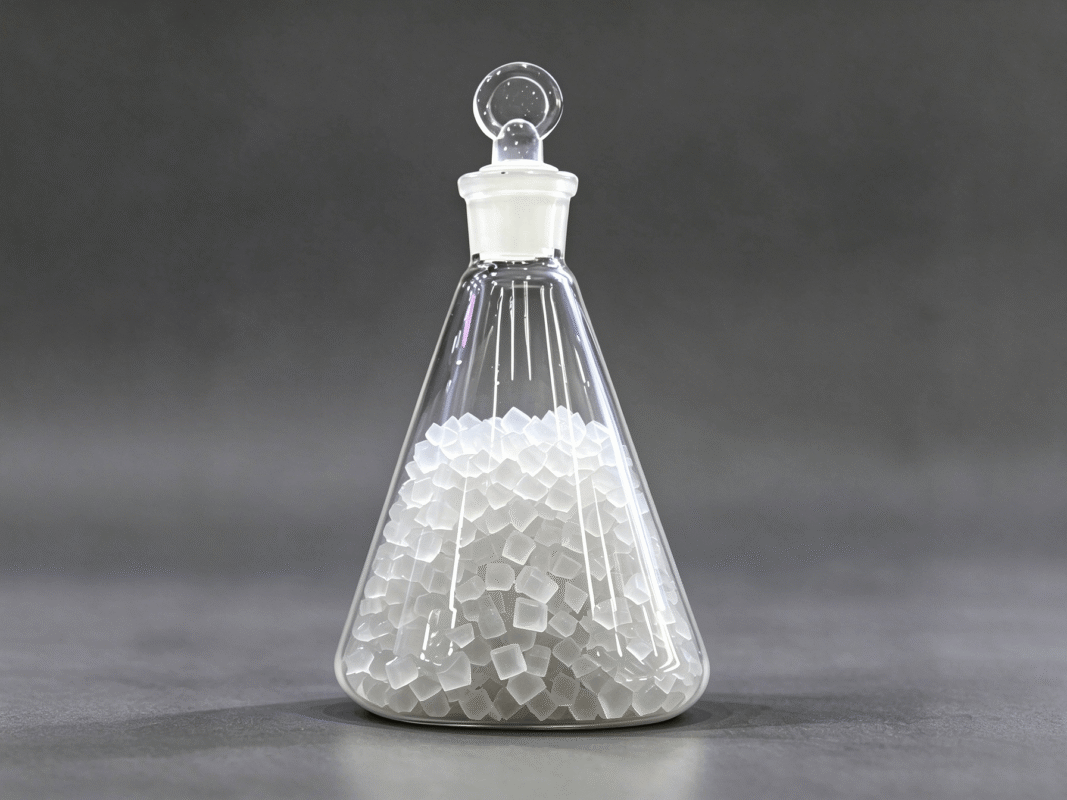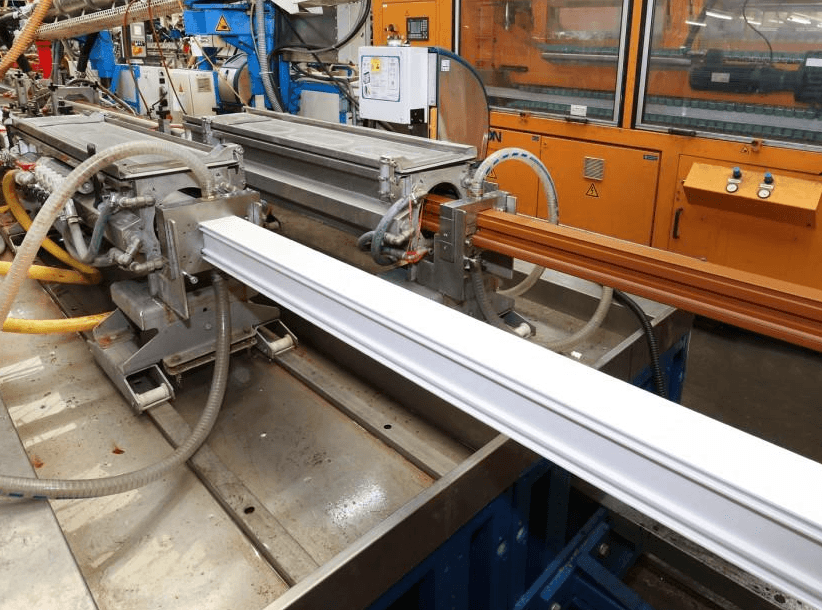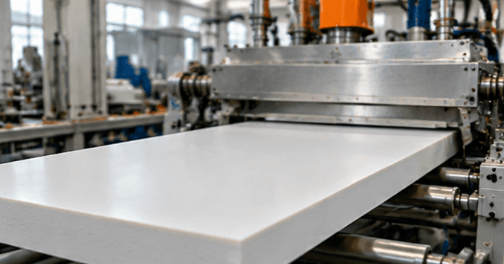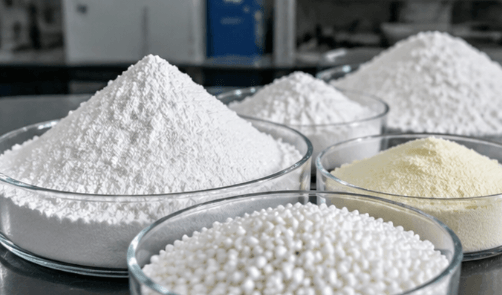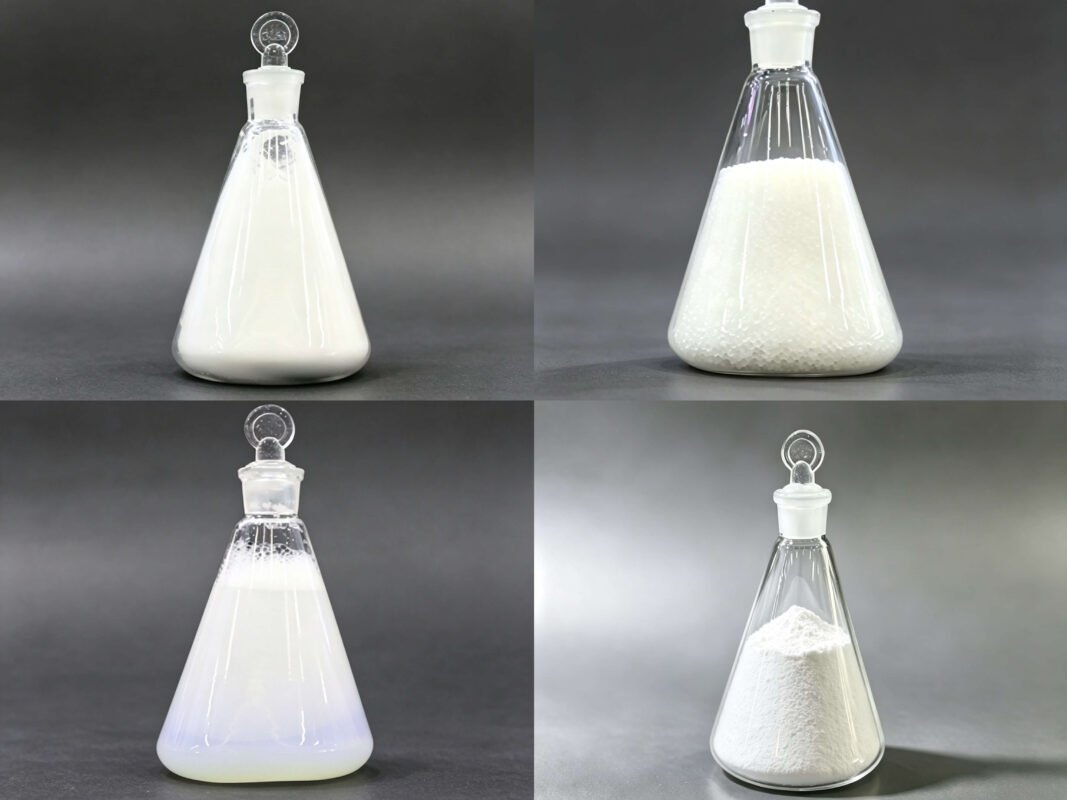

Sustainable PVC additives are chemical components engineered to reduce the environmental footprint of Polyvinyl Chloride (PVC) products without compromising their mechanical or thermal properties. In the modern manufacturing landscape, the shift toward “green” chemistry is driven by a combination of strict global regulations—such as REACH and RoHS—and the industry’s move toward a circular economy. These additives replace traditional hazardous substances like lead and heavy metals with non-toxic, recyclable, or bio-based alternatives.
For engineers and OEM project managers, the transition to eco-friendly additives is no longer an optional corporate social responsibility goal; it is a structural requirement for global market access. This guide analyzes the core technical trends reshaping the additive sector, from high-performance stabilizers to renewable plasticizers.
The Regulatory Catalyst: The Rise of Lead-Free Stabilizers
The most significant trend in the additive sector is the global phase-out of lead-based and barium-cadmium stabilizers. Lead was historically the industry standard due to its excellent thermal stability and cost-efficiency. However, its toxicity and environmental persistence have led to mandatory bans in the European Union and North America.
Manufacturers are now standardizing on Calcium-Zinc (Ca-Zn) stabilizers and organic-based stabilizers (OBS). These eco-friendly systems provide the necessary HCl-scavenging capabilities required during high-shear extrusion while remaining non-toxic. Modern Ca-Zn “one-pack” systems are specifically engineered to match the wide processing windows of legacy lead systems, ensuring that production speeds in large-volume lines remain stable.
For companies evaluating high-compliance solutions, identifying a reliable PVC stabilizer supplier that offers certified non-toxic formulations is the primary step in ensuring export viability to high-regulation markets.
Bio-Based Plasticizers and Renewable Feedstocks
PVC is naturally a rigid polymer. To achieve flexibility for cables, medical tubing, or flooring, plasticizers must be added. The trend is moving away from traditional ortho-phthalates, which have faced scrutiny due to potential endocrine-disrupting properties.
Current innovation is focused on two sustainable pathways:
- Bio-esters: Derived from renewable vegetable oils, such as soybean oil, castor oil, or citric acid. These offer low volatility and high compatibility with the PVC matrix.
- Polymeric Plasticizers: These provide superior migration resistance, ensuring that the additive stays within the polymer over long lifecycles, which is critical for the durability of outdoor applications.
Automotive environments typically require low-VOC (Volatile Organic Compound) additives to prevent “fogging” on interior windshields. Bio-based plasticizers are increasingly favored in these sectors for their low emission profiles and technical performance at extreme temperatures.
High-Efficiency ACR Processing Aids and Energy Optimization
Sustainability in PVC manufacturing is not just about the chemical nature of the ingredients; it is about the energy efficiency of the extrusion process itself. High-performance Acrylic (ACR) processing aids are being re-engineered to promote faster gelation at lower temperatures.
By improving the melt strength and elasticity of the PVC compound, these “smart” processing aids allow for:
- Lower Barrel Temperatures: Reducing the total kilowatt-hour consumption per ton of finished product.
- Increased Filler Loading: Facilitating the use of higher concentrations of natural fillers like calcium carbonate, which reduces the overall polymer content and lowers the carbon footprint.
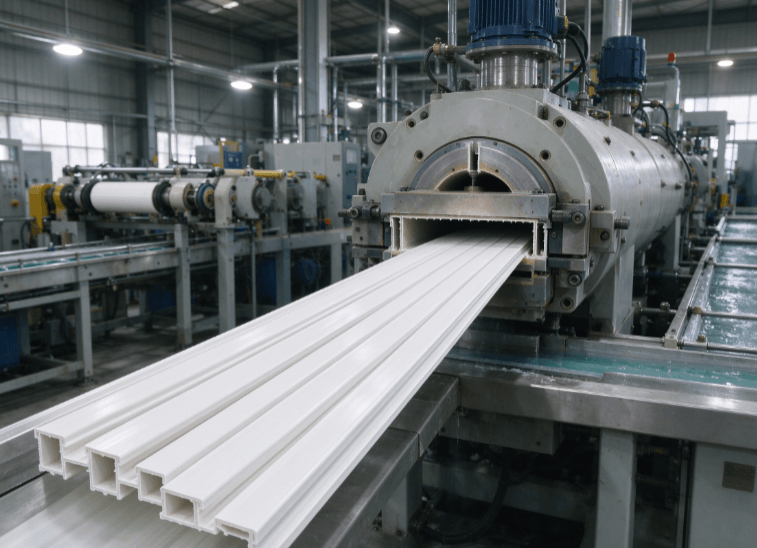
- Scrap Reduction: Better melt stability leads to more consistent wall thickness in pipes and profiles, significantly lowering the internal scrap rate.
Recyclability and the Circular Economy in Additive Design
A major bottleneck in PVC recycling is the presence of legacy additives. Future-proof additives are now designed with “end-of-life” in mind. This involves creating chemical structures that do not degrade the quality of the polymer during secondary and tertiary processing cycles.
| Additive Trend | Technical Driver | Industrial Benefit |
| Organic-Based Stabilizers | Heavy-metal free compliance | Non-toxic, suitable for potable water. |
| Low-VOC Lubricants | Indoor air quality standards | Reduced odors and emissions in flooring. |
| Bio-based Impact Modifiers | Renewable carbon targets | High impact strength with lower carbon footprint. |
| Synergistic One-Packs | Process automation | Precise dosing, reduced waste in the mixing room. |
In large-volume production, consistency is the ultimate metric for sustainability. If an eco-friendly additive causes a 5% increase in scrap rate, the environmental benefit is negated by the material waste. Real-world manufacturing logic dictates that sustainable additives must provide a “drop-in” replacement capability with minimal adjustments to existing machinery.
Selecting Sustainable Solutions for Industrial Compliance
For B2B procurement managers, the selection process must be data-driven. When auditing a supplier, the primary focus should be on their technical documentation and third-party certifications.
- REACH/RoHS Documentation: Ensure the supplier provides up-to-date compliance certificates for every batch.
- Thermal Stability Testing: Request “Congo Red” or static stability data to verify that the eco-friendly stabilizer can withstand your specific extrusion temperature profiles.
- Compatibility Audits: Sustainable additives must not interfere with secondary processes such as printing, welding, or laminating.
Sourcing from a specialized PVC additive supplier ensures that the transition to green chemistry is backed by technical consulting. This minimizes the risk of production downtime during the trial-and-error phase of switching formulations.
FAQ
What is the difference between a lead-free and a sustainable PVC additive?
Lead-free refers specifically to the removal of heavy metal stabilizers. “Sustainable” is a broader term encompassing non-toxic chemicals, bio-based materials, low-energy processing aids, and additives that facilitate the recycling of the end product.
Are eco-friendly PVC additives more expensive?
On a per-kilogram basis, some bio-based or high-purity additives may have a higher unit price. However, when considering the total cost of ownership—including reduced regulatory risk, lower hazardous waste disposal fees, and energy savings—sustainable additives often provide a better long-term ROI.
Does switching to sustainable additives require new extrusion machinery?
In most cases, no. Modern Ca-Zn stabilizers and ACR aids are designed for “drop-in” compatibility with standard twin-screw extruders. However, minor adjustments to the temperature profile and screw speed may be necessary to optimize the gelation process.
Why is REACH compliance important for PVC additives?
REACH is a European regulation that restricts hazardous chemicals. Compliance ensures that your PVC products can be legally sold in the EU market and meet the global gold standard for chemical safety, which is increasingly adopted by brands worldwide.
Can recycled PVC be used with these sustainable additives?
Yes. In fact, modern sustainable stabilizers are often formulated to handle the “re-processing” of recycled material, providing an extra boost of thermal stability to prevent the polymer from yellowing during the second or third heat cycle.
What are eco-friendly PVC additives?
Eco-friendly PVC additives are additives designed to improve PVC performance while reducing environmental impact. They include alternatives such as calcium-zinc stabilizers, safer plasticizers, and environmentally compliant additive systems.
Why are PVC manufacturers switching to green additives?
PVC manufacturers are adopting eco-friendly additives due to stricter environmental regulations, customer requirements, and the need for safer and more sustainable material solutions.
What types of additives are used in PVC production?
Common PVC additives include stabilizers, plasticizers, impact modifiers, processing aids, lubricants, fillers, and flame retardants.
What is the difference between traditional and eco-friendly PVC stabilizers?
Traditional stabilizers may contain restricted heavy metals, while eco-friendly systems such as calcium-zinc stabilizers are designed to meet modern environmental and safety requirements.
Reference Sources
- European Chemicals Agency (ECHA): REACH and RoHS regulatory guidelines for chemical substances. echa.europa.eu
- ISO 14001: Environmental management systems for industrial manufacturing. iso.org
- ASTM D1784: Standard Specification for Rigid Poly(Vinyl Chloride) Compounds. astm.org
- The Vinyl Institute: Technical reports on the sustainability and lifecycle of vinyl products. vinylinfo.org
- SGS Global: Chemical testing and certification for polymer additives. sgs.com
Summary:
Select sustainable pvc additives like Ca-Zn stabilizers and bio-plasticizers to ensure global regulatory compliance. Focus on high-efficiency processing aids to reduce energy costs and facilitate a circular economy in PVC manufacturing.