
Polyvinyl Chloride (PVC) is one of the most widely used synthetic polymers in the world. However, the raw resin is inherently unstable when exposed to heat, light, and oxygen. To ensure a functional lifespan of 20 to 50 years, manufacturers must utilize specific pvc durability additives. These chemical components intervene at the molecular level to halt degradation and maintain structural integrity.
In the context of industrial manufacturing, durability is not an accident. It is a result of precise rheological engineering. Without the correct additive package, PVC undergoes “unzipping” degradation, releasing hydrochloric acid (HCl) and turning brittle. This guide analyzes how various additives safeguard the polymer matrix across diverse environments.
What are PVC Durability Additives?
Durability additives are chemical agents incorporated into the PVC dry blend during the high-speed mixing process. Their primary function is to neutralize the degradation products formed during extrusion and throughout the product’s service life. By stabilizing the chemical bonds, these additives prevent the loss of mechanical properties.
In large-volume production, the selection of these agents depends on the intended environmental stressors. For example, a pipe buried underground requires high thermal stability. Conversely, a window profile needs intensive resistance to ultraviolet (UV) radiation. Understanding these categories is essential for maintaining topical authority in polymer science.
The Mechanism of Protection: How Additives Work
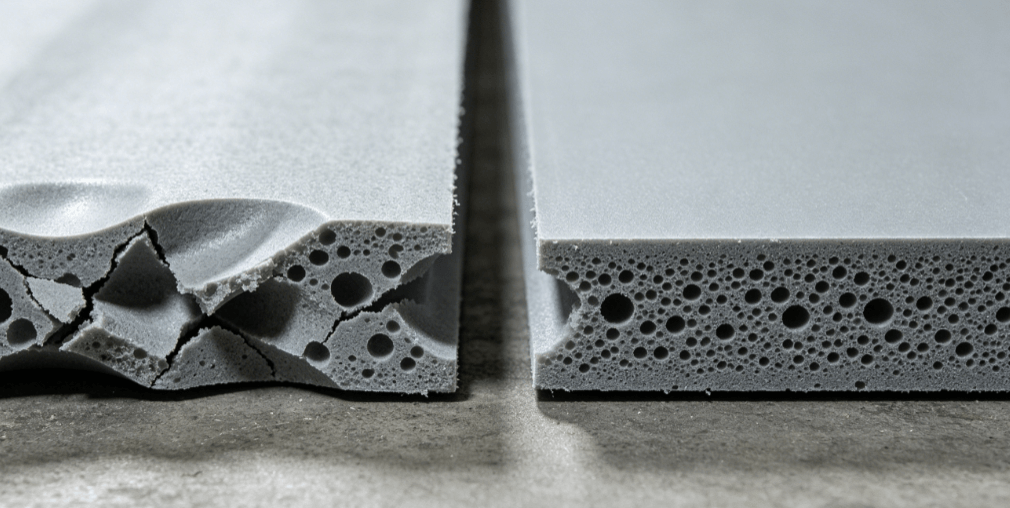
The degradation of PVC is an auto-catalytic process. Once a single bond breaks, it triggers a chain reaction that compromises the entire part. PVC durability additives use three primary mechanisms to stop this destruction: HCl scavenging, free radical quenching, and energy absorption.
Heat stabilizers are the first line of defense. During the high-heat extrusion process, they react with labile chlorine atoms on the PVC chain. This prevents the initial release of HCl, which would otherwise accelerate further breakdown. Modern Calcium-Zinc (Ca-Zn) stabilizers have largely replaced legacy lead-based systems, offering non-toxic, high-performance protection for modern infrastructure.
Critical Additive Classes for Long-Term Integrity
To achieve maximum lifespan, engineers rarely rely on a single additive. Instead, they design a synergistic “one-pack” system. The following table compares the primary classes of additives used to enhance PVC longevity.
| Additive Category | Primary Stressor | Technical Mechanism | Expected Lifecycle Impact |
| Heat Stabilizers | Thermal Processing | HCl Scavenging | Prevents scorching and brittleness. |
| UV Absorbers | Solar Radiation | Photon energy conversion | Prevents yellowing and surface cracks. |
| Impact Modifiers | Mechanical Stress | Energy dissipation | Prevents shattering in cold climates. |
| Antioxidants | Oxidative Aging | Peroxide decomposition | Prevents long-term molecular weight loss. |
Application Scenarios: Infrastructure and Building Materials
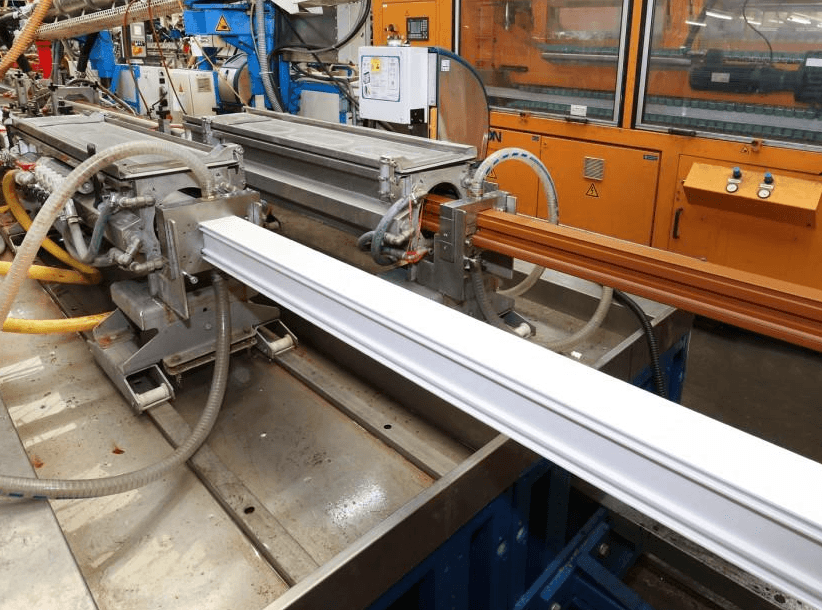
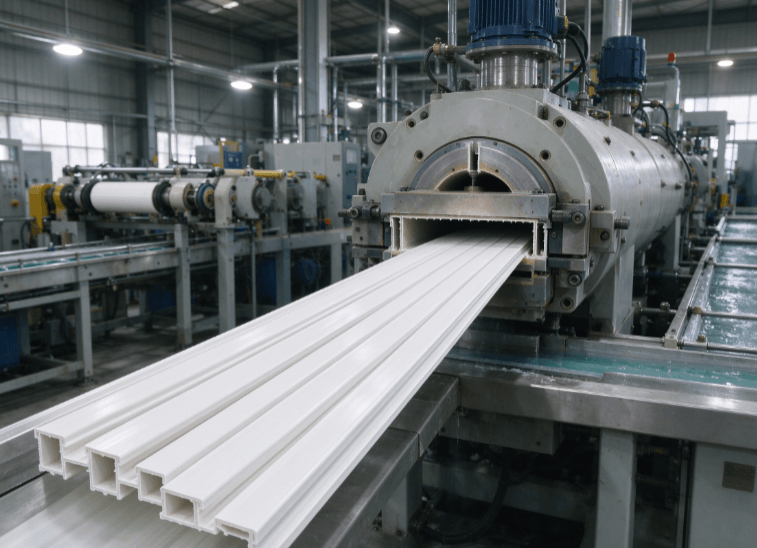
The efficacy of pvc durability additives is best observed in high-stakes application environments. For instance, in municipal water management, PVC pipes must resist internal pressure and soil chemistry for decades. In these cases, high-purity stabilizers ensure the material does not leach chemicals or lose hoop strength over time.
Outdoor building materials represent a different technical challenge. Siding and window frames are bombarded by UV rays and fluctuating temperatures. Specialized industry applications require rutile-grade Titanium Dioxide (TiO2) paired with hindered amine light stabilizers (HALS). This combination ensures that the PVC reflects harmful radiation while the HALS quenches any free radicals that form on the surface.
In automotive environments, low-volatility additives are prioritized. Interior components must maintain their flexibility without “fogging” the windshield through additive migration. This requires high-molecular-weight plasticizers and secondary stabilizers that remain locked within the polymer matrix even under intense summer heat.
Engineering Factors: Why Additive Synergy Matters
A common challenge in manufacturing is “additive interference.” If the internal lubricants are not balanced with the heat stabilizers, the compound may suffer from “plate-out.” This occurs when the additives deposit on the die surface, causing scratches and reducing the aesthetic lifespan of the product.
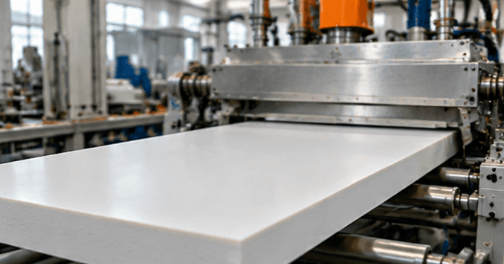
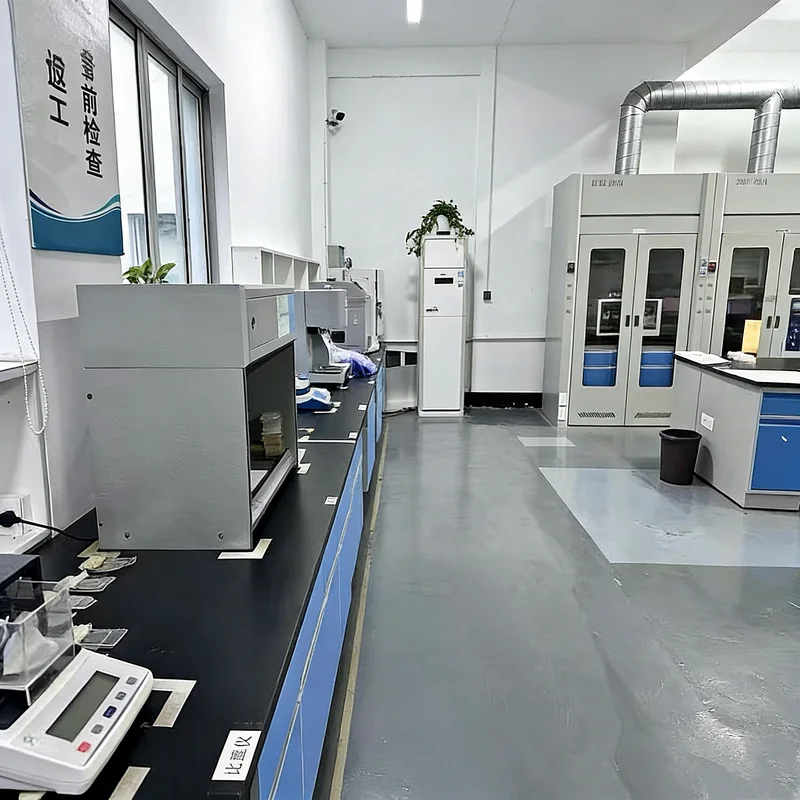
Professional manufacturing consultants emphasize the “Total Product Lifecycle” approach. This involves testing the compound according to ASTM D1784 standards. Accelerated weathering tests simulate years of solar exposure in a few weeks. These results allow project managers to calibrate the additive dosage precisely, ensuring the product meets warranty requirements without over-formulating.
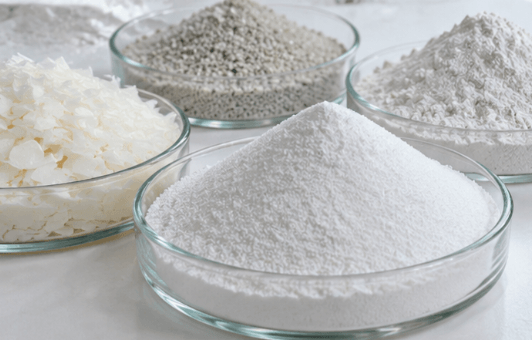
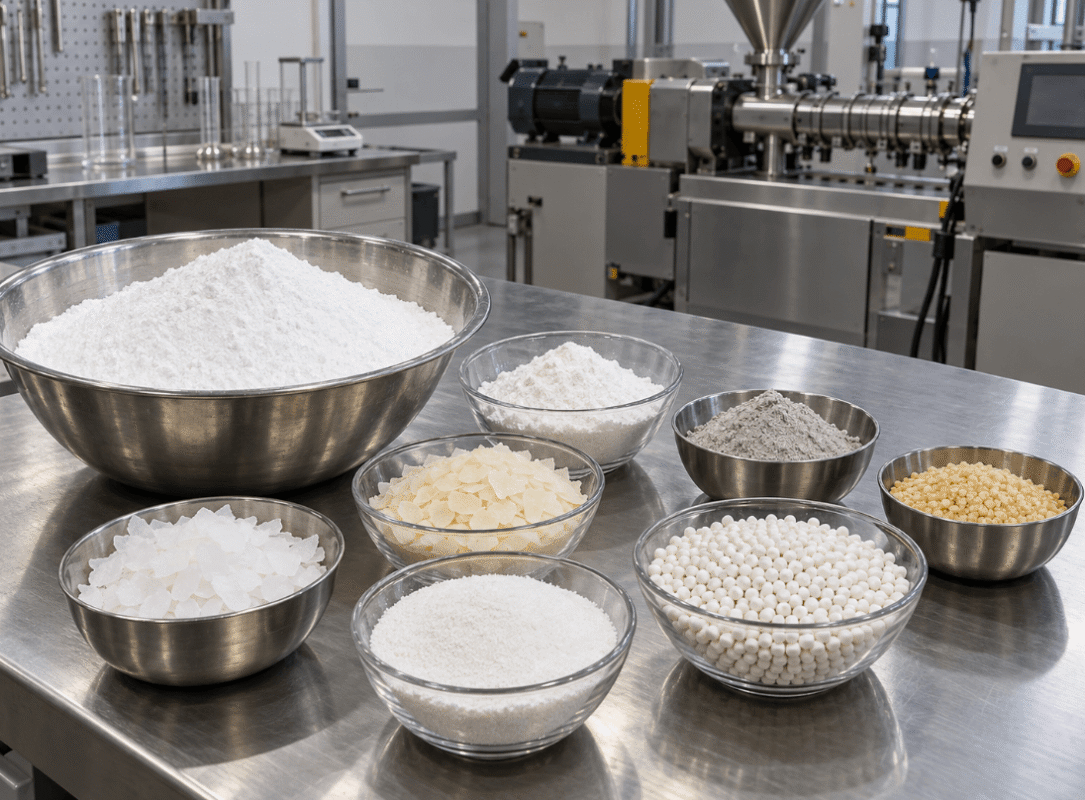
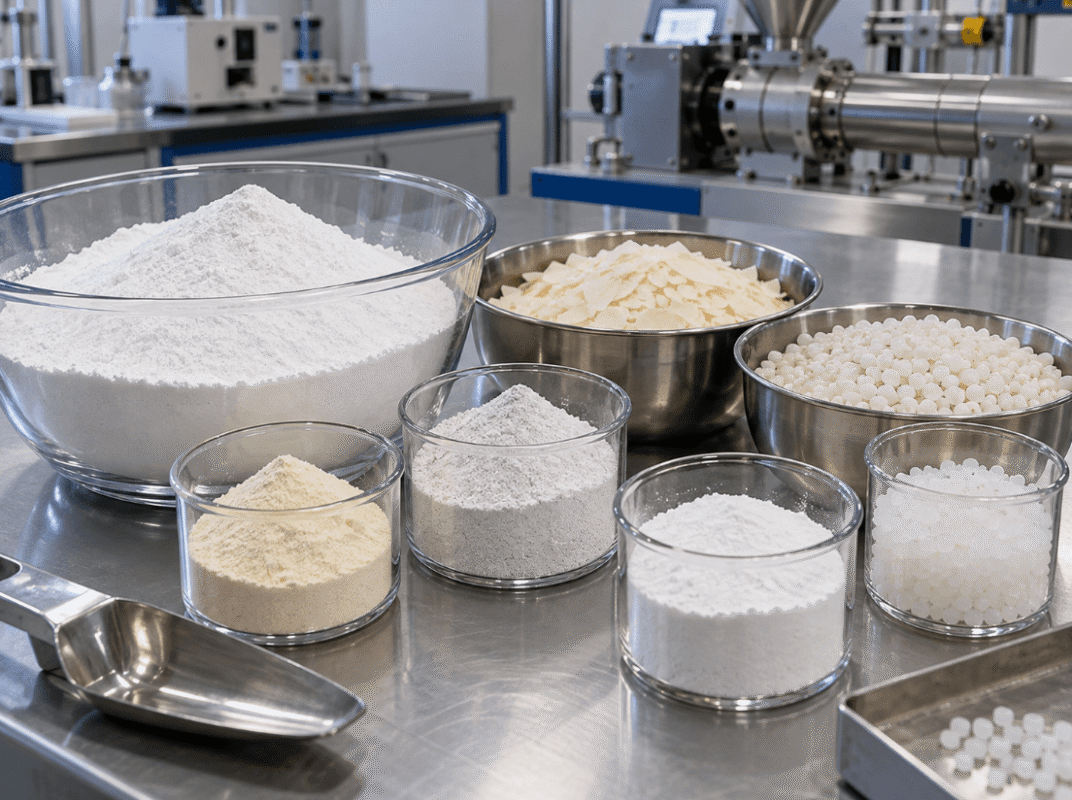
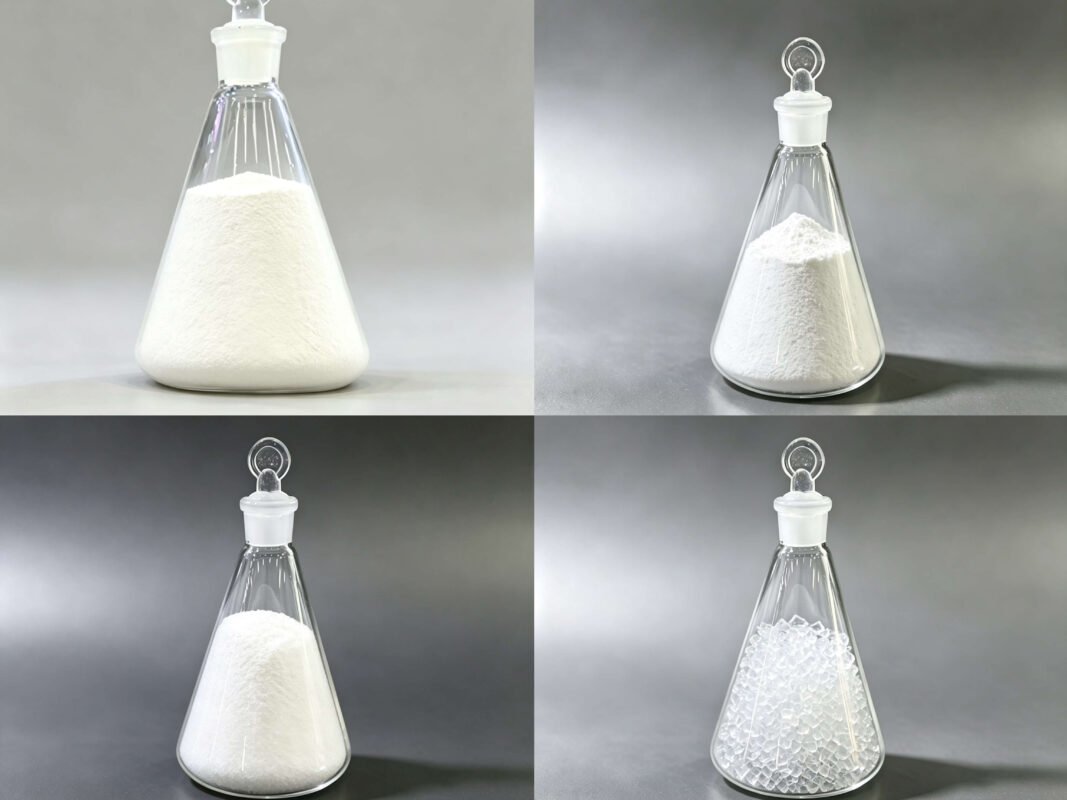
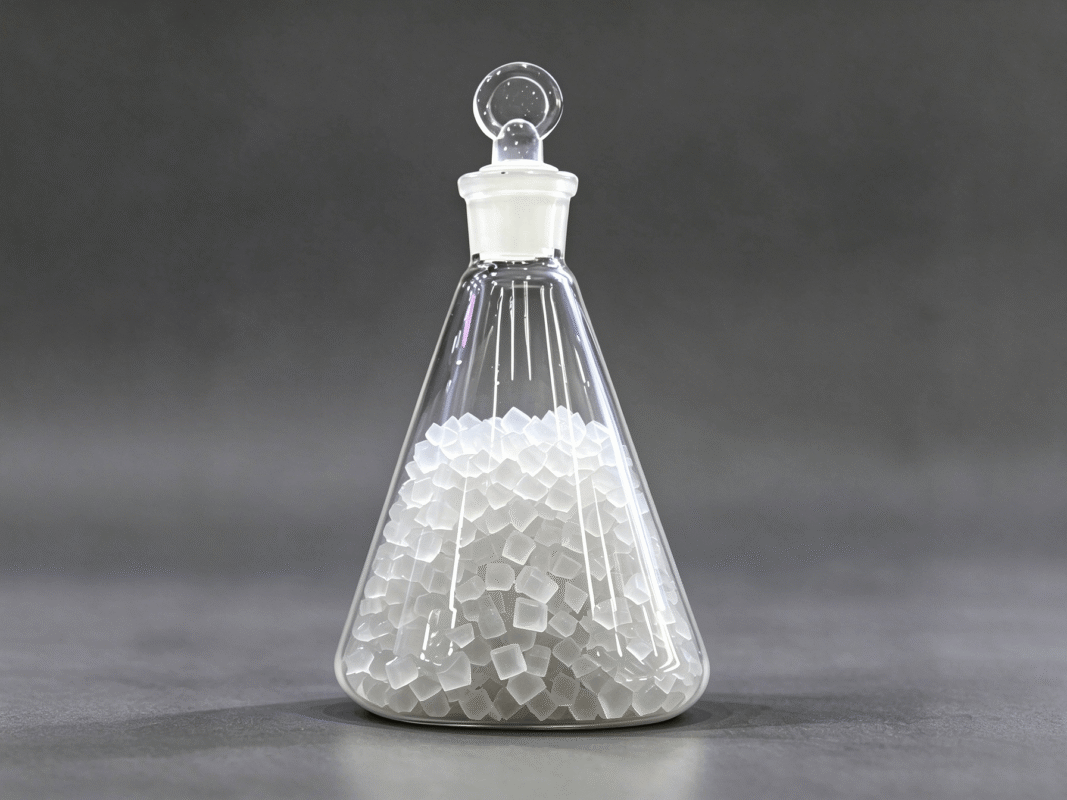
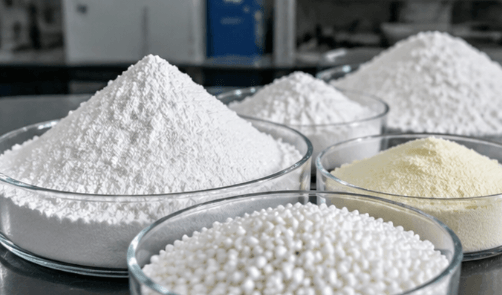
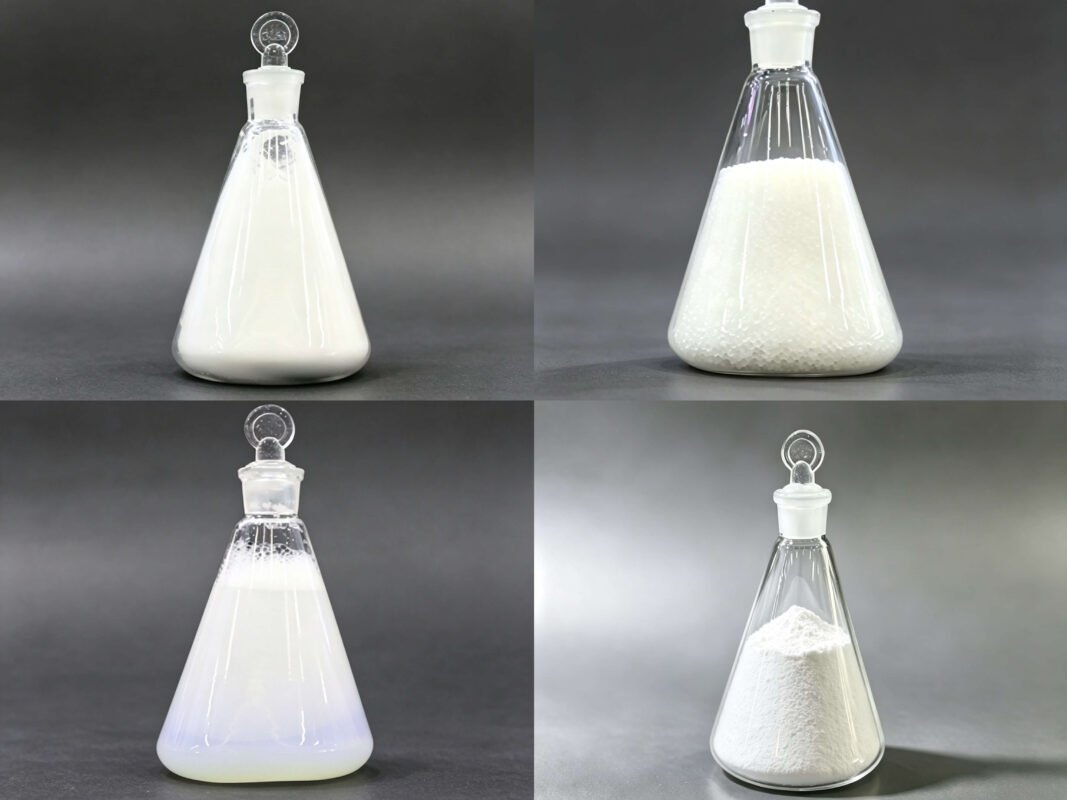
Furthermore, the physical form of the additive affects its dispersion. Granular “one-pack” systems are increasingly favored over powders. They ensure that every cubic millimeter of the PVC part contains the exact ratio of stabilizers and modifiers required for uniform durability.
FAQ
What is the “unzipping” effect in PVC?
Unzipping is a chemical reaction where the release of one hydrochloric acid molecule triggers the release of the next. This creates a chain of double bonds that causes the PVC to turn black and become extremely brittle.
How long can PVC last with the right additives?
When formulated with high-performance heat and UV stabilizers, rigid PVC products like underground pipes can have a functional lifespan exceeding 100 years. Outdoor construction materials typically carry warranties for 20 to 50 years.
Does UV exposure affect the strength of PVC?
Yes. Without UV stabilizers, solar radiation causes surface oxidation. This leads to microscopic “micro-cracks.” These cracks act as stress concentrators, which significantly reduce the impact resistance of the material.
Why is Calcium-Zinc preferred over Lead stabilizers?
Calcium-Zinc is non-toxic and compliant with global regulations like REACH and RoHS. While lead was historically effective, modern Ca-Zn technology now matches its durability performance without the environmental risks.
Can additives improve the recycling potential of PVC?
Yes. High-quality stabilizers protect the polymer during the initial heat cycle and subsequent recycling cycles. This allows PVC to be reground and reused multiple times while maintaining its structural integrity.
What are PVC durability additives?
PVC durability additives are chemical additives used to improve the long-term performance of PVC products by enhancing heat resistance, UV stability, impact strength, and weather resistance.
How do additives extend PVC product lifespan?
Additives protect PVC materials from degradation caused by heat, sunlight, oxidation, and mechanical stress, helping maintain product performance over longer periods.
Which PVC additives improve durability?
Common durability-related additives include heat stabilizers, UV stabilizers, impact modifiers, processing aids, and lubricants.
What is the role of PVC stabilizers?
PVC stabilizers prevent thermal degradation during processing and help maintain the structural integrity of finished PVC products.
Reference Sources
- ASTM D1784: Standard Specification for Rigid Poly(Vinyl Chloride) (PVC) Compounds and Chlorinated Poly(Vinyl Chloride) (CPVC) Compounds. astm.org
- ISO 1163: Plastics — Unplasticized poly(vinyl chloride) (PVC-U) moulding and extrusion materials. iso.org
- The Vinyl Institute: Technical reports on PVC durability and environmental impact. vinylinfo.org
- Society of Plastics Engineers (SPE): Research journals on polymer stabilization and additive chemistry. 4spe.org
- ECHA (European Chemicals Agency): REACH and RoHS compliance guidelines for chemical additives. echa.europa.eu
Summary:
Select pvc durability additives based on environmental stressors like UV and heat. Synergistic systems of stabilizers and impact modifiers are essential for extending industrial product lifespans and ensuring ROI.