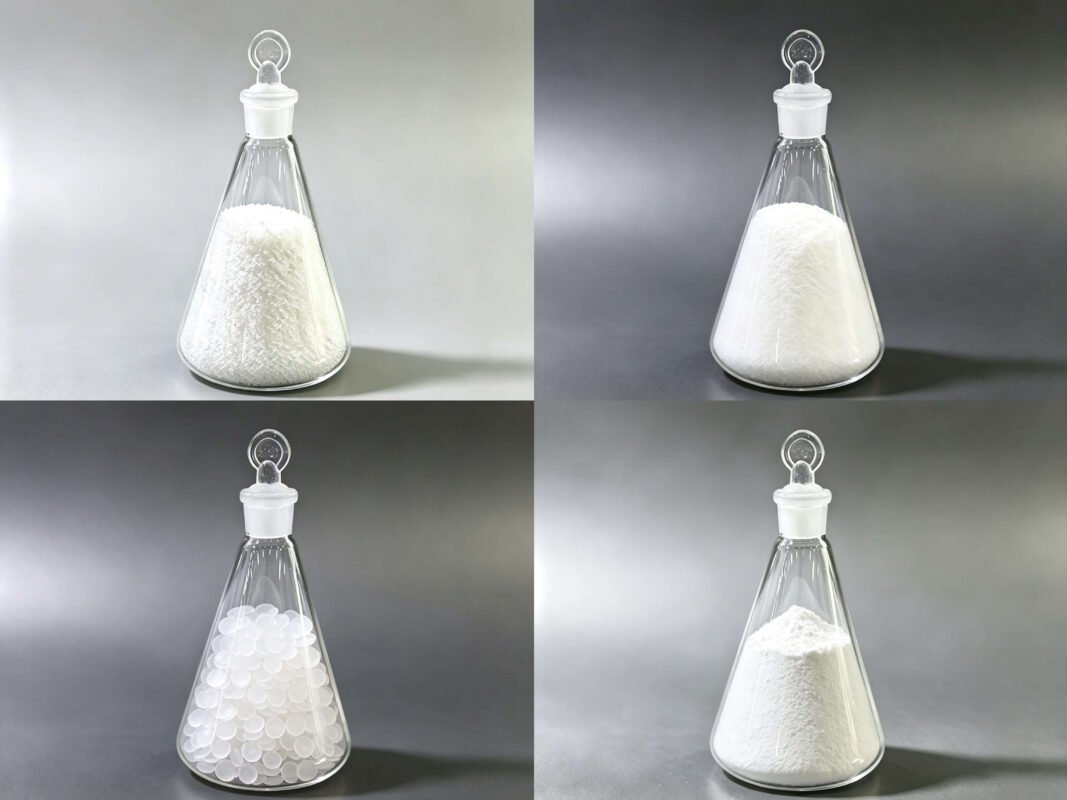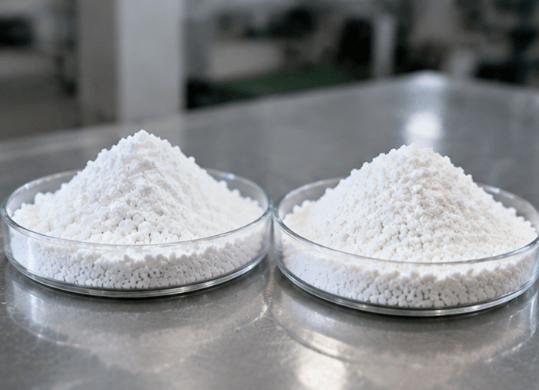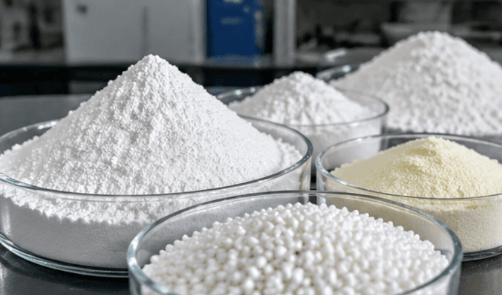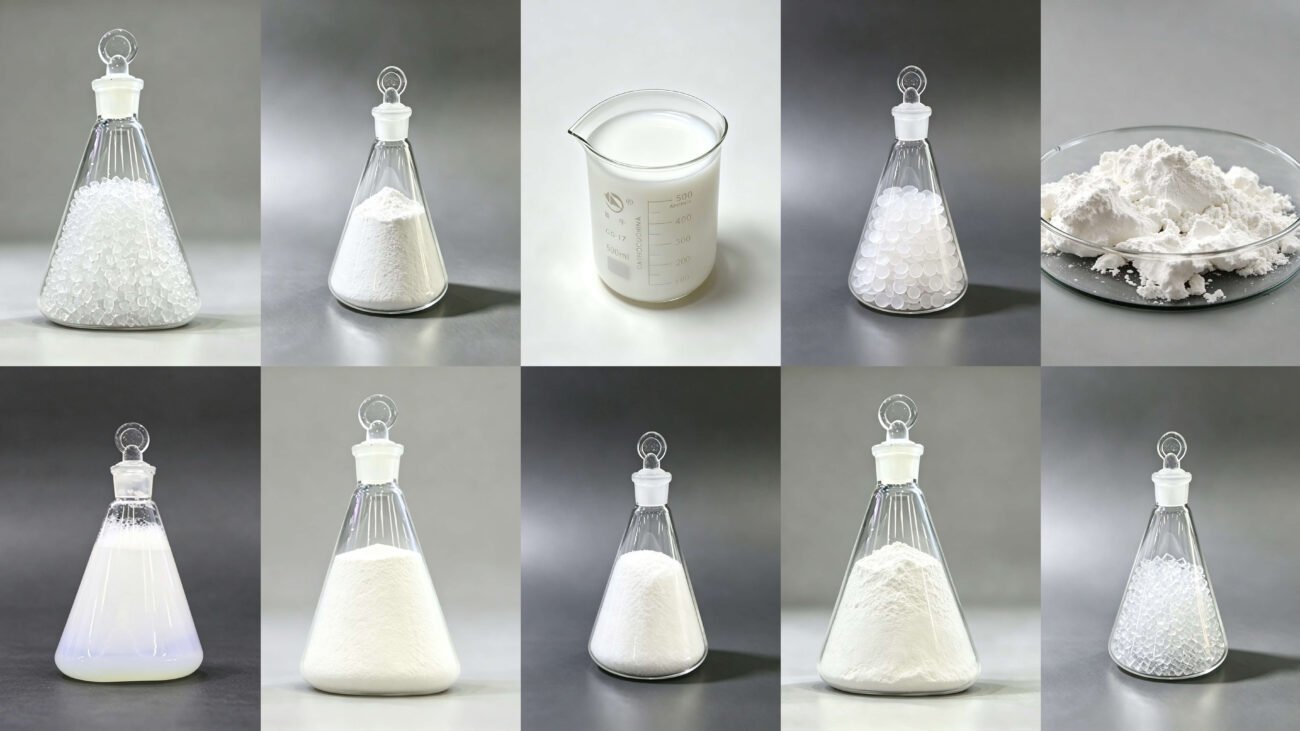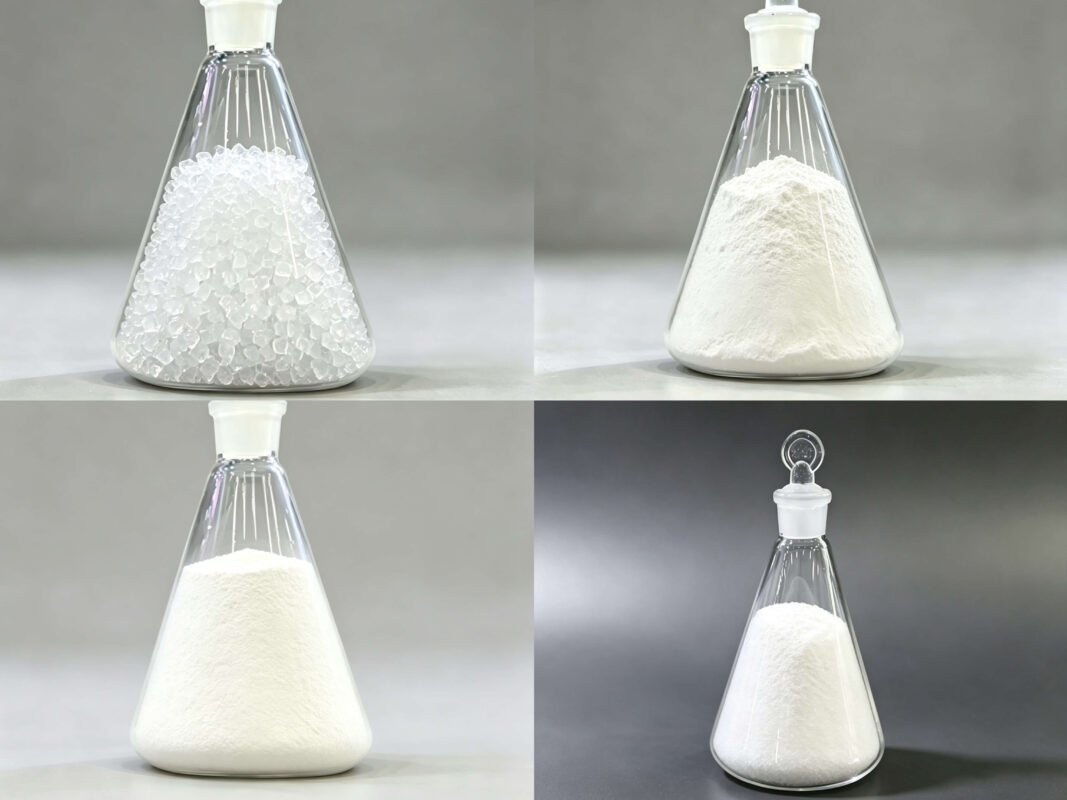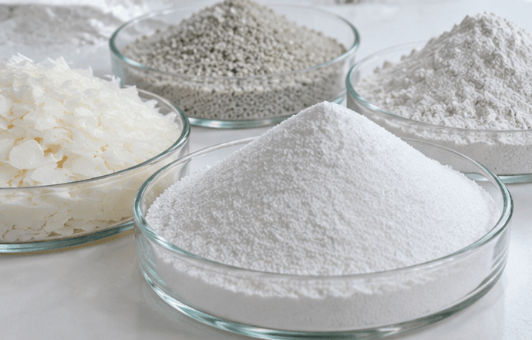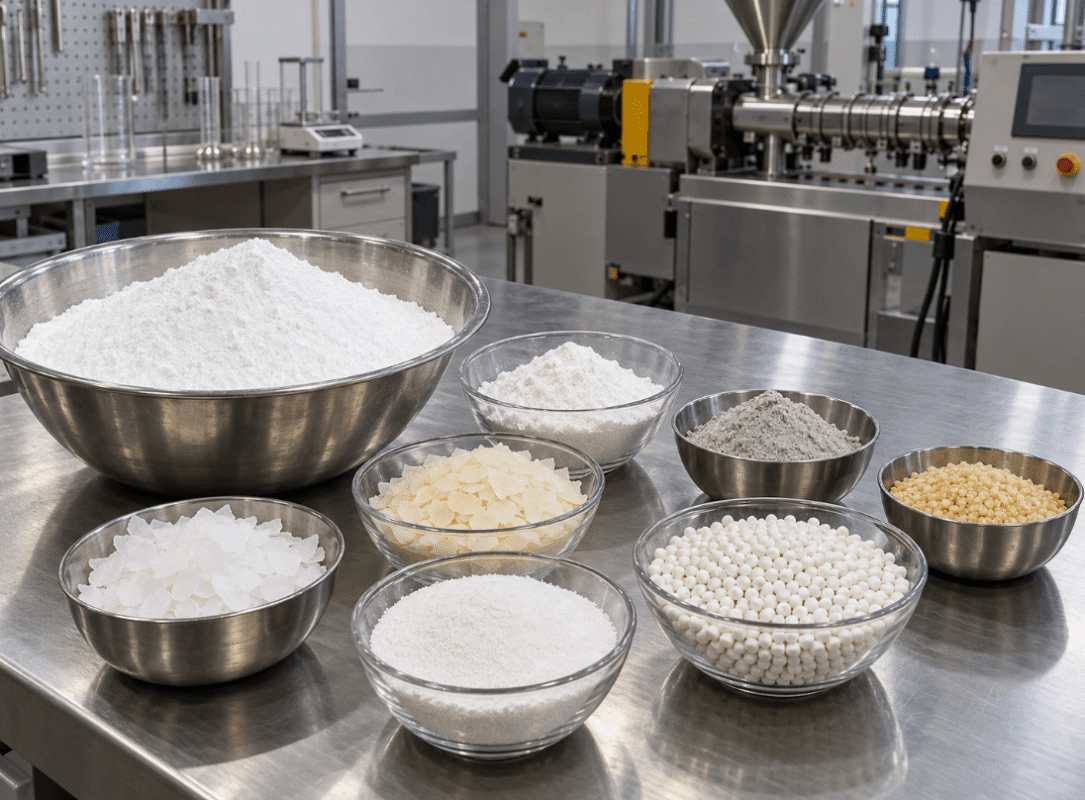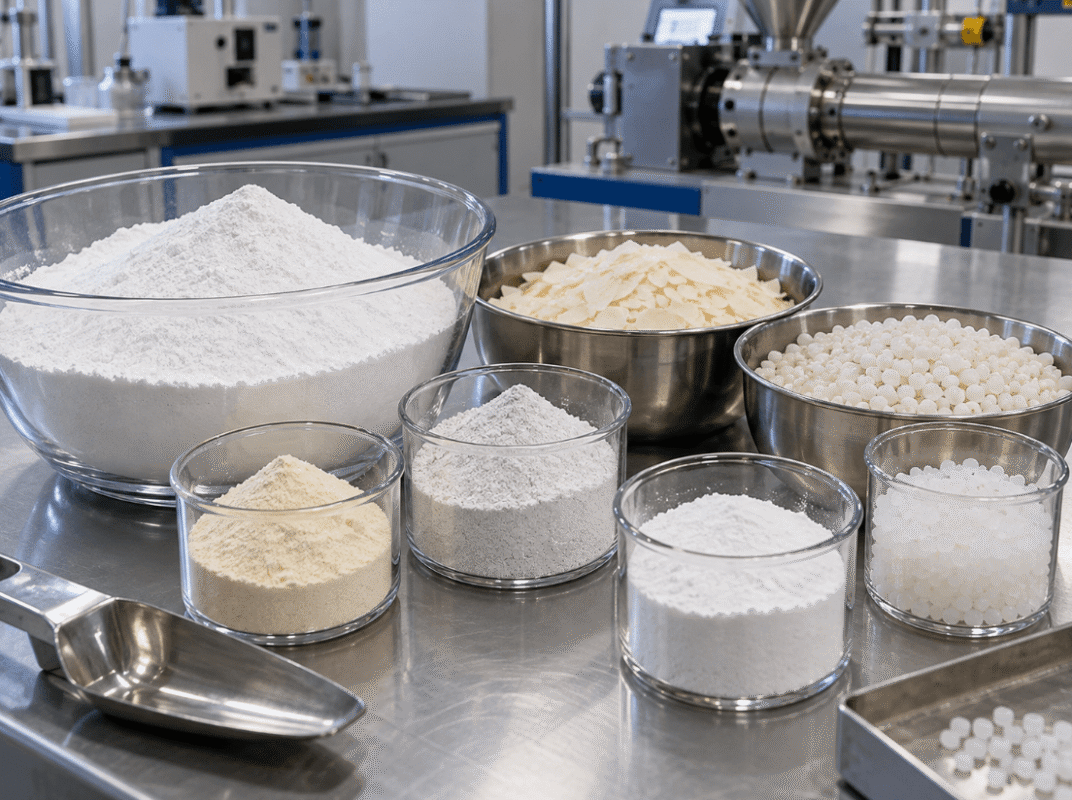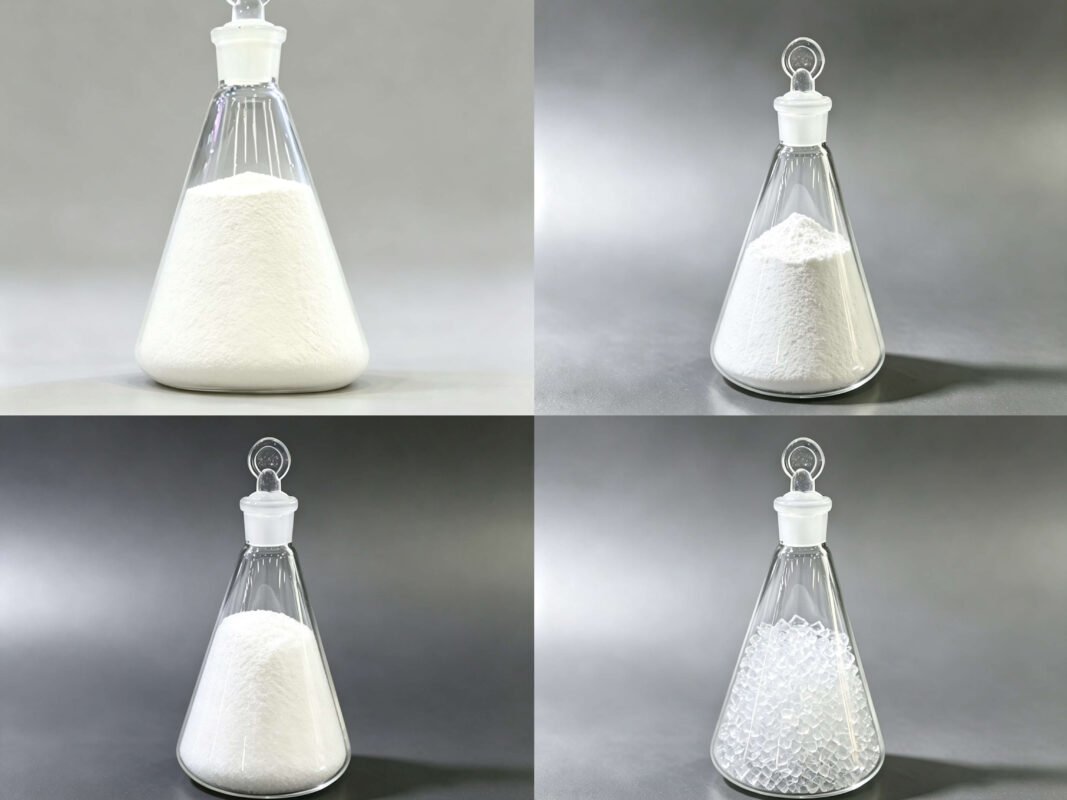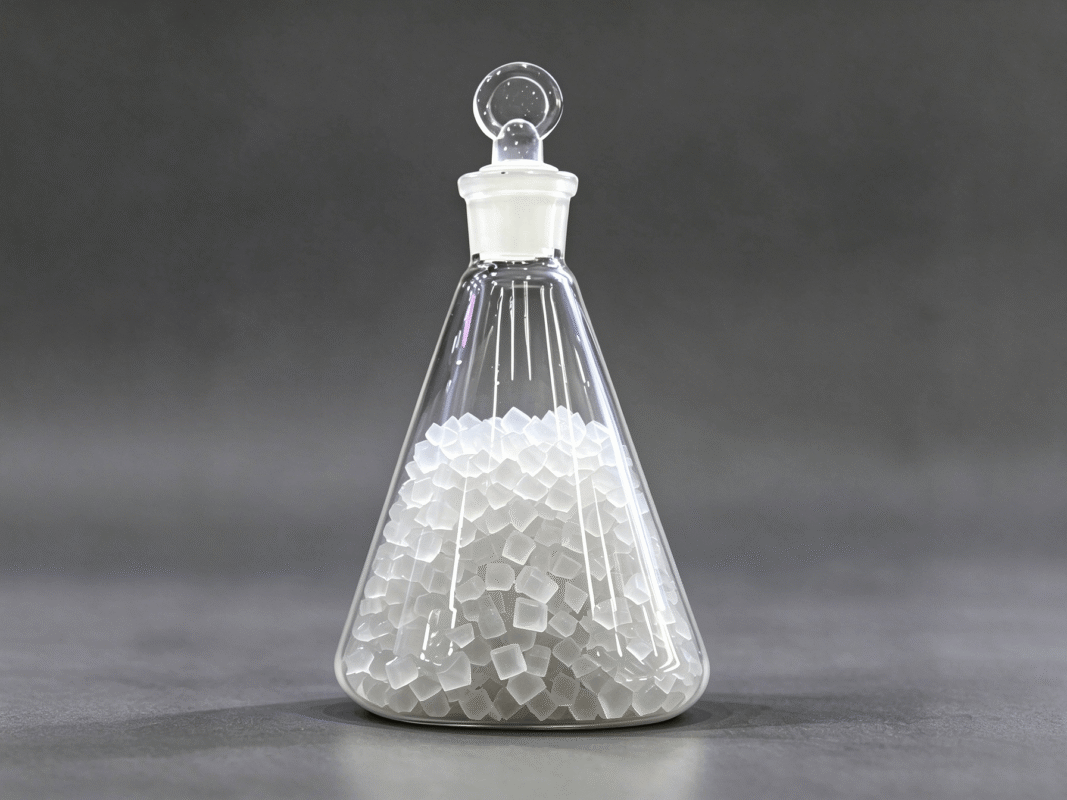

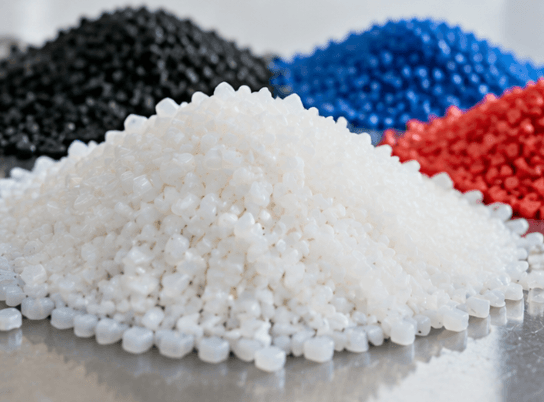
A suitable PVC cable stabilizer helps protect the compound against thermal degradation during wire and cable extrusion while supporting consistent insulation or jacket quality. The correct system depends on the PVC formulation, extrusion temperature, residence time, cable construction, electrical requirements, and destination-market regulations. Calcium-zinc, lead-based, and organotin stabilizers have different characteristics, so manufacturers should select a grade according to the actual cable application rather than treating all PVC stabilizers as interchangeable.
For cable compound manufacturers, stabilizer selection is part of a broader formulation decision. The stabilizer must work with plasticizers, lubricants, fillers, processing aids, and other additives without compromising processing stability or the finished cable’s electrical and mechanical properties.
Why PVC Cable Compounds Need Heat Stabilizers
PVC is susceptible to thermal degradation during processing. When exposed to excessive heat or prolonged thermal stress, the polymer can undergo dehydrochlorination, releasing hydrogen chloride (HCl). This reaction can produce discoloration and further degradation of the polymer structure.
During cable extrusion, PVC compounds experience heat, shear, pressure, and continuous material flow. A suitable heat stabilizer helps delay degradation and maintain a workable processing window.
For wire and cable manufacturers, an appropriate stabilizer system supports several production requirements:
- Thermal stability: Helps maintain PVC compound integrity during extrusion.
- Initial color control: Reduces unwanted discoloration associated with thermal stress.
- Processing consistency: Supports stable material behavior during continuous production.
- Insulation and jacket quality: Helps maintain consistent compound properties when used in a properly balanced formulation.
- Formulation compatibility: Must work with plasticizers, lubricants, fillers, and other cable additives.
A heat stabilizer does not independently determine the cable’s voltage rating, temperature rating, or service life. These properties depend on the complete compound, cable design, manufacturing process, and relevant qualification tests.
Types of PVC Cable Stabilizers
The main stabilizer systems that cable compound manufacturers may evaluate include calcium-zinc, lead-based, and organotin formulations. Their suitability depends on processing requirements, electrical performance, regulatory restrictions, and the technical specifications of the finished cable.
1. Calcium-Zinc Stabilizers
Calcium-zinc (Ca-Zn) stabilizers combine calcium- and zinc-based components with other formulation ingredients to provide thermal protection. They are widely considered in PVC applications where lead-free formulation requirements are important.
For cable extrusion, a suitable Ca-Zn grade should be evaluated for initial color, dynamic thermal stability, processing behavior, and compatibility with the plasticizer and lubricant package.
MKQ Chem lists MK-214 Calcium-Zinc Stabilizer for Cable Applications in its PVC stabilizer portfolio. Its application-specific positioning makes it a relevant candidate for technical evaluation by PVC cable compound manufacturers. Actual suitability and performance should be confirmed using the current product documentation and production trials.
2. Lead-Based Stabilizers
Lead-based stabilizers have historically been used in certain rigid and flexible PVC applications because of their established thermal stabilization performance and processing characteristics.
However, lead content creates significant regulatory and customer-acceptance considerations. Restrictions vary according to the destination market, product category, and applicable legislation. Manufacturers exporting electrical and electronic products should verify the specific requirements rather than assuming that a traditional stabilizer is acceptable in every market.
For new cable formulations targeting markets with restrictions on lead compounds, alternative stabilization systems should be evaluated early in the development process.
3. Organotin Stabilizers
Organotin stabilizers are another family used in selected PVC applications. Certain grades can provide strong thermal stability and color performance, but their suitability depends on the exact organotin chemistry, formulation, processing conditions, and applicable regulatory requirements.
Manufacturers should not treat all organotin products as having identical performance or compliance status. Request the exact chemical identification, technical specifications, and relevant regulatory documentation before considering a grade for cable production.
Comparison of PVC Stabilizer Systems
| Stabilizer Type | Main Selection Considerations | Important Verification |
|---|---|---|
| Calcium-zinc | Lead-free formulation requirements, thermal stability, and compatibility | Dynamic stability, color performance, and electrical testing |
| Lead-based | Established processing characteristics and market restrictions | Lead content, destination-market compliance, and customer specifications |
| Organotin | Thermal stability, color requirements, and chemistry-specific properties | Exact chemical identity, regulatory status, and formulation compatibility |
No stabilizer family is automatically the best choice for every cable compound. The correct selection depends on the formulation and the requirements of the finished cable.
Key Requirements for PVC Cable Stabilizer Selection
1. Thermal Stability During Continuous Extrusion
Cable manufacturing often involves continuous extrusion, where the PVC compound experiences a defined thermal history throughout the production run. The stabilizer must provide sufficient protection for the actual processing conditions.
Selection should consider melt temperature, residence time, screw speed, shear heating, and production interruptions. A formulation that performs adequately during a short trial may behave differently during extended production.
Manufacturers should evaluate initial color, color retention, processing stability, and evidence of degradation under representative production conditions.
2. Electrical Insulation Performance
Electrical performance is a fundamental requirement for PVC cable insulation and jackets where specified by the cable design. Stabilizer selection should therefore be evaluated within the complete formulation rather than based on thermal stability alone.
Other ingredients, including plasticizers, fillers, moisture-sensitive components, and processing residues, can influence electrical behavior. Depending on the application, manufacturers may need to evaluate:
- Volume resistivity or insulation resistance.
- Dielectric strength.
- Dielectric properties where specified.
- Moisture-related performance.
- Consistency between production batches.
These properties must be tested using the applicable cable specification and agreed test methods. A stabilizer product description alone cannot demonstrate electrical qualification.
3. Compatibility with Plasticizers and Other Additives
Flexible PVC cable compounds commonly use plasticizers to achieve the required flexibility. The stabilizer must be compatible with the selected plasticizer and the other components of the formulation.
Potential problems include changes in fusion behavior, poor dispersion, surface deposits, migration, or inconsistent mechanical performance. These effects depend on the specific chemicals and their concentrations.
Manufacturers should evaluate the stabilizer together with the complete additive package rather than comparing products in isolation.
For a broader formulation overview, see the guide to PVC cable materials, additives, and requirements.
4. Initial Color and Long-Term Appearance
Color consistency is important for cable insulation and color-coded conductors. Thermal instability may cause yellowing or other discoloration during extrusion, while pigment compatibility and dispersion can also affect the finished appearance.
When comparing stabilizers, evaluate initial color and color retention under the actual processing conditions. Do not attribute every color difference to the stabilizer because resin quality, pigment selection, residence time, and temperature can also influence the result.
5. Regulatory and Destination-Market Requirements
Stabilizer selection must account for the regulatory requirements applicable to the finished cable and its destination market.
For example, RoHS requirements may be relevant to electrical and electronic equipment within their defined scope, while REACH obligations depend on the substances, articles, supply-chain roles, and applicable provisions involved.
Manufacturers should verify:
- Whether the finished product falls within the relevant regulatory scope.
- Whether restricted substances are present above applicable limits.
- Whether supplier declarations and supporting test documents are available.
- Whether customer-specific restricted substance lists apply.
- Whether additional cable product standards or fire-performance requirements must be met.
A supplier’s description of a product as environmentally friendly or lead-free is not a substitute for checking its composition and obtaining relevant documentation.
How to Select a PVC Cable Stabilizer for Different Applications
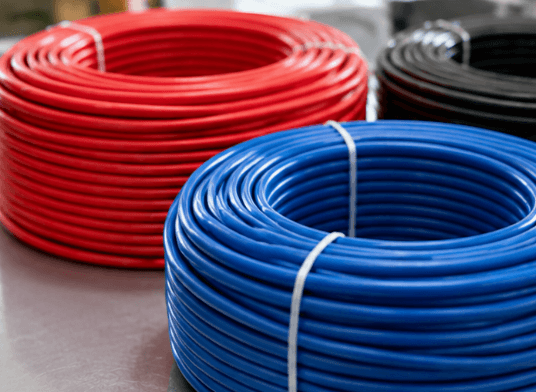
Not all cable compounds have the same requirements. Stabilizer selection should reflect the construction, processing conditions, and performance specifications of the cable.
| Cable Application | Important Stabilizer Requirements | Additional Evaluation |
|---|---|---|
| Building wire insulation | Thermal stability and consistent processing | Electrical insulation and mechanical properties |
| Power cable sheathing | Stable extrusion and formulation compatibility | Weathering, mechanical, and application requirements |
| Automotive wiring | Processing stability under the specified production conditions | Temperature, aging, and applicable automotive cable tests |
| Flexible control cables | Compatibility with plasticizers and flexibility requirements | Low-temperature flexibility and electrical properties |
| Industrial cables | Thermal stability and suitability for the intended environment | Customer specifications and chemical exposure requirements |
These are general selection considerations, not a substitute for a cable-specific formulation specification. The final stabilizer should be qualified within the complete PVC compound.
How to Evaluate a PVC Cable Stabilizer Before Production
Step 1: Define the Cable Requirements
Identify the cable type, insulation or sheath application, required flexibility, operating temperature classification, electrical properties, and destination-market requirements.
Step 2: Review the Existing Formulation
Document the PVC resin, plasticizer, stabilizer, lubricant, filler, pigment, and other additives. Record the current formulation and the processing issue that needs to be addressed.
Step 3: Request Technical Documentation
Obtain the stabilizer’s current technical data sheet and safety data sheet. Confirm the grade identity, intended application, recommended dosage, relevant specifications, and available compliance documentation.
Step 4: Conduct Controlled Production Trials
Establish a baseline and compare candidate stabilizers under representative processing conditions. Monitor temperature, torque, pressure, output, color consistency, and material behavior.
Step 5: Test Finished Cable Properties
Evaluate the finished insulation or sheath against the relevant product specification. Depending on the cable type, this may include tensile strength, elongation, aging performance, insulation resistance, dielectric strength, and other required tests.
Step 6: Confirm Repeatability and Documentation
Repeat the selected formulation under representative production conditions. Confirm that the material meets the agreed acceptance criteria and that the required quality and compliance documents are available before approving commercial production.
What Should Buyers Ask a PVC Cable Stabilizer Supplier?
When sourcing a stabilizer, buyers should provide enough technical information for the supplier to evaluate the intended application accurately.
- Product identification: Is the grade specifically designed for flexible or rigid PVC cable compounds?
- Thermal performance: What test information is available for thermal stability and color retention?
- Formulation compatibility: Is the grade suitable for the selected plasticizer and lubricant system?
- Dosage guidance: What starting dosage does the supplier recommend for the specific application?
- Quality documentation: Can the supplier provide TDS, SDS, batch specifications, and available COA?
- Regulatory information: Are relevant substance declarations or compliance documents available for the target market?
- Sample support: Can a sample be evaluated before a bulk purchasing decision?
MKQ Chem lists a dedicated PVC stabilizer product range, including MK-214 Calcium-Zinc Stabilizer for Cable Applications. Buyers should request the current MK-214 technical documentation and confirm its suitability for their specific cable formulation before production adoption.
Conclusion
PVC cable stabilizer selection requires a balance between thermal protection, processing stability, electrical performance, formulation compatibility, and regulatory requirements. Calcium-zinc, lead-based, and organotin systems have different characteristics, and the correct option depends on the cable construction and destination market.
Manufacturers should define the cable specifications, review the complete formulation, compare technical documentation, and validate candidate stabilizers through controlled extrusion and finished-cable testing. This approach provides a more reliable basis for stabilizer selection than choosing products solely by chemical category or unit price.
Frequently Asked Questions
What is the best stabilizer for PVC cable extrusion?
There is no universal best stabilizer for every PVC cable. Calcium-zinc and other stabilizer systems should be evaluated according to thermal stability, formulation compatibility, electrical requirements, and destination-market regulations. Final selection requires testing in the intended cable compound.
Why are calcium-zinc stabilizers used in PVC cable compounds?
Calcium-zinc stabilizers provide a lead-free stabilization option for PVC formulations. Their suitability depends on the grade, thermal requirements, plasticizer compatibility, and finished-cable specifications.
Can the same PVC stabilizer be used for cable insulation and sheathing?
Not automatically. Insulation and sheath compounds may have different flexibility, electrical, mechanical, and processing requirements. Confirm the stabilizer grade’s intended application and validate it in the complete formulation.
How does a heat stabilizer affect PVC cable electrical performance?
A heat stabilizer helps protect the PVC compound during processing, which supports consistent material quality. However, electrical performance also depends on resin purity, plasticizers, fillers, moisture, and the complete formulation. Finished-cable electrical testing remains necessary.
What documents should buyers request from a PVC cable stabilizer supplier?
Buyers should request the current TDS, SDS, product identification, batch specifications, available COA, and relevant regulatory declarations. Additional documentation should be agreed according to the cable application and destination market.