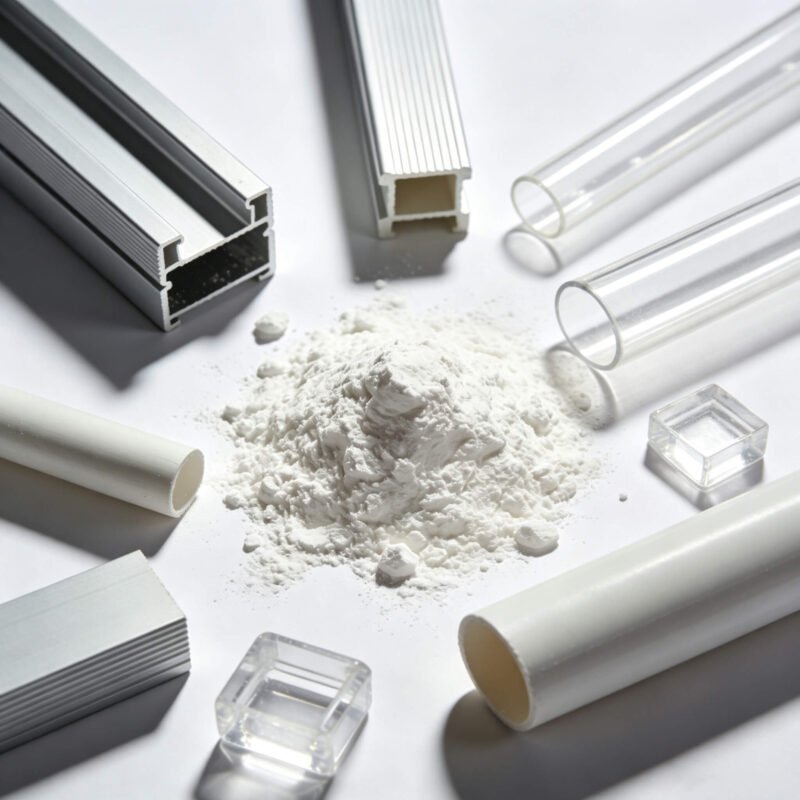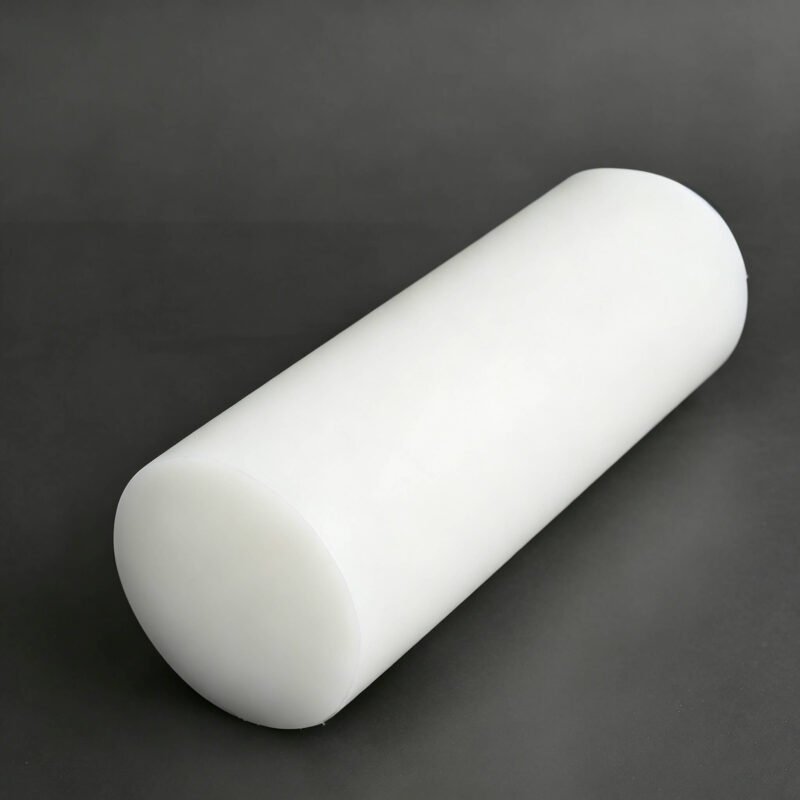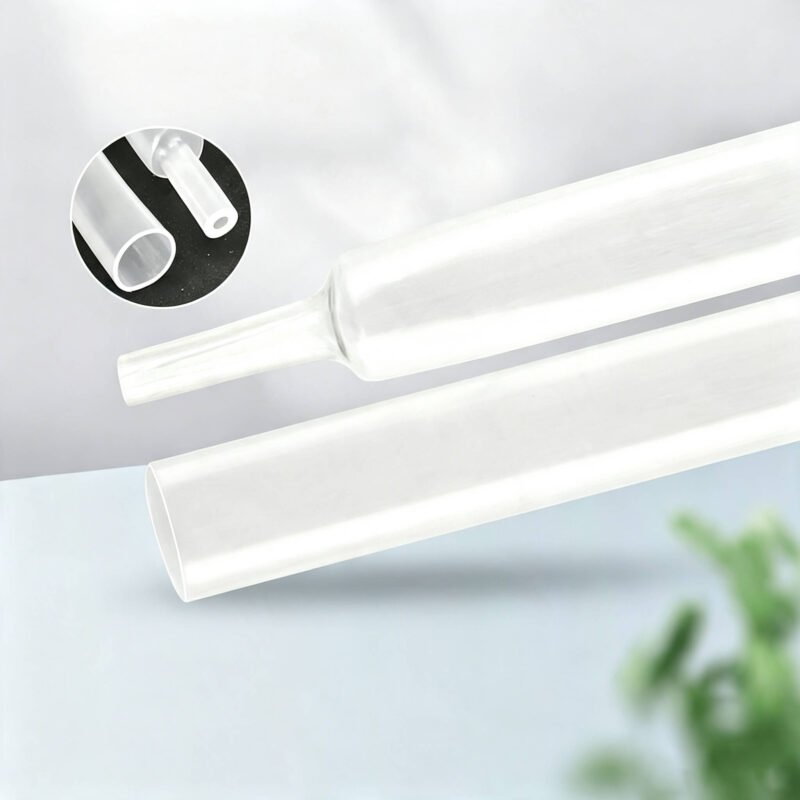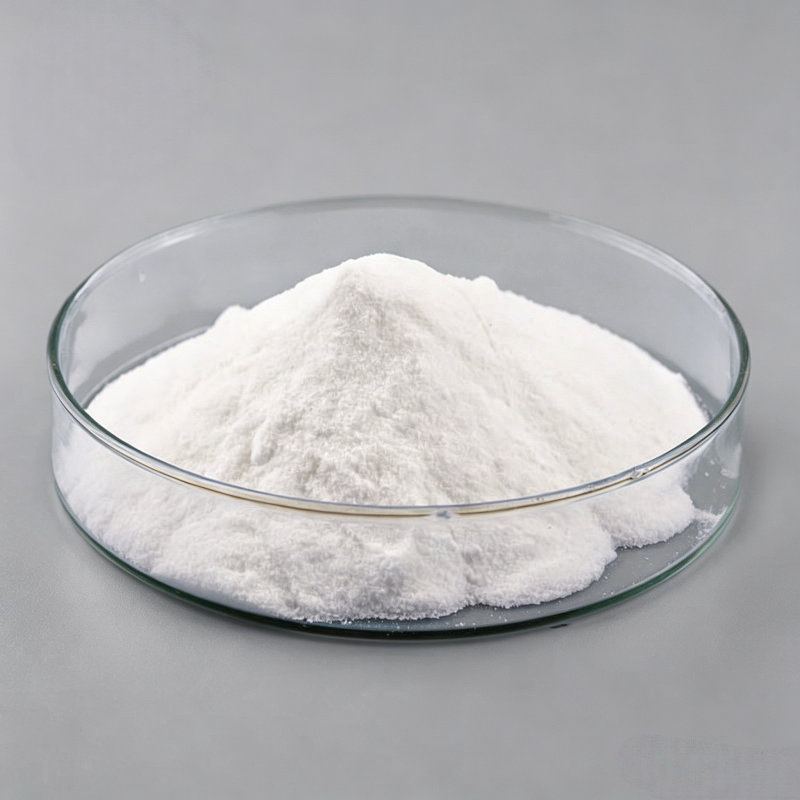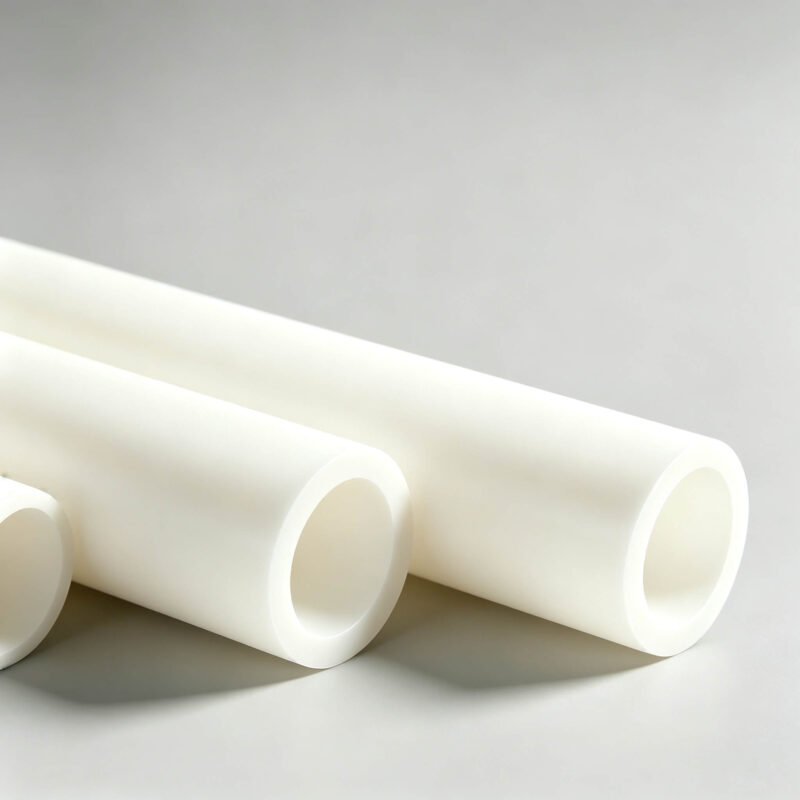

PVC is naturally a rigid polymer. To transform it into the high-performance flexible PVC cable required for modern electrical systems, the molecular structure must be modified. This process involves complex chemical interactions and precise additive dosing.
Engineers and procurement managers often struggle with the balance between flexibility and durability. Choosing the wrong additive can lead to plasticizer migration or premature cable failure. We understand these manufacturing challenges and provide specialized chemical solutions to solve them.
At Maike Chemical, our experience in polymer additives allows us to help manufacturers achieve the perfect bend radius. In this guide, we will analyze the technical methods used to improve PVC flexibility while maintaining mechanical integrity.
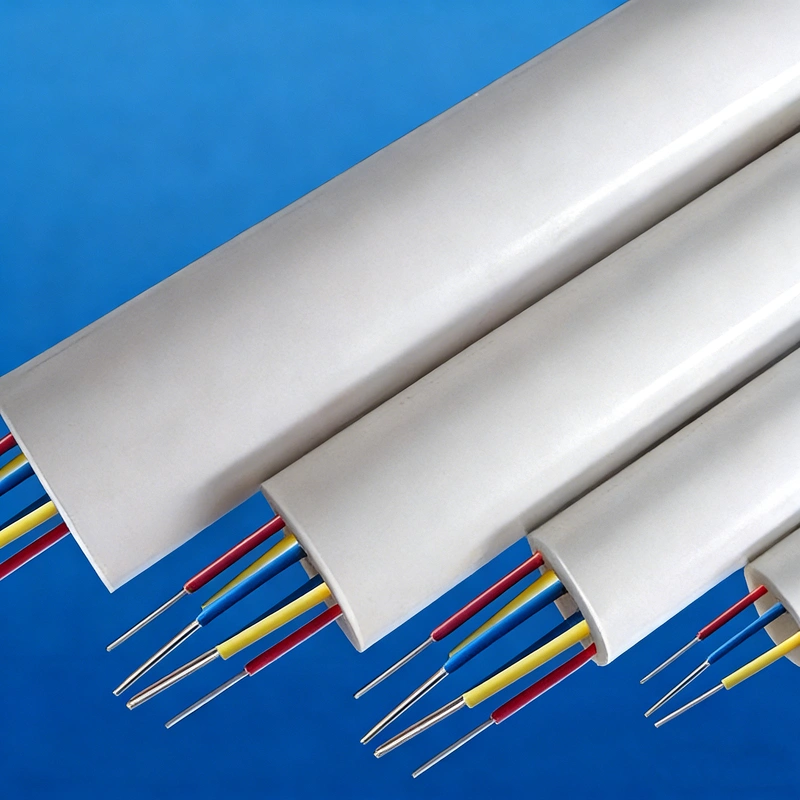
Why Does PVC Require Modification for Flexibility?
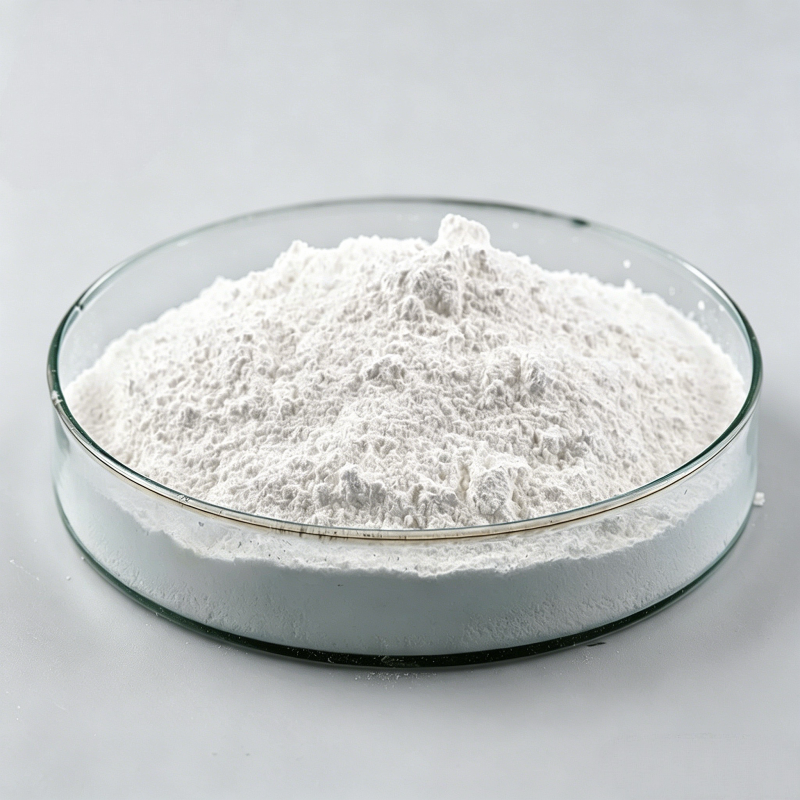
Standard PVC resin is brittle at room temperature. Its polymer chains are tightly packed, preventing movement. To create a flexible PVC cable, we must introduce plasticizers into the matrix.
Plasticizers act as internal lubricants. They wedge themselves between polymer chains, increasing the free volume and lowering the glass transition temperature (Tg). This allows the chains to slide past each other easily.
Without the right formulation, a cable may feel soft initially but become brittle over time. This is often due to low-quality additives or poor compatibility between the resin and the plasticizer.
Selecting the Right Primary Plasticizers?
The choice of plasticizer is the most critical factor in determining the final flexibility of the cable. Not all plasticizers are equal in terms of efficiency or longevity.
Phthalate-free options have become the industry standard for high-end applications. We offer various grades that balance cost-effectiveness with technical performance.
| Plasticizer Type | Flexibility Performance | Key Application | Main Advantage |
| DOTP (Terephthalate) | Excellent | General Power Cables | Non-toxic & Low Volatility |
| DINP (Phthalate) | High | Industrial Wiring | High Electrical Resistance |
| TOTM (Trimellitate) | Good | High-Temp Cables | Low Migration & Heat Stability |
| DOA (Adipate) | Superior | Low-Temp Environments | Extreme Cold Flexibility |
For most flexible PVC cable projects, DOTP is the preferred choice. It provides a stable molecular bond that resists aging. This ensures the cable remains pliable even after years of service in varying environments.
How to Optimize Secondary Plasticizers and Fillers?
While primary plasticizers provide the bulk of the flexibility, secondary plasticizers like Chlorinated Paraffins (CP) are often used. These help reduce costs and can improve flame retardancy.
However, over-reliance on secondary plasticizers can be risky. If the concentration is too high, it leads to “sweating” or migration. This makes the cable surface oily and reduces its flexibility over time.
Fillers like Calcium Carbonate are also essential. While they reduce costs, adding too much filler increases the stiffness of the compound. We recommend using ultra-fine, treated fillers to maintain a smooth finish and better elongation properties.
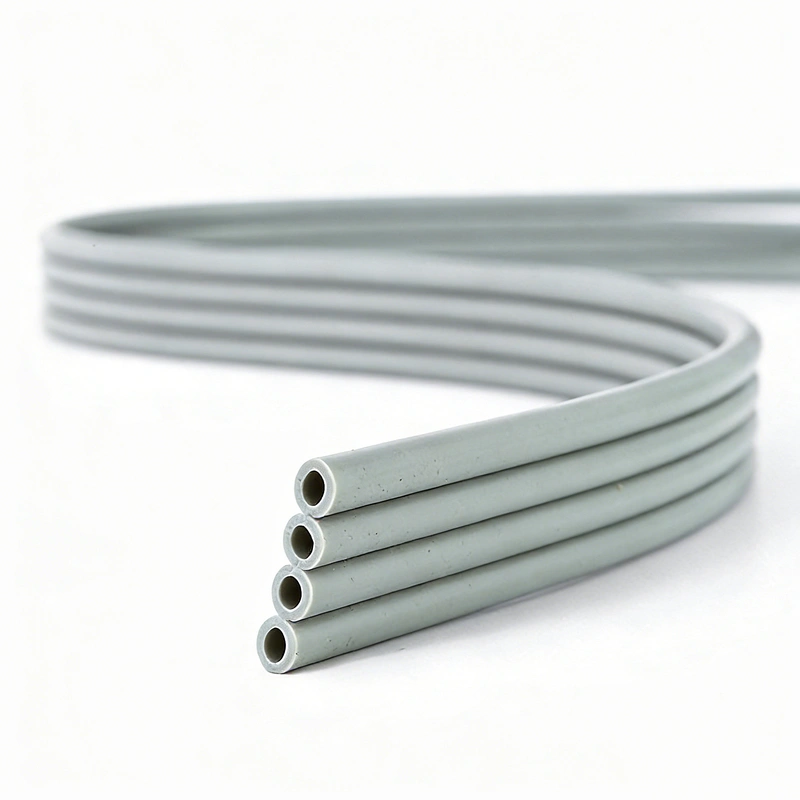
The Role of Heat Stabilizers in Maintaining Pliability?
Flexibility is not just a Day 1 requirement. A flexible PVC cable must maintain its properties under thermal stress. Heat stabilizers prevent the polymer from degrading during extrusion.
If PVC degrades, it releases Hydrochloric Acid (HCl), which causes the material to cross-link and harden. We provide advanced Ca-Zn (Calcium-Zinc) stabilizers that protect the polymer chain.
These stabilizers ensure that the plasticizers remain locked within the PVC matrix. Proper stabilization prevents the “brittling effect” often seen in low-quality cables exposed to sunlight or heat.
Balancing the Formulation for Specific Applications?
Improving flexibility is not a “one size fits all” process. A cable used in a robotic arm requires higher dynamic flexibility than a fixed household wire.
For dynamic applications, we recommend a higher “Parts per Hundred Resin” (PHR) of plasticizer. A typical flexible PVC cable formulation might range from 40 to 60 PHR of DOTP depending on the desired Shore A hardness.
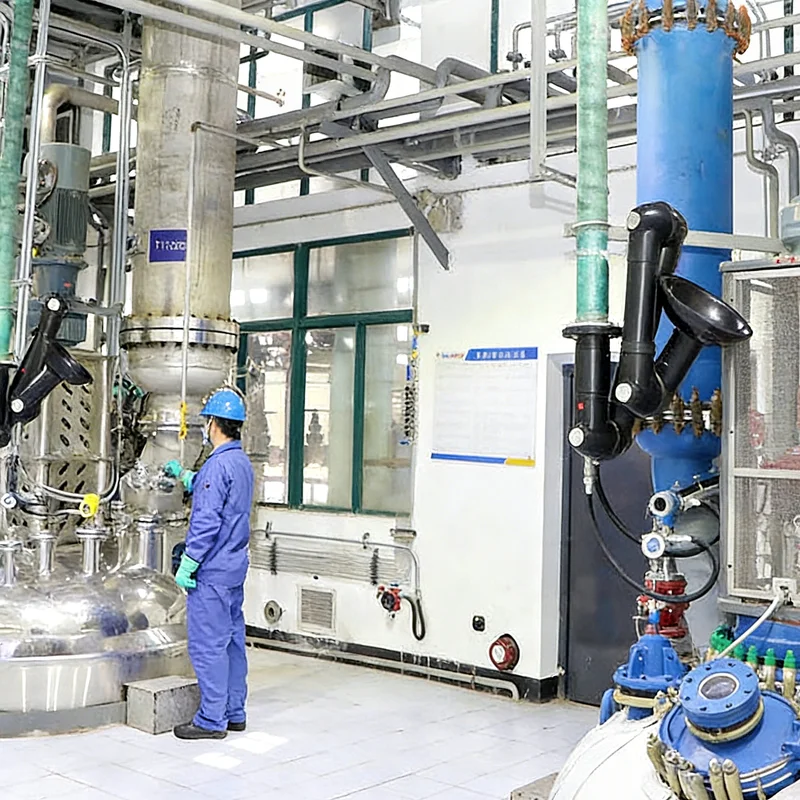
In our production facility, we emphasize the importance of blending cycles. High-speed mixing ensures that the plasticizer is fully absorbed by the PVC resin pores. This prevents “cold spots” in the cable which can lead to cracking.
How We Support Your Flexible Cable Manufacturing?
Choosing the right chemical components is a commercial and technical decision. We offer a comprehensive range of products designed to optimize your PVC formulations.
Our product catalog includes high-purity plasticizers, efficient stabilizers, and specialized flame retardants. You can explore our full range of solutions at Maikaiqi Chemical Products.
As your manufacturing partner, we don’t just supply raw materials. We provide technical consulting to help you reduce migration issues and improve the cold-bend performance of your cables. We focus on helping you achieve international compliance standards such as RoHS and REACH.
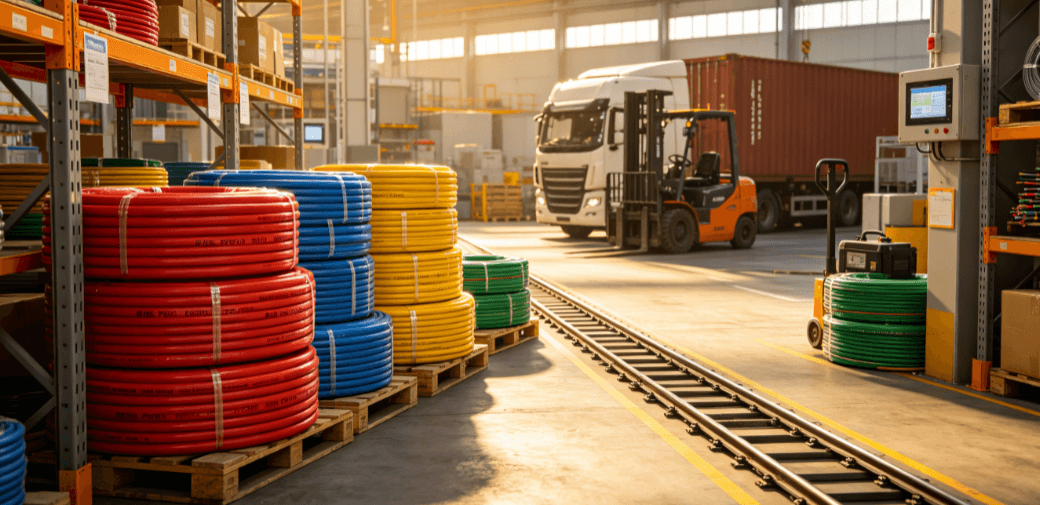
Advanced Manufacturing Techniques for Flexibility?
Beyond chemical additives, the extrusion process itself impacts flexibility. The cooling rate of the cable after it leaves the die head affects the crystallinity of the PVC.
Controlled cooling prevents internal stresses from forming. If a cable is cooled too quickly, it can trap tension within the jacket. This makes the finished flexible PVC cable feel “stiff” despite having a high plasticizer content.
We suggest monitoring melt temperatures closely. Excessive heat can burn off volatile plasticizers, leading to a loss of 2% to 5% of the intended flexibility.
Conclusion: Achieving Long-Term Performance
Improving the flexibility of PVC cable requires a holistic approach. It starts with selecting high-efficiency plasticizers like DOTP and ends with precise manufacturing controls.
By balancing primary and secondary plasticizers and using high-quality stabilizers, you can produce cables that meet the most demanding industrial requirements. We are here to provide the chemical expertise needed to make your products more competitive in the global market.
FAQ
Q: What is the best plasticizer for low-temperature flexible PVC cable?
A: DOA (Dioctyl Adipate) is the industry standard for cold-weather applications. It maintains a low glass transition temperature, allowing the cable to remain flexible at -40°C.
Q: Why does my flexible PVC cable become stiff over time?
A: This is usually caused by plasticizer migration. The molecules move to the surface and evaporate or leach into surrounding materials. Using high-molecular-weight plasticizers like TOTM can prevent this.
Q: Can I use 100% Chlorinated Paraffin as a plasticizer?
A: No. Chlorinated Paraffin is a secondary plasticizer. It has poor compatibility with PVC resin if used alone. It should only replace a portion of the primary plasticizer to maintain stability.
Q: How does Shore Hardness relate to cable flexibility?
A: Shore A hardness measures the resistance to indentation. Most flexible cables fall between 60A and 80A. Lower numbers indicate a softer, more flexible material.
Q: Does the color of the PVC affect its flexibility?
A: Generally, no. However, the pigment carriers used in masterbatches must be compatible with the plasticizer system to avoid localized hardening or color bleeding.
Reference Sources
ASTM D2124 Standard Test Method for Analysis of Components in PVC
https://www.astm.org/d2124-99r11.html
ISO 6722 Road vehicles — 60 V and 600 V single-core cables
https://www.iso.org/standard/81447.html
European Chemicals Agency (ECHA) Guidance on REACH Compliance
https://echa.europa.eu/guidance-documents/guidance-on-reach