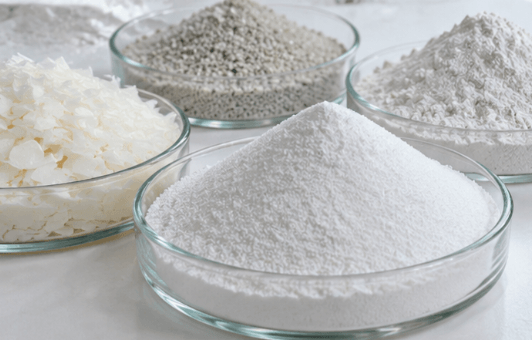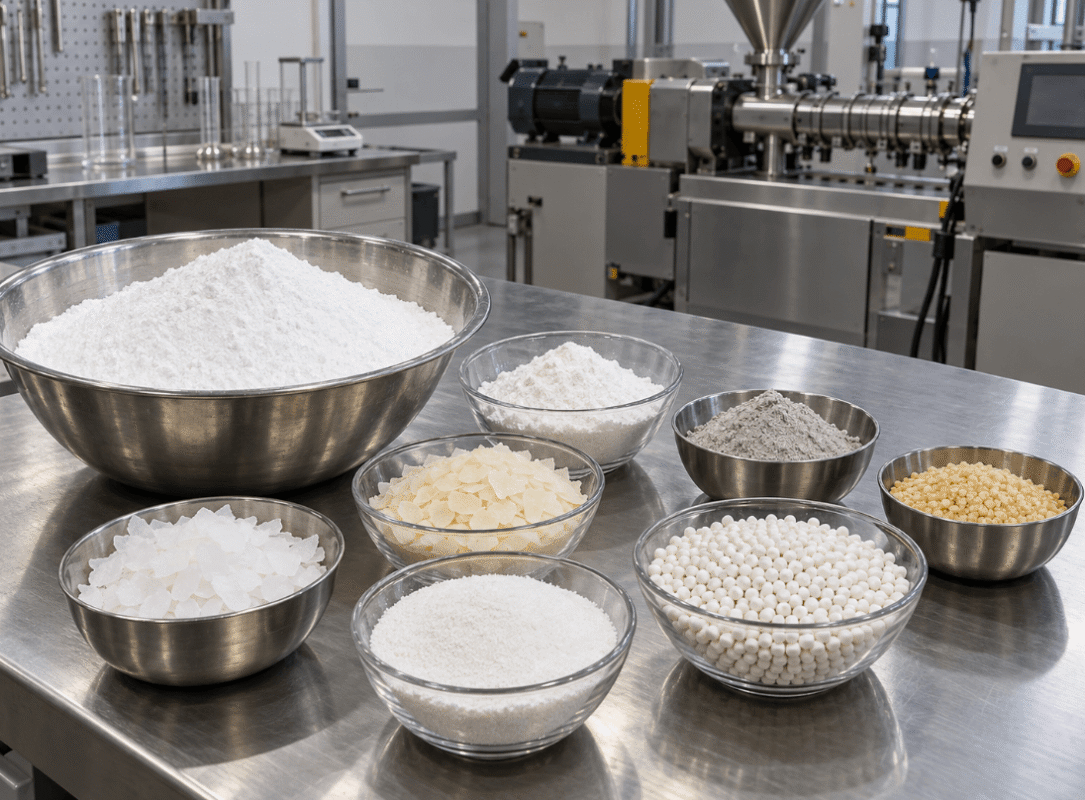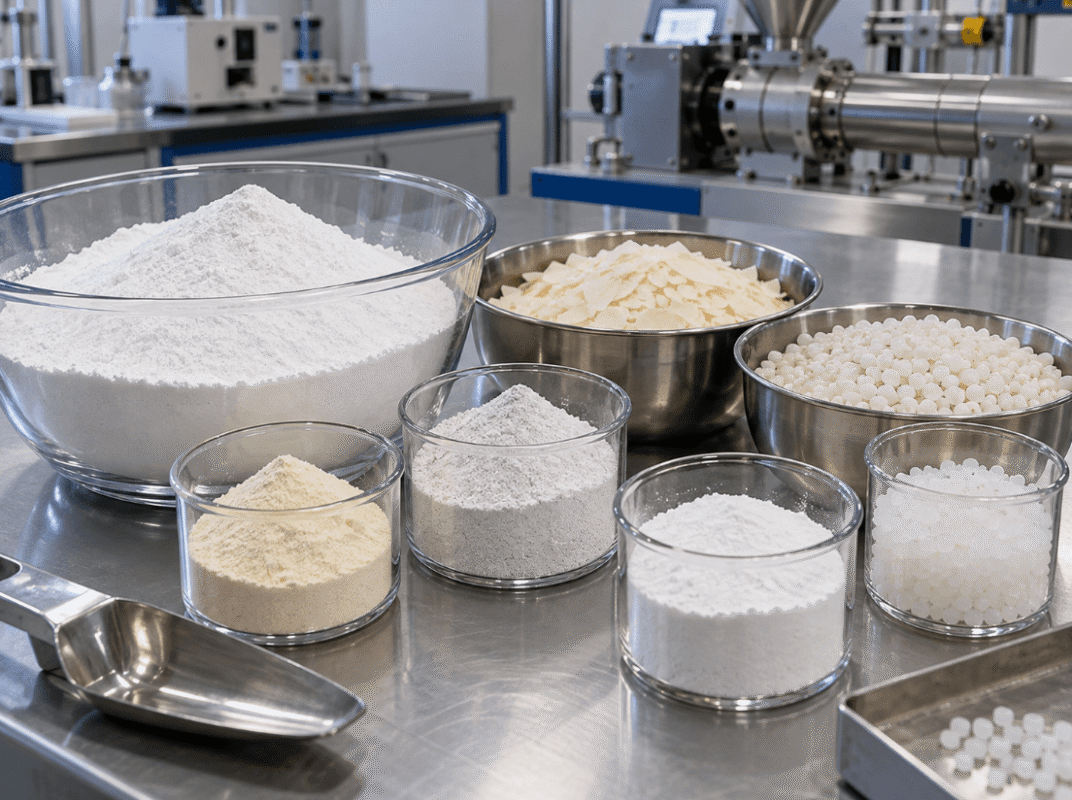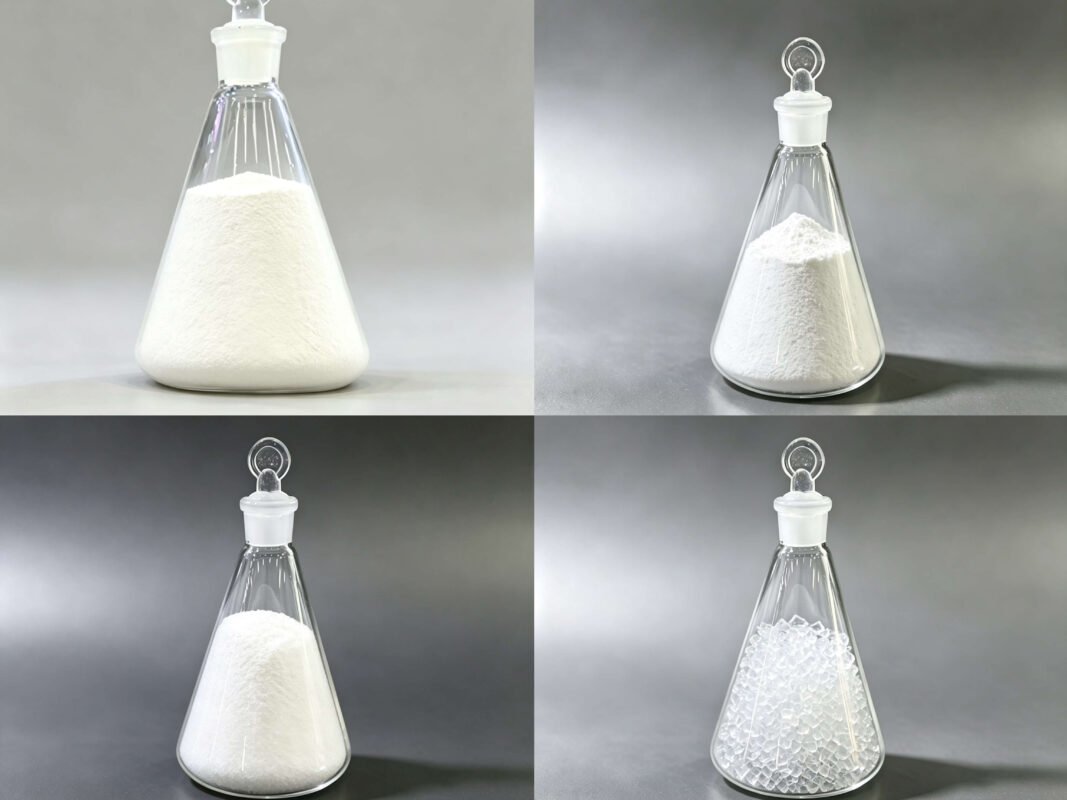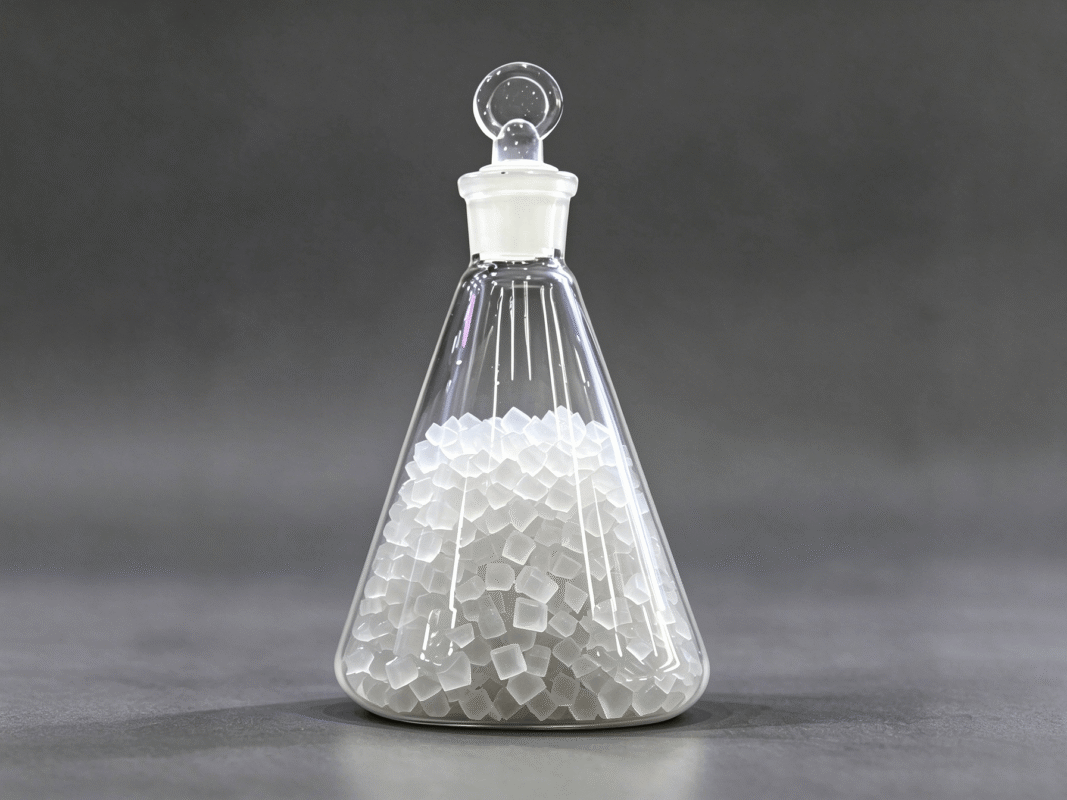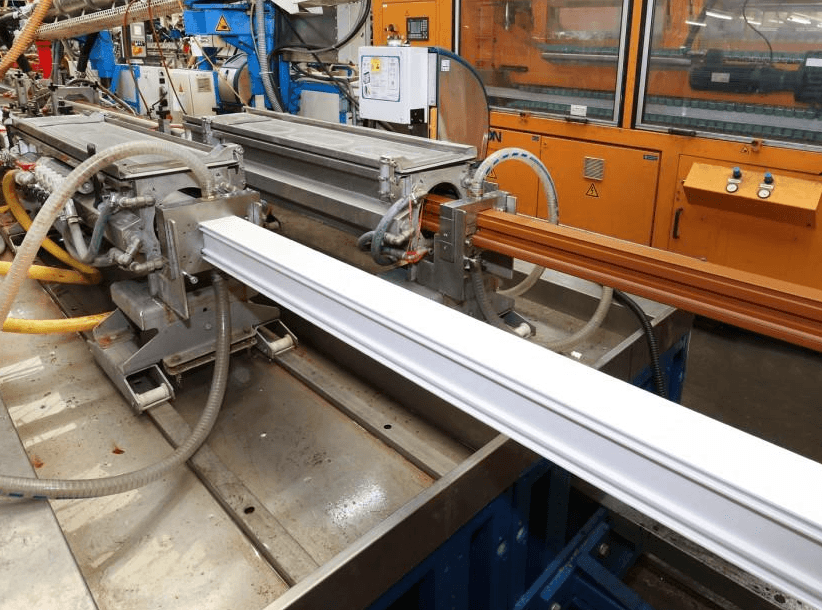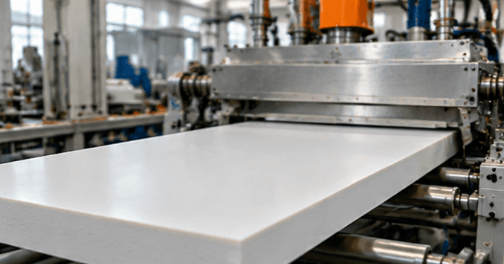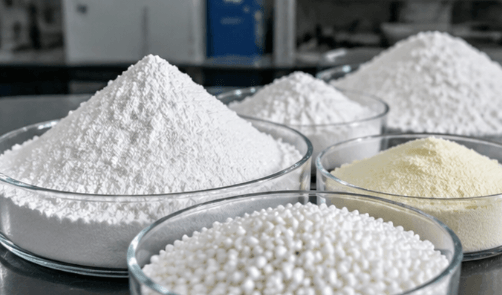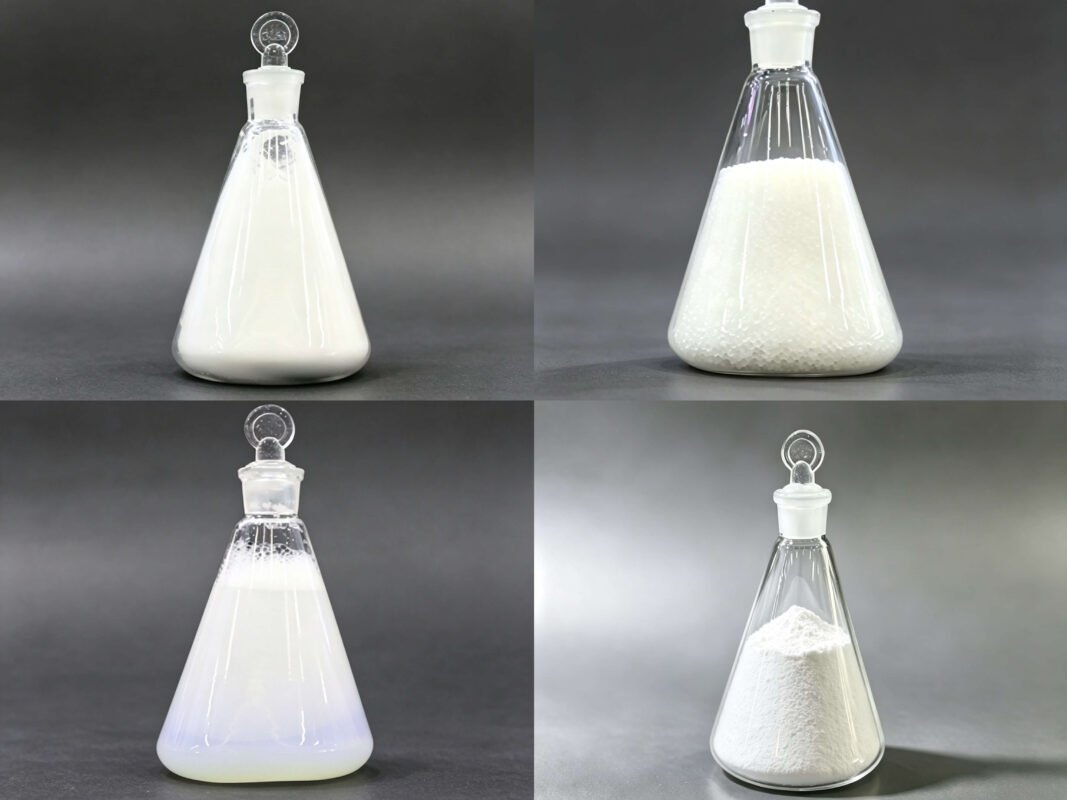

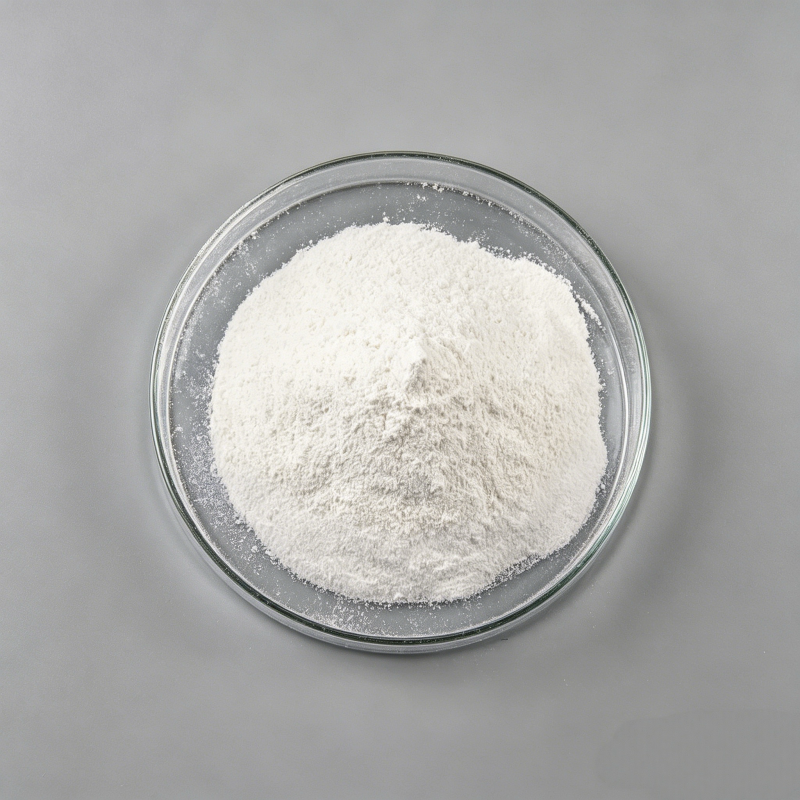
What is OPE wax?
OPE wax (oxidized polyethylene wax) is produced through the controlled thermo-oxidative degradation and oxidation of polyethylene (typically low-molecular-weight PE wax or polyethylene resin). It is a high-performance polar processing aid widely used in the PVC industry. During the oxidation process, polar functional groups—such as carbonyl, carboxyl, and hydroxyl groups—are introduced into its molecular structure, significantly enhancing its compatibility with polar materials like PVC, fillers, pigments, and coatings. This unique chemical structure imparts dual functionality to OPE wax.
Compared to conventional PE wax, OPE wax offers higher polarity, superior dispersibility, better lubrication balance, and stronger compatibility with PVC formulations. This article provides a detailed overview of OPE wax, its advantages, and its applications, aiming to offer a deeper understanding of the material and how it functions and is utilized in PVC products.
Mechanism of Action of OPE Wax
OPE wax provides both internal and external lubrication, helping to improve the melt flow characteristics, processing stability, and surface quality of PVC products.
1. Dual Lubrication Mechanism
In PVC formulations, OPE wax plays a key lubricating role:
- Internal lubrication: Reduces friction between PVC molecular chains, thereby improving melt flow and lowering processing torque.
- External lubrication: Migrates in trace amounts to the metal surfaces of processing equipment, reducing adhesion and preventing material buildup on the screw, barrel, and die.
- Internal synergistic effect: Polar groups (such as carboxyl, ester, and hydroxyl groups) impart partial compatibility between OPE wax and polar PVC molecules. This allows the wax to penetrate the PVC molecular chains, helping to optimize melting behavior during plasticization, reduce melt viscosity, and ensure a more uniform distribution of shear forces.
This balance between internal and external lubrication is particularly important for the processing of rigid PVC.·
2. Improvement in Processing Performance
OPE wax significantly improves the processing performance of PVC in several ways:
- Lowers plasticization temperature and stabilizes melt viscosity
- Increases plasticization speed during extrusion and injection molding
- Reduces energy consumption during processing
- Enhances flow uniformity and reduces defects such as melt fracture or uneven thickness
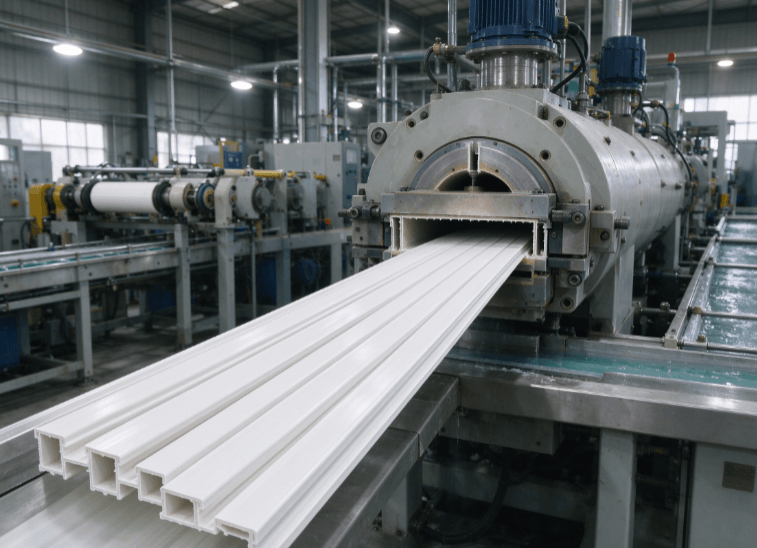
These properties are particularly important for high-speed extrusion lines producing PVC pipes, profiles, and sheets.
3. Improvement in Surface Quality
One of the most significant advantages of OPE wax lies in its ability to enhance the product’s appearance:
- Imparts a smoother, higher-gloss surface to PVC products
- Reduces mold sticking and surface roughness
- Helps prevent surface defects such as “orange peel” or “sharkskin”
- Improves printability and downstream processing performance·
This makes it highly valuable for applications involving decorative PVC sheets and films.
4. Compatibility with fillers and additives
PVC formulations often contain fillers such as calcium carbonate; OPE wax serves the following functions:
- Improves filler dispersion
- Reduces filler agglomeration
- Enhances melt uniformity
- Improves the stability of the final product’s mechanical properties
This results in a more stable production process and enhanced product quality.
5. Thermal Stability and Mold Release Performance
5. Thermal Stability and Mold Release Performance
Although OPE wax is not a stabilizer in itself, it indirectly enhances thermal processing stability by:
- Reducing frictional heat generation (localized overheating) during processing
- Minimizing degradation caused by shear stress
- Improving mold release performance during injection molding
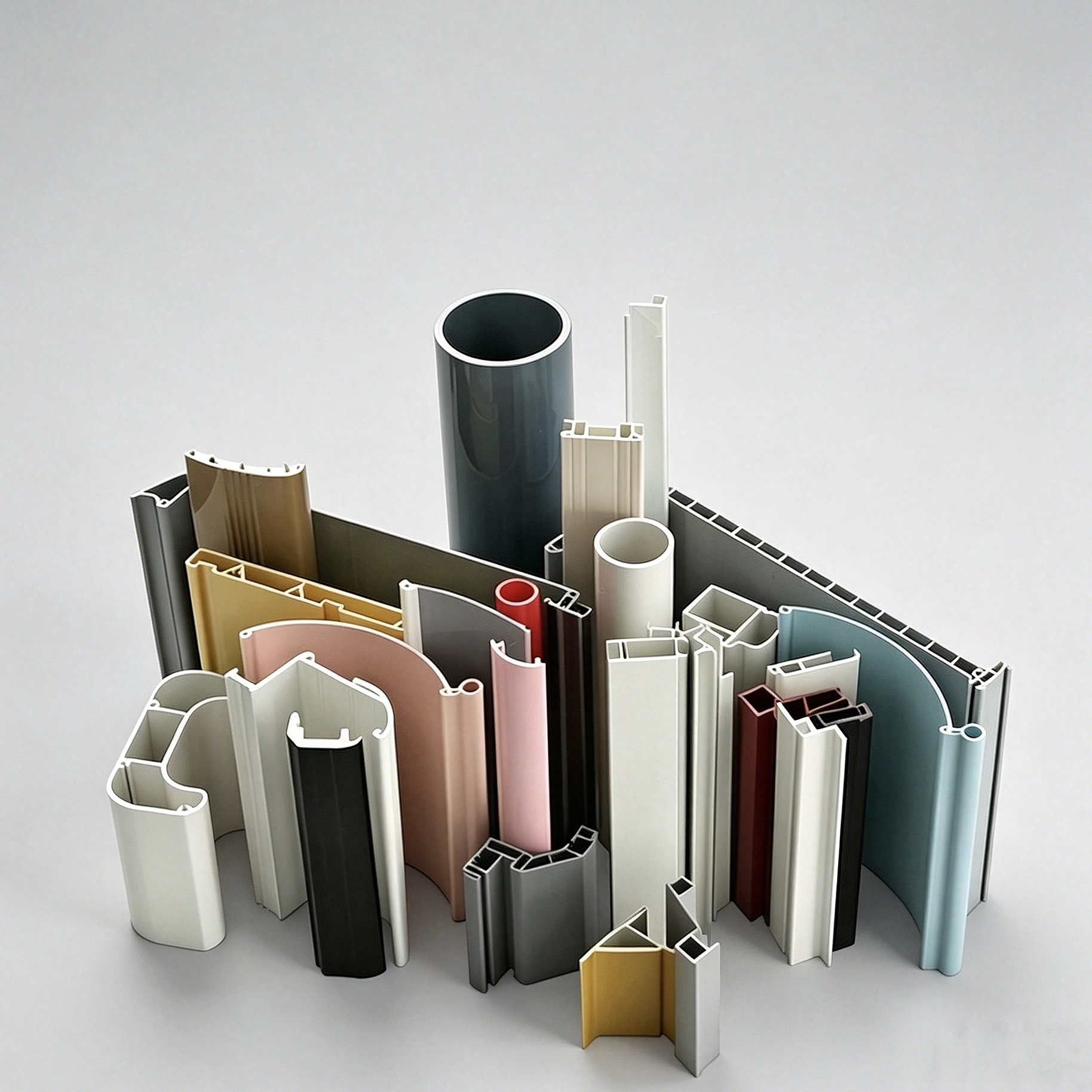
Key Technical Performance Advantages
Incorporating OPE wax into PVC formulations offers specific and quantifiable advantages in the production of PVC products:
1. Delayed Plasticization and Widened Processing Window: OPE wax can slightly delay the plasticization process during the initial stages of processing, shifting the gel point deeper into the barrel. This prevents premature cross-linking or overheating near the feed section, thereby allowing for higher screw speeds and increased production efficiency.
2. Excellent Metal Release Properties: It minimizes the risk of “plate-out” (additive accumulation) on the die and calibration sleeve. This reduces downtime associated with equipment cleaning and ensures the continuous operation of high-output production lines.
3. Enhanced Surface Quality: By controlling melt fracture and eliminating “stick-slip” phenomena at the die exit, OPE wax imparts high gloss, uniform wall thickness, and a smoother surface finish to the final extruded products (whether sheets, pipes, or profiles).
4. Preservation of Physical Properties: Unlike the excessive use of low-melting-point lubricants (such as stearic acid), high-density OPE wax features a high melting point and superior thermal stability. It does not compromise the Vicat softening temperature, impact strength, or tensile properties of the final PVC products.
MK-2021 Oxidized Polyethylene Wax (OPE Wax)
Internal and external composite lubricant with excellent lubrication performance, providing both plasticization and mold release effects.
1.Application Fields & Suitable Products:
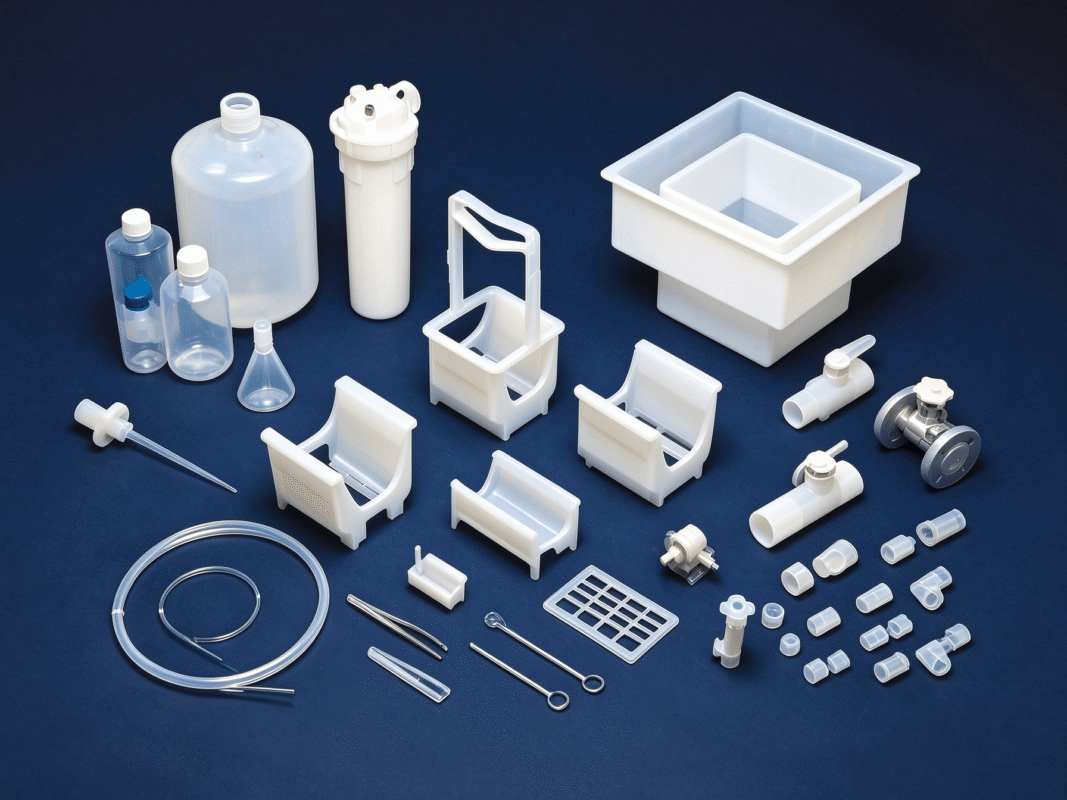
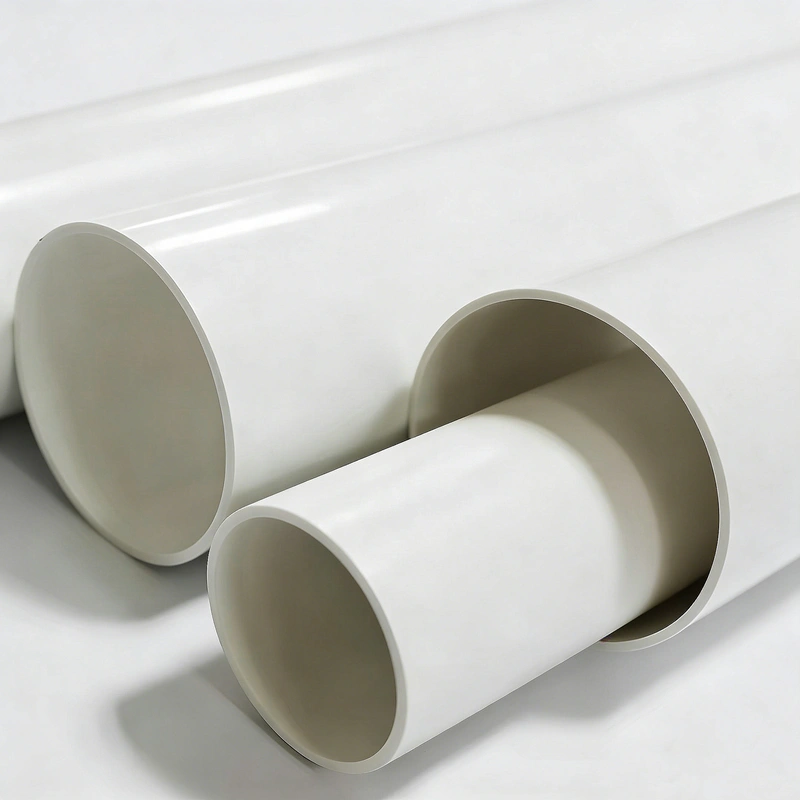
- Pipes & Fittings: PVC / UPVC / CPVC water supply and drainage pipes、Electrical conduits、Injection-molded pipe fittings
- Flooring: SPC flooring、WPC flooring、LVT base and surface layers
- Boards & Sheets: Rigid PVC sheets、Wood-plastic composite boards、Carbon crystal panels、Co-extruded boards、Advertising foamed boards、Foamed wall panels、Door panels、Furniture and sanitary boards
- Profiles: Edge banding strips、Blinds、Skirting boards、Synthetic resin tiles、Various extruded profiles
- Other Applications: Foamed mats、PVC injection/blow-molded shoe soles、Foamed leather、Cable insulation、Cable sheathing compounds、Masterbatches
2.Product Functions & Advantages
Offers superior internal and external lubrication, improving melt flow; exhibits excellent thermal stability; promotes uniform plasticization in highly filled systems and enhances compatibility with polar polymers; provides outstanding dispersion of pigments and fillers with minimal risk of blooming or exudation; improves surface gloss, smoothness, and printability/laminating performance, while enhancing the product’s appearance and mechanical stability; reduces extrusion torque and increases production speed; offers good chemical resistance; extends mold service life; and is non-toxic and eco-friendly, making it compatible with calcium-zinc stabilizer systems.
This guide covers key information regarding the chemical properties, production, and applications of oxidized polyethylene wax. For specific formulation recommendations, please consult the supplier’s technical data sheet (MK-2021 OPE Wax) and conduct testing within your own system, as subtle differences in molecular structure between brands can significantly affect performance.

OPE Wax Dosage Guidelines
Although OPE wax is highly effective, its dosage must be precisely controlled. Due to its potent performance, the required dosage is typically much lower than that of standard PE wax or stearic acid.
1. Typical dosage: In standard rigid PVC formulations, the dosage is 0.05 to 0.3 phr (parts per hundred parts of resin).
2. Risk of Overdosage: Excessive OPE wax can lead to over-plasticization, thereby reducing the polymer’s melt strength. In foaming applications, this may cause the cell structure to collapse, resulting in large voids or surface waviness; additionally, it may lead to the formation of “exudates” (i.e., deposit buildup) on the mold.
3. Synergistic Combination: It is recommended to use this product in combination with non-polar lubricants (such as MK-103 PE wax or paraffin wax) and internal lubricants (such as MK-102 stearic acid or glyceryl monostearate/GMS) to establish a well-balanced lubrication system.
The actual dosage depends on the resin type, filler loading, processing conditions, and the required balance between internal and external lubrication.
Summary
With its unique properties combining lubrication, dispersion, and compatibility, OPE wax has become an indispensable additive in modern PVC processing. By optimizing processing efficiency and product quality, OPE wax enables manufacturers to boost productivity while reducing overall production costs.
FAQ:
Q: How do PVC lubricants affect the transparency of the final product?
Internal lubricants generally maintain high product transparency due to their good compatibility with the resin. In contrast, if external lubricants migrate excessively to the surface, they can cause the product to become cloudy or develop “haze.”
Q: How does ambient temperature affect the lubrication performance of PVC?
High ambient temperatures in the factory may slightly reduce the cooling efficiency of the barrel. This might necessitate a slight increase in external lubrication to prevent mold sticking, or a reduction in internal lubrication to control the melt temperature.
Q: Is OPE wax required for all PVC products?
The use of OPE wax is strongly recommended for PVC products requiring high-speed extrusion or featuring complex cross-sections. While standard PE wax may suffice for simple, thick-walled PVC products, OPE wax offers a wider processing window.
Reference Sources:
Specialchem – “Lubricants for PVC: Internal vs External” :https://polymer-additives.specialchem.com
Vinyl Plus (The European PVC Excellence Programme) – “Additives in PVC”:https://vinylplus.eu/
British Plastics Federation (BPF) – Introduction and Classification of Additives:https://www.bpf.co.uk