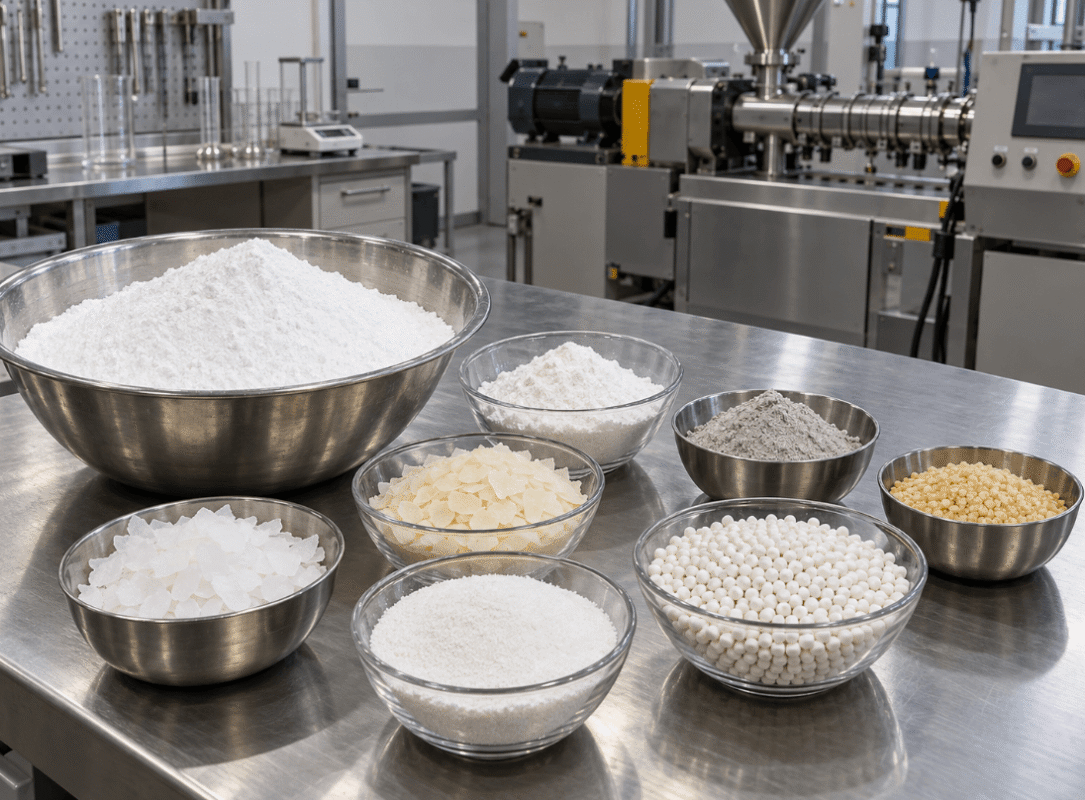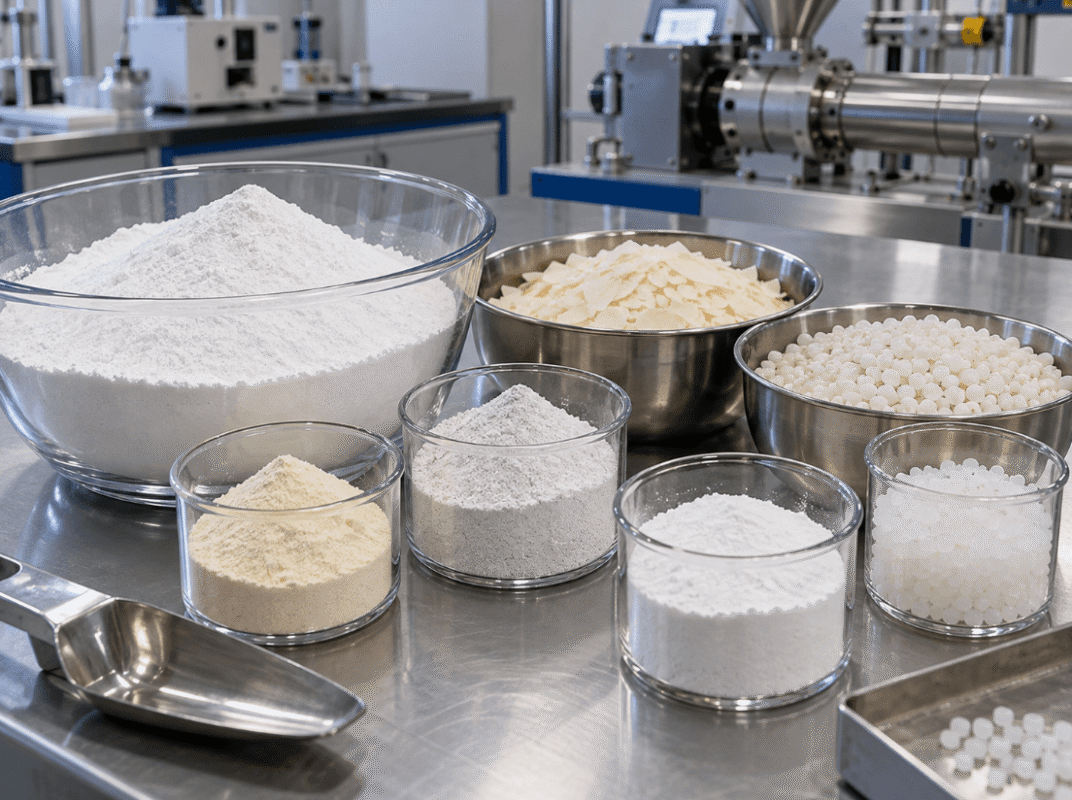

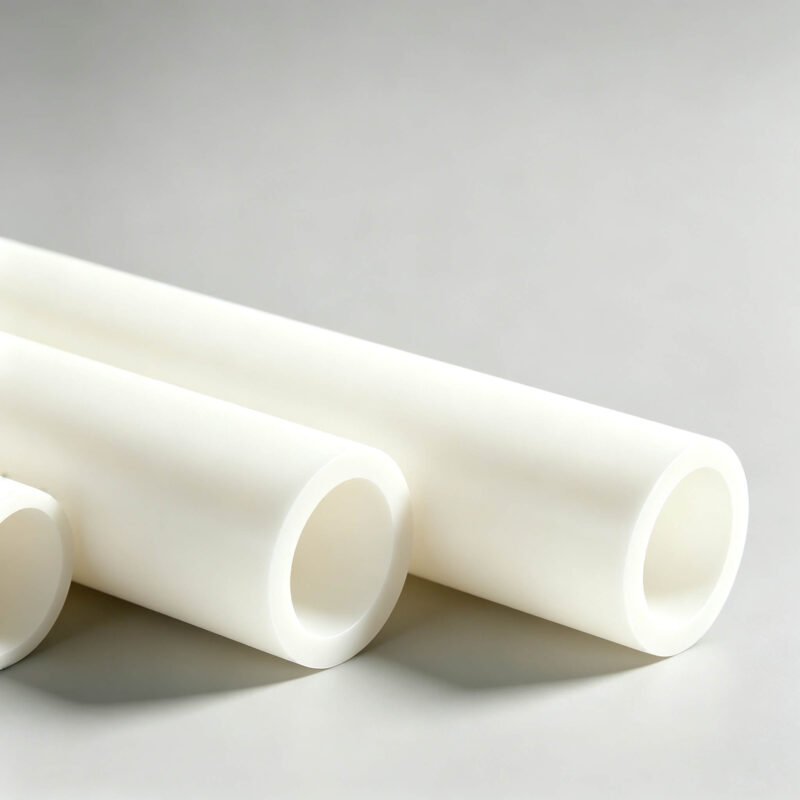
PVC pipe manufacturing depends on a carefully balanced additive system to achieve the mechanical strength, impact resistance, and processing stability that end-use applications demand. Whether producing potable water pipes, drainage systems, or industrial conduits, the choice of PVC additives for pipes directly determines product compliance, production efficiency, and overall cost structure. This guide breaks down each additive category, compares stabilizer systems, and outlines practical selection criteria for compounders and procurement teams.
What Are PVC Additives for Pipes and Why They Matter
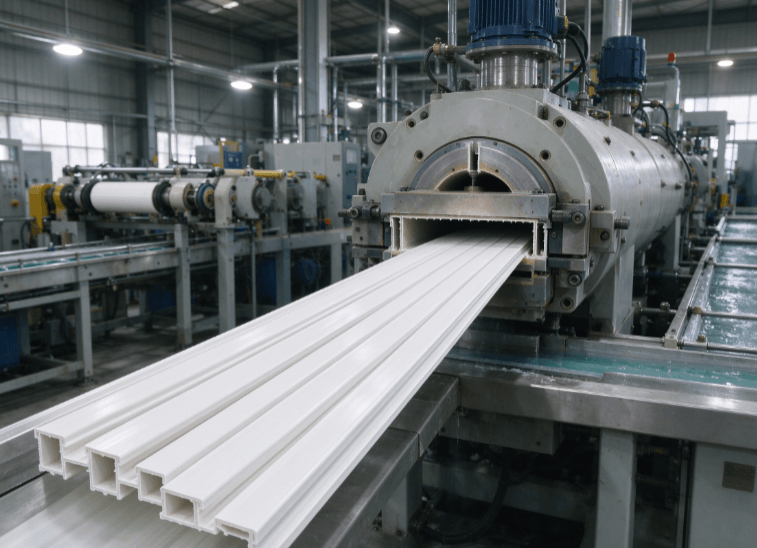
PVC additives for pipes are functional chemicals blended with PVC resin to transform a rigid, heat-sensitive polymer into a processable, durable pipe product. Pure PVC resin degrades rapidly above 160°C, releasing hydrogen chloride that accelerates chain scission. Without stabilizers, lubricants, and impact modifiers, the resin cannot survive extrusion—let alone meet long-term service requirements.
In pipe production, the additive package typically accounts for 5–15% of total compound weight. Yet this small percentage governs nearly every performance metric: hydrostatic burst pressure, impact toughness at low temperatures, surface finish, dimensional stability, and weathering resistance. For manufacturers targeting ASTM D1784 or ISO 1452 compliance, the additive formulation is not optional—it is the foundation of certification.
The challenge for compounders is not simply finding additives that work, but selecting the right combination for a specific pipe application, processing equipment, and regulatory market. A stabilizer optimized for potable water pipe may be unsuitable for electrical conduit; a filler strategy that works for drainage pipe may compromise pressure-rated systems.
Key Additive Categories in PVC Pipe Formulations
A typical rigid PVC pipe compound contains six functional additive groups. Each serves a distinct purpose, and their interactions are highly synergistic—a change in one category often requires re-balancing the entire formulation.
Heat stabilizers prevent thermal degradation during extrusion by neutralizing released HCl and replacing labile chlorines on the polymer chain. The three dominant systems are:
- Calcium-zinc (Ca/Zn): Lead-free, widely used in potable water and eco-compliant pipes; dosage 2.5–4.0 phr
- Organotin (methyltin, octyltin): Superior thermal stability and color retention; dosage 1.5–3.0 phr; higher unit cost
- Composite lead salts: Lowest cost, still used in non-potable drainage pipes where regulations permit; increasingly restricted
Impact modifiers absorb fracture energy, preventing brittle failure during handling, installation, and service. CPE (chlorinated polyethylene) dominates cost-sensitive pipe applications. ACR (acrylic) modifiers offer superior weathering resistance for outdoor conduits. MBS terpolymers provide high transparency for specialized applications.
Processing aids (typically acrylic-based) promote uniform gelation, improve melt strength, and reduce surface defects like shark-skin. They are essential for thin-wall and corrugated pipe production where flow consistency is critical.
Lubricants are divided into internal (reducing inter-chain friction to promote fusion) and external (reducing melt-to-metal adhesion for clean die release). Common materials include stearic acid, calcium stearate, paraffin wax, and oxidized polyethylene wax.
Fillers—primarily calcium carbonate—increase stiffness and reduce compound cost. For pressure pipes, filler loading stays below 10 phr to preserve impact strength. For non-pressure drainage pipes, loadings of 20–40 phr are standard.
Pigments such as titanium dioxide provide UV screening and color identification. Grey and white are standard for water and conduit pipes.
| Additive Category | Typical Dosage (phr) | Primary Function | Cost Impact |
|---|---|---|---|
| Heat stabilizer | 1.5–4.0 | Thermal protection, HCl scavenging | Moderate–High |
| Impact modifier | 6–12 | Toughness, crack resistance | High |
| Processing aid | 1–2 | Melt uniformity, surface quality | Low–Moderate |
| Lubricant (int./ext.) | 0.5–2.5 | Friction control, die release | Low |
| Filler (CaCO₃) | 5–40 | Stiffness, cost reduction | Low (saves cost) |
| Pigment (TiO₂) | 1–4 | UV protection, coloration | Low–Moderate |
How to Select Stabilizers for Different Pipe Applications
Stabilizer selection is the single most consequential decision in a PVC pipe formulation. It determines processing safety, regulatory compliance, and whether the finished pipe can pass certification testing in target markets.
Potable water pipes (ISO 1452, NSF-61): Calcium-zinc stabilizers are the industry standard. They are non-toxic, meet heavy-metal migration limits, and provide adequate thermal stability for twin-screw extrusion.
Industrial pressure pipes (ASTM D4396): Both Ca/Zn and organotin systems are viable. Organotin’s superior long-term thermal stability makes it attractive for high-temperature applications where extended processing cycles or higher die temperatures are expected.
Drainage and sewer pipes: Cost-sensitive applications historically used composite lead stabilizers. However, EU Directive 2011/65/EU (RoHS) and REACH regulations effectively prohibit lead stabilizers in pipes sold to European markets. The global trend toward lead-free systems is accelerating across all pipe categories.
Electrical conduit pipes: Organotin stabilizers are frequently selected for their dielectric properties and color stability. For outdoor conduits, pairing organotin with an acrylic impact modifier and TiO₂ pigment provides the UV resistance needed for long-term weathering performance.
Key selection factors include:
- Target market regulatory framework (RoHS, REACH, NSF)
- Extrusion equipment type (twin-screw vs. single-screw)
- Required service temperature range
- Cost sensitivity versus performance requirements
- Color and transparency specifications
In production environments running multiple pipe grades, many compounders standardize on a single Ca/Zn stabilizer system and adjust dosage rather than switching stabilizer families between products—reducing changeover risk and simplifying inventory management.
Cost Drivers and Performance Tradeoffs in PVC Pipe Compounds
PVC pipe formulations face a constant tension between performance and cost. Understanding where money goes—and where compromises can or cannot be made—separates efficient compounders from those struggling with defect rates and failed certifications.
The stabilizer system is typically the most expensive additive per kilogram, but dosage is relatively low. Impact modifiers represent the largest additive cost by volume because they are dosed at 6–12 phr. Reducing impact modifier below 6 phr saves material cost but risks brittle failure during drop-impact testing—a common cause of batch rejection and customer complaints.
Filler loading is the primary lever for cost reduction. Increasing calcium carbonate from 10 to 30 phr reduces compound cost significantly, but each increment reduces impact strength and pressure resistance. For drainage pipes where these properties are less critical, higher filler loadings are a legitimate strategy. For pressure pipes, exceeding 10 phr filler is generally not recommended.
Lubricant balance is another area where cost-cutting backfires. Insufficient external lubricant causes melt sticking, die buildup, and surface defects—leading to scrap rates that erase any additive savings. In high-volume production, a modest investment in optimized lubricant systems typically returns multiples of its cost through reduced rejects.
Practical cost-optimization guidelines:
- Do not reduce stabilizer below the minimum for your extrusion temperature profile
- Maintain impact modifier at ≥6 phr for pressure and outdoor pipe applications
- Use surface-treated calcium carbonate for better dispersion at high loadings
- Invest in rheometer testing to optimize lubricant balance per formulation
- Standardize stabilizer across product lines to reduce inventory complexity
Evaluating PVC Additive Suppliers for Pipe Manufacturing
Selecting a PVC additive supplier requires evaluating beyond unit price. The additive package is an integrated system—stabilizer, lubricant, and processing aid must work synergistically. Suppliers who offer full additive packages rather than single products can provide formulation support that reduces trial-and-error during compound development.
Key supplier evaluation criteria:
- Technical support capability: Formulation optimization, rheological testing, and troubleshooting assistance
- Product consistency: Batch-to-batch variation in stabilizer active content directly impacts processing stability
- Compliance documentation: RoHS, REACH, and NSF test reports should be available on request
- Lead time and logistics: For export-oriented manufacturers, 2–4 week lead times are typical from Chinese producers; plan inventory accordingly
- Customization: Tailor-made stabilizer-lubricant one-pack systems matched to specific extrusion equipment
Suppliers such as MKQ Chemical provide industry-specific additive solutions for pipe applications, including Ca/Zn stabilizer systems, PE waxes, and processing aids designed for PVC extrusion. When evaluating suppliers, request technical data sheets, order sample quantities for trial runs, and verify that the additive system has been validated in comparable pipe applications. A supplier’s ability to recommend a complete formulation—not just sell individual additives—is often more valuable than marginal price differences.
For pipe manufacturers targeting multiple export markets, working with a supplier who understands both lead-free regulatory requirements and the practical demands of twin-screw extrusion can significantly shorten the path from formulation to certified production.
FAQ
What are the most important PVC additives for pipe manufacturing?
The five critical categories are heat stabilizers (Ca/Zn or organotin), impact modifiers (CPE or ACR), processing aids, lubricants (internal and external), and fillers (calcium carbonate). Stabilizers prevent thermal degradation during extrusion; impact modifiers provide toughness; lubricants ensure smooth melt flow and clean die release.
How much stabilizer should be added to a PVC pipe formulation?
Calcium-zinc stabilizers are typically dosed at 2.5–4.0 phr (parts per hundred resin). Organotin stabilizers require 1.5–3.0 phr. Exact dosage depends on extrusion type, temperature profile, and pipe application. Twin-screw extrusion generally requires less stabilizer than single-screw due to shorter heat exposure time.
Are lead-based stabilizers still used in PVC pipes?
Composite lead stabilizers remain in use for non-potable drainage pipes in markets where local regulations permit. However, EU RoHS and REACH directives restrict lead in pipes sold to European markets, and the global trend is toward calcium-zinc systems. Most export-oriented manufacturers have already transitioned to lead-free stabilizers.
What is the difference between CPE and ACR impact modifiers for pipes?
CPE (chlorinated polyethylene) is more cost-effective and widely used in standard pipe applications. ACR (acrylic) modifiers offer superior weathering resistance and long-term impact retention, making them preferred for outdoor and high-performance pipe applications. ACR is generally more expensive per kilogram but may justify its cost in demanding environments.
How does filler loading affect pipe performance?
Calcium carbonate filler increases pipe stiffness and reduces cost but decreases impact strength and pressure resistance. For pressure pipes, filler should stay below 10 phr. Non-pressure drainage pipes can tolerate 20–40 phr. Surface-treated fillers disperse more uniformly and have less negative impact at higher loadings.
Reference Sources
- ASTM D1784-20: Standard Specification for Rigid Poly(Vinyl Chloride) (PVC) and Chlorinated Poly(Vinyl Chloride) (CPVC) Compounds for Plastic Pipe and Fittings Used in Nonpressure Applications.
- ASTM D4396-22: Standard Specification for Rigid PVC and CPVC Compounds for Plastic Pipe and Fittings Used in Nonpressure Applications.
- ISO 1452-2: Plastics piping systems for water supply and for drainage and sewerage under pressure — Poly(vinyl chloride) (PVC-U) — Part 2: Pipes.
- ISO 182-1: Plastics — Determination of the tendency of compounds and products based on vinyl chloride homopolymers and copolymers to evolve hydrogen chloride at elevated temperatures — Part 1: Congo red method.
- EU Directive 2011/65/EU (RoHS): Restriction of Hazardous Substances in electrical and electronic equipment.
- NSF/ANSI 61: Drinking Water System Components — Health Effects.
- ASTM D2115-04(2020): Standard Test Method for Oven Heat Stability of Poly(Vinyl Chloride) Compositions.