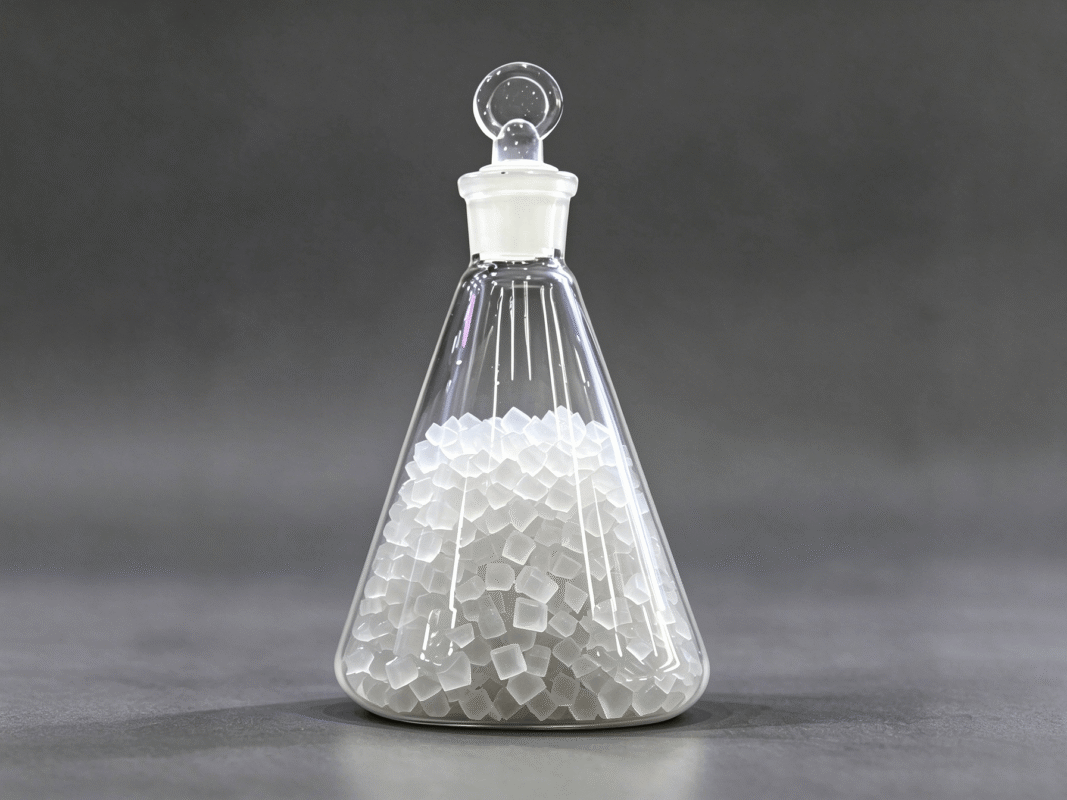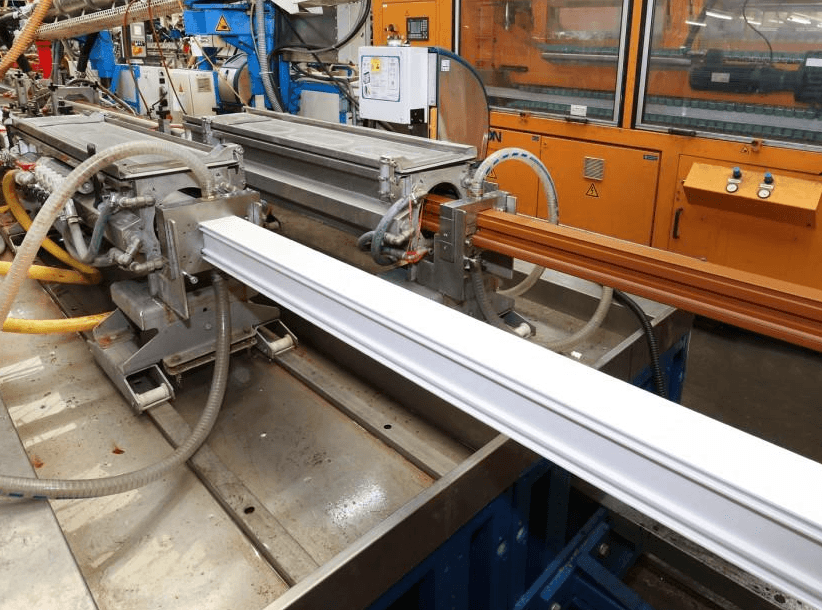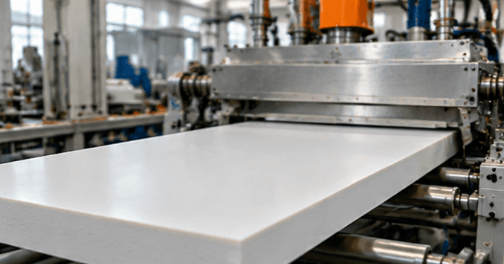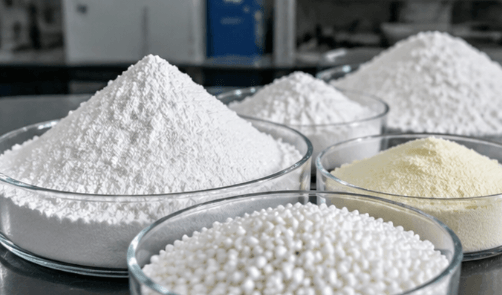

In the global PVC manufacturing industry, the choice of heat stabilizer is a critical decision that dictates both production efficiency and market accessibility. Heat stabilizers are essential additives that prevent the thermal degradation of PVC during extrusion and molding by scavenging hydrochloric acid (HCl). Historically, lead-based stabilizers dominated the market due to their exceptional efficiency and low cost.
However, shifting global regulations and the rise of ESG (Environmental, Social, and Governance) standards have accelerated the transition toward Calcium-Zinc (Ca-Zn) systems. For OEM project managers and B2B procurement consultants, understanding the technical trade-offs between calcium zinc stabilizer vs lead stabilizer is vital for optimizing formulations. This comparison analyzes the chemical mechanisms, processing characteristics, and application suitability of both systems.
Chemical Mechanisms and Thermal Stability
PVC is inherently unstable at the temperatures required for processing (typically 170°C to 210°C). Without stabilization, the polymer chains undergo dehydrochlorination, leading to “unzipping” of the molecule, which causes discoloration and loss of mechanical properties.
Lead Stabilizer Mechanism
Lead stabilizers, often supplied as basic lead sulfates or phthalates, react with HCl to form lead chloride (PbCl2). These stabilizers are remarkably “forgiving.” They offer a wide processing window, meaning they can handle fluctuations in temperature and residence time without sudden catastrophic failure. Their ability to scavenge HCl is superior, providing long-term heat stability that is difficult to match at the same price point.
Calcium-Zinc Stabilizer Mechanism
Calcium-Zinc systems utilize a synergistic effect between calcium soaps and zinc soaps. Zinc soaps act as the primary stabilizer by replacing labile chlorine atoms on the PVC chain, which provides excellent initial color. However, the resulting zinc chloride (ZnCl2) is a strong Lewis acid that can catalyze further degradation—a phenomenon known as “zinc burning.”
To mitigate this, calcium soaps and organic co-stabilizers are added to modern Ca-Zn formulations. The calcium component neutralizes the HCl and regenerates the zinc soap. Current chemical engineering has allowed these systems to achieve the stability levels required for high-speed manufacturing lines.
Which PVC Applications Should Use Calcium Zinc Stabilizer?
| PVC Application | Recommended Stabilizer Considerations |
| PVC Pipes | Environmental requirements, drinking water safety, long-term stability |
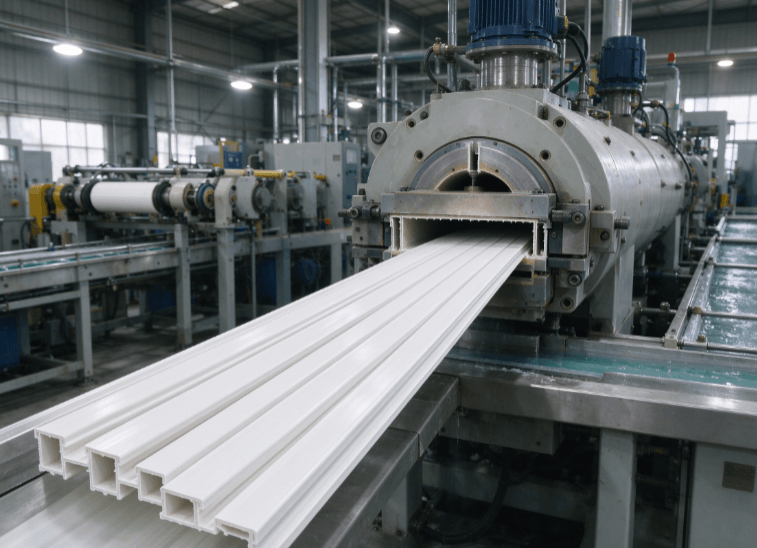
| PVC Profiles | Weather resistance, appearance, processing performance |
| PVC Cables | Electrical performance and thermal stability |
| PVC Sheets | Surface quality and processing efficiency |
Technical Performance Comparison Table
For engineers and manufacturing consultants, the following matrix outlines the primary operational differences between the two systems.
| Performance Metric | Lead-Based Stabilizer | Calcium-Zinc (Ca-Zn) Stabilizer |
| Initial Color | Moderate | Excellent (High Whiteness) |
| Long-term Heat Stability | Superior / Robust | Good (Requires Precision) |
| Processing Window | Wide and Forgiving | Narrow / Sensitive to Temp |
| Plate-out Tendency | Low | Higher (Requires Lubrication Balance) |
| Electrical Insulation | Excellent | Good (With specific additives) |
| Environmental Compliance | Non-compliant (RoHS/REACH) | Fully Compliant / Eco-friendly |
Processing Challenges and Lubrication Balance
One of the most significant hurdles in switching from lead to Ca-Zn is the management of the processing window. In high-volume production, lead stabilizers act as internal lubricants to some extent, making the melt flow more consistent.
When evaluating a high-performance Calcium-Zinc stabilizer, formulators often observe a higher “plate-out” effect. Plate-out occurs when additives migrate to the surface of the melt and deposit on the extruder die or calibration tools.
To solve this, specialized PVC stabilizer categories now offer “one-pack” solutions that include a precise balance of internal and external lubricants (such as PE waxes or stearic acids). Sampling delays may occur during transition, as engineers must often recalibrate the screw speed and temperature profiles of each heating zone to prevent localized overheating when moving away from lead-based systems.
Regulatory Landscape: RoHS and REACH Standards
Trustworthiness in the chemical supply chain is now defined by transparency and compliance. Lead stabilizers are being phased out globally due to their neurotoxicity and environmental persistence.
- RoHS (Restriction of Hazardous Substances): This directive strictly limits the use of lead in electrical and electronic equipment. Consequently, the cable and wire industry has almost entirely moved to compliant Calcium-Zinc stabilizers.
- REACH Regulation: Under the European REACH framework, several lead compounds are classified as Substances of Very High Concern (SVHC). This makes the export of lead-stabilized PVC products into EU markets increasingly difficult and legally risky.
For B2B buyers, sourcing from a reliable PVC stabilizer manufacturer like MKQ Chem ensures that their supply chain is future-proofed against evolving environmental mandates.
Calcium Zinc Stabilizer vs Lead Stabilizer: Cost Comparison
Important factors include:
- Initial material cost
- Processing efficiency
- Production stability
- Compliance requirements
- Long-term operating costs
Although calcium zinc stabilizers may have a higher initial cost in some cases, they can provide long-term benefits through improved environmental compliance and reduced regulatory risks.
Application Suitability and Industry Trends
The choice between calcium zinc stabilizer vs lead stabilizer often depends on the end-product’s mechanical and aesthetic requirements.
Potable Water Pipes
For drinking water infrastructure, lead is strictly prohibited. Ca-Zn stabilizers for pipes are the industry standard, offering non-toxic performance and meeting stringent leaching tests.
Window Profiles and Rigid Profiles
The window industry prioritizes “initial whiteness” and UV resistance. Modern Ca-Zn one-pack systems are engineered to provide superior weatherability, preventing the yellowing that can occur in high-UV environments.
Wire and Cable Insulation
Historically, lead was preferred for its dielectric properties. However, advancements in PVC additive engineering have resulted in Ca-Zn systems that match the electrical insulation requirements for high-voltage applications while ensuring full RoHS compliance.
FAQ
Why is Calcium-Zinc stabilizer more expensive than Lead?
The raw materials for Ca-Zn systems, including organic co-stabilizers and high-purity antioxidants, are more costly than the lead oxides. However, the Total Cost of Ownership is often lower when considering regulatory compliance and market access.
Does a switch to Ca-Zn stabilizer affect the strength of PVC pipes?
If the lubrication is balanced correctly, there is no significant difference. However, poor gelation caused by a mismatched Ca-Zn formulation can lead to brittle pipes that fail hydrostatic pressure tests.
Can I mix lead-stabilized and Ca-Zn stabilized scrap in recycling?
It is generally discouraged. Mixing the two systems can lead to “cross-contamination,” where lead and zinc chlorides interact, potentially accelerating degradation during the second processing cycle.
Reference Sources
- ISO 9001:2015: Quality management systems requirements for chemical manufacturing.
- REACH Regulation (EC No 1907/2006): European framework for chemical authorization.
- ASTM D1784: Standard Specification for Rigid Poly(Vinyl Chloride) (PVC) Compounds.
- RoHS Directive 2011/65/EU: Restriction of certain hazardous substances in electrical equipment.