
Polyvinyl chloride (PVC) is a versatile polymer utilized across countless industrial sectors. However, processing virgin PVC resin often presents significant challenges due to its high melt viscosity. Manufacturers typically rely on specific additives—specifically lubricants—to enhance flow properties and prevent degradation; in the modern plastics industry, PE wax stands out as one of the most effective external lubricants available. In the following chapters, we will explore the relevant properties of PE wax vs paraffin wax. Gaining a deeper understanding of these characteristics will assist engineers in optimizing formulations, thereby enhancing cost-effectiveness.
PE Wax vs Paraffin Wax
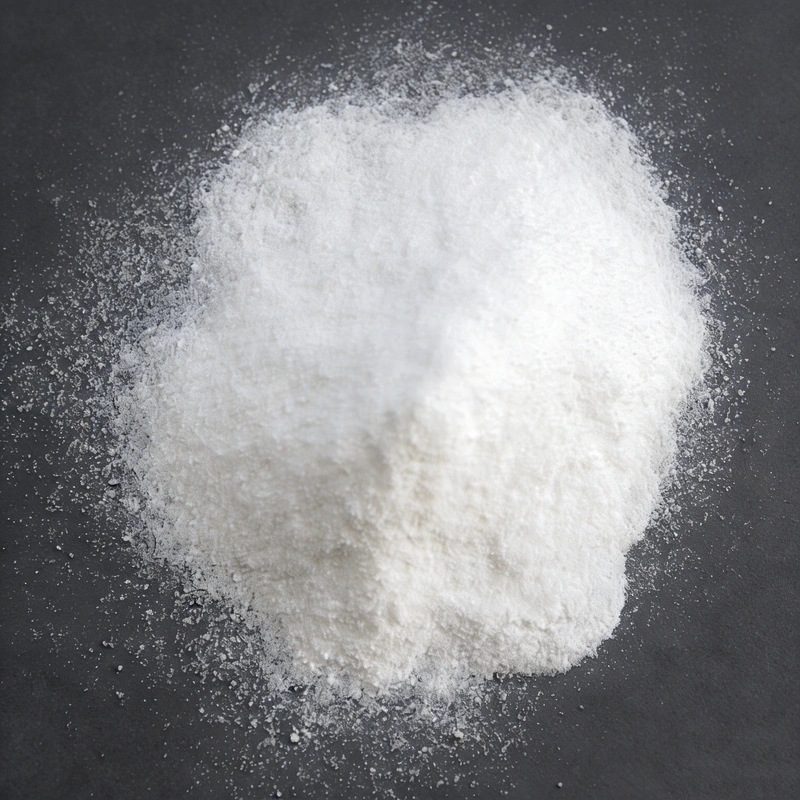
Polyethylene wax (also known as PE wax) is a synthetic wax produced through the polymerization or degradation of polyethylene. Its key characteristics include a high melting point, excellent hardness and gloss, superior dispersion properties, and exceptional thermal stability; furthermore, it provides outstanding lubrication effects during PVC processing. Common application areas encompass a wide range of PVC products, such as pipes and fittings, masterbatches, sheets and plates, profiles, foamed products, and wires and cables.
Paraffin wax is a petroleum-derived wax composed primarily of straight-chain hydrocarbons. Its main characteristics include low cost, ease of processing, a relatively low melting point, and good water resistance. Common applications include candles, packaging materials, crayons, polishes, moisture-resistant coatings, and low-end lubrication systems.
PE Wax vs Paraffin Wax: A Quick Comparison
Although manufacturers widely utilize both PE wax and paraffin as petroleum-derived lubricants and processing aids, these two materials exhibit starkly different behaviors under conditions such as high temperatures. Their differing molecular weights and chain structures drive this fundamental distinction, directly determining their thermal stability, lubrication mechanisms, and other performance characteristics.
| Properties | Paraffin Wax | PE Wax |
| Molecular Structure | Linear Alkane | Polyethylene Chain |
| Molecular Weight | Low | High |
| Melting Point | Lower melting point | Higher melting point |
| Thermal Stability | Poor; prone to volatilization/decomposition at high temperatures | Excellent; capable of withstanding elevated processing temperatures |
| Lubricating Function | High-Flow External Lubricant | Balanced External Lubricant (Featuring a Mild Synergistic Internal Lubricating Effect) |
| Hardness | Soft and elastic in texture, and inherently more flexible. | Hard and tough, providing excellent scratch and wear resistance. |
| Surface Finish | Possesses a distinctive oily tactile feel and a soft texture. | Imparts a smooth, glossy finish to surfaces, without any sticky sensation. |
The Principle of Synergy: In many rigid PVC formulations—particularly those designed for profiles and foamed sheets—formulators typically employ these two lubricants in a synergistic combination. Specifically, paraffin wax primarily provides external lubrication during the low-temperature phase and the initial stages of processing; subsequently, PE wax takes over lubrication duties in high-temperature and high-shear zones. This combined action ensures a continuous, smooth production flow while effectively preventing material accumulation within the mold.
Selecting High-Quality PE Wax for Production
Selecting the appropriate grade of PE wax requires a thorough understanding of your production equipment. Not all waxes perform identically across every extrusion equipment configuration; you must match the specific characteristics of the wax to your precise temperature and pressure requirements.
During the material selection process, wax purity is a critical consideration. Impurities can trigger “plate-out”—the gradual accumulation of residues on the extrusion die. This buildup not only causes surface defects in the finished product but also necessitates frequent production line shutdowns for cleaning.
When tailoring the choice to your specific PVC formulation, evaluating the wax’s viscosity and melting point is essential. If the melting point is too low—causing the wax to melt prematurely—it may lead to slippage within the feeder; conversely, if the melting point is too high—resulting in delayed melting—the wax will fail to provide adequate lubrication.
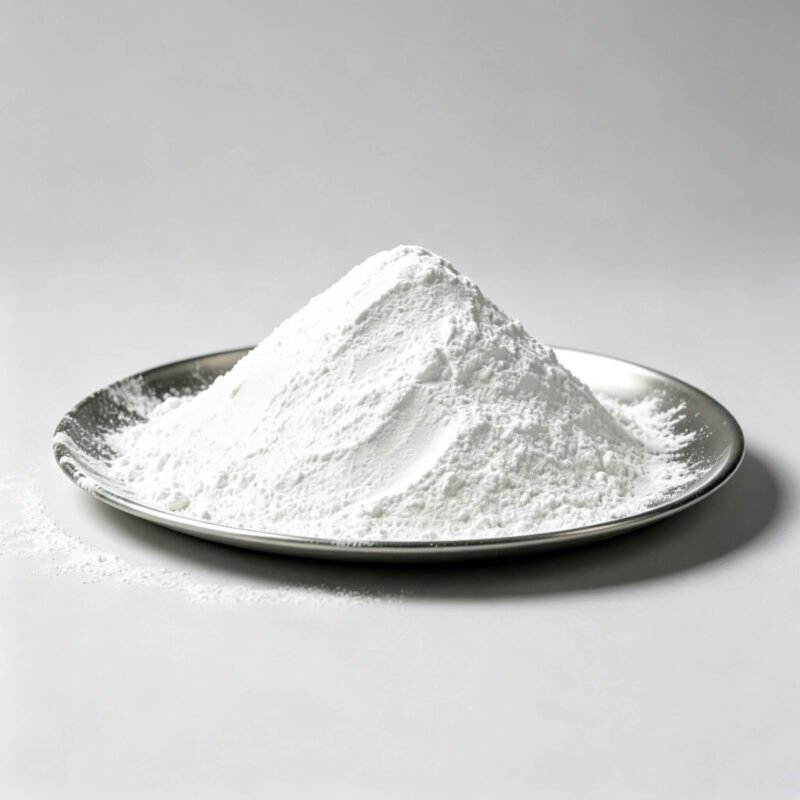
MK-103 Polyethylene Wax (PE Wax)
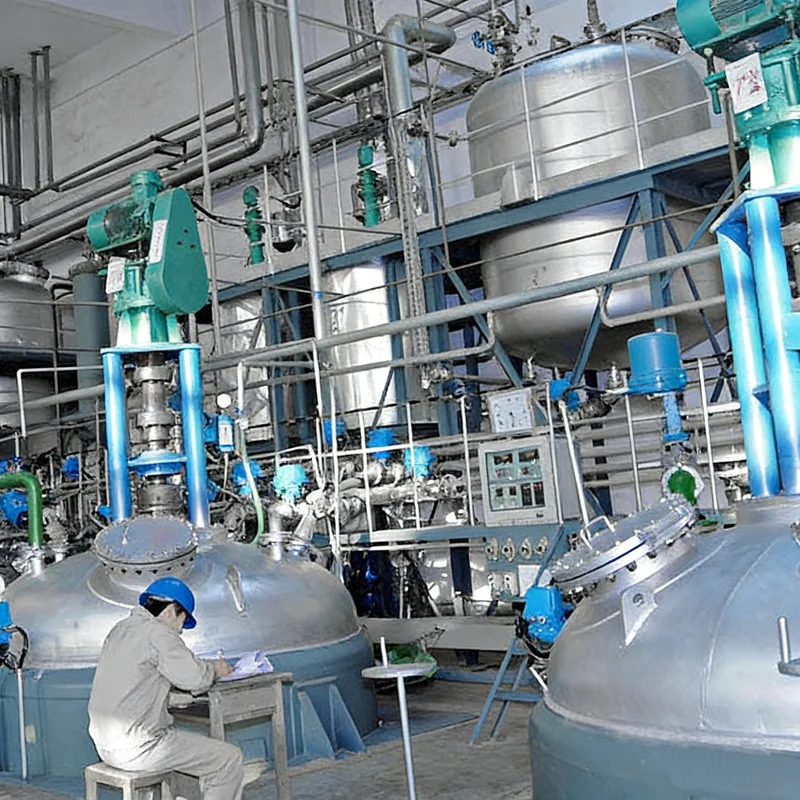
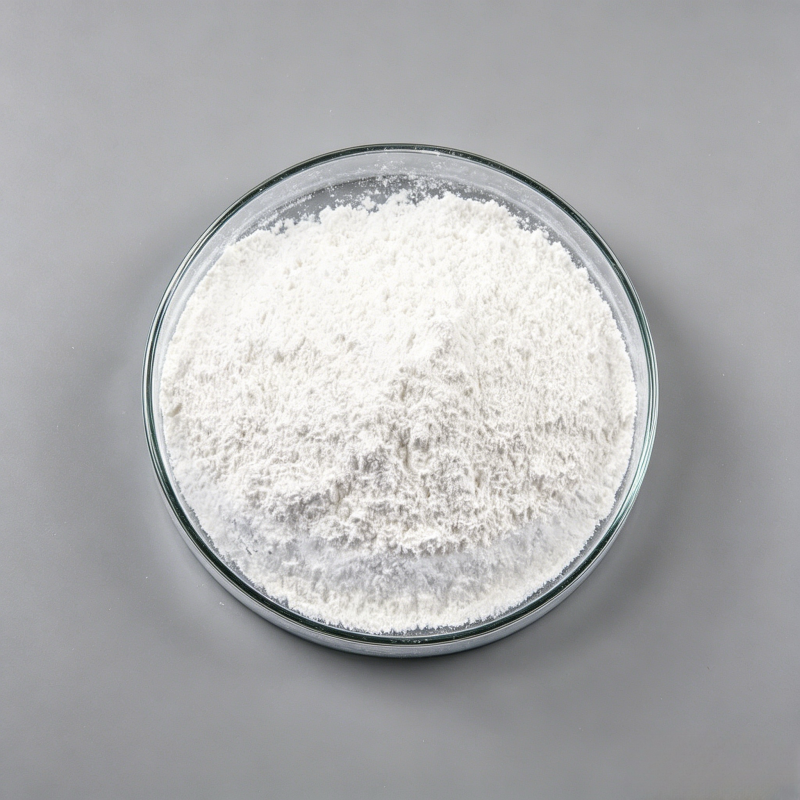
Produced using high-quality ethylene polymerization byproducts or low-molecular-weight polyethylene as raw materials—processed through cracking, refining, decolorization, filtration, condensation, and ultrafine pulverization—this product features a moderate molecular weight, strong lubricity, and excellent mold-release properties. As a quintessential external lubricant, its primary functions are mold release, anti-sticking, and imparting surface smoothness. Its application fields and applicable products are as follows:
- Pipes & Fittings: PVC/UPVC/CPVC pipes, electrical conduits, injection-molded pipe fittings.
- Flooring Products: SPC flooring, WPC flooring, LVT flooring substrates.
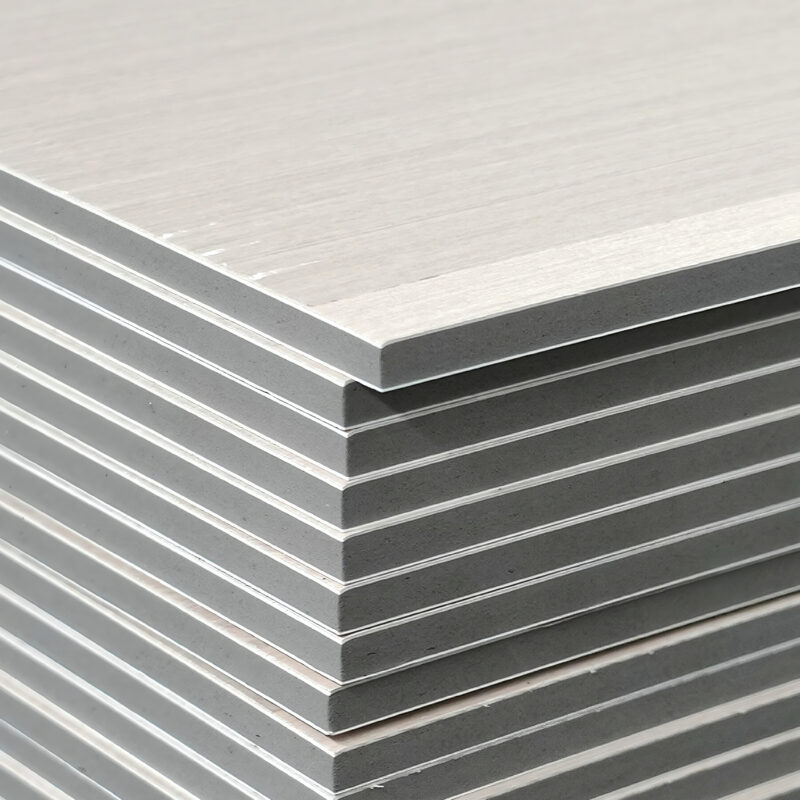
- Sheet Series: PVC sheets, wood-plastic composite (WPC) sheets, carbon-crystal sheets, foamed sheets, advertising foam boards, co-extruded sheets, door panels, and interior/bathroom panels.
- Profiles: Edge banding strips, general profiles, window blinds/louvers, skirting boards, resin roof tiles.
- Wires & Cables: Cable insulation layers, cable sheathing compounds, masterbatches.
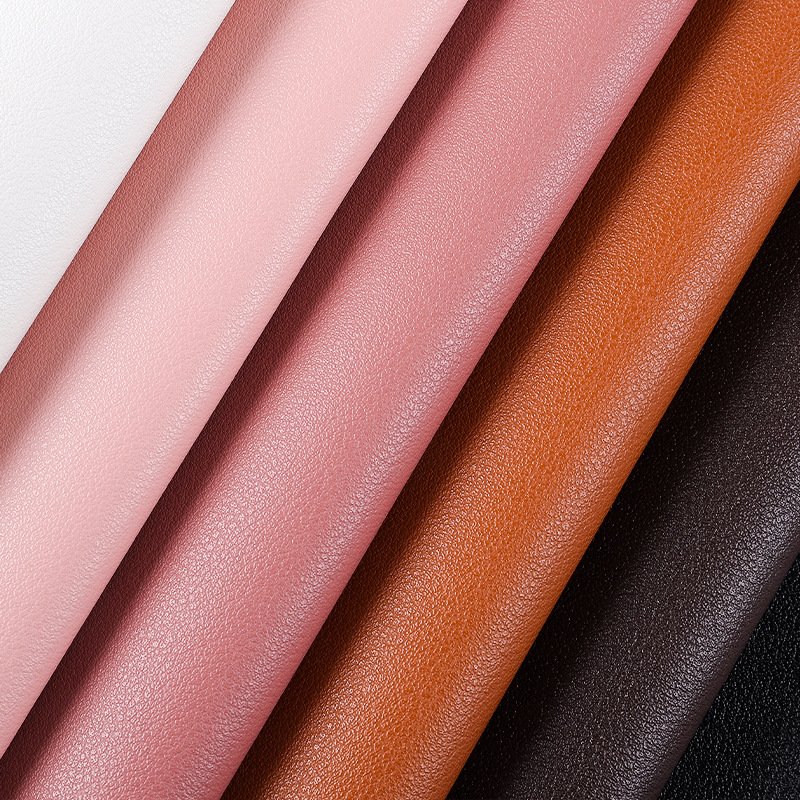
- Other Products: Foamed floor mats, PVC injection-molded/blow-molded shoe soles, foamed leather.
Product Functions & Advantages: Provides strong external lubrication; significantly reduces friction between the polymer melt and metal surfaces; prevents sticking to rollers and molds; enhances surface smoothness and gloss; improves mold-release efficiency; boosts production stability; exhibits excellent chemical and thermal stability; does not compromise the weather resistance of finished products; offers superior dispersibility; does not interfere with post-processing operations such as printing, lamination, or hot stamping; presents significant cost advantages; and is highly compatible with both high-filler and general-purpose PVC extrusion and injection molding systems.
Summary
Ultimately, the specific requirements of your application dictate the choice between PE wax and paraffin wax. Manufacturers highly favor paraffin wax as a traditional, general-purpose solution because it offers excellent flexibility and moisture resistance; they often regard it as the preferred choice for producing candles and basic packaging materials. In contrast, PE wax acts as a high-performance additive; in the modern PVC manufacturing sector—particularly for high-throughput extrusion lines—it has emerged as the more widely favored solution, thanks to its superior lubrication efficiency and thermal stability. Furthermore, processors frequently combine these two types of wax to achieve an optimal balance between performance and cost.
FAQ
Q: Why is PE wax the preferred choice for PVC processing?
PE wax offers superior external lubrication effects, effectively preventing the PVC melt from adhering to equipment surfaces. Furthermore, it provides enhanced thermal stability, a wider processing window, and higher production efficiency.
Q: Under what circumstances should manufacturers select PE wax?
Please choose PE wax if you have the following requirements: the production of rigid PVC products; the need for high-speed extrusion processing; high standards for the surface quality of the finished product; high demands regarding heat resistance, scratch resistance, and wear resistance; or strict requirements for lubrication performance and long-term process stability.
Q: Under what circumstances should manufacturers select paraffin wax?
Please choose paraffin wax if your application scenario exhibits the following characteristics: a limited budget with moderate requirements for product quality; a non-critical application context; extremely low requirements for lubrication performance; or use within flexible or lower-end PVC formulations.
Reference Sources
Plastics Industry Association (PLASTICS): https://www.plasticsindustry.org/
SpecialChem – Polymer Additives Database:https://polymer-additives.specialchem.com/
ScienceDirect – Polymer Science Research: https://www.sciencedirect.com/