
Polyvinyl chloride (PVC) is a versatile plastic utilized across numerous industries. However, given the inherent processing difficulties associated with raw PVC resin, the use of additives is essential to enhance its performance. As key additives, processing aids and impact modifiers exert a profound influence within the PVC matrix, significantly improving the material’s processing efficiency, mechanical properties, surface quality, and long-term durability.
Processing Aid
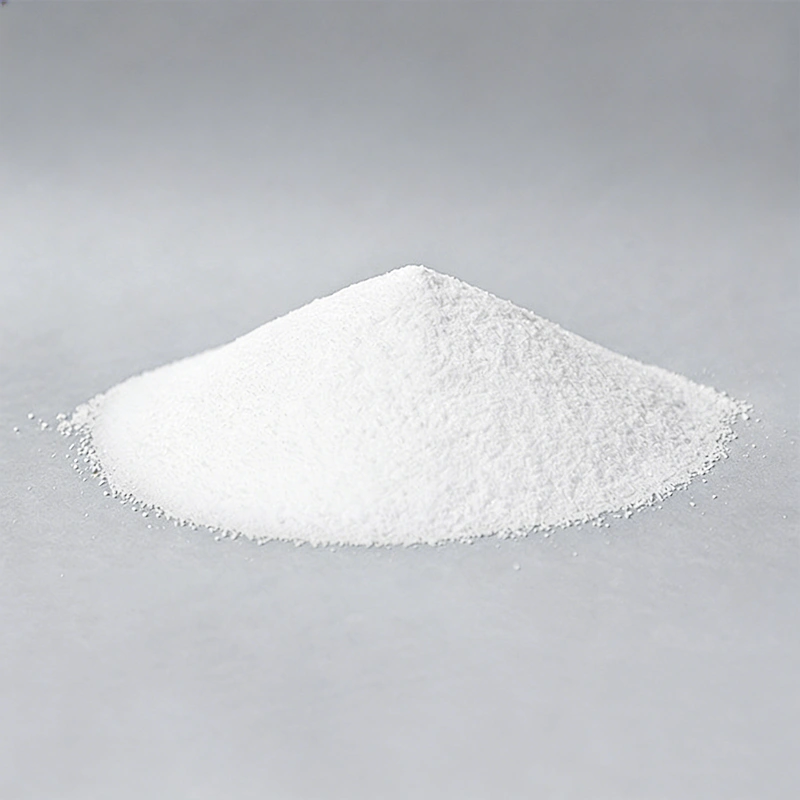
Processing aids serve to increase friction between PVC particles, accelerating their breakdown and fusion to facilitate a more rapid transformation into a homogeneous melt. Furthermore, they help eliminate surface defects—such as the “shark skin” effect or melt fracture—and enhance the surface gloss of finished products. Additionally, they promote the formation of internal cellular structures in foamed PVC, thereby playing a significant role in improving processing performance and boosting production efficiency.
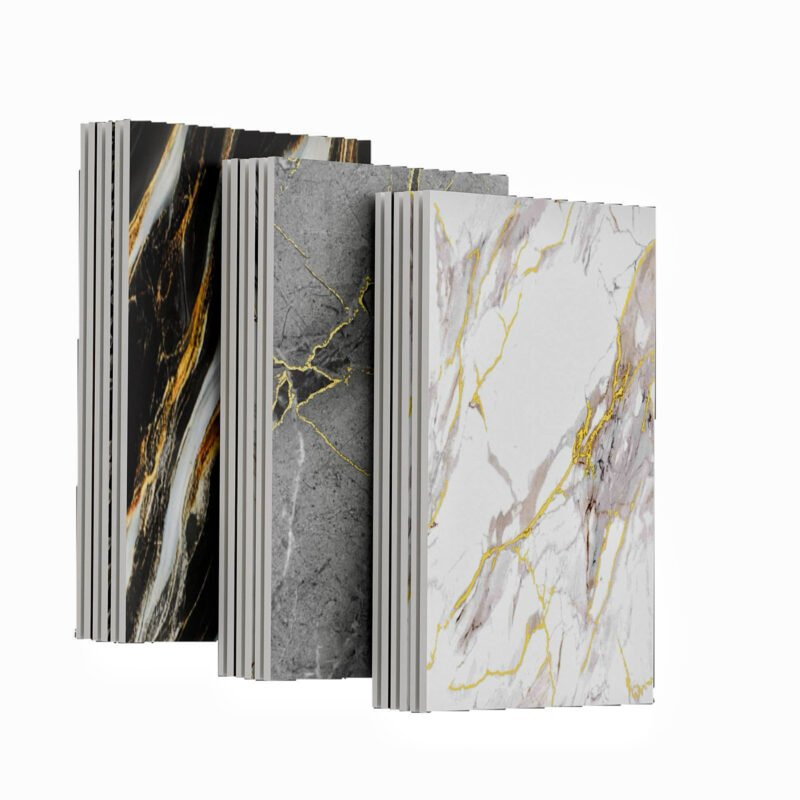
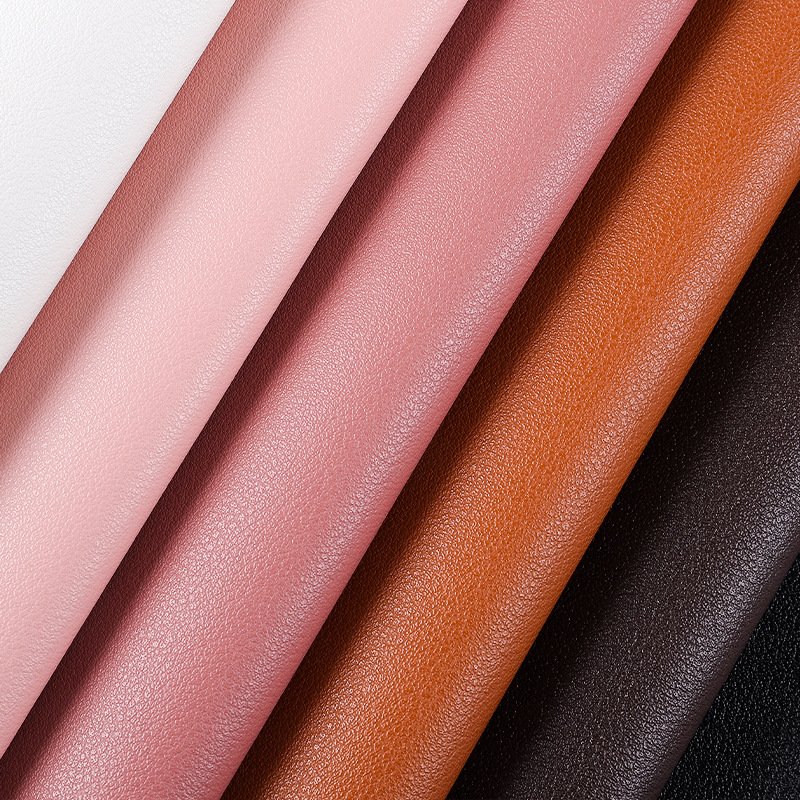
Common application areas include: PVC foam boards, sheets, pipes and fittings, Wood-Plastic Composite (WPC) products, door and window profiles, and wall panels.
Impact Modifier
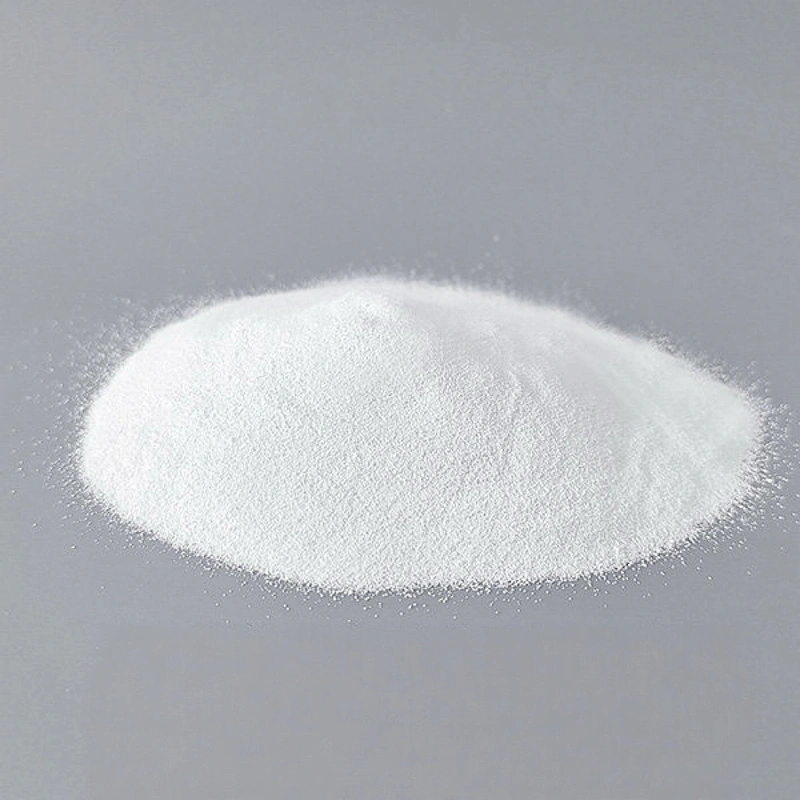
Unmodified PVC is inherently brittle, particularly in low-temperature environments.Impact modifiers function as “rubber-like” polymers that absorb and dissipate energy when an object strikes the material. By arresting crack propagation, these additives actively enhance the toughness and impact resistance of PVC products.
Mechanism of Action of Impact Modifiers
Impact modifiers function by forming a “phase-separated” structure. They disperse within the rigid PVC matrix as minute particles. When an impact strikes the material, these particles act as “energy sinks.” Their mechanism of action primarily involves:
• Microracking: Generating microscopic voids to absorb energy.
• Shear Yielding: Inducing localized deformation within the PVC matrix, thereby dissipating stress.• Crack Blunting: Arresting the propagation of cracks before they lead to the catastrophic fragmentation of the material.
Technical Considerations : In formula design, the additive dosage is of critical importance. Typically, impact modifiers are added at a rate of 5% to 15% by weight. Excessive addition results in a reduction of the PVC’s “modulus” (stiffness) and heat distortion temperature, causing the material to become overly flexible or prone to warping. Conversely, insufficient modification renders the product susceptible to “brittle fracture” during installation or use.
Common impact modifiers include:
- CPE (Chlorinated Polyethylene): Frequently used in window profiles and exterior siding due to its excellent weather resistance.
- ACR (Acrylic Impact Modifier): Highly suitable for outdoor applications, as it is resistant to yellowing when exposed to sunlight.
- Also included is MBS (Methyl Methacrylate-Butadiene-Styrene Copolymer): Often utilized in transparent packaging materials because it does not compromise the material’s clarity; other examples include ABS and EVA.
Selection Guide: The Four-Step Decision-Making Method
When faced with multiple options, you can employ the “Four-Step Decision-Making Method” to identify the most suitable choice.
- Define Intended Use and Environment:The core objective requires you to determine whether the user will apply the product indoors or outdoors. If you intend the product for outdoor use, UV resistance becomes paramount; consequently, you must rule out MBS because its poor weather resistance compromises performance.
- Identify Core Performance Requirements: For applications demanding high transparency (such as medical devices), MBS is virtually the only viable option; conversely, if an outdoor material requires exceptional toughness, ACR is the ideal choice.
- Evaluate Processing Methods:For instance, ACR particularly suits extrusion and injection molding processes because it enhances melt strength.
- Balance Performance with Budget:Once you meet all technical requirements—and considering the ever-increasing pressure of modern raw material costs—you should use cost-effectiveness as the final consideration in your decision-making process.
The primary functions of impact modifiers include: enhancing impact strength; preventing cracking; improving durability (preventing product fragmentation during transportation, installation, or use); and boosting low-temperature resistance (maintaining the flexibility of plastic materials even under severe cold conditions).
Impact modifiers are widely utilized in applications such as PVC pipes, window profiles, PVC wall panels, pipe fittings, and rigid sheets.
Overview of Key Differences
In PVC formulations, both processing aids and impact modifiers are polymeric additives; however, the functions they perform — both during the processing stage and in the final product — are distinctly different, as illustrated in the table below:
| Feature Comparison | Processing Aid | Impact Modifier |
| Primary Functions | Accelerate plasticization, enhance melt strength, improve surface finish, boost manufacturing efficiency; significantly improve processing performance. | Absorb impact, prevent cracking, enhance toughness, boost product durability; significantly improve impact performance. |
| Stage of Action | During processing (melt phase) | After processing (solid phase) |
| Material State | Increases melt viscosity/strength | Imparts elasticity/toughness |
| Impact on Appearance | High gloss and smooth surface finish | May affect transparency (unless MBS is used) |
Synergistic Mechanism: In actual factory production, these two additives operate synergistically as a “team.” Without proper synergy, even the use of high-quality additives will fail to impart the desired properties to the material.
In summary
Modern PVC technology has evolved beyond treating processing aids and impact modifiers as isolated components. As extrusion speeds increase and product tolerance requirements become more stringent, the critical interactions between these additives demand greater attention. In today’s formulations, these elements form a highly interdependent functional system.
FAQ
Can a single modifier fulfill two distinct functions simultaneously?
While there may be some functional overlap, it is typically difficult for a single additive to perform exceptionally well in two separate capacities.
How does molecular weight affect the performance of a processing aid?
Higher molecular weight enhances melt strength and elasticity, whereas lower molecular weight focuses more on improving the compound’s flow properties and melt rate.
Does the use of processing aids affect the transparency of PVC?
Specific processing aids are designed specifically for transparent applications. High-transparency processing aids do not negatively impact the light transmittance of transparent PVC sheets.
Reference Sources
American Chemistry Council
https://www.americanchemistry.com/
Plastics Industry Association
https://www.plasticsindustry.org/
Chemical Book (Chemical Database)
https://www.chemicalbook.com/
European Plastics Converters (EuPC) – Additives in PVC Processing
https://www.plasticsconverters.eu