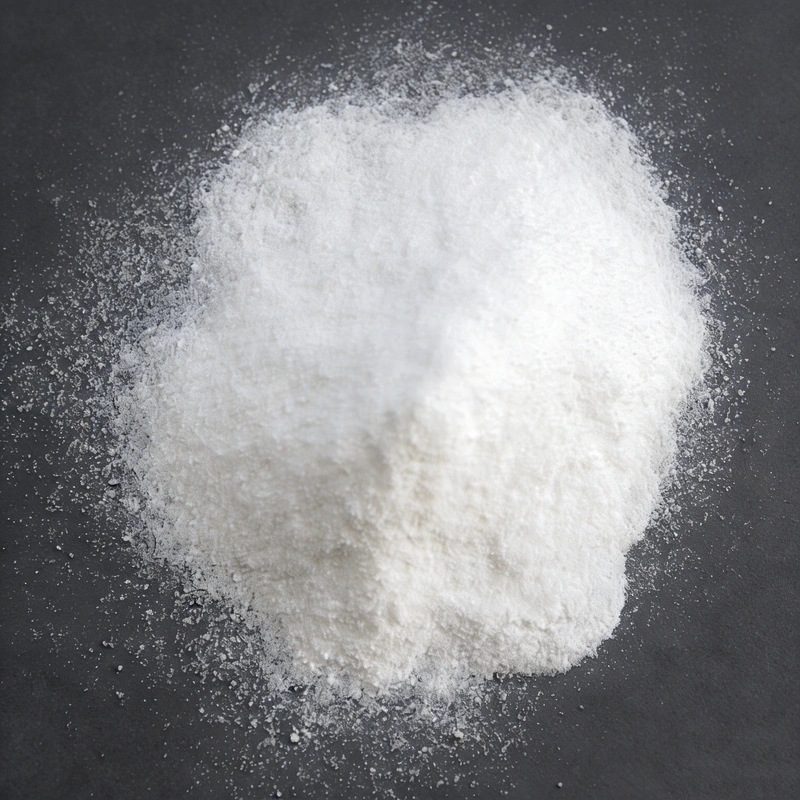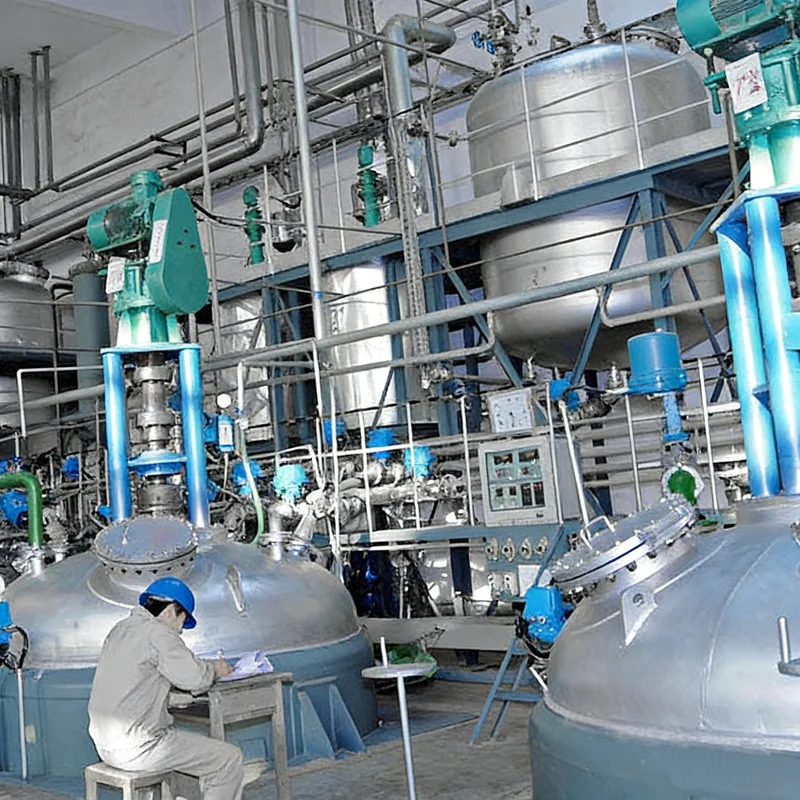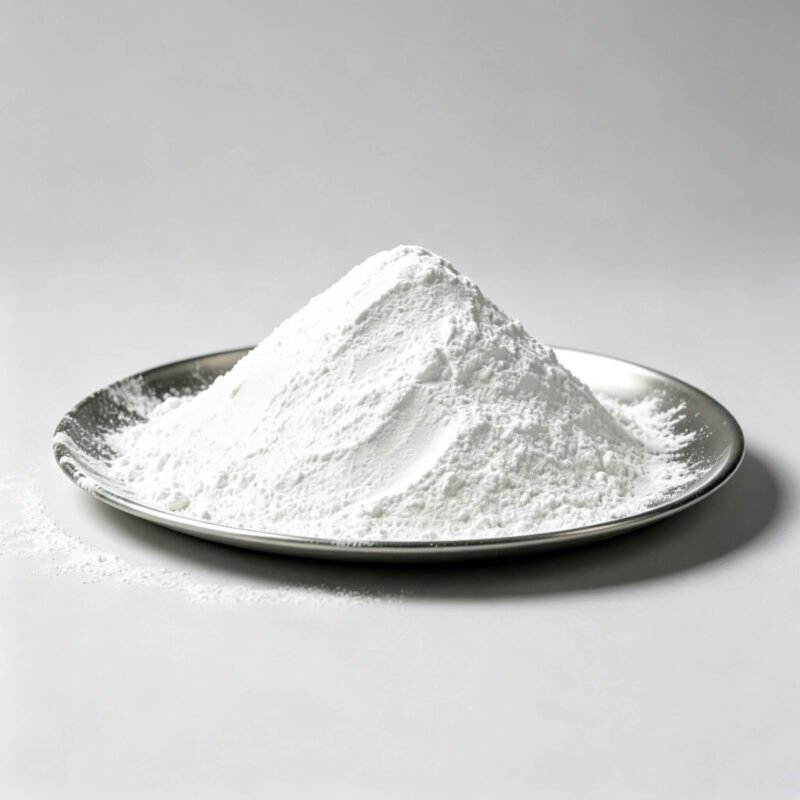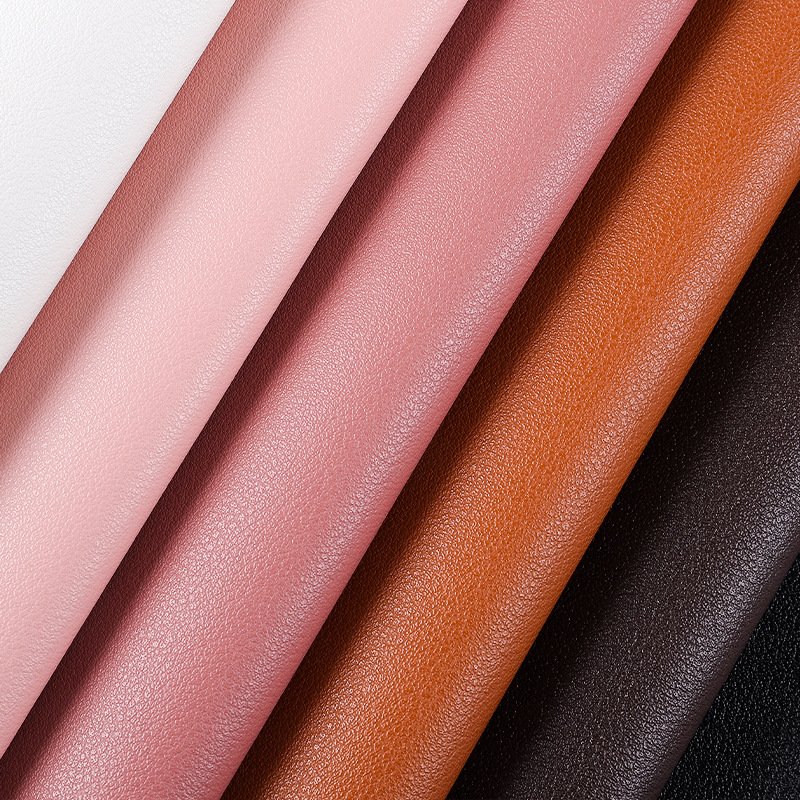

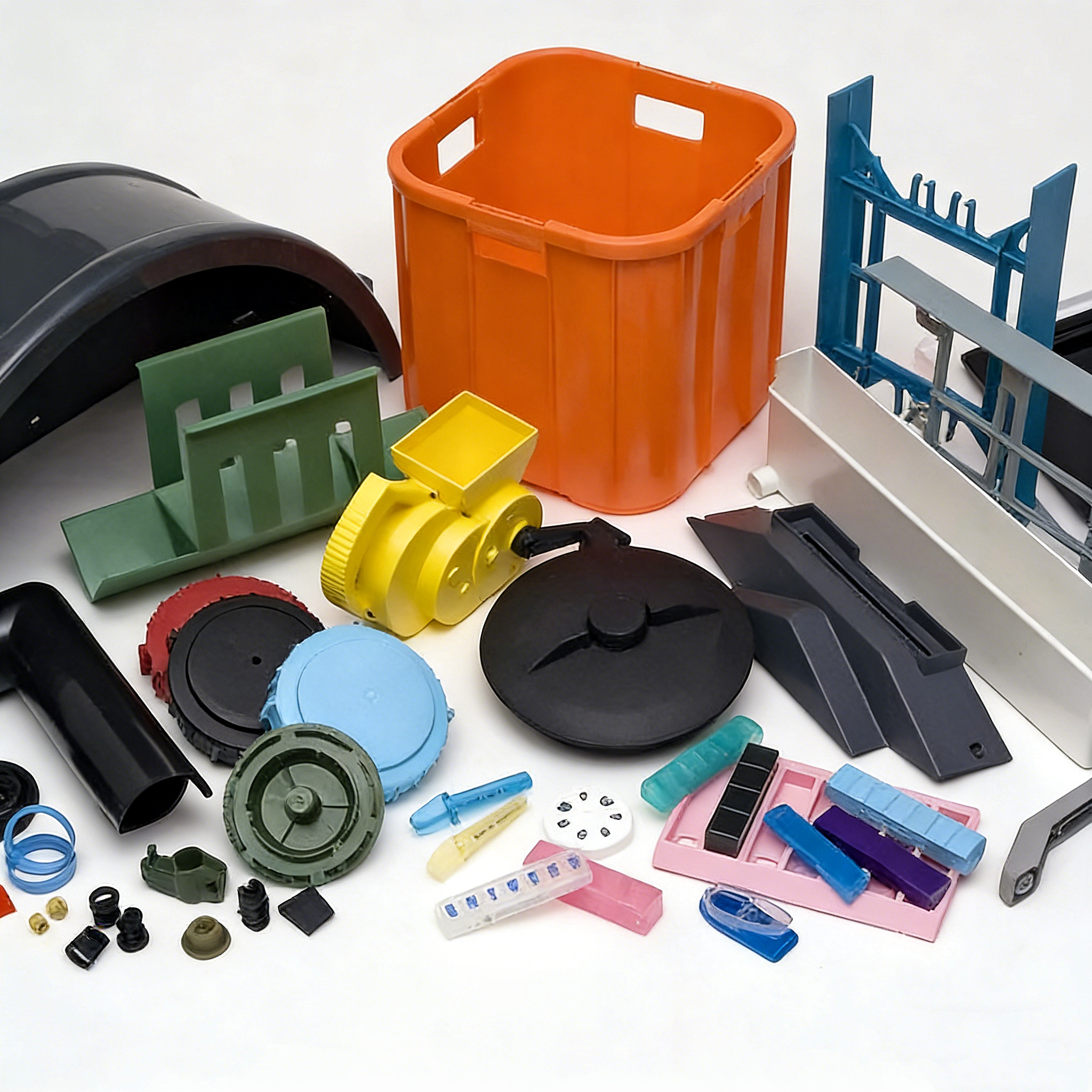
Polyvinyl Chloride (PVC) is a widely used material in the global plastic industry. Its versatility allows for the creation of pipes, profiles, and sheets. However, achieving high quality requires precise control over various additives and machine settings.
Manufacturers frequently encounter pvc processing problems that can lead to high scrap rates. These issues often stem from thermal instability or improper fusion. Understanding the root cause of these defects is the first step toward efficiency.
Addressing these challenges requires a combination of technical knowledge and high-quality chemical additives. This guide explores the most frequent issues and provides actionable solutions. By optimizing your process, you can ensure consistent product performance and durability.
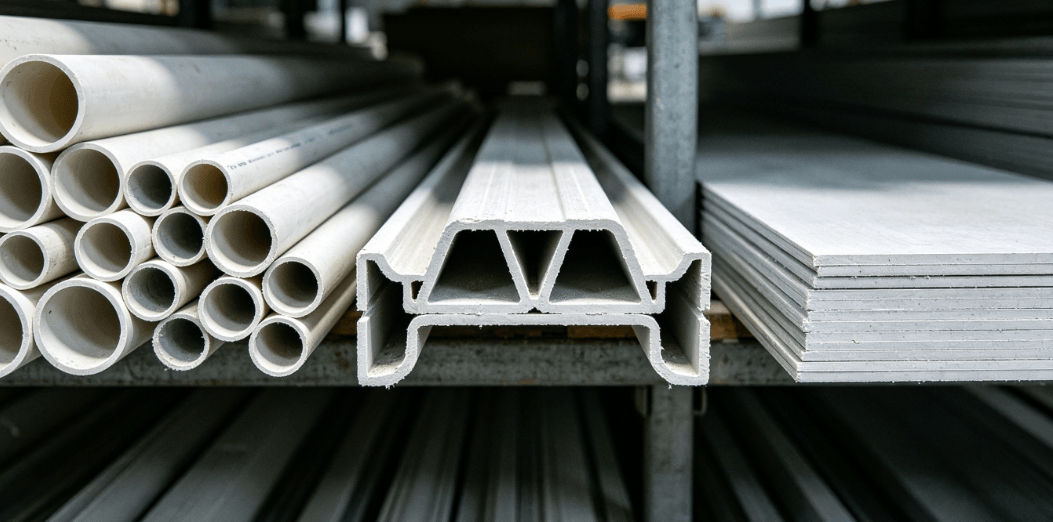
Identifying Frequent PVC Processing Problems
One of the most visible pvc processing problems is thermal degradation or yellowing. PVC is naturally sensitive to heat and begins to decompose at temperatures above 140°C. If the stabilization system is weak, the material will turn yellow or even black.
Another common issue is “plate-out,” where additives migrate to the surface of the mold or die. This creates a buildup that causes surface streaks and dimensional inaccuracies. Plate-out usually happens when the lubricant balance is incorrect or the processing temperature is too low.
Surface defects like “fish eyes” or “orange peel” also frustrate many processors. These small lumps usually indicate poor dispersion of additives or unmelted resin particles. Proper mixing and the right processing aids are essential to eliminate these imperfections.
| Problem Type | Common Symptom | Potential Root Cause |
| Thermal Degradation | Yellowing or black spots | Excess heat or low stabilizer |
| Plate-out | Die buildup and streaks | Lubricant migration |
| Poor Fusion | Low mechanical strength | Low shear or wrong processing aid |
| Bubbles | Internal voids | Trapped moisture or volatiles |
How to Manage PVC Fusion and Melt Strength
Achieving the correct fusion rate is critical for the structural integrity of the final product. If the fusion happens too late, the physical properties of the PVC will be significantly weaker. Conversely, early fusion can lead to excessive torque and machine wear.
To optimize this, many experts recommend maintaining a fusion degree between 60% and 70% for most profiles. Adding acrylic processing aids at a rate of 1.0 to 5.0 phr (parts per hundred resin) can help. These additives increase the friction between PVC particles to promote faster, more uniform melting.
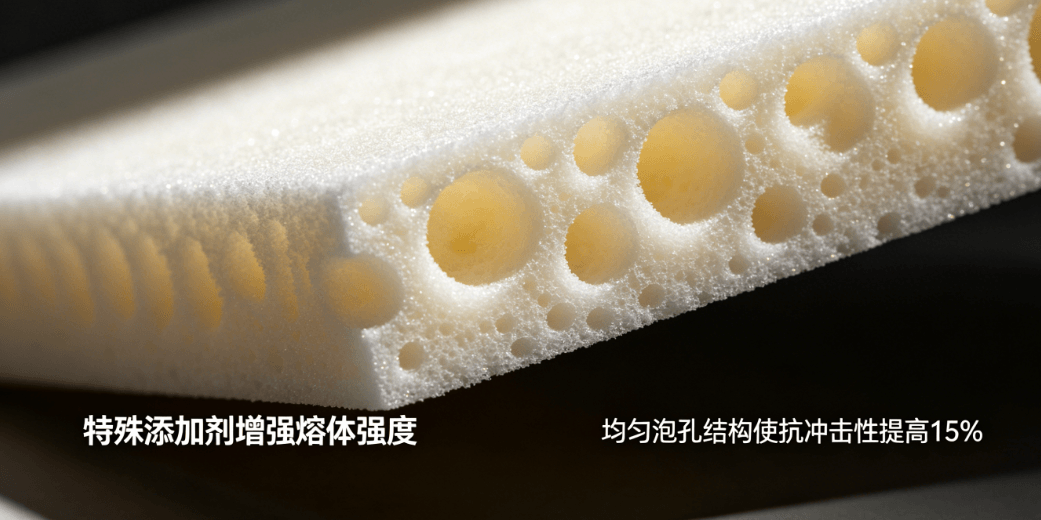
High melt strength is particularly important for PVC foaming processes. Without sufficient melt elasticity, gas bubbles will collapse, leading to a high-density, poor-quality product. Enhancing melt strength through specialized additives ensures a uniform cell structure. This improvement can increase the impact resistance of the final product by up to 15%.
Strategies to Eliminate Plate-out and Surface Defects
Plate-out is a recurring challenge that stops production lines for cleaning. It often occurs when external lubricants, such as paraffin wax, are used in excess. Reducing the external lubricant by just 0.1 to 0.2 phr can sometimes resolve the issue immediately.
The interaction between different additives also plays a significant role in surface quality. For example, some pigments may react with stabilizers to create insoluble salts. Balancing the internal and external lubrication is the most effective way to prevent plate-out. Maintaining a clean die surface ensures a high-gloss finish on the final profile.
Moisture is another culprit behind surface defects and internal bubbles. PVC resin and fillers like calcium carbonate can absorb moisture from the air during storage. Pre-heating the material or using a vacuum venting system on the extruder helps remove these volatiles before they cause defects.
How to Select the Right PVC Processing Aid
Choosing the correct additive is the most effective way to prevent pvc processing problems. The selection depends on the specific requirements of your end product, such as transparency or impact strength. High-quality processing aids act as a bridge between the resin and the machinery.
You should evaluate processing aids based on their molecular weight and viscosity. High-viscosity aids are better for increasing melt strength in thick-walled pipes or foam boards. Lower-viscosity versions are ideal for high-speed extrusion where flowability is the priority.
Reliable processing aids must offer excellent metal release properties to prevent sticking. They should also promote a wide processing window to accommodate small fluctuations in temperature. Selecting a processing aid with high purity ensures that no unexpected chemical reactions occur during production. This choice directly impacts the long-term weatherability of your PVC products.
By focusing on the compatibility of the additive with your specific resin grade, you can reduce waste. Technical data sheets provide essential information on how these aids will affect fusion time and torque. Utilizing these resources allows for a more scientific approach to troubleshooting production issues.
Summary
Solving pvc processing problems requires a balance of temperature control, lubricant ratios, and high-performance additives. By identifying the root causes of yellowing and plate-out, manufacturers can significantly improve their yield. The use of high-quality acrylic processing aids remains the most effective solution for achieving uniform fusion and high melt strength.
FAQ
What causes yellowing in PVC extrusion?
Yellowing is primarily caused by thermal degradation when the material is exposed to excessive heat or lacks sufficient heat stabilizers. Increasing the stabilizer dosage or lowering the barrel temperature can usually solve this problem.
How can I stop plate-out on my extruder die?
You can stop plate-out by balancing the lubricant system and ensuring all additives are compatible. Reducing the amount of external lubricant or switching to a high-quality processing aid often prevents the migration of materials to the die surface.
Why is melt strength important for PVC foaming?
Melt strength is vital because it holds the gas bubbles in place during the foaming process. If the melt strength is too low, the bubbles will merge or collapse, resulting in a product with poor density and uneven texture.
How do processing aids improve PVC quality?
Processing aids improve quality by promoting faster fusion and increasing the elasticity of the PVC melt. This leads to better surface finish, higher mechanical strength, and more consistent wall thickness in extruded products.
Reference Sources:
British Plastics Federation (BPF) – PVC Properties and Processing
https://www.bpf.co.uk/
Plastics Industry Association (PLASTICS) – Industry Standards
https://www.plasticsindustry.org/
The Vinyl Institute – PVC Additives and Sustainability
https://www.vinylinfo.org/
MDPI – Polymers Journal: Effects of Acrylic Processing Aids
https://www.mdpi.com/journal/polymers