
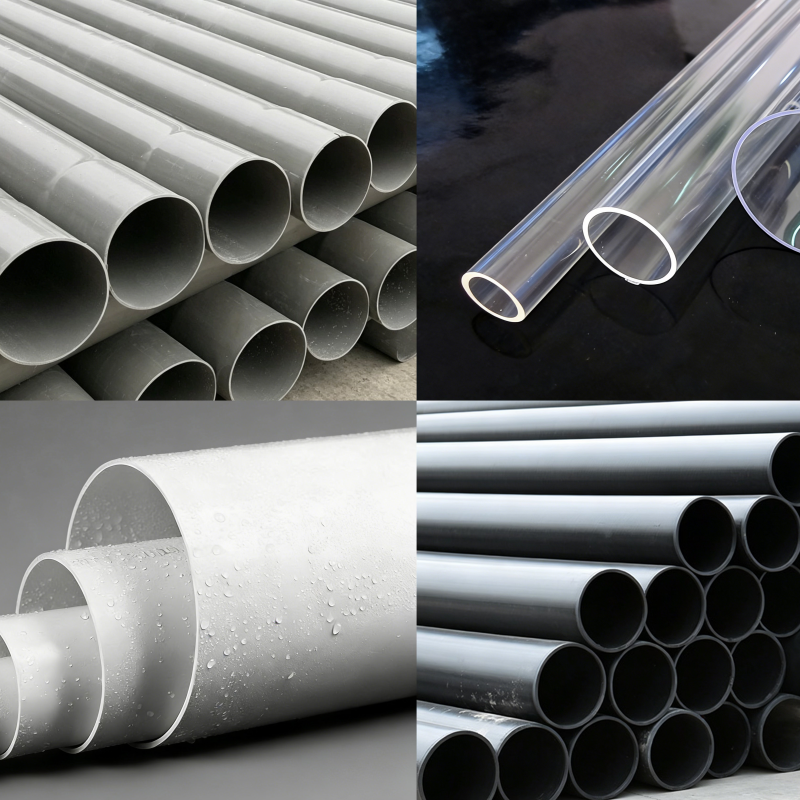
Polyvinyl Chloride remains a cornerstone of modern industrial infrastructure due to its chemical resistance and cost-efficiency. However, engineers and facility managers frequently encounter a specific pvc pipe problem that can disrupt operations. These issues often stem from environmental stressors or improper material formulation during the manufacturing stage.
Identifying these failures early prevents costly downtime and potential safety hazards in 2026. This guide explores the most prevalent technical challenges and provides scientific solutions to ensure long-term durability. Understanding the interaction between chemical additives and physical stress is the first step toward system reliability.
Industrial systems require a delicate balance of pressure, temperature, and chemical compatibility. When this balance shifts, the integrity of the piping network becomes compromised. By focusing on high-quality components and precise installation, most common failures are entirely preventable.
What Causes a Common PVC Pipe Problem in Industry?
The most frequent pvc pipe problem involves thermal expansion and contraction cycles. PVC has a relatively high coefficient of linear expansion compared to metal alternatives. In 2026, data shows that PVC expands approximately 3.0 x 10^-5 inches per inch for every degree Fahrenheit of temperature change.
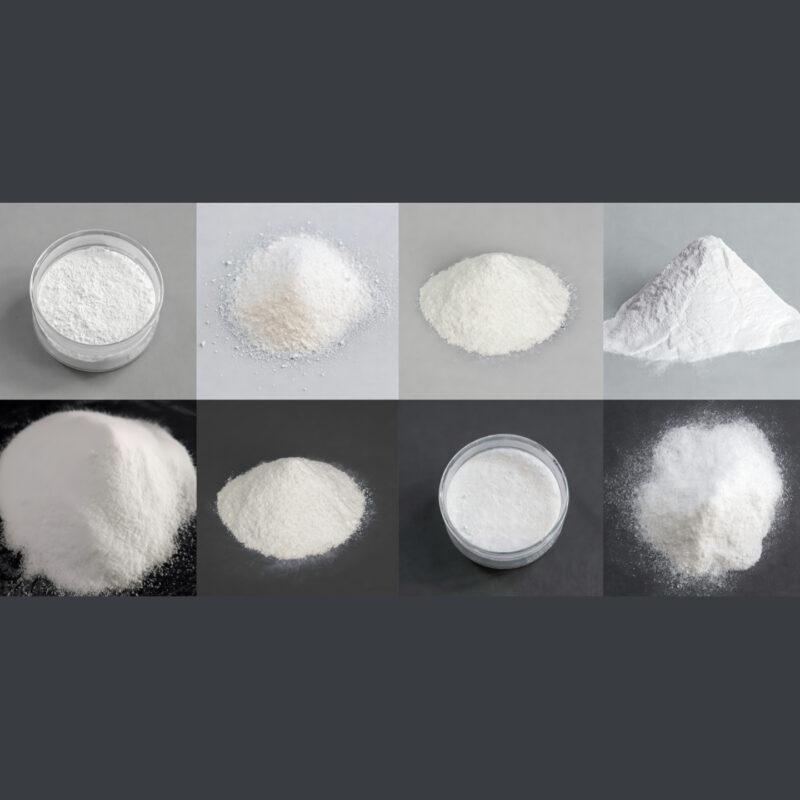
This movement can lead to significant stress on joints and fittings if not managed. Without expansion loops or offsets, the pipe may bow or even snap under pressure. This physical deformation often leads to micro-cracks that compromise the entire fluid transport system.
Chemical degradation is another significant factor in industrial settings. While PVC is resistant to many acids, it can fail when exposed to certain hydrocarbons or esters. Standard PVC typically maintains structural integrity up to 140°F (60°C), but exceeding this limit rapidly reduces its pressure-bearing capacity.
Solving the PVC Pipe Problem Through Advanced Additives
A robust solution to a pvc pipe problem often begins at the molecular level during production. Manufacturers utilize specific chemical additives to enhance the physical properties of the plastic. For example, adding Chlorinated Polyethylene (CPE) significantly improves the impact resistance of the finished pipe.
Impact modifiers allow the material to absorb energy without shattering. Research indicates that pipes treated with high-quality ACR impact modifiers show a 25% increase in fracture toughness. These additives are essential for pipes installed in high-traffic industrial zones or cold environments.
Furthermore, thermal stabilizers play a critical role in preventing degradation during the extrusion process. Calcium-Zinc or lead-based stabilizers ensure the polymer chains do not break down under high heat. Using the correct stabilizer ratio can extend the functional lifespan of an industrial pipe by over 15 years.
| Problem Type | Common Cause | Recommended Additive Solution |
| Brittleness | Low temperature/Impact | CPE or ACR Impact Modifiers |
| Thermal Degradation | High processing heat | Ca-Zn or Methyl Tin Stabilizers |
| Surface Friction | Poor melt flow | Internal and External Lubricants |
| UV Discoloration | Outdoor exposure | Titanium Dioxide (TiO2) |
How to Prevent Premature PVC Pipe Aging?
Preventing a pvc pipe problem requires a proactive approach to UV protection and environmental shielding. Unprotected PVC exposed to direct sunlight undergoes a process called “sunburn,” which creates a brittle outer layer. This degradation can reduce the pipe’s impact strength by up to 30% within two years of exposure.
Incorporating Titanium Dioxide into the PVC formulation acts as a chemical shield against ultraviolet radiation. In 2026, advanced industrial coatings are also used to provide an additional layer of protection for outdoor installations. These coatings reflect heat and prevent the internal temperature of the pipe from rising.
Regular inspections are also vital for detecting “creep,” which is the slow deformation of plastic under constant stress. Engineers should monitor systems for signs of discoloration or surface crazing. Addressing these minor symptoms early prevents a catastrophic pvc pipe problem like a high-pressure burst.
Industrial Maintenance Strategies for Piping Systems
Effective maintenance starts with ensuring that all joints are chemically welded using the correct primer and solvent cement. Inconsistent application of solvent is a leading cause of leak-related pvc pipe problem cases in 2026. A proper interference fit requires the pipe to be cut square and deburred thoroughly.
Pressure testing should be conducted at 1.5 times the intended working pressure to identify weak points. Data suggests that 85% of joint failures occur within the first 24 hours of system activation. Monitoring these initial hours helps verify the integrity of the chemical bonds between the pipe and fittings.
Technicians should also implement vibration dampening mounts in systems connected to heavy machinery. Constant mechanical vibration can cause fatigue in plastic materials over time. Using rubber-lined hangers absorbs these shocks and protects the rigid PVC structure from stress-induced cracking.
Selecting High-Performance PVC Components
Choosing the right materials is the most effective way to avoid a recurring pvc pipe problem. High-quality industrial pipes rely on specialized resins and precisely balanced chemical packages to perform under pressure. When evaluating suppliers, look for those who provide detailed technical specifications for their additives and resins.
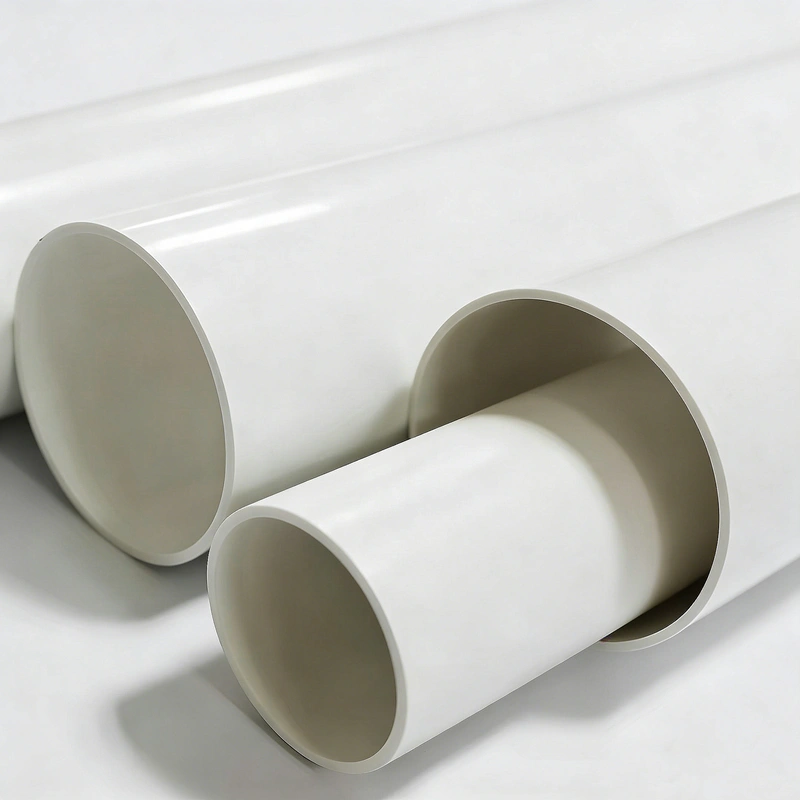
The performance of a piping system is directly linked to the quality of the stabilizers and modifiers used during manufacturing. High-purity chemical components ensure that the final product meets international standards for pressure and heat resistance. For professionals seeking to optimize their production or maintenance, exploring a comprehensive product catalog is essential for finding the right chemical solutions.
Quality additives like CPE 135A or specialized PVC stabilizers define the difference between a durable system and a failing one. By sourcing chemicals that meet the rigorous demands of 2026 industrial standards, facilities can significantly reduce maintenance costs. Proper material selection ensures that the infrastructure remains safe and efficient for decades.
Summary
Solving an industrial pvc pipe problem requires a combination of high-quality chemical additives, precise installation techniques, and proactive environmental protection. By utilizing impact modifiers and thermal stabilizers, facilities can prevent brittleness and degradation. Ultimately, the durability of a PVC system depends on the quality of its molecular foundation and consistent maintenance.
FAQ
How does temperature affect a pvc pipe problem?
Temperature directly impacts the structural integrity of PVC because it is a thermoplastic. As temperatures exceed 140°F, the material softens and its pressure rating drops significantly. Conversely, extremely cold temperatures make the pipe brittle and susceptible to impact damage.
Why is an impact modifier necessary for industrial PVC?
An impact modifier is necessary because standard PVC can be naturally brittle under high-stress conditions. Additives like CPE or ACR increase the pipe’s ability to absorb energy and resist cracking during handling or operation. This is especially important for pipes used in 2026 industrial environments with heavy equipment.
Can chemical additives prevent UV damage in PVC pipes?
Yes, chemical additives like Titanium Dioxide (TiO2) are highly effective at preventing UV damage. They work by absorbing or reflecting harmful radiation before it can break the polymer bonds. This keeps the pipe from becoming brittle and discolored when used in outdoor applications.
What is the best way to fix a leaking PVC joint?
The best way to fix a leaking joint is to cut out the damaged section and replace it with new fittings using proper solvent welding. Patching or using tape is usually a temporary solution that will eventually lead to another pvc pipe problem. Always use a primer and high-quality solvent cement for a permanent chemical bond.
Reference Sources
Plastic Pipe and Fittings Association (PPFA) Plastic Piping Systems Design and Installation
https://www.ppfahome.org/
American Society for Testing and Materials (ASTM) Standards for PVC Pipe and Chemicals
https://www.astm.org/
Vinyl Institute PVC Pipe Longevity and Performance Reports
https://www.vinylinfo.org/