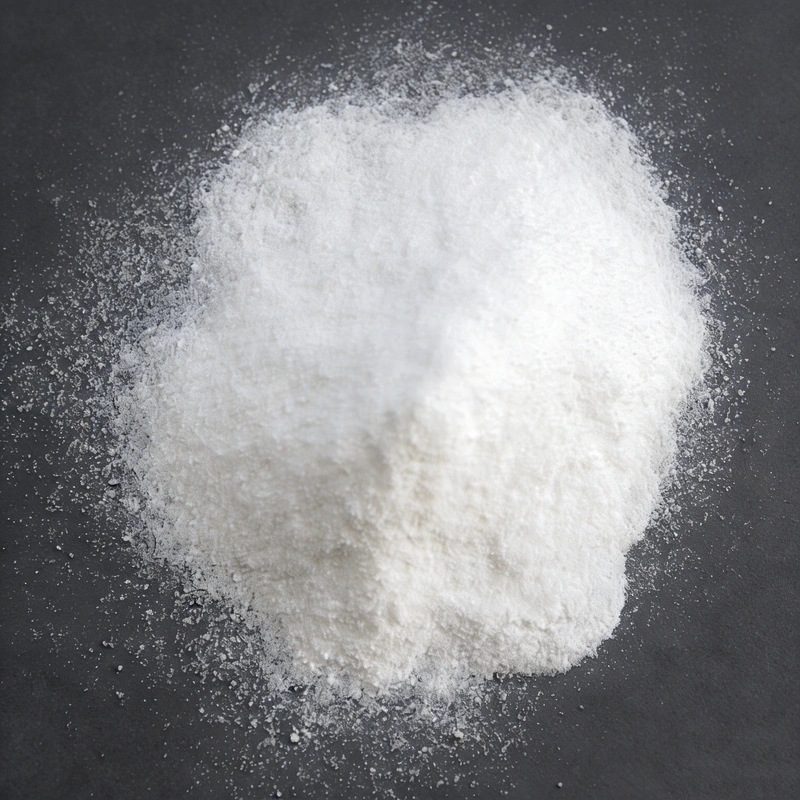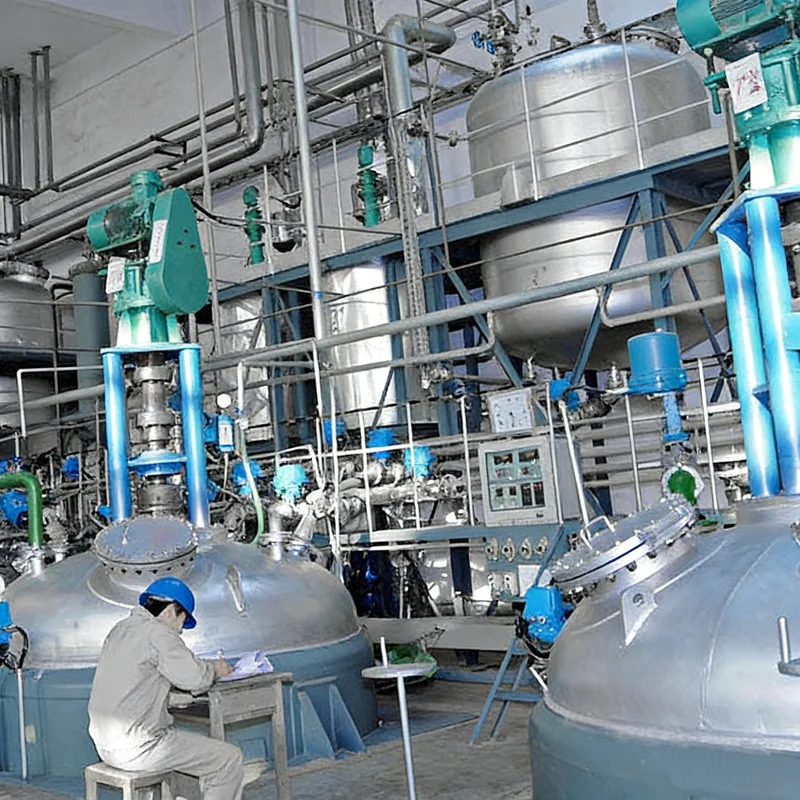

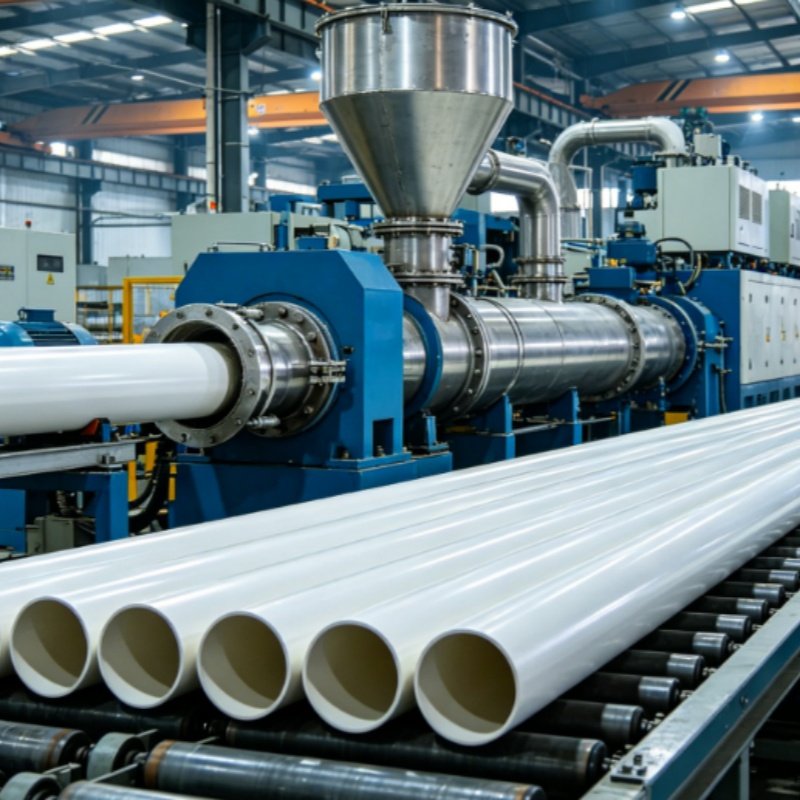
The chemical complexity of Polyvinyl Chloride (PVC) is both its greatest strength and its primary challenge in industrial manufacturing. In its raw resin form, PVC is a rigid, thermally sensitive polymer that decomposes rapidly at the temperatures required for processing. To transform this brittle powder into durable drainage pipes, electrical conduits, or high-pressure water mains, a precise synergy of chemical additives is required.
For production engineers and manufacturing consultants, the formulation is more than just a recipe; it is a balancing act of rheological control and thermal protection. Understanding the specific functions of PVC pipe additives is essential for optimizing extrusion throughput and ensuring the long-term structural integrity of the finished product.
The Role of Thermal Stabilizers in PVC Pipe Integrity
PVC is inherently unstable when exposed to heat and shear. During the extrusion process, the polymer chains tend to release hydrochloric acid (HCl), a process known as dehydrochlorination. This leads to discoloration, brittleness, and ultimately, the complete structural failure of the pipe.
Thermal stabilizers are the most critical additives in any PVC formulation. They function by neutralizing the released HCl and replacing unstable chlorine atoms on the polymer backbone.
- Calcium-Zinc (Ca-Zn) Stabilizers: Traditionally used for potable water pipes due to their non-toxic profile, Ca-Zn stabilizers have evolved to match the efficiency of legacy systems. They offer excellent weatherability and are preferred in regions with strict environmental regulations.
- Lead-Based Stabilizers (One-Pack Systems): While being phased out in many Western markets, lead-based one-pack stabilizers remain prevalent in specific industrial applications due to their exceptional cost-to-performance ratio and wide processing window.
- Methyl Tin Mercaptide: Often regarded as the most efficient stabilizer for high-output lines, tin stabilizers provide superior transparency and initial color retention, though they are more sensitive to moisture and UV exposure compared to solid systems.
The choice of stabilizer significantly influences the PVC stabilizer selection process, as it must be compatible with the specific pipe grade and the intended environmental exposure.
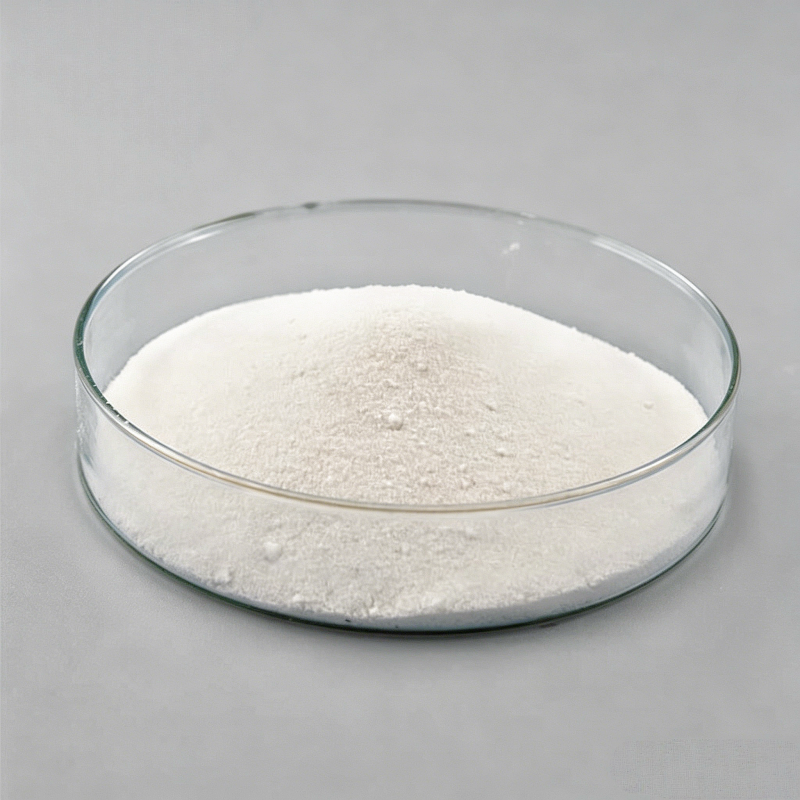
Lubrication Systems: Internal vs. External Balance
In PVC extrusion, friction is the enemy of consistency. Lubricants are categorized based on their solubility within the PVC matrix and their specific action during the melting process. Achieving the “lubrication balance” is perhaps the most difficult aspect of pipe formulation.
1.External Lubricants
External lubricants, such as Polyethylene (PE) Wax or Paraffin Wax, have low compatibility with PVC. They migrate to the interface between the PVC melt and the metal surfaces of the extruder barrel and die. This creates a thin film that prevents the polymer from sticking, reducing “plate-out” and ensuring a smooth surface finish. Over-lubrication, however, can lead to “slippage,” where the screw cannot generate enough pressure to move the material forward.
2.Internal Lubricants
Internal lubricants, including Stearic Acid and certain fatty acid esters, work within the PVC molecular structure. They reduce the friction between polymer chains, lowering the melt viscosity and improving the flow characteristics. This is vital for complex die geometries where the material must flow evenly to maintain uniform wall thickness.
Modern manufacturing often utilizes specialized PVC lubricants to maintain high-speed production without risking thermal degradation from excessive shear heat.
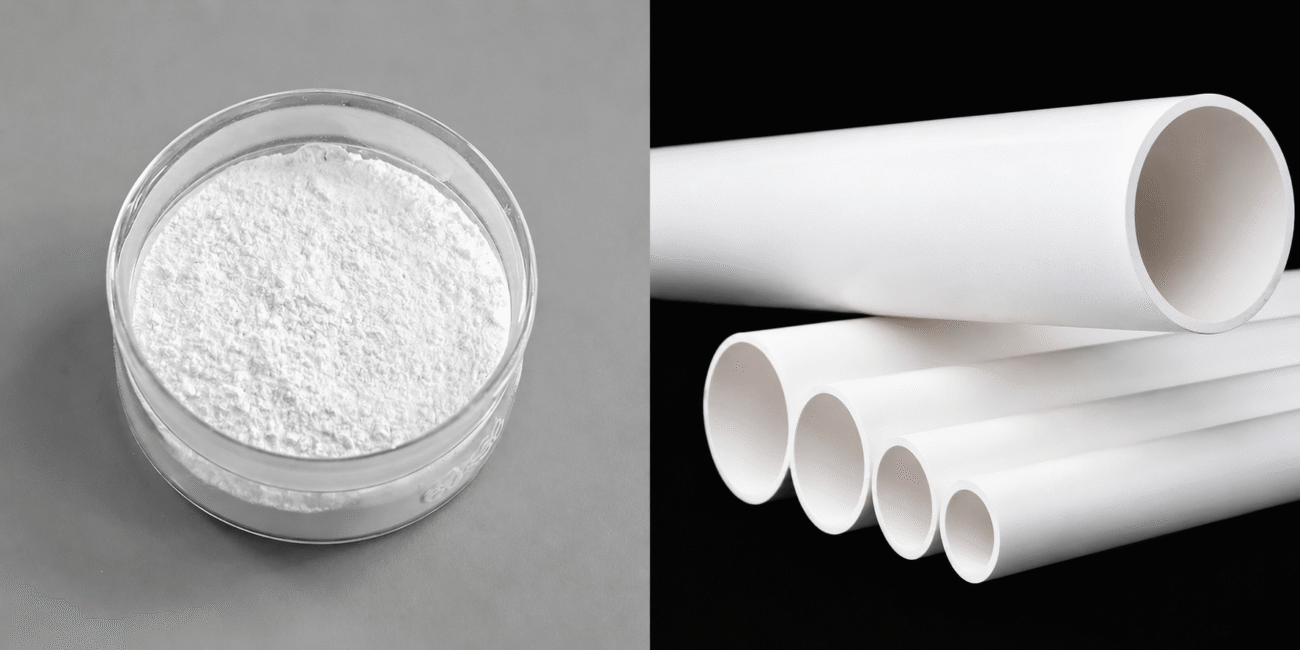
Processing Aids: Enhancing Melt Elasticity
Even with proper stabilization and lubrication, PVC melt can be fractious and prone to “melt fracture” at high speeds. This is where ACR (Acrylic Processing Aids) become indispensable.
Processing aids are high-molecular-weight polymers that promote the fusion (gelation) of PVC particles. They act as a “molecular bridge” that increases the elasticity and strength of the PVC melt. In pipe manufacturing, this provides several technical advantages:
- Faster Fusion: Reduces the time required for the powder to transition into a homogenous melt.
- Improved Surface Gloss: Minimizes surface imperfections and “sharkskin” effects.
- Wall Thickness Uniformity: High melt strength prevents the pipe from sagging as it exits the die before entering the cooling tank.
For formulations with high filler content (such as low-cost drainage pipes), a high-quality PVC processing aid is required to maintain mechanical properties that would otherwise be compromised by the addition of Calcium Carbonate.
Technical Comparison of Additive Functions
| Additive Type | Primary Function | Impact on Processing | Impact on Final Product |
| Stabilizers | Prevents HCl release | Increases thermal window | Longevity and UV resistance |
| Internal Lubricants | Reduces chain friction | Lowers melt viscosity | Improved physical properties |
| External Lubricants | Prevents metal adhesion | Reduces die pressure | High-gloss surface finish |
| Processing Aids | Promotes fusion | Increases melt strength | Uniform wall thickness |
| Impact Modifiers | Absorbs energy | Improves toughness | Resistance to cracking/dropping |
Impact Modifiers and Functional Fillers
While stabilizers and lubricants handle the “processability,” impact modifiers and fillers define the “performance.”
- CPE (Chlorinated Polyethylene): The industry standard for impact modification in PVC pipes. It provides the necessary toughness to prevent cracking during handling, transport, and underground installation.
- Calcium Carbonate (
CaCO3CaCO3): While often viewed as a cost-reducer, functional fillers also improve the stiffness (modulus) of the pipe. However, exceeding the optimal loading can lead to brittle failure unless compensated for with additional processing aids.
Formulation Logic for Specific Pipe Applications
The “recipe” for PVC pipe additives is never universal. It must be adapted based on the pipe’s end-use:
- Pressure Pipes (ASTM D1785): These require high-purity resin and a robust stabilizer system to withstand constant internal hydraulic pressure. Impact modifiers are crucial here to ensure the pipe does not shatter under pressure surges.
- Electrical Conduits: The focus shifts toward flame retardancy and ease of bending. Lubrication systems are tuned to allow for a matte finish that accepts solvent cement or printing.
- Soil and Waste Pipes (DWV): These often utilize a “foam core” or high-filler construction to reduce weight and cost. This requires specialized processing aids to maintain a stable cellular structure within the pipe wall.
Practical Manufacturing Considerations
For a plant manager, the interaction between additives is more important than their individual properties. For example, an increase in external lubricant might require a corresponding increase in processing aid to ensure the material still fusions correctly despite the reduced friction.
Furthermore, the transition to high-speed twin-screw extruders has placed higher demands on the “thermal stability reserve” of the formulation. Modern additives must not only protect the PVC during the initial extrusion but also remain active enough to allow for the recycling of “regrind” (scrap material) back into the production line without degrading the quality of the new pipe.
FAQ
Q1: Why does my PVC pipe have a yellow tint during extrusion?
A: Yellowing is a primary sign of thermal degradation. This usually indicates either insufficient stabilizer dosage, localized overheating in the extruder barrel, or excessive shear heat caused by an imbalance in internal lubricants.
Q2: Can I use the same additives for both PVC-U (Rigid) and PVC-P (Flexible) pipes?
A: No. PVC-U (Unplasticized) pipes rely on processing aids and stabilizers designed for high rigidity. PVC-P involves plasticizers which significantly alter the resin’s rheology, requiring a different lubrication and stabilization package.
Q3: How do processing aids affect the use of recycled PVC?
A: Recycled PVC (regrind) has already undergone at least one heat cycle, making its molecular chains shorter and more prone to failure. High-efficiency ACR processing aids help “re-knit” these chains, allowing manufacturers to maintain high recycled content without losing melt strength.
Q4: What is the difference between a “One-Pack” and individual components?
A: A One-Pack stabilizer combines stabilizers, lubricants, and sometimes UV protectors into a single flake or pellet. This reduces weighing errors in the mixing room and ensures a consistent chemical ratio, whereas individual components allow for more granular control over the formulation.
Q5: Does the weather affect my additive requirements?
A: Yes. For pipes intended for outdoor use, such as irrigation or telecommunications ducts, UV stabilizers (like Titanium Dioxide) and specific weather-resistant thermal stabilizers are required to prevent “chalking” and embrittlement from solar radiation.
Reference Sources
- ASTM D1785: Standard Specification for Poly(Vinyl Chloride) (PVC) Plastic Pipe, Schedules 40, 80, and 120.
- ISO 1452: Plastics piping systems for water supply and for buried and above-ground drainage and sewerage under pressure.
- Vinyl Institute: Technical resources on PVC stabilization and sustainability.
- Journal of Vinyl and Additive Technology: Peer-reviewed research on the rheological effects of ACR and Lubricants in PVC.
- PPI (Plastics Pipe Institute): Handbook of Polyethylene and PVC Pipe manufacturing standards.