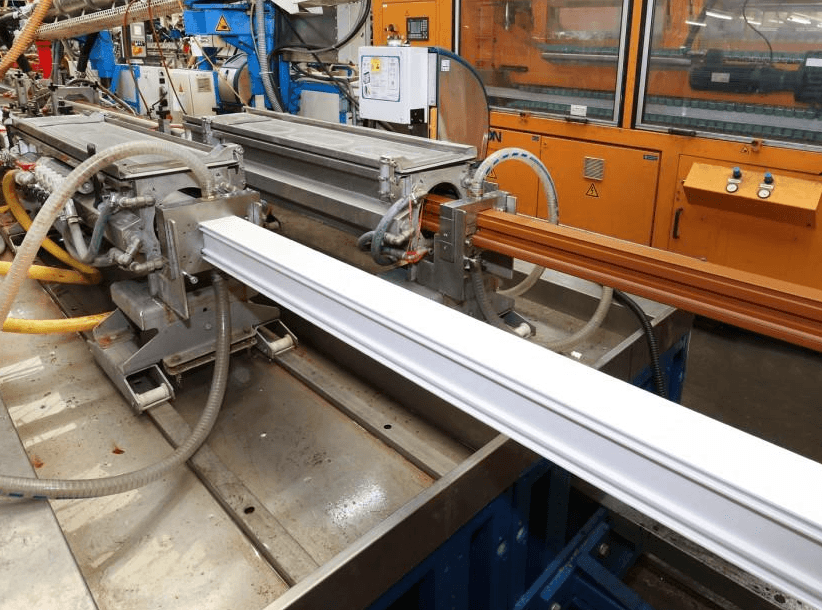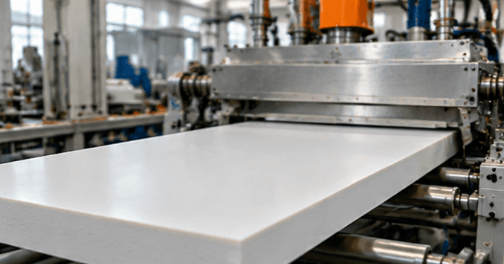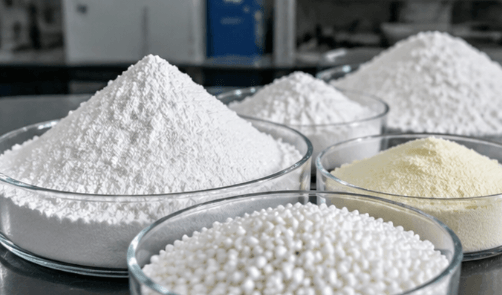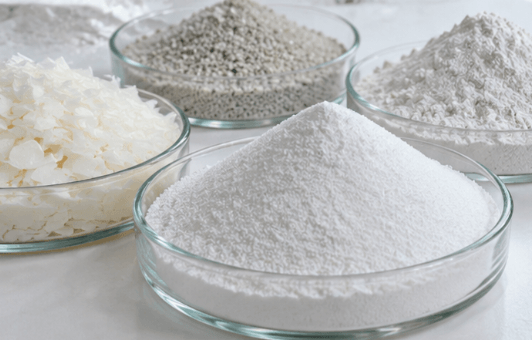

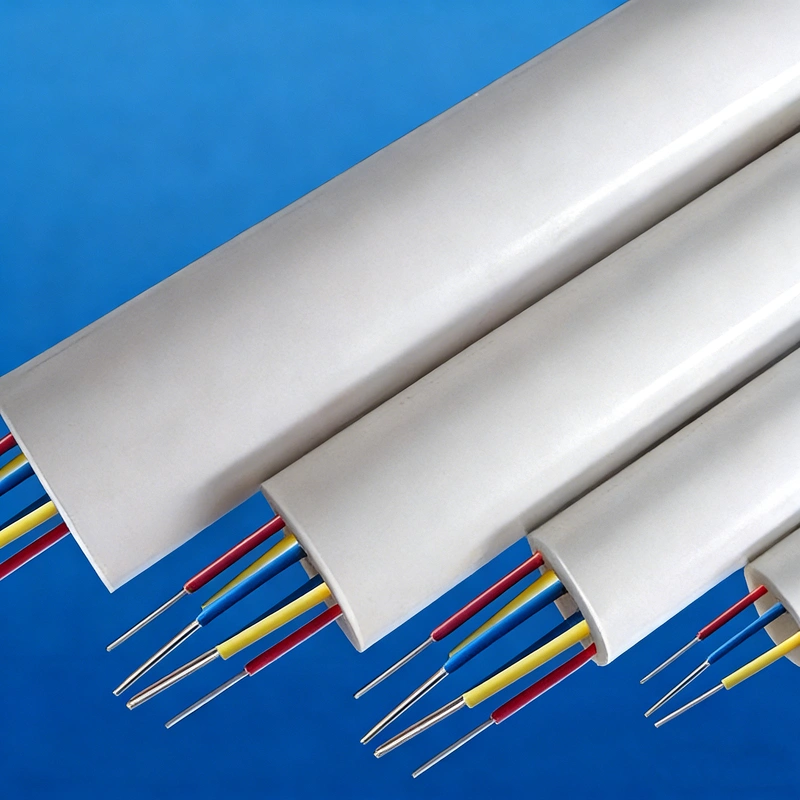
Selecting the best PVC stabilizer for pipe production is not a matter of finding a “universal” additive; it is about balancing chemical thermal stability with the physical demands of high-speed extrusion. Because Polyvinyl Chloride (PVC) is inherently thermally unstable, it begins to dehydrochlorinate at processing temperatures (170°C–210°C). Without the correct stabilizer, the polymer chains degrade, resulting in discoloration, brittle pipe walls, and eventually, catastrophic failure during pressure testing.
In the modern manufacturing landscape, the “best” stabilizer is defined by its ability to maintain the integrity of the PVC matrix while meeting local environmental regulations and production throughput targets.
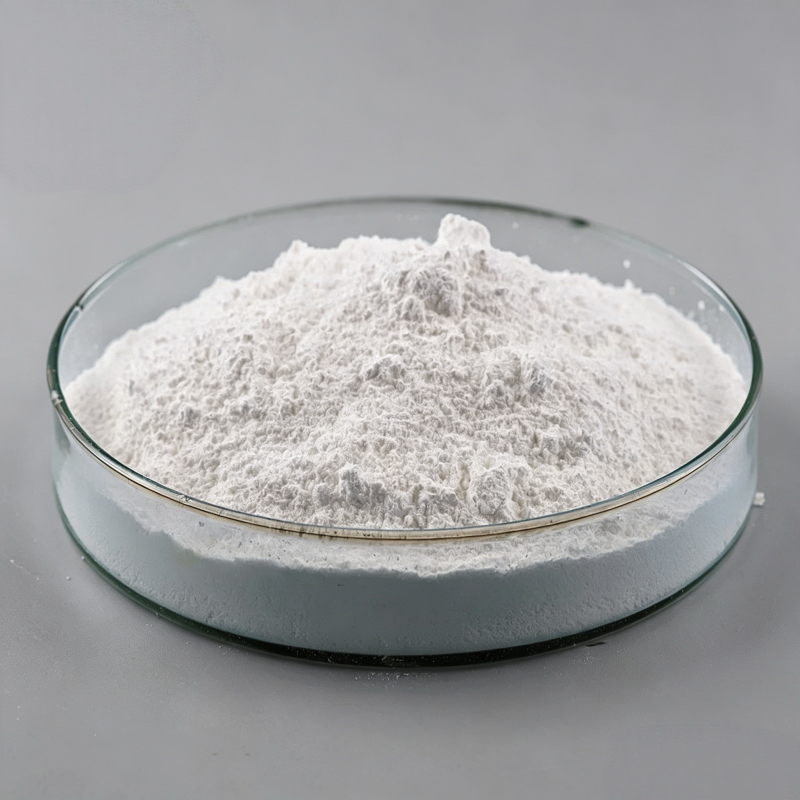
The Role of Stabilizers in Pipe Extrusion
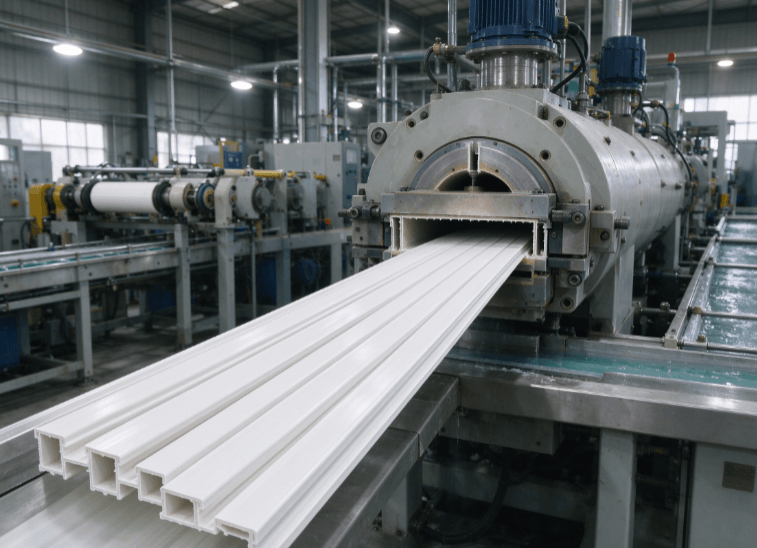
Pipe production involves continuous extrusion, often at high shear rates. The stabilizer must perform three critical functions simultaneously:
- Neutralizing HCl: Capturing the hydrochloric acid released during thermal degradation to prevent further autocatalytic decomposition.
- Displacing Labile Chlorine: Replacing unstable chlorine atoms on the PVC chain with more stable groups.
- Lubrication Management: Controlling the friction between the polymer melt and the metal surfaces of the extruder (external lubrication) and between the polymer molecules themselves (internal lubrication).
Comparative Analysis of PVC Stabilizer Systems for Pipes
The global market for pipe stabilizers has shifted significantly due to environmental mandates and the demand for higher mechanical performance. Below is a breakdown of the primary systems used in contemporary pipe manufacturing.
1. Calcium-Zinc (Ca-Zn) Stabilizers: The Non-Toxic Standard
Calcium-Zinc stabilizers have become the industry benchmark for “green” pipe production. Initially criticized for a narrower processing window compared to lead, modern “one-pack” Ca-Zn stabilizers are now highly sophisticated.
- Best for: Potable water pipes, sewage systems, and electrical conduits in regions with strict environmental codes (EU, North America).
- Technical Advantage: They offer excellent initial color and long-term heat stability. They are often formulated with co-stabilizers like polyols or hydrotalcites to enhance their efficiency.
- Production Insight: When switching to Ca-Zn, manufacturers must often recalibrate their lubrication balance, as Ca-Zn systems tend to have different fusion characteristics than traditional salts.
2. Lead-Based Stabilizers: High-Efficiency Performance
Lead salts (such as Tri-basic Lead Sulfate) were the gold standard for decades. While being phased out in many regions for environmental reasons, they remain in use in specific industrial and drainage applications where permitted.
- Best for: Large-diameter drainage pipes and telecommunication ducts.
- Technical Advantage: Lead systems offer an incredibly wide processing window and exceptional electrical insulation properties. They are less sensitive to variations in PVC resin quality.
- Trade-off: High toxicity and lack of transparency in the final product.
3. Methyl Tin Stabilizers: The High-Speed Specialist
Organotin stabilizers, particularly Methyl Tin Mercaptide, are recognized for providing the highest degree of thermal stability and clarity.
- Best for: High-output extrusion lines and clear or thin-walled pipes.
- Technical Advantage: They are highly efficient at low dosages, which can reduce the overall weight of additives in the formulation. They provide excellent “early color” and prevent yellowing during long production runs.
- Manufacturing Constraint: They possess a characteristic odor and require careful handling regarding cross-contamination with lead-stabilized materials, which can cause black cross-staining (Lead Sulfide).
Critical Performance Metrics for Pipe Grade Stabilizers
When evaluating a stabilizer for your production line, technical documentation should be assessed against these four manufacturing variables:
| Performance Metric | Impact on Pipe Quality | Target Consideration |
| Congo Red Value | Indicates the duration of thermal stability at high heat. | Essential for long-run stability in twin-screw extruders. |
| Fusion Time | Controls when the PVC powder transitions to a homogeneous melt. | Must align with the screw geometry to prevent un-gelled particles. |
| Equilibrium Torque | Reflects the viscosity of the melt during processing. | Lower torque reduces energy consumption and mechanical wear on the extruder. |
| Weathering Resistance | Ability to resist UV degradation for outdoor storage. | Crucial for agricultural and infrastructure pipes exposed to sunlight. |
The “One-Pack” Innovation in Pipe Manufacturing
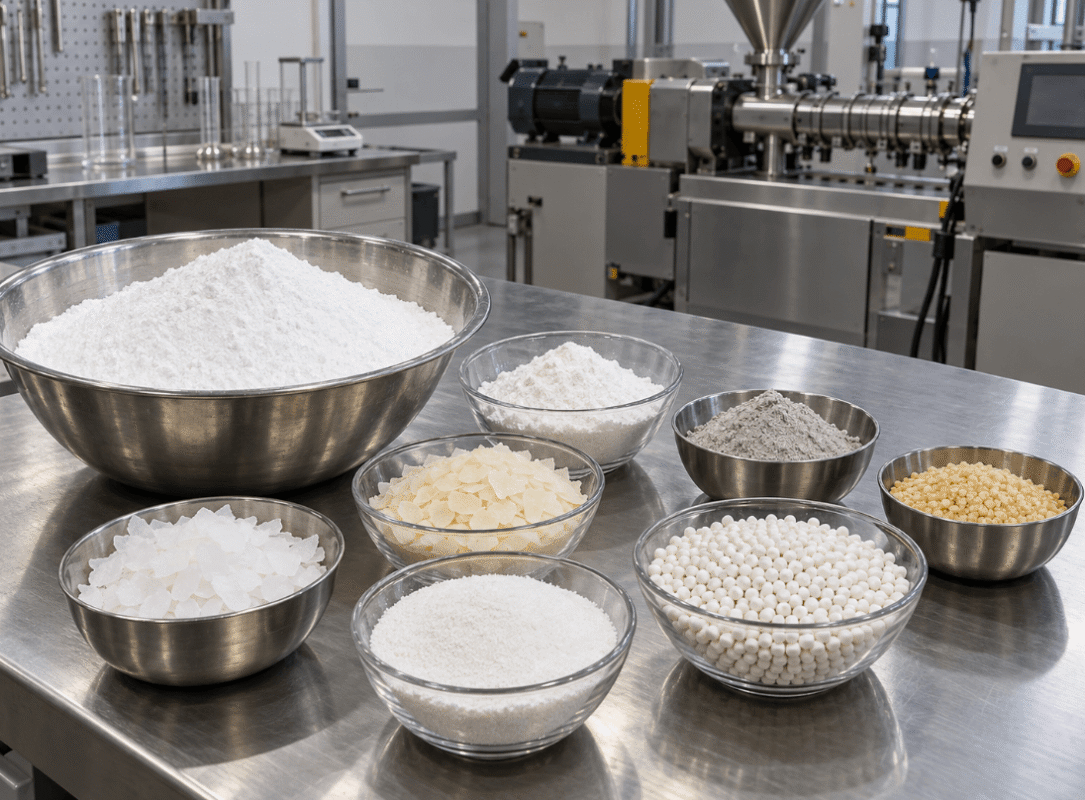
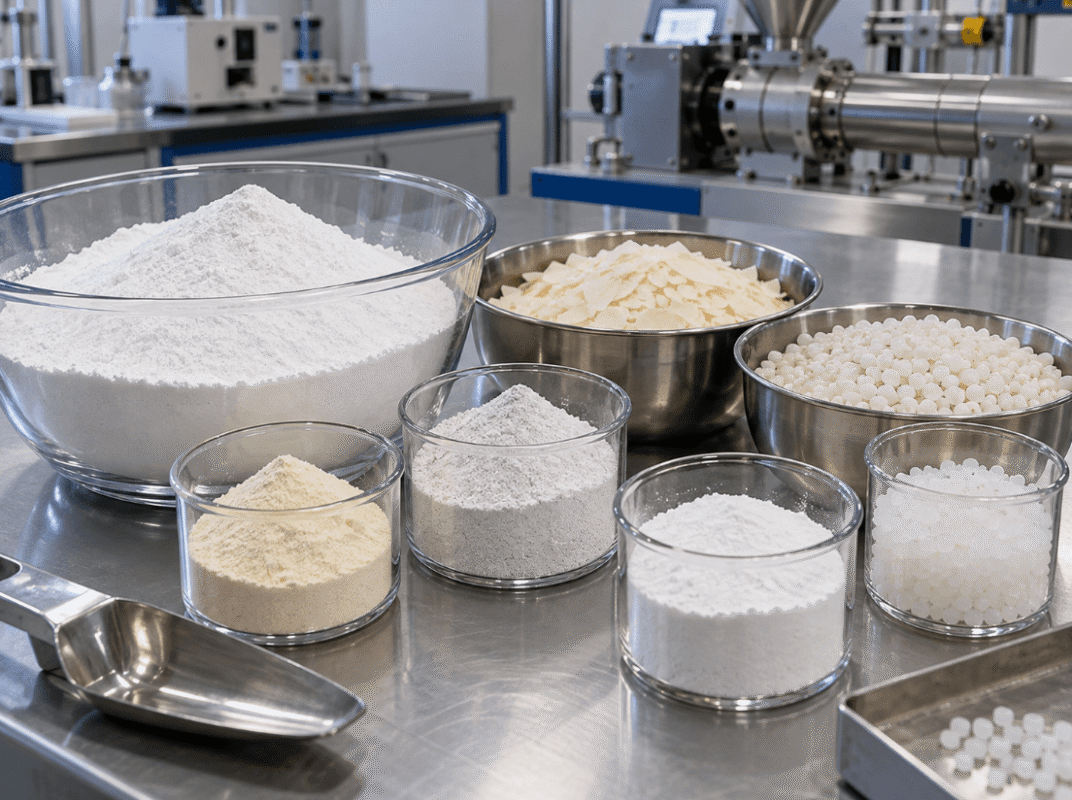
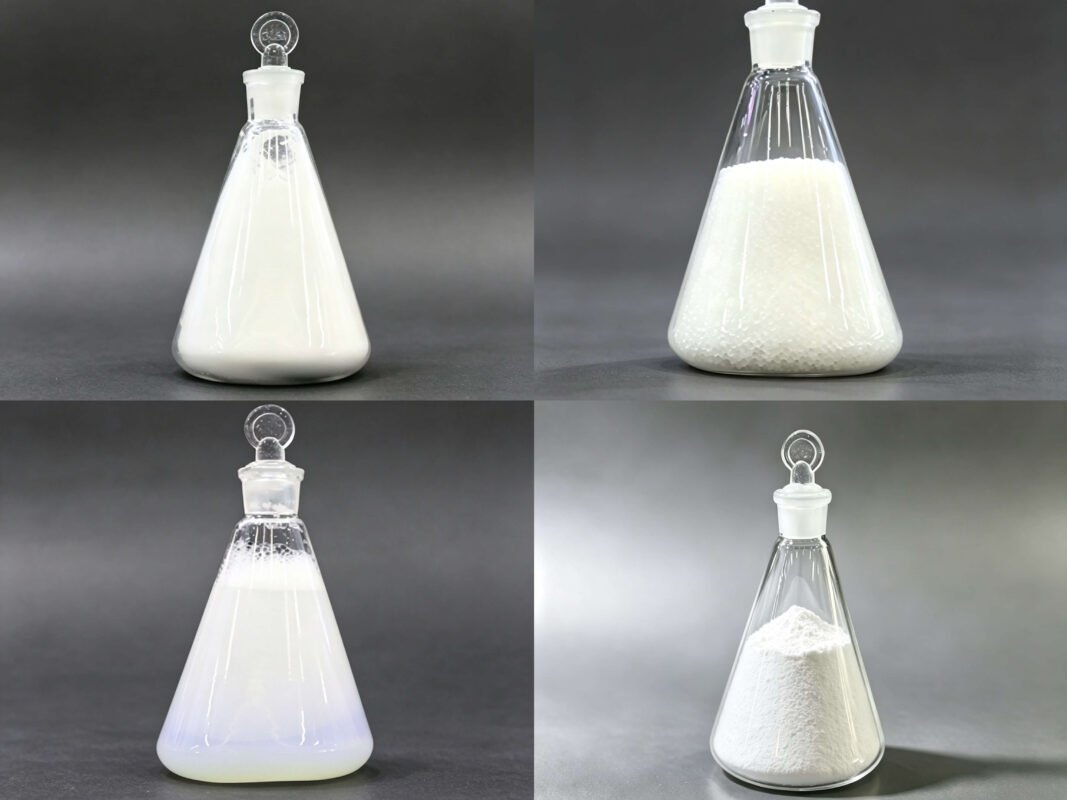
Modern facilities are moving away from individual component weighing toward “One-Pack” systems, such as those developed by MKQ Chem. These composite stabilizers integrate primary stabilizers, internal/external lubricants, and antioxidant agents into a single dust-free flake or pellet.
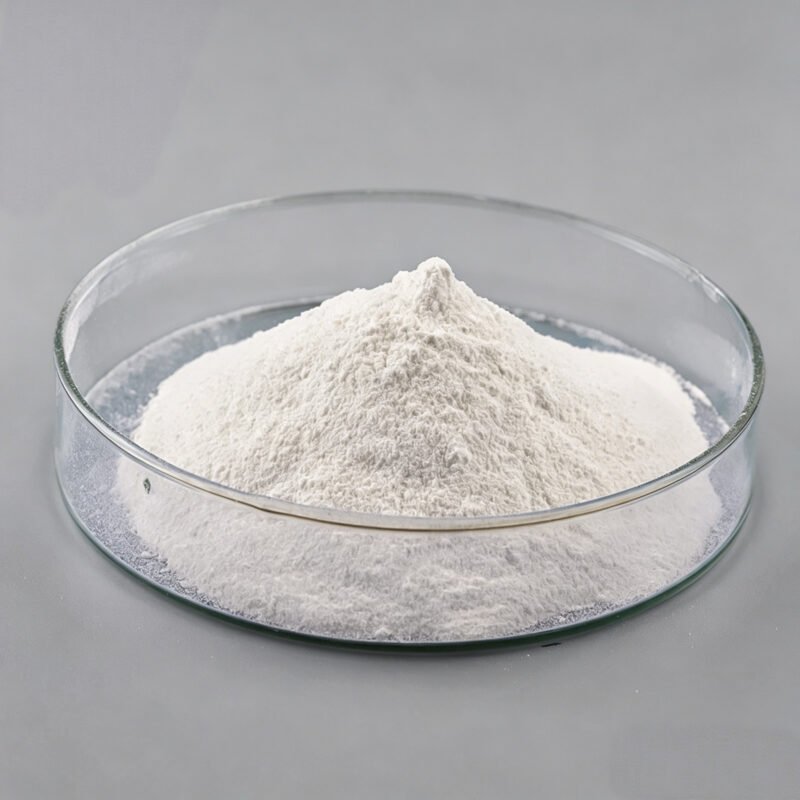
Using a pre-formulated one-pack system eliminates human error in the weighing room and ensures that the lubrication balance—which is the most common cause of “plate-out” (additive buildup on the die)—is consistent across every batch. For high-pressure pipe applications (ASTM D1785), the synergy within a one-pack system ensures that the mechanical strength and impact resistance are uniform throughout the pipe wall.
Practical Selection Logic for Plant Managers
Choosing the “best” stabilizer depends on your specific machinery and end-use requirements:
- For High-Speed Twin Screw Extruders: Prioritize stabilizers with a balanced internal/external lubrication package to prevent frictional heat buildup.
- For Recycled PVC Content: If your pipe formulation includes regrind or post-consumer waste, you require a stabilizer with a higher “reserve” of acid-scavenging capacity to handle the pre-degraded material.
- For Pressure Applications: Ensure the stabilizer does not negatively affect the hydrostatic strength. Some low-quality lubricants can migrate to the surface, creating weak points in the polymer matrix.
Conclusion
In the current industrial context, the Calcium-Zinc One-Pack stabilizer is generally considered the best all-around choice for pipe production. It balances regulatory compliance with high-performance thermal protection and simplified handling. However, for specialized industrial applications where environmental regulations are less stringent, lead-based systems still offer unmatched process stability.
For engineers looking to optimize their formulation, the goal is to match the stabilizer’s fusion profile with the residence time of the specific extruder in use.
FAQ
Q1: Why is lubrication balance so important in PVC pipe stabilizers?
A: If the internal lubrication is too high, the PVC will not fuse properly, leading to poor mechanical strength. If external lubrication is too high, it causes “slippage” in the barrel, reducing output and causing surface defects like “plate-out” on the die.
Q2: Can I use the same stabilizer for PVC pipes and PVC profiles?
A: Not recommended. Pipes generally require higher impact resistance and different fusion characteristics than window profiles. Profile stabilizers often contain different levels of titanium dioxide (TiO2) and different lubrication ratios that may not suit the thick-wall requirements of pipe extrusion.
Q3: How do I know if my stabilizer is failing during production?
A: The most immediate signs are “burning” (black specks in the melt), yellowing of the pipe, or a sudden increase in motor torque. In long-term testing, failure to pass the “crush test” or hydrostatic pressure test often indicates insufficient stabilization.
Q4: Is Methyl Tin stabilizer safe for drinking water pipes?
A: Yes, specifically Methyl Tin Mercaptides are FDA-approved and widely used in North America for potable water systems, though they are less common in European markets compared to Ca-Zn.
Reference Sources
- ASTM D1785: Standard Specification for Poly(Vinyl Chloride) (PVC) Plastic Pipe, Schedules 40, 80, and 120.
https://www.astm.org/ - The Vinyl Institute: Technical resources on PVC additives and sustainability.
https://www.vinylinfo.org/ - ISO 1452: Plastics piping systems for water supply and for buried and above-ground drainage and sewerage under pressure — Unplasticized poly(vinyl chloride) (PVC-U).
https://www.iso.org/home.html - SGS Technical Reports: Analysis of thermal stability in polymer additives.
https://www.sgs.com/en