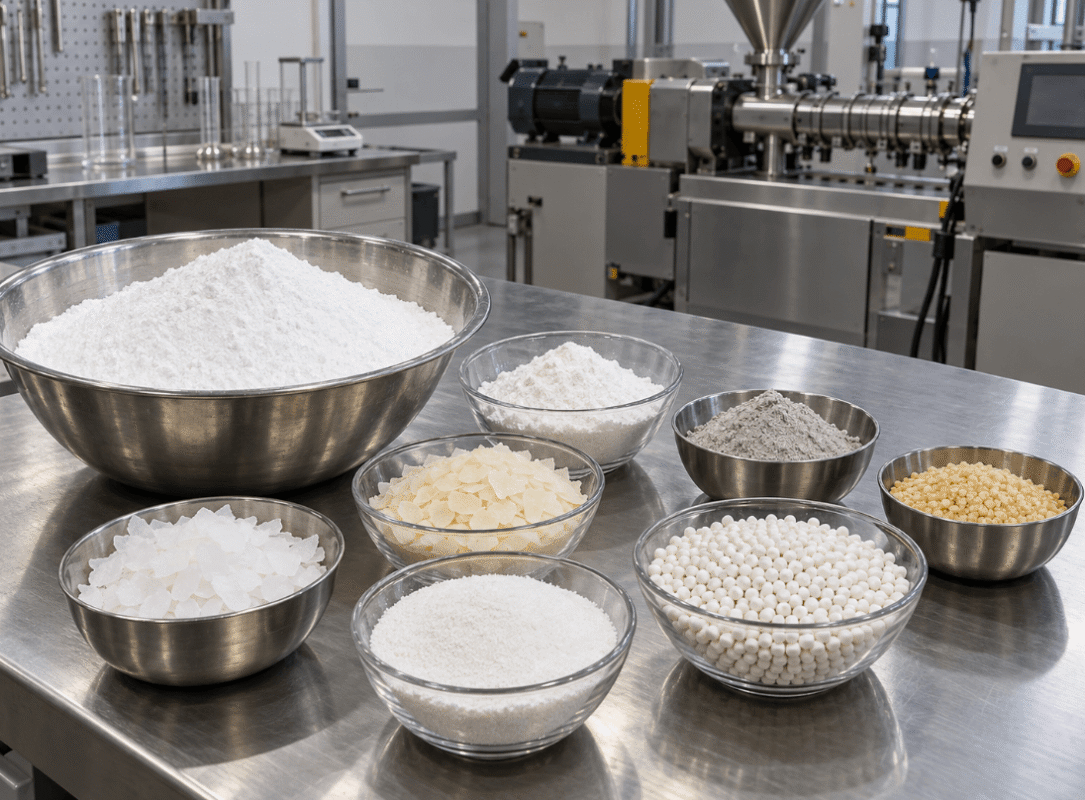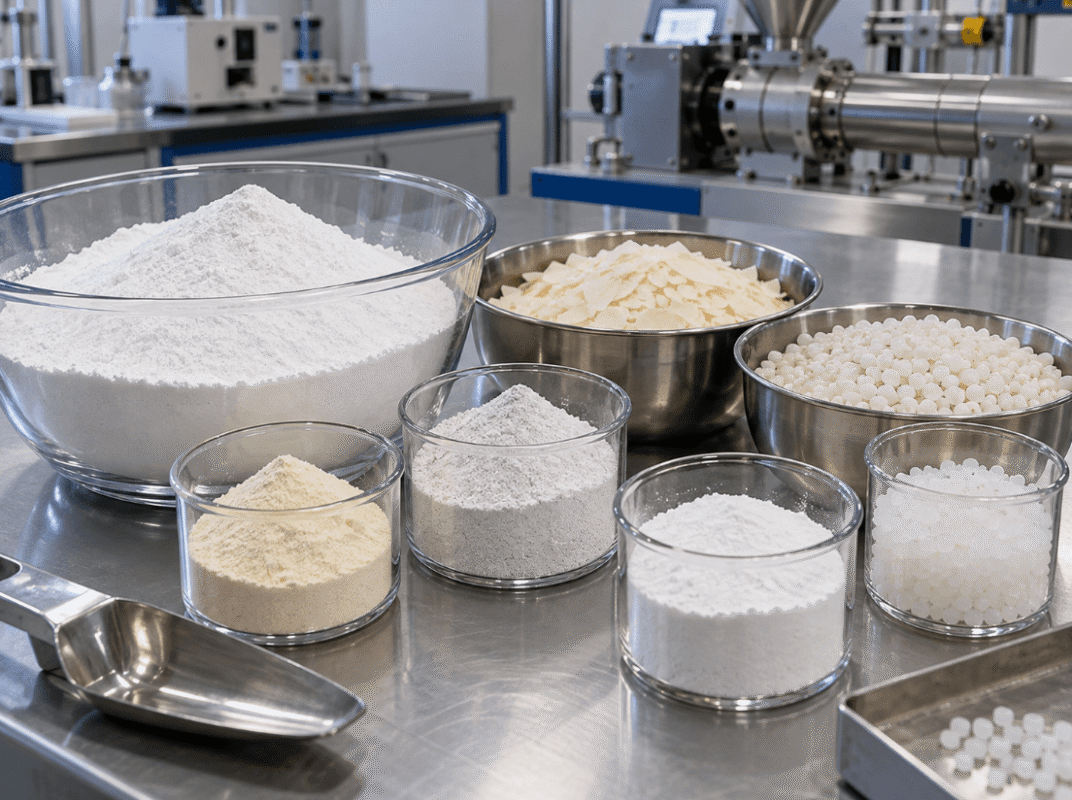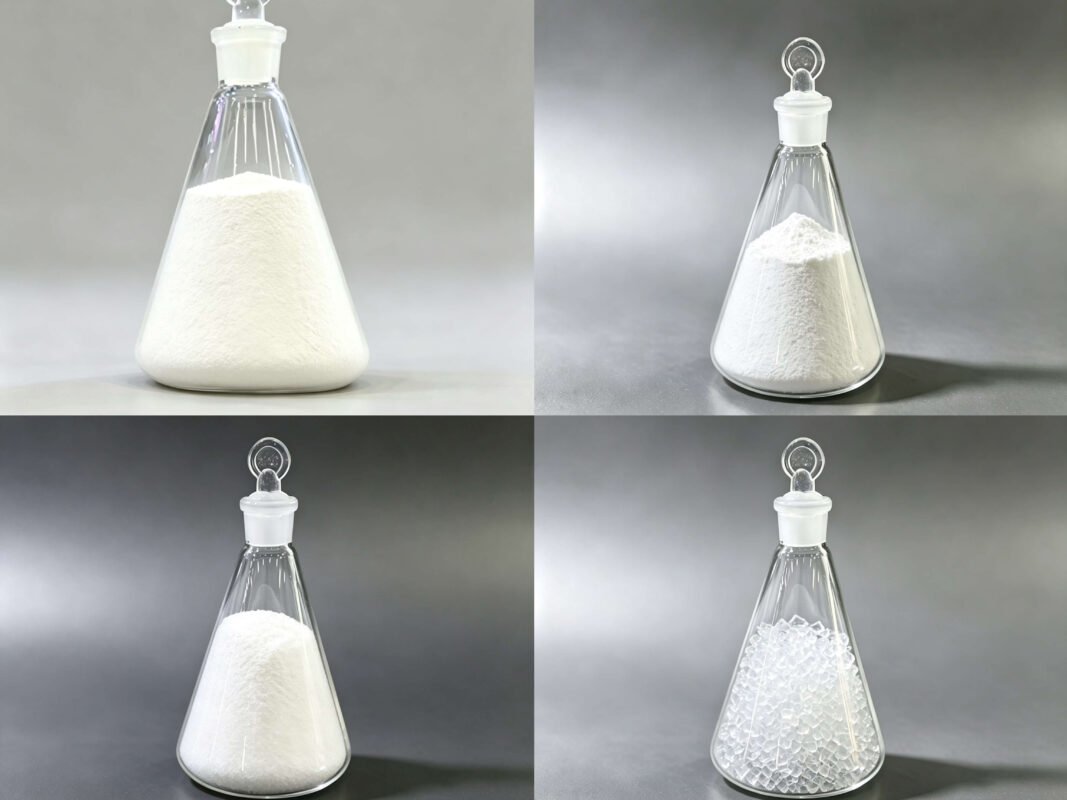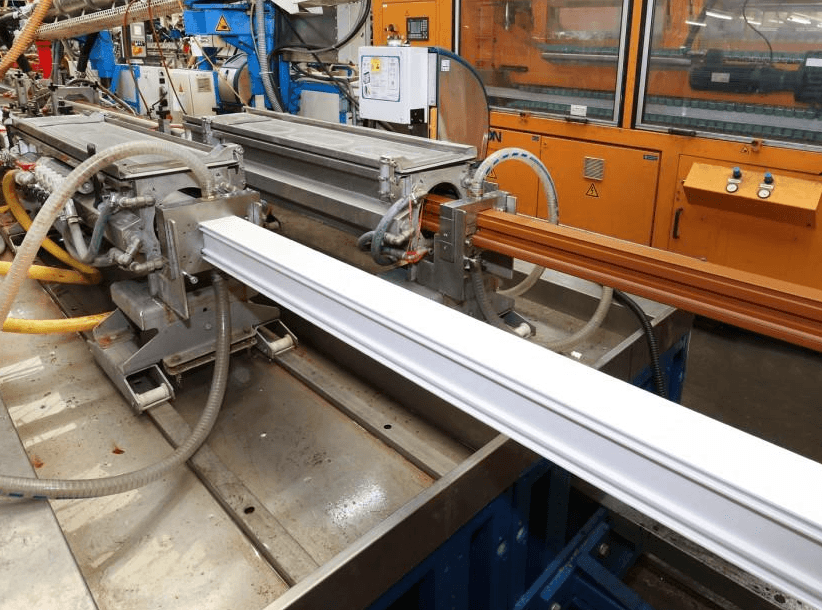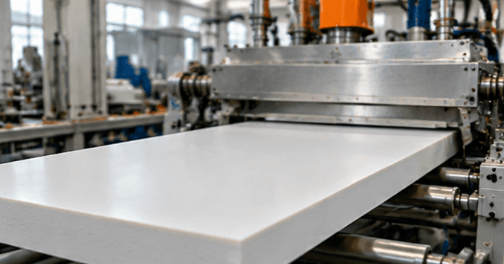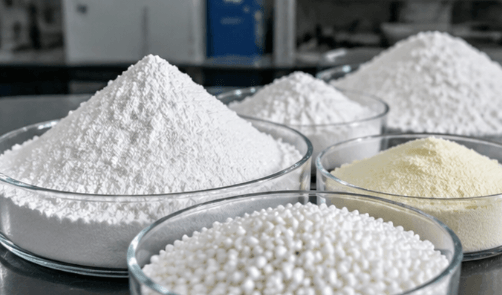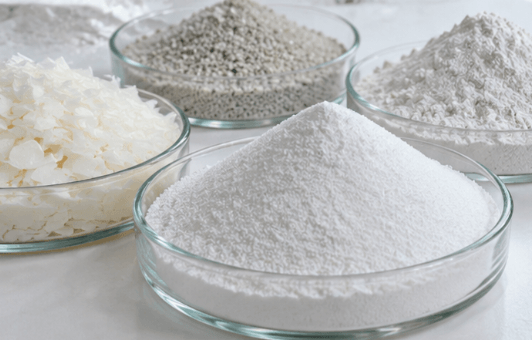


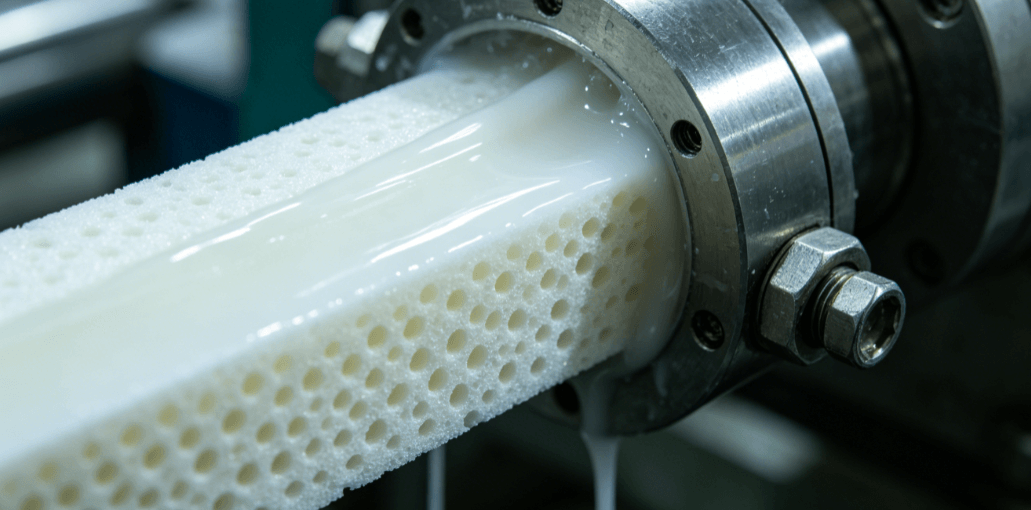
The production of PVC foam boards—whether for construction, signage, or cabinetry—is a delicate balancing act of chemical engineering and mechanical precision. At the heart of this process lies the PVC processing aid, a critical additive that dictates the success of the final product’s density, structural integrity, and surface quality. Without these specialized acrylic-based copolymers, achieving a uniform “closed-cell” structure would be nearly impossible under standard industrial extrusion conditions.
In the world of polymer processing, PVC is notoriously difficult to handle. It has a high melt viscosity and a narrow processing temperature window. When we introduce a blowing agent to create a foam board, the complexity increases. The gas released by the blowing agent must be trapped within the polymer melt to create bubbles. If the melt is too weak, the bubbles collapse or coalesce, leading to “large holes” or a brittle, uneven board. This is where our expertise in PVC processing aids becomes essential to the manufacturing workflow.
Why PVC Processing Aids are Essential for Foam Board Melt Strength
The primary function of a processing aid in foam board production is to increase melt strength and elasticity. Standard PVC resin lacks the cohesive force required to withstand the internal pressure of expanding gases. When we incorporate high-molecular-weight acrylic processing aids, they act as a “molecular bridge” between the PVC chains.
This entanglement significantly increases the elasticity of the melt. During extrusion, as the blowing agent decomposes into gas, the processing aid ensures the PVC walls surrounding each bubble can stretch without rupturing. This results in a fine, uniform cell structure throughout the cross-section of the board. From our experience in industrial manufacturing, a lack of sufficient melt strength often manifests as surface roughness or internal voids, which compromises the board’s screw-holding capacity and mechanical strength.
Technical Comparison: Processing Aids vs. Internal Lubricants
It is common to confuse processing aids with lubricants, but their roles in a PVC formulation are distinct and complementary. Understanding this difference is vital for any process engineer looking to optimize a production line.
| Feature | PVC Processing Aid (ACR) | Internal/External Lubricants |
| Primary Goal | Increase melt strength & fusion rate | Reduce friction & prevent sticking |
| Mechanism | Promotes chain entanglement | Reduces intermolecular forces |
| Impact on Foam | Stabilizes cell structure | Controls heat generation |
| Surface Finish | Enhances gloss and smoothness | Prevents “plate-out” on dies |
| Molecular Weight | Very high (Millions of g/mol ) | Low (Waxes or Fatty acids) |
While lubricants help the material move through the extruder, our processing aids ensure that once the material exits the die, it maintains the precise shape and density required by the project specifications.
How Application Scenarios Dictate Processing Aid Selection
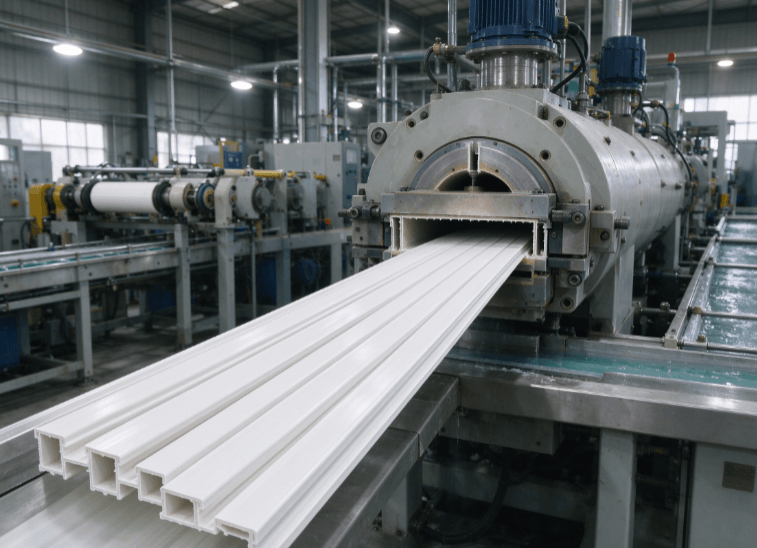
The choice of a PVC processing aid depends heavily on the type of foam board being produced. The two most common methods—the Celuka process and the Free-foam process—require different melt behaviors.
- The Celuka Process: This method produces a board with a very hard, high-density outer skin and a foamed core. Because the cooling occurs immediately at the die surface, the processing aid must provide exceptional melt flow and high-pressure stability. In these applications, we recommend aids with a balanced molecular weight to ensure the surface remains “mirror-smooth” while the interior stays light.
- The Free-Foam Process: In this setup, the foam expands freely after exiting the die. Here, the melt strength requirements are even higher because there is no external mold to contain the expansion. High-molecular-weight aids are non-negotiable here to prevent the foam from collapsing under its own weight during the cooling phase.
At MKQCHEM, we offer a specialized range of high-performance PVC processing aids tailored for these specific manufacturing challenges. By adjusting the molecular weight and composition, we help manufacturers achieve densities ranging from 0.4g/cm³ to 0.8g/cm³ without sacrificing the mechanical properties of the board.
Optimizing the Fusion Process in PVC Extrusion
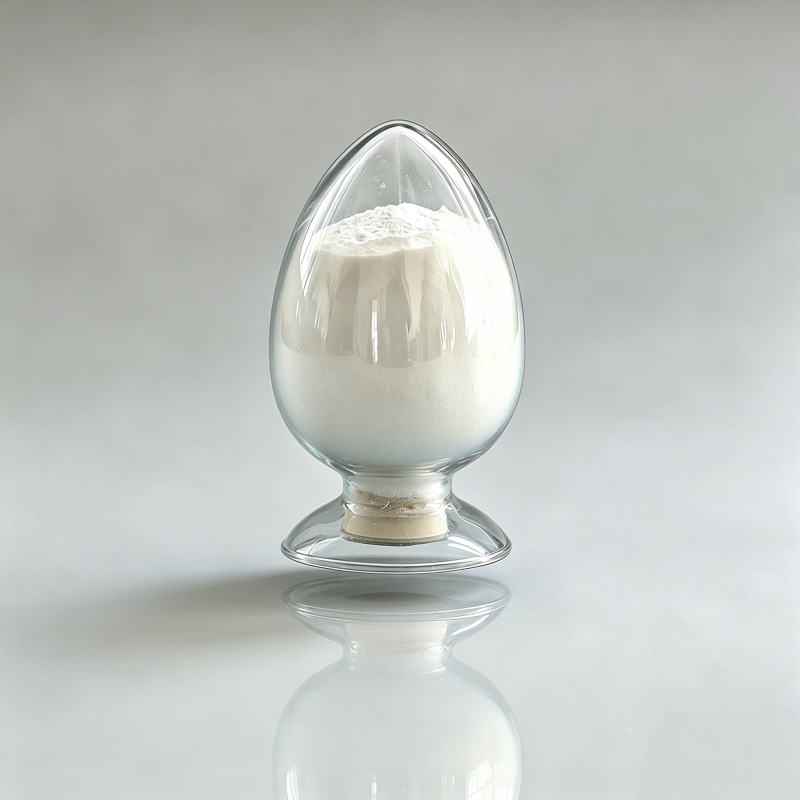
One of the secondary but vital roles of a processing aid is the promotion of fusion (gelation). PVC powder must be transformed into a homogeneous melt before it reaches the die. If fusion occurs too late, the blowing agent will escape before the melt is ready to trap it. If it occurs too early, the material may degrade due to excessive shear heat.
High-efficiency processing aids accelerate the fusion process by increasing the friction between PVC particles at the early stages of the extruder screw. This leads to a more uniform melt temperature. For manufacturing consultants and OEM managers, this translates to higher production speeds and lower energy consumption per kilogram of finished product. We have observed that optimizing the fusion rate can reduce “yellowing” caused by localized overheating, as the processing aid allows for a more controlled distribution of heat throughout the polymer matrix.
Impact of Processing Aids on Physical Properties and Compliance
Beyond the extrusion line, the processing aid continues to provide value in the finished product’s lifecycle. A well-dispersed acrylic processing aid improves the impact resistance of the foam board. By ensuring a dense and uniform cell structure, the board becomes less prone to cracking during cutting, routing, or installation.
Furthermore, in construction and signage applications, chemical stability is paramount. Our additives are designed to be compatible with a wide range of stabilizers and fillers, such as Calcium Carbonate (CaCO3). Even in high-filler formulations, which are often used to reduce costs, a high-quality processing aid maintains the necessary melt integrity to carry the filler load without making the board excessively brittle.
Manufacturing Logic: Dos and Don’ts of Additive Loading
When we advise on formulation adjustments, the “loading” or dosage of the processing aid is the most sensitive variable.
- Under-loading: Results in “gas escape,” large irregular cells, high density, and a rough surface finish.
- Over-loading: Leads to excessive melt pressure, potential thermal degradation, and increased production costs without marginal gains in quality.
Typically, for a standard PVC foam board, the dosage of a high-molecular-weight processing aid ranges between 5 to 12 parts per hundred resin (phr), depending on the desired density and the equipment’s torque limits. It is always recommended to perform a pilot run when switching resin grades, as the K-value of the PVC resin will significantly influence how the processing aid performs.
FAQ
Q: How does a PVC processing aid affect the density of the final foam board?
A: A processing aid primarily lowers density by increasing melt strength. When the melt is strong enough to hold gas bubbles without breaking, more gas can be incorporated, resulting in a lighter, lower-density board. Without the aid, bubbles collapse, and the density remains high.
Q: Can I use the same processing aid for WPC (Wood Plastic Composite) foam boards?
A: Yes, but the requirements are slightly different. WPC contains wood fibers that increase friction and viscosity. We suggest using a processing aid with excellent lubrication-promotion properties to handle the higher torque while still maintaining the melt strength needed to foam around the fibers.
Q: Is it possible to replace ACR processing aids with other materials?
A: While some manufacturers experiment with other polymers, acrylic-based copolymers (ACR) remain the industry standard due to their excellent compatibility with PVC and their ability to provide the highest melt strength per gram of additive.
Q: How do I know if my processing aid is working correctly during production?
A: Look at the “die swell” and the cell structure of a cross-section sample. If the board expands uniformly and the cells are small and closed (not visible to the naked eye as large holes), the processing aid is functioning well. If the board feels “papery” or has large internal voids, you may need to increase the molecular weight or dosage.
Q: Does the processing aid affect the weatherability of outdoor PVC boards?
A: Acrylic-based aids are generally very stable and do not negatively impact UV resistance. In fact, by helping create a smoother, non-porous surface skin, they can indirectly improve weatherability by preventing moisture and pollutants from penetrating the core of the board.
Reference Sources
ASTM D1784 – Standard Specification for Rigid Poly(Vinyl Chloride) (PVC) Compounds
https://www.astm.org/d1784-20.html
ISO 9001:2015 — Quality Management Systems — Requirements (ISO Standard 62085)
https://www.iso.org/standard/62085.html
SGS Chemical Testing for Polymer Additives and Compliance
https://www.sgs.com/en/service-groups/chemical-testing
The Vinyl Institute – Technical Resources for PVC Processing
https://www.vinylinfo.org/resources/