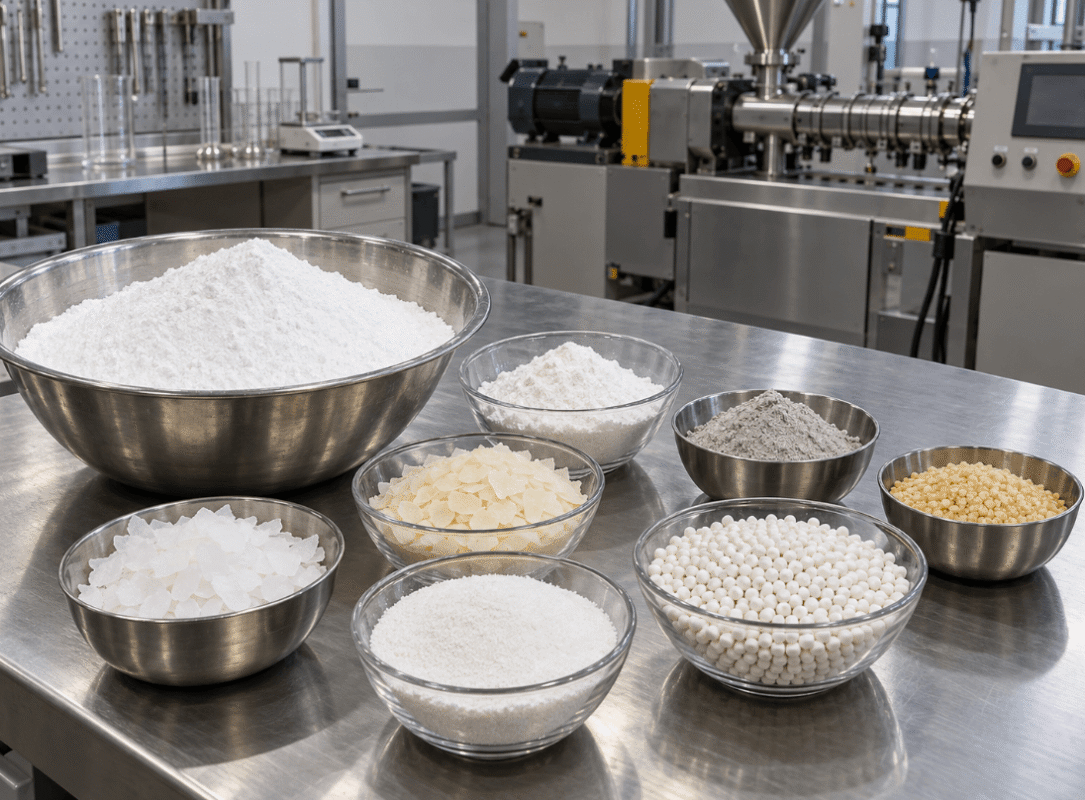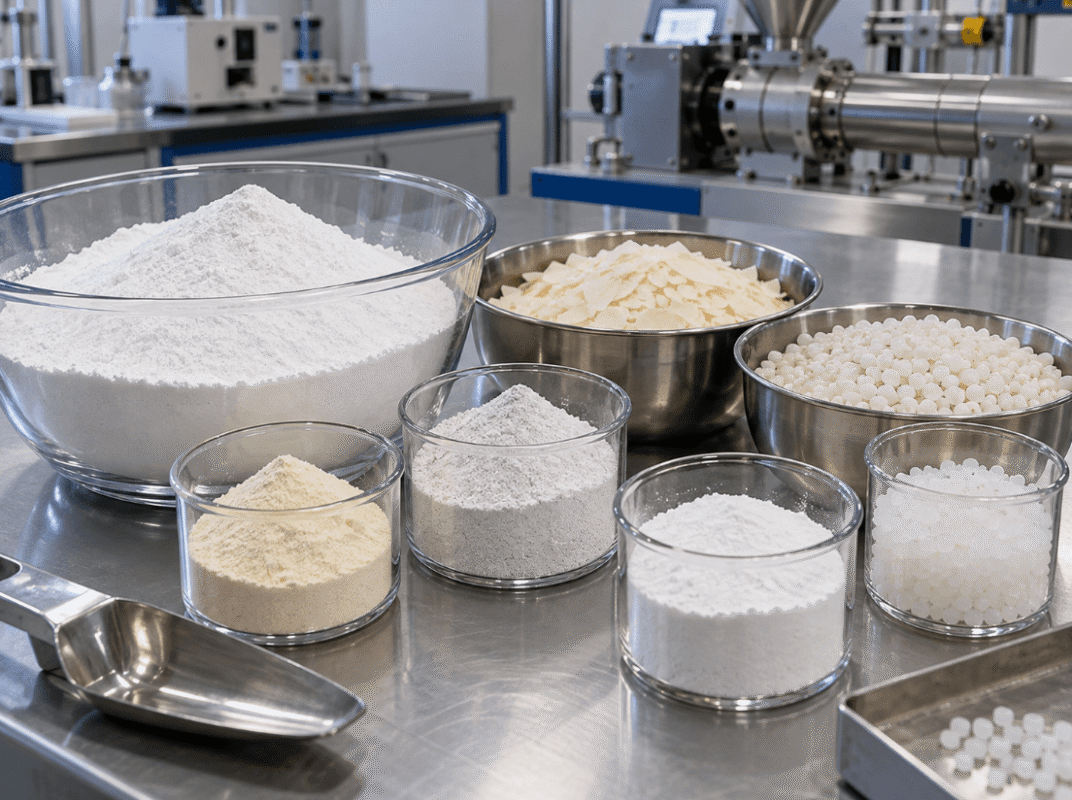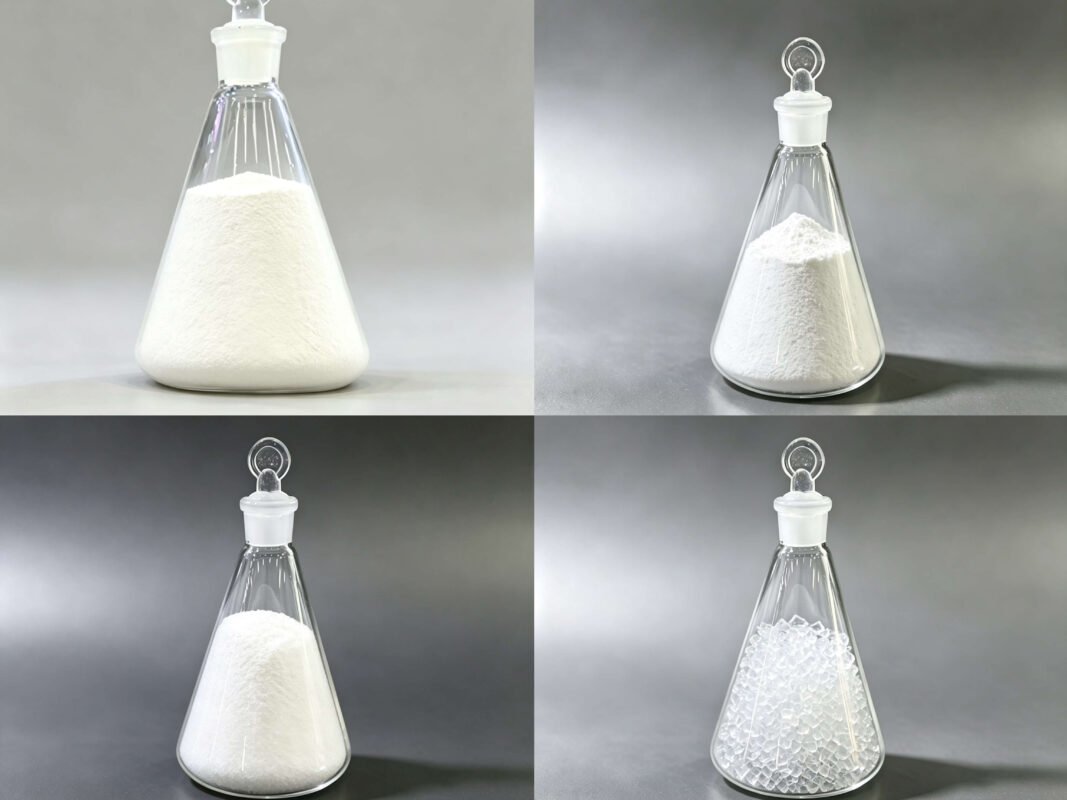


Achieving the perfect balance between board density, surface smoothness, and structural integrity is the primary challenge in PVC foam board manufacturing. The selection of a chemical blowing agent is not merely a procurement decision but a technical choice that defines the physical properties of the final product.
In our experience, the “best” foaming agent is never a one-size-fits-all solution. It depends heavily on the extrusion temperature, the desired board thickness, and the specific density requirements of your project. We focus on developing specialized PVC foaming agents that allow manufacturers to maintain consistent cell structures across high-volume production runs.
Whether you are producing high-density construction boards or lightweight signage materials, understanding how gas release timing affects the polymer melt is critical. This guide breaks down the technical nuances of chemical blowing agents to help you optimize your formulation.
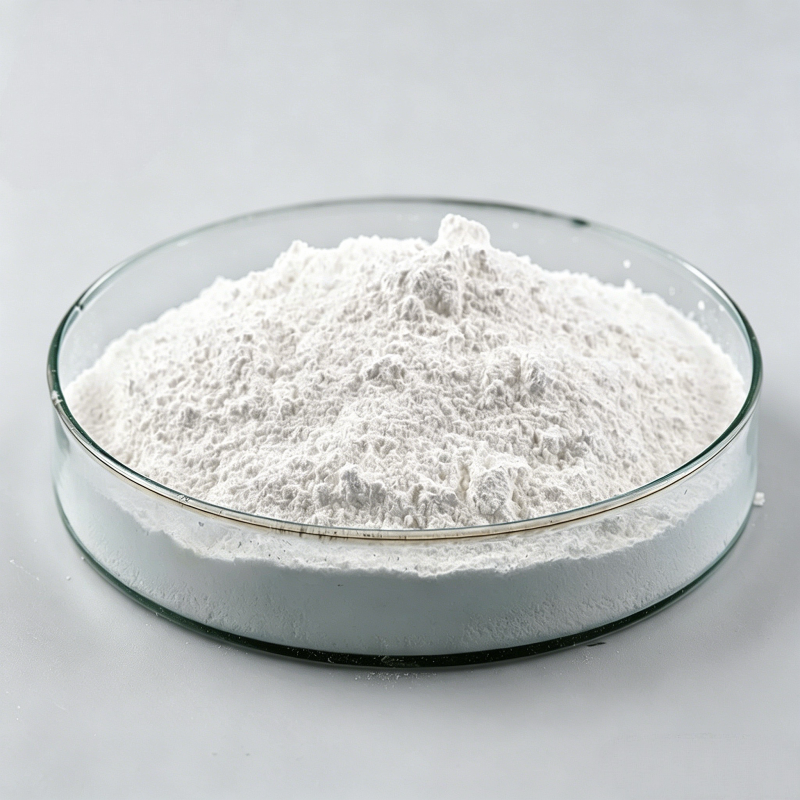
What Makes a PVC Foaming Agent “Best” for Your Production?
A high-quality foaming agent must decompose at a temperature that matches the processing window of your PVC resin. If the gas releases too early, the bubbles escape through the melt, leading to surface defects. If it releases too late, the board will be under-foamed and excessively heavy.
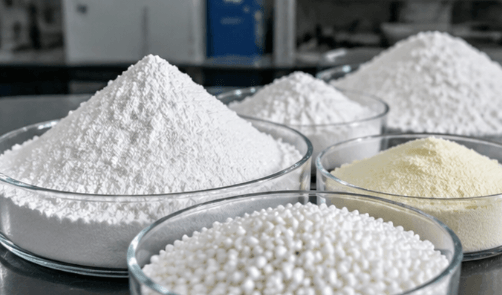
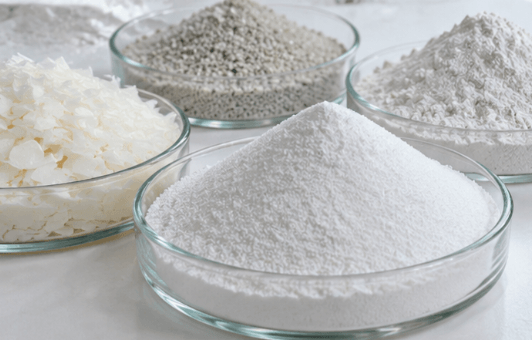
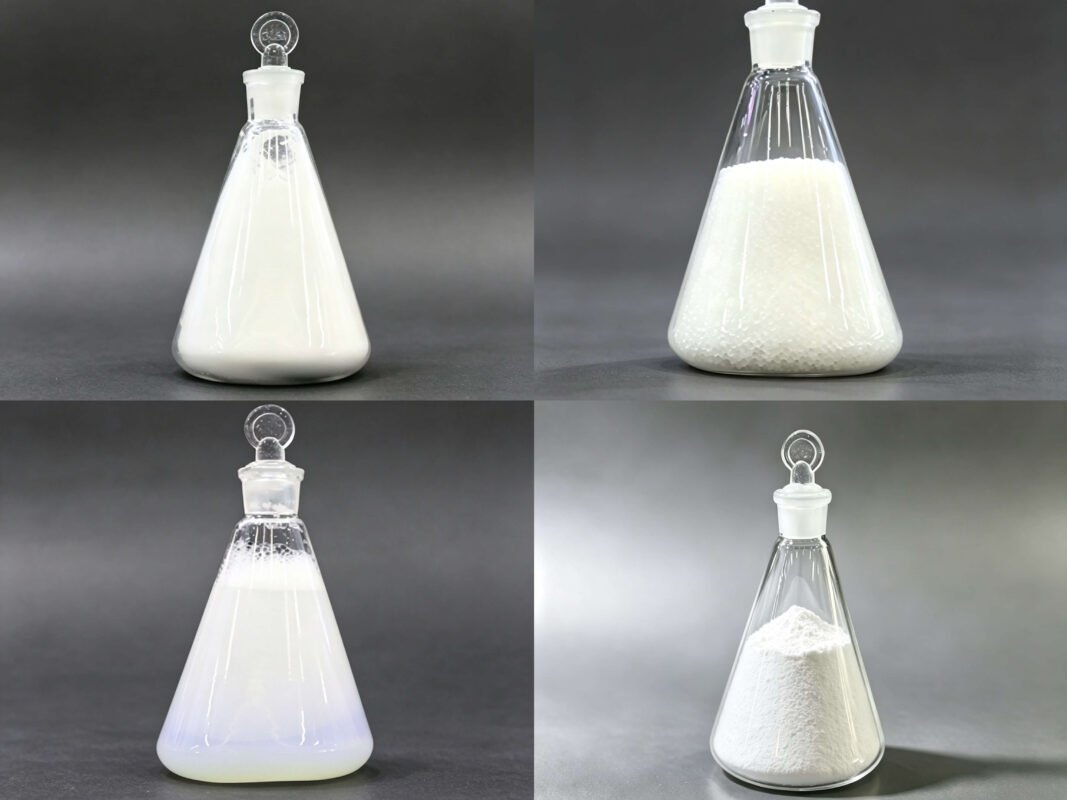
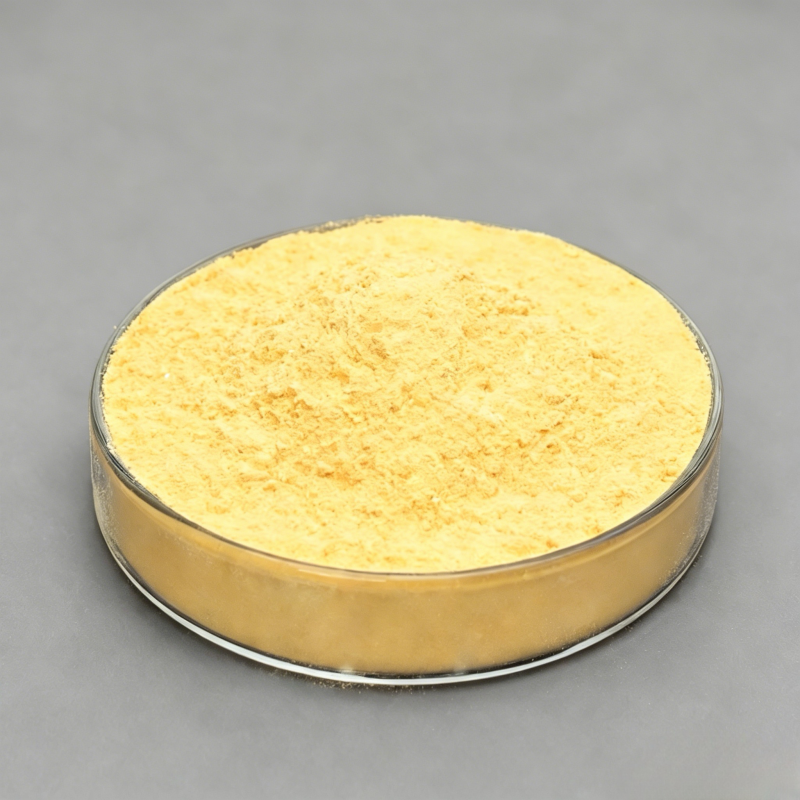
The most common chemicals used in this process are Azodicarbonamide (AC) and Sodium Bicarbonate-based (NC) agents. AC is exothermic, meaning it releases heat during decomposition, which is ideal for creating high-pressure, fine cell structures. NC is endothermic, absorbing heat and producing a more controlled, cooling effect often preferred for thicker boards where internal heat buildup can cause core burning.
At MKQ Chem, we have observed that the most successful manufacturers often utilize a balanced combination of these two. This “balance” ensures that the gas yield is high enough to reduce density while the cooling effect of the NC agent prevents the board from turning yellow or becoming brittle.
Matching Chemical Blowing Agents to Board Density and Thickness
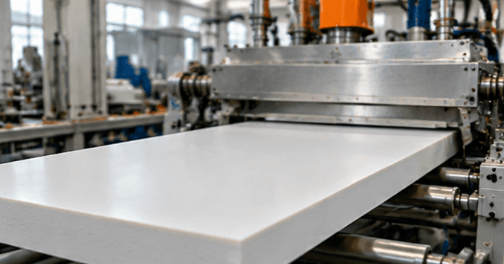
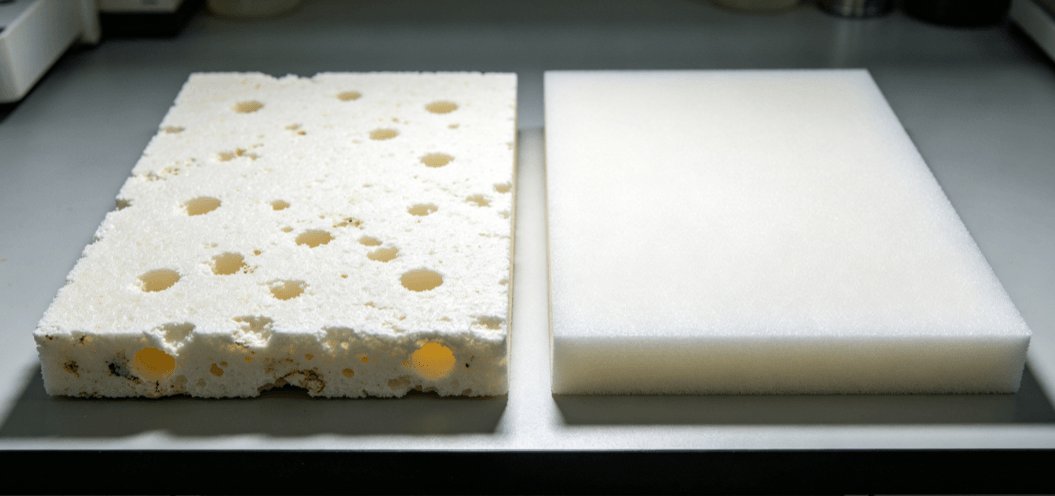
Different board applications require specific gas release profiles to ensure the structural cells do not collapse during the cooling stage of extrusion. High-density boards used in furniture require a more rigid, uniform cell structure than lightweight advertising boards.
| Application Type | Recommended Agent Type | Key Performance Benefit |
| Thin Rigid Board (3-8mm) | High Gas Yield AC Agent | Fast expansion, high surface hardness |
| Thick Construction Board (10-30mm) | Endothermic NC/AC Blend | Prevents core yellowing, uniform density |
| WPC Foam Board | Modified AC with Kickers | Improved compatibility with wood fibers |
| High-Gloss Signage Board | Fine Particle Size AC | Ultra-smooth surface, no visible pitting |
We often advise our clients to evaluate the particle size of the foaming agent. Finer particles (measured in microns) lead to more nucleation sites. This results in smaller, more numerous bubbles, which directly translates to a smoother surface and better screw-holding capacity in the finished foam board.
How Does Gas Yield Impact the Structural Integrity of PVC Boards?
Gas yield is measured in milliliters per gram (ml/g) and represents the total volume of gas released during the chemical reaction. While it might seem logical to choose the agent with the highest gas yield to save on material costs, this can lead to “over-foaming.”
When too much gas is introduced into the PVC melt, the cell walls become too thin. This creates a board that feels “squishy” or lacks the impact resistance required for construction applications. We recommend a systematic approach to dosage:
- Calculate Theoretical Density: Determine your target density (e.g., 0.55 g/cm³).
- Monitor Melt Pressure: Ensure the blowing agent provides enough pressure to fill the die completely.
- Cross-Section Inspection: Check for “large cells” or voids in the center of the board, which indicate gas coalescence.
- Cooling Rate Adjustment: High gas yield requires faster cooling to “freeze” the foam structure before the cells expand too far.
Through our laboratory testing at MKQ Chem, we provide specific foaming agent grades designed to stabilize the melt even at lower densities. This ensures that the structural integrity remains intact even when you are pushing the limits of material reduction.
Optimizing Extrusion: Synchronizing Temperature and Gas Release?
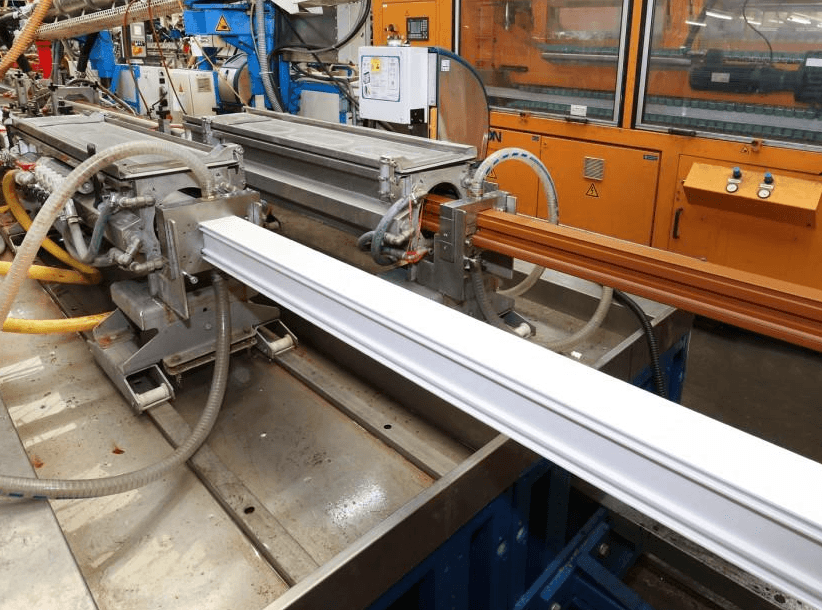
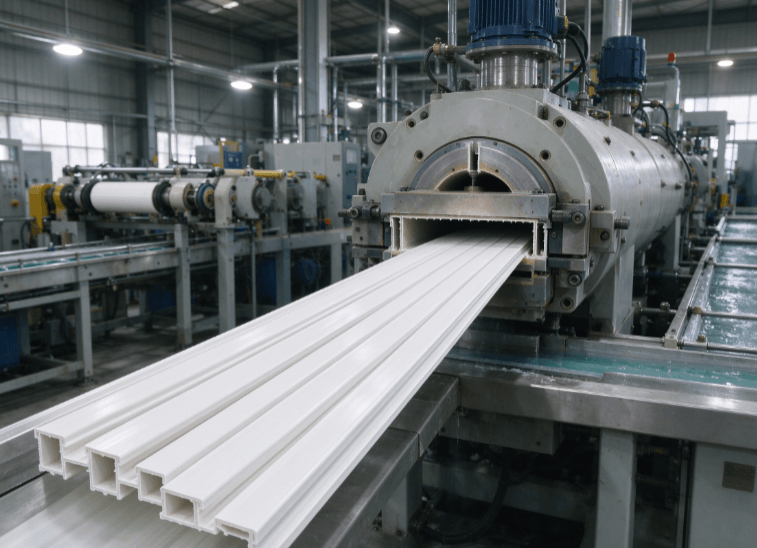
The most common failure in PVC foam board production is the mismatch between the extruder’s temperature profile and the foaming agent’s decomposition temperature. This often leads to yellowing, uneven thickness, or “orange peel” textures on the surface.
To solve this, we use “kickers” or chemical activators. These additives allow us to lower the decomposition temperature of a standard AC agent. This is particularly useful when working with heat-sensitive PVC formulations or when trying to speed up production lines without increasing the temperature of the die.
Proper synchronization requires precise control over the middle zones of the extruder. This is where the foaming agent begins its transition. If the temperature in these zones is too high, the gas will be spent before the melt reaches the die. By choosing an agent from our specialized PVC foaming agent category, you gain better control over this activation curve, leading to a more stable production process.
Commercial Evaluation: Assessing Cost-Performance for Bulk Procurement
When evaluating suppliers for PVC foaming agents, focusing solely on the price per kilogram is a common mistake. In the chemical additives industry, the true cost is measured by the “cost-to-performance ratio.”
A cheaper foaming agent often has lower gas yield or inconsistent particle size distribution. This results in higher dosage requirements or higher scrap rates due to quality defects. We recommend that procurement managers look for the following technical benchmarks:
- Batch-to-Batch Consistency: Variations in decomposition temperature can ruin an entire production shift.
- Purity Levels: Impurities can cause specks on the board surface or damage expensive extrusion screws.
- Technical Support: Does the supplier understand how the agent interacts with your specific lead or Ca-Zn stabilizers?
At MKQ Chem, we provide more than just the raw material. We assist in formulation adjustments to ensure our products integrate seamlessly with your existing manufacturing workflow. Our goal is to help you reduce the total cost of ownership by lowering the density of your boards without sacrificing quality.
If you are currently experiencing issues with inconsistent board weight or surface roughness, we invite you to consult with our engineering team. We can provide samples that are specifically calibrated for high-speed extrusion lines and complex PVC formulations.
FAQ
Q: Which foaming agent is best for producing pure white PVC foam boards?
A: For bright white boards, we recommend using a balanced NC (endothermic) foaming agent or a modified white AC agent. Standard AC agents tend to leave a slightly yellowish residue due to their decomposition byproducts. Using an endothermic agent helps keep the core temperature lower, preventing the thermal degradation of the PVC resin.
Q: How much foaming agent should I typically use in my formulation?
A: Most PVC foam board formulations require between 0.5% and 2.0% foaming agent by weight. The exact amount depends on the target density and the gas yield of the specific agent. We suggest starting with a lower dose and incrementally increasing it while monitoring the board’s weight and surface finish.
Q: Can I use the same foaming agent for both PVC and WPC (Wood Plastic Composite)?
A: While possible, it is not ideal. WPC contains organic fibers that hold moisture and react differently to heat. We offer specialized grades that include additional lubricants and coupling agents to ensure the gas distributes evenly around the wood fibers, preventing large voids.
Q: Why does my foam board have large bubbles in the middle but a solid surface?
A: This usually indicates that the internal temperature of the board is too high, causing the gas bubbles to merge (coalescence). This can be fixed by increasing the amount of endothermic (NC) agent in your blend or by improving the cooling capacity of your calibration plates.
Q: What is the shelf life of a chemical blowing agent?
A: Most chemical blowing agents are stable for at least 12 to 24 months if stored in a cool, dry place away from direct sunlight and heat sources. Moisture is the biggest enemy, as it can cause the powder to clump and lead to inconsistent dosing during extrusion.
Reference Sources
ASTM D1622 – Standard Test Method for Apparent Density of Rigid Cellular Plastics
https://www.astm.org/d1622_d1622m-14.html
ISO 9001:2015 Quality management systems – Requirements
https://www.iso.org/standard/62085.html
British Plastics Federation – PVC Additives and Foaming Agents
https://www.bpf.co.uk/plastipedia/additives/Default.aspx
National Center for Biotechnology Information – Azodicarbonamide Safety Data
https://pubchem.ncbi.nlm.nih.gov/compound/Azodicarbonamide