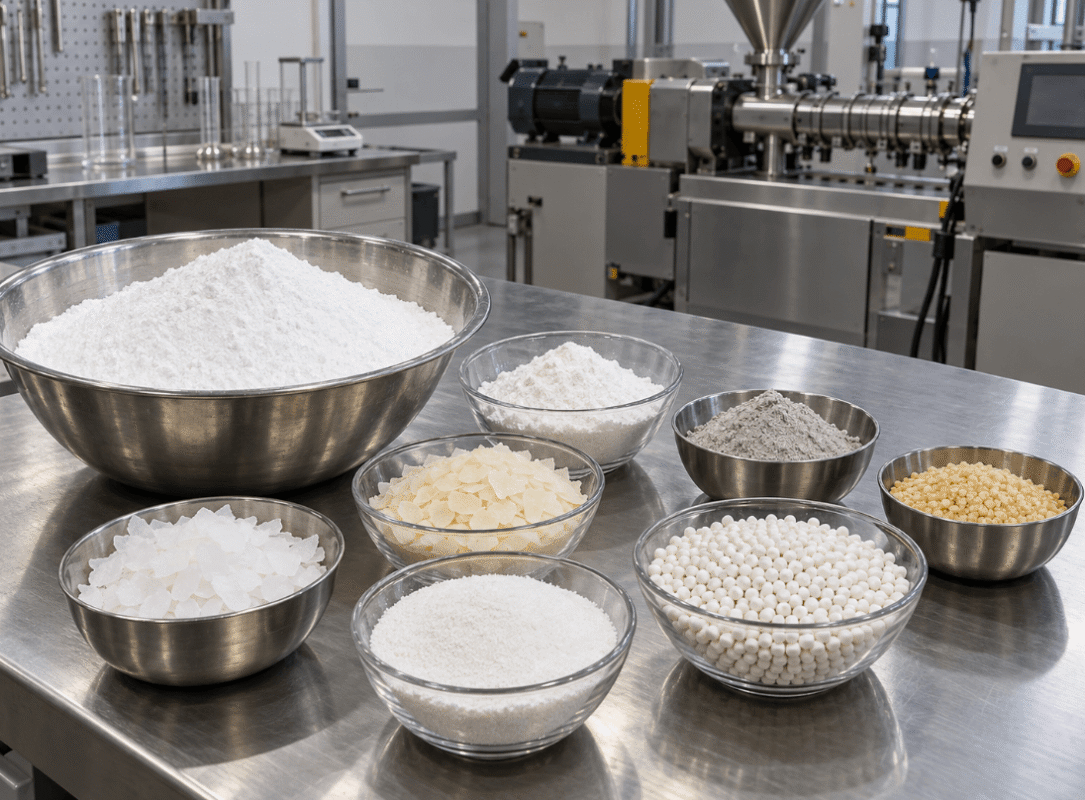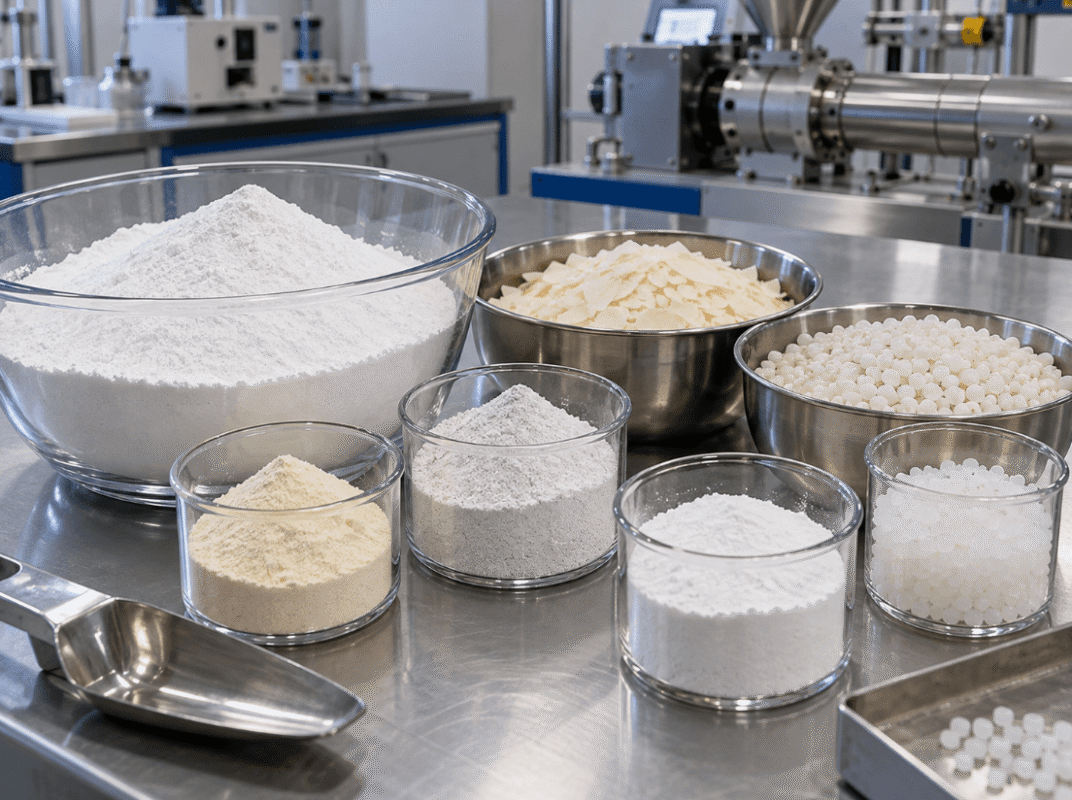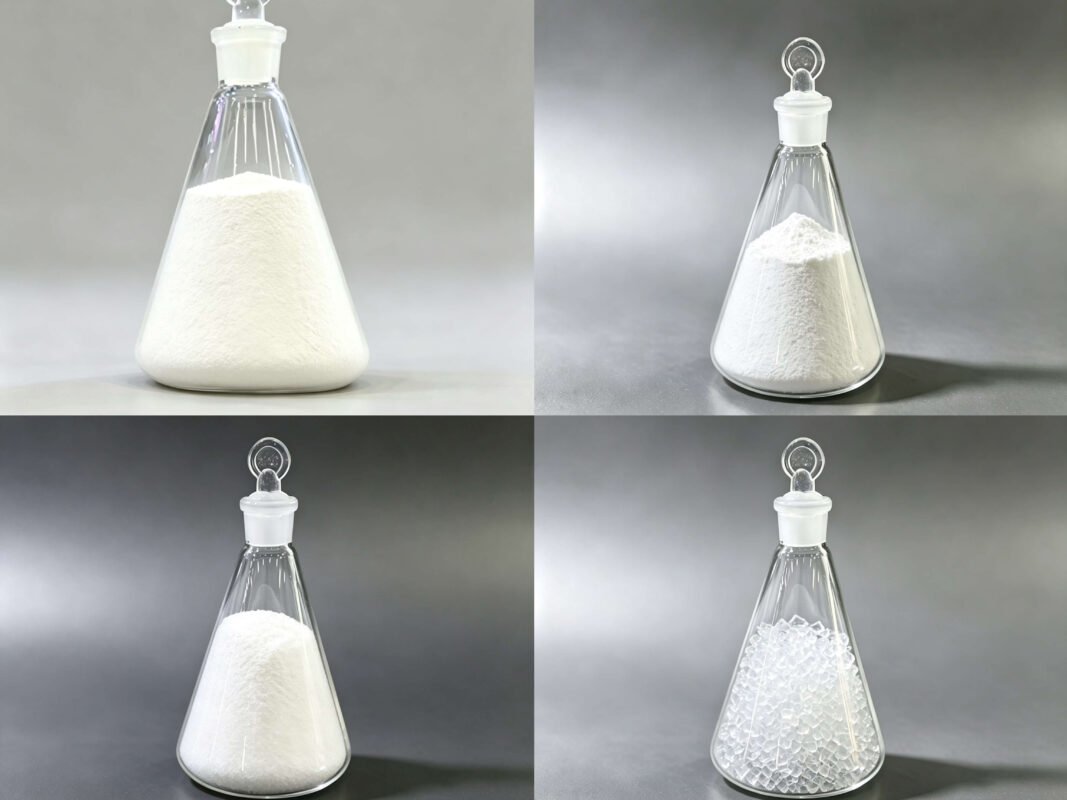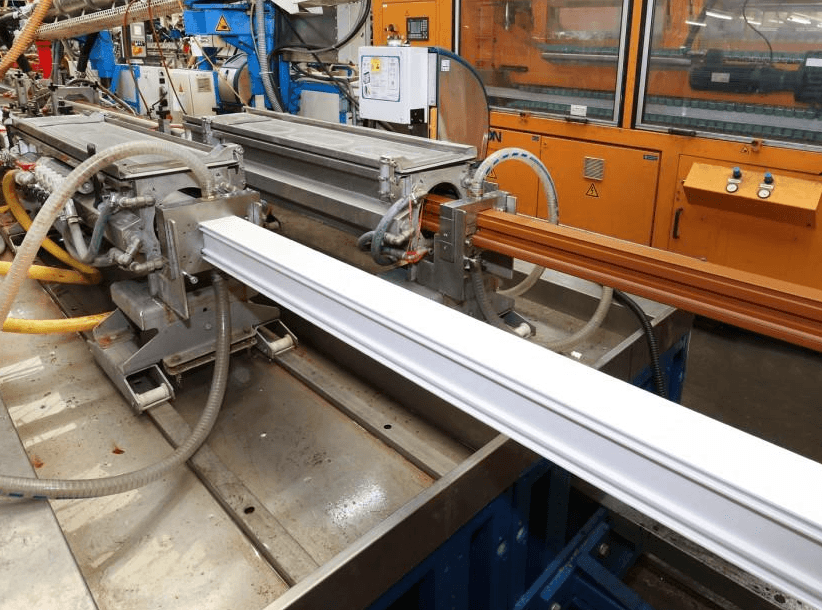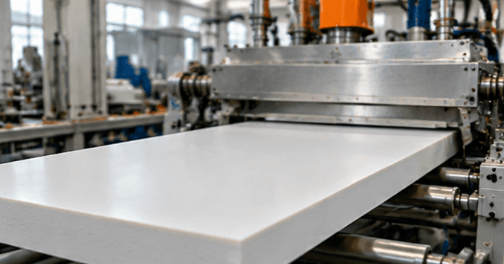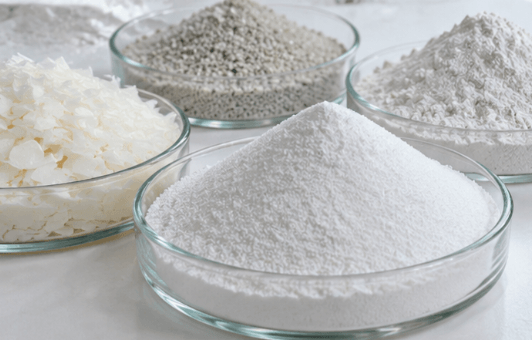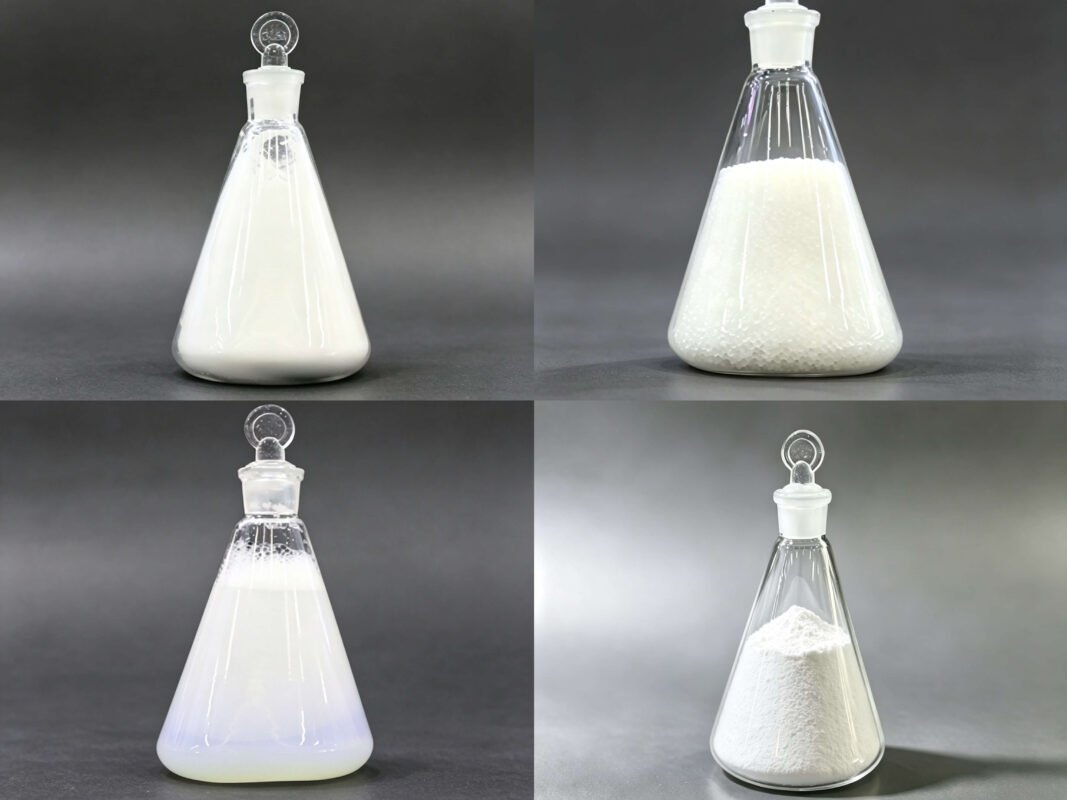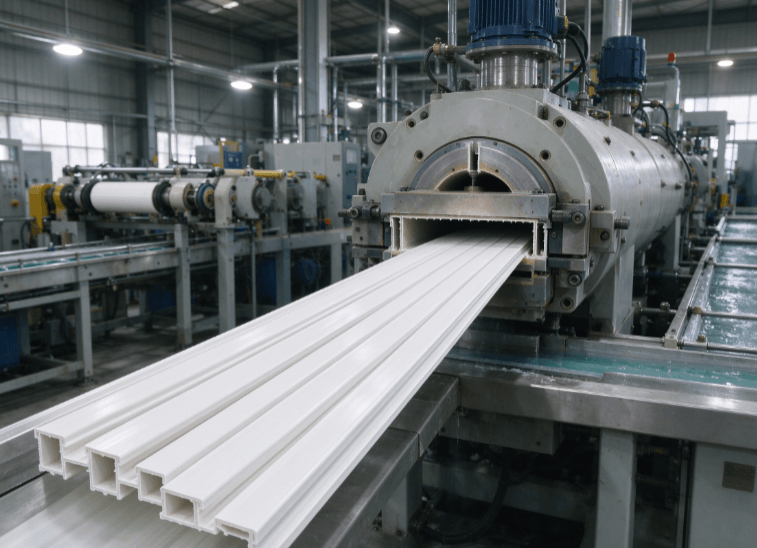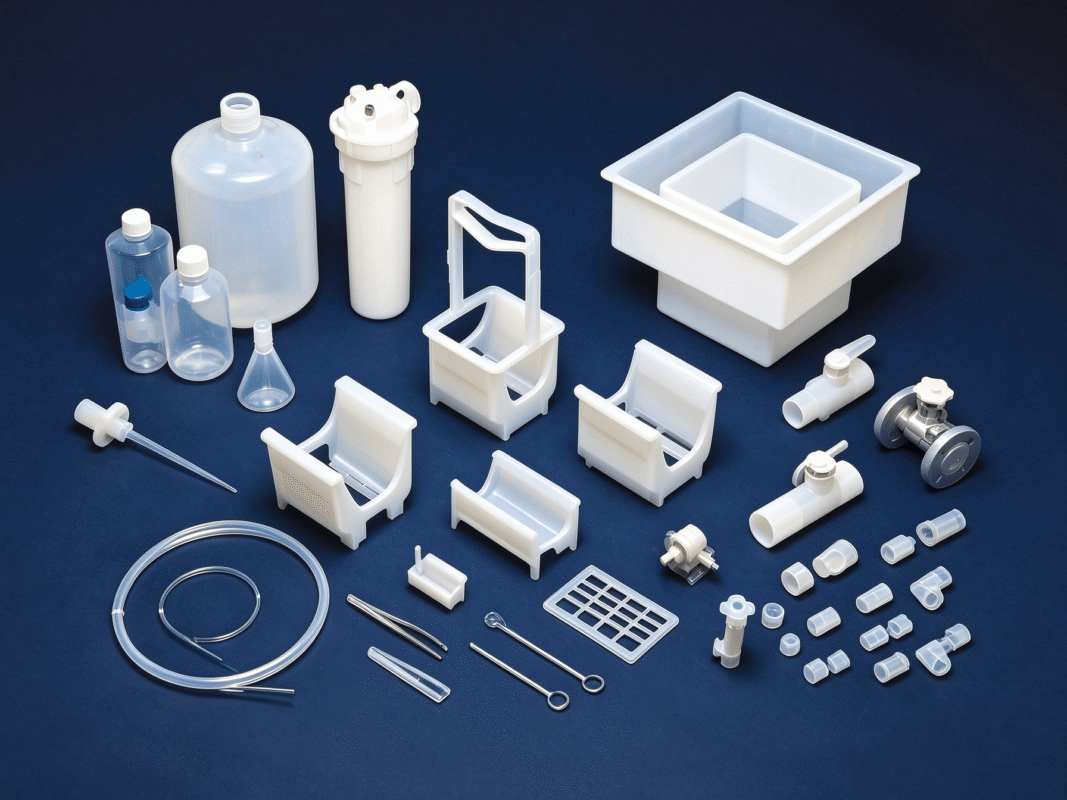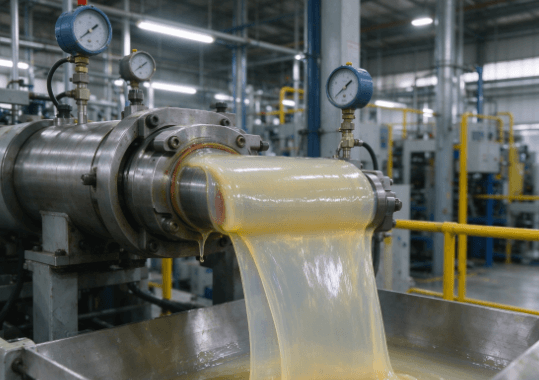

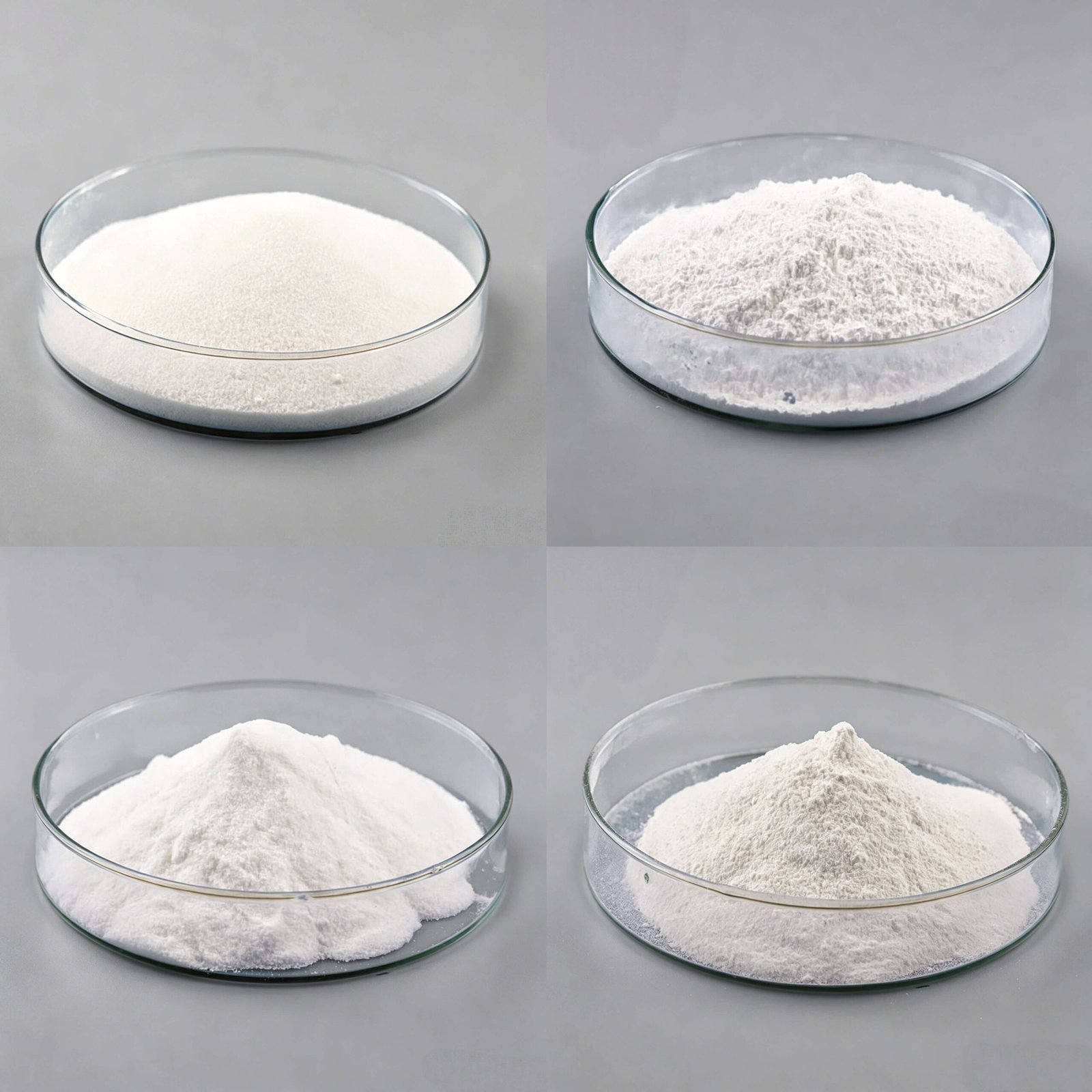
The PVC processing industry has undergone a significant transformation. Driven by stringent environmental regulations such as REACH and RoHS, traditional heavy-metal stabilizers—particularly lead-based ones—are being phased out globally and replaced by Calcium-Zinc stabilizer.
Ca/zn stabilizer are eco-friendly heat stabilizers used in PVC processing; their primary function is to prevent PVC degradation during both processing and the product’s service life. This blog post details the working principles and performance advantages of ca/zn stabilizer, outlines various types and application areas, and highlights key factors to consider when selecting them. We hope you find this information helpful.
The working principle of ca/zn stabilizer
Modern ca/zn stabilizers are complex multi-component systems designed to leverage the synergistic effect known as “zinc burning.” Their stabilization mechanism involves the synergistic action of multiple functions:
1. Hydrogen chloride absorption: Calcium compounds neutralize the hydrogen chloride released during PVC degradation, thereby delaying further decomposition.
2. Substitution of unstable chlorine atoms: Zinc compounds react with unstable sites on the PVC molecular chains, enhancing the material’s heat resistance.
3. Antioxidant protection: Antioxidants prevent oxidative degradation of the material during processing and long-term use.
4. Synergistic effects: Modern formulations typically include components such as organic phosphites, β-diketones, polyols, epoxidized soybean oil, and lubricants. These components work synergistically to improve both the material’s initial color and its long-term thermal stability.
Key Advantages and Performance Characteristics
Switching to a high-quality calcium-zinc system offers significant advantages regarding production and the compliance of the final product:
- Environmental and Regulatory Compliance: Completely non-toxic and free from heavy metals (such as lead, cadmium, and barium); complies with global environmental regulations and is suitable for applications including food contact, medical use, and children’s toys.
- Excellent initial color and transparency: outstanding retention of initial color, enabling formulations with a bright white appearance and high transparency.
- Excellent weather and aging resistance: Features outstanding UV resistance and long-term thermal aging stability, preventing yellowing in outdoor PVC products.
- Good electrical insulation properties: When used in conjunction with specific hydrotalcite or zeolite synergists, calcium-zinc systems exhibit excellent dielectric properties, making them suitable for wire and cable applications.
Properly formulated ca/zn stabilizers provide stable extrusion and product quality, good melt strength, and global regulatory compliance.
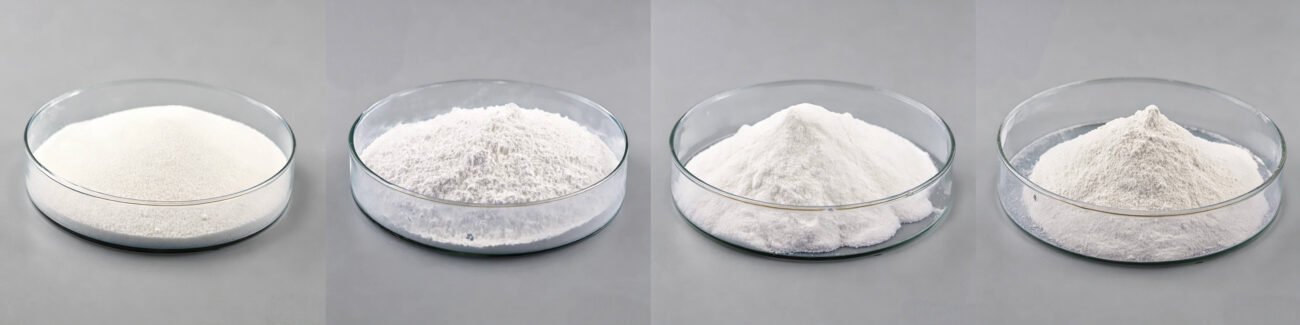
Types of MK Series Ca/zn Stabilizers
| Type | Application Area | Advantages |
| General-Purpose Eco-Friendly Calcium-Zinc Stabilizer (MK-211) | Profiles, pipes, sheets, masterbatches,cable compounds, injection-molded products, and most other general-purpose PVC products. | High thermal stability; excellent heat and weather resistance; superior initial color and long-term stability; high processing speeds and production efficiency; excellent overall cost-performance ratio. |
| Calcium-Zinc Stabilizer for Foamed PVC (MK-212) | Various PVC and WPC (Wood-Plastic Composite) foam products, including PVC foam boards, foam wall panels, door panels, flooring, advertising foam boards, floor mats, PVC injection/blow-molded footwear materials, and foam leather. | Features rapid plasticization, excellent melt flow, and uniform, fine cell structure; effectively inhibits yellowing and enhances surface finish. Specifically designed for PVC foaming systems. |
| High-Transparency Calcium-Zinc Stabilizer (MK-213) | High-transparency PVC products such as transparent PVC boards, sheets, flexible door curtains, medical tubing, high-clarity tubing, crystal sheets, transparent calendered films, and transparent packaging materials. | High thermal stability; excellent flowability; outstanding color retention; excellent transparency; stable processing performance; and finished products with excepti-onal clarity and gloss. Specially designed for high-transparency PVC products. |
| Calcium-Zinc Stabilizer for Cable Applications (MK-214) | PVC wire and cable insulation, eco-friendly wires, home improvement wires, power cords, automotive wires, flame-retardant cables, etc. | Offers good processing fluidity; resistant to yellowing and decomposition; retards outdoor aging of PVC; effectively protects copper conductors against catalytic degradation; and ensures stable long-term electrical performance. Specifically designed for PVC wire and cable applications. |
Industry Applications and Formulation Adjustments
Ca/zn stabilizers have a wide range of applications, but they must be precisely formulated to meet the requirements of specific PVC processing techniques and end products.
Rigid PVC applications (such as foam boards, profiles, and pipes):
- Challenge: Rigid PVC processing requires high shear forces and high melt strength, which increases the risk associated with frictional heat.
- Formulation essentials: A potent external lubricant (such as PE wax or paraffin wax) is required to prevent the material from adhering to the metal walls of the extruder and die; it is often used in conjunction with a high-efficiency processing aid (ACR) to improve melt uniformity and control plasticization time.
Flexible PVC applications (such as wires, cables, and hoses)
- Challenge: Balancing flexibility, transparency, and electrical insulation properties.
- Formulation highlights: It exhibits good compatibility with plasticizers such as DOTP or DINP; epoxidized oils (e.g., ESBO) are commonly added, serving as both auxiliary plasticizers and potent synergistic stabilizers to maximize thermal stability.
For PVC manufacturers, selecting the right ca/zn stabilizer formulation—complemented by suitable lubricants, processing aids, and impact modifiers—is crucial for achieving optimal processing efficiency, excellent product performance, and long-term durability.
Performance Evaluation and Key Considerations
In addition to intuitive category selection, a series of core performance indicators must also be carefully evaluated in practical applications:
- Initial colorability and long-term thermal stability: These are among the most critical performance indicators for ca/zn systems. The former is regulated through zinc salts and synergists, while the latter is achieved using calcium salts, hydrotalcites, and similar additives.
- Balance between processing performance and lubrication: Stabilizers affect the plasticization behavior and flow characteristics of the material. Proper coordination with internal and external lubricants is crucial to prevent plate-out and sticking to the processing rolls. Note that ca/zn systems typically have a narrower lubrication window than lead-based systems; therefore, special attention must be paid to lubricant dosage during formulation design.
- Electrical Properties and Weather Resistance: In the wire and cable industry, “volume resistivity testing” is a critical requirement. For outdoor applications, resistance to UV-induced aging and weather resistance must be evaluated to ensure the long-term stability of the product’s appearance and performance.
- Resistance to sulfide staining: Ca/zn stabilizers are lead-free and effectively prevent “sulfide staining”—the surface blackening that occurs when products come into contact with sulfides (such as sulfur-containing rubber).
Summary
Despite the limitations of early ca/zn stabilizers, modern formulations—leveraging advanced synergistic chemical technologies—deliver performance comparable to, or even surpassing, that of traditional stabilizers. As global regulations increasingly restrict the use of lead-based stabilizers, ca/zn stabilizers have emerged as the mainstream eco-friendly solution in PVC processing; driven by their significant advantages and growth potential, they are steadily cementing their position in modern industry and hold a promising future.
FAQ
Q: Why does PVC require stabilizers?
PVC begins to degrade when exposed to heat during processing. Without stabilizers, issues such as discoloration (yellowing or blackening), the release of hydrogen chloride, a decline in mechanical properties, surface defects, and a shortened service life may occur.
Q: Why does PVC contain lead?
PVC is inherently unstable and prone to degradation when exposed to heat, light, and other environmental factors. Manufacturers add lead compounds to PVC as stabilizers to enhance durability and heat resistance, ensure product performance, and extend service life.
Q: What is the difference between ca/zn stabilizers and lead stabilizers?
Lead stabilizers offer a wide processing window and good compatibility; however, due to toxicity concerns, they are being phased out in many regions. In contrast, ca/zn stabilizers avoid the health risks associated with lead stabilizers while still providing excellent thermal and light stability. They offer lower toxicity and are both sustainable and environmentally friendly, making them the leading eco-friendly alternative.
Reference Sources
British Plastics Federation (BPF) – PVC Additives and Stabilizers Overview:https://www.bpf.co.uk
American Chemistry Council (ACC) – Polyvinyl Chloride (PVC) Characteristics:https://www.americanchemistry.com
European Stabiliser Producers Association (ESPA) – PVC Additives:https://www.pvc-stabilisers.eu