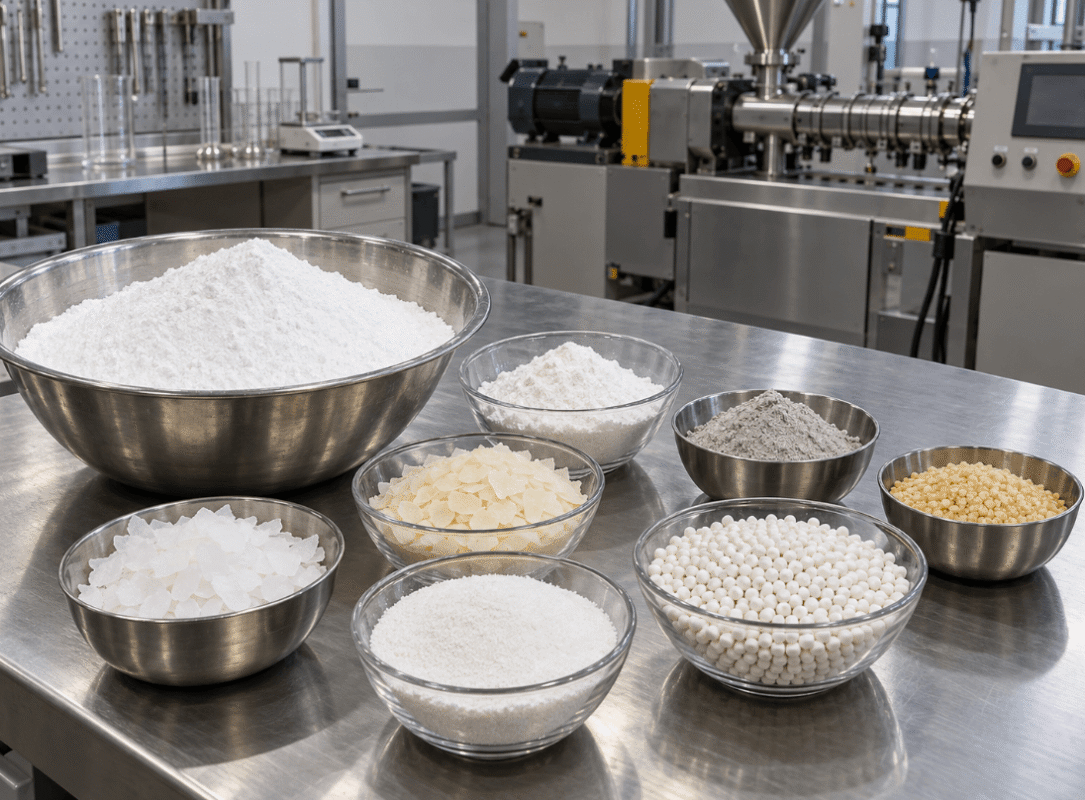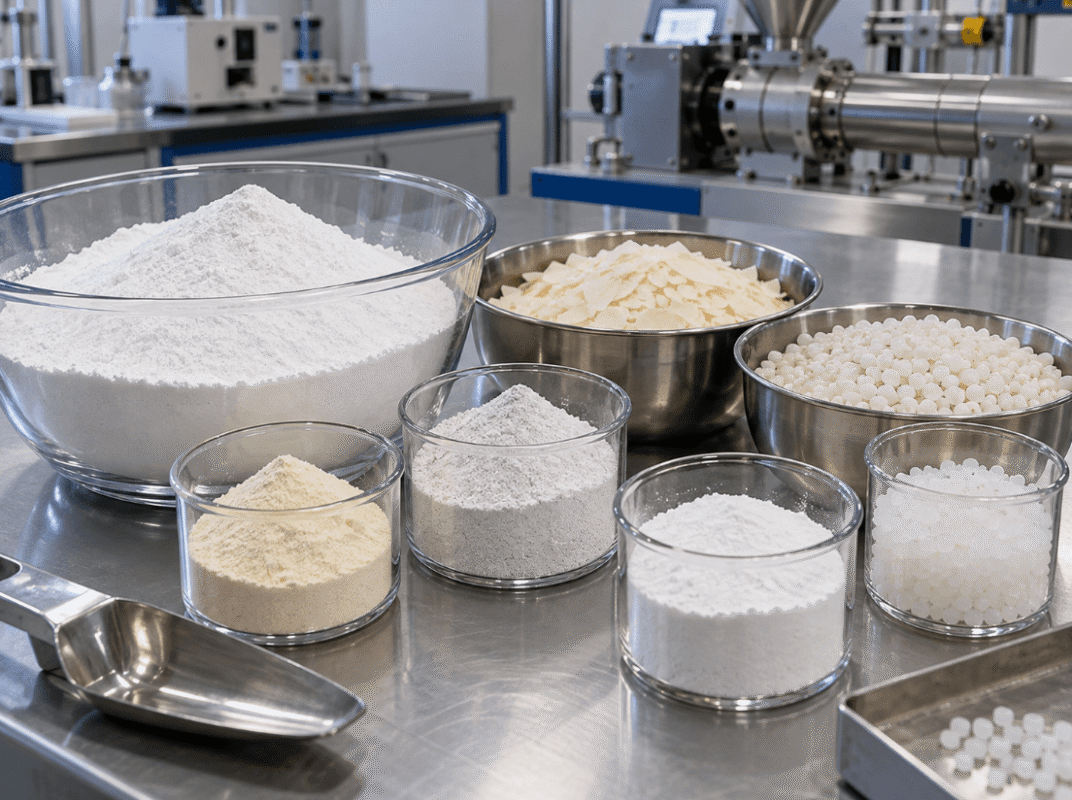

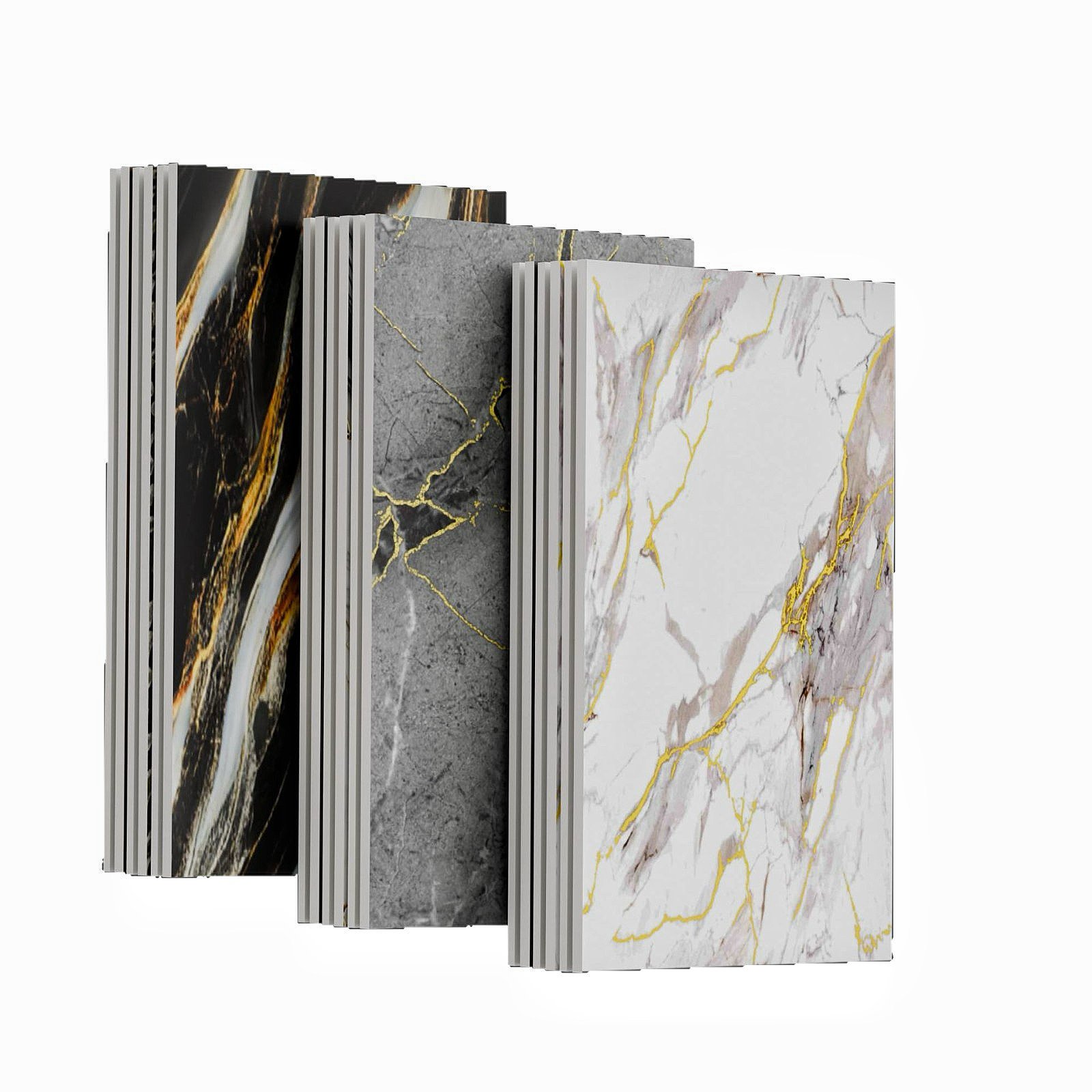
In the competitive landscape of interior decoration and construction materials, the quality of a PVC wall panel is dictated not by the resin alone, but by the precision of its chemical formulation. For plant managers and OEM project managers, selecting the right additive package is a strategic decision that balances material performance, extruder throughput, and cost-efficiency.
A high-performance PVC wall panel additive package ensures that the final product meets industrial standards for fire retardancy, UV stability, and mechanical toughness. Without the correct synergy of stabilizers, lubricants, and modifiers, manufacturers face frequent downtime due to thermal degradation or surface defects that lead to high scrap rates.
PVC wall panels require a balanced additive system because PVC resin alone cannot achieve the required processing stability, surface appearance, and mechanical performance.
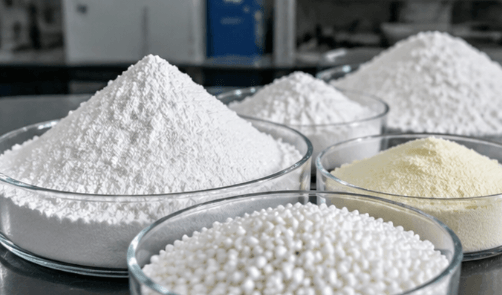
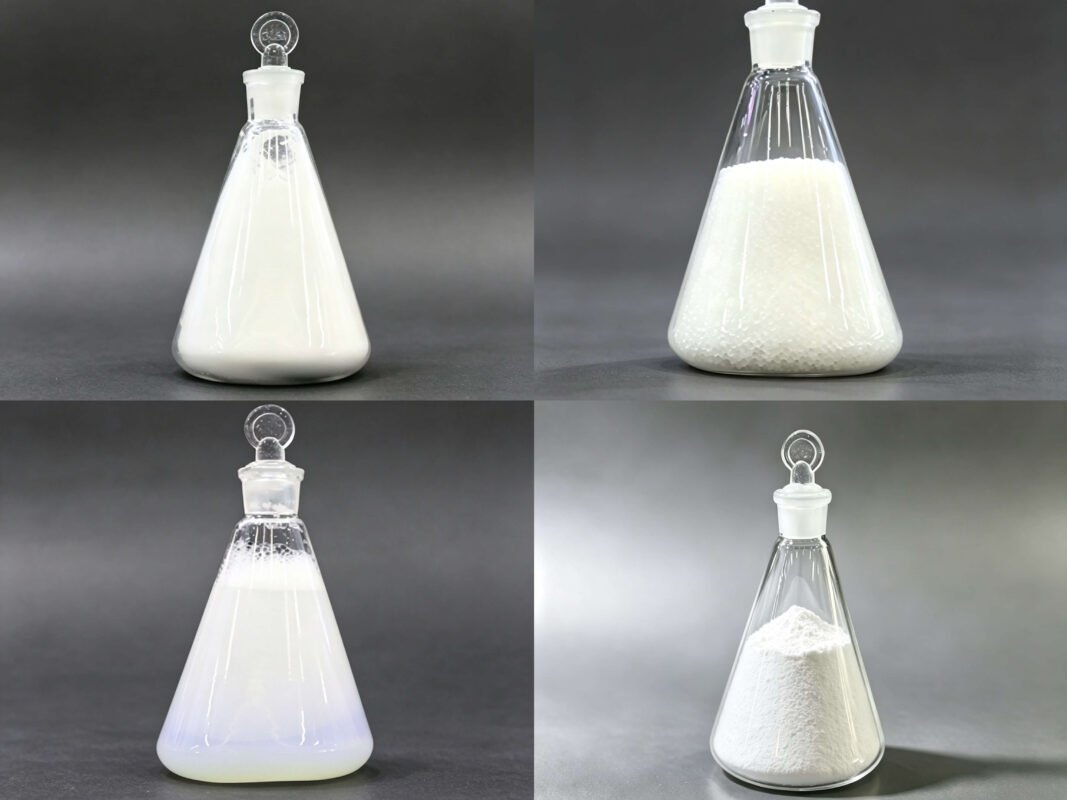
A typical PVC wall panel additive package may include:
| Additive | Main Function |
|---|---|
| PVC Stabilizer | Provides thermal stability during extrusion |
| Processing Aid | Improves fusion and melt strength |
| Lubricant | Controls friction and extrusion flow |
| Impact Modifier | Improves toughness and durability |
| Foaming Regulator | Controls foam structure |
| Pigment/UV Additive | Enhances appearance and weather resistance |
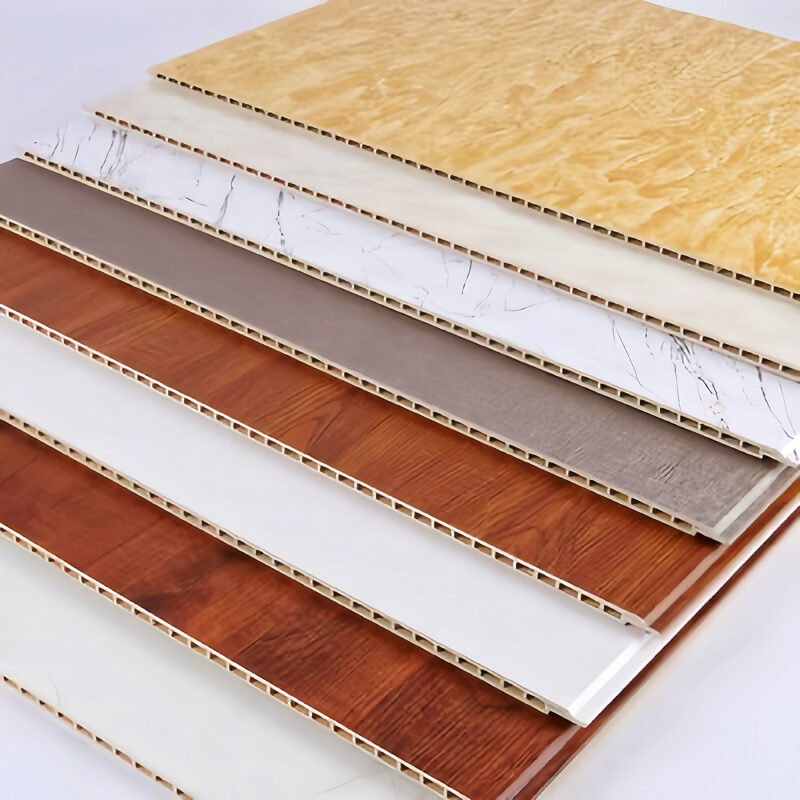
The Core Components of a PVC Wall Panel Additive Package
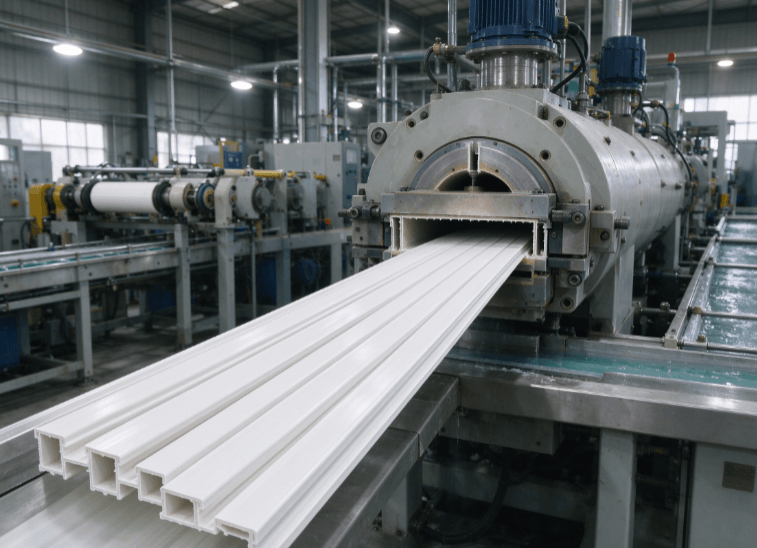
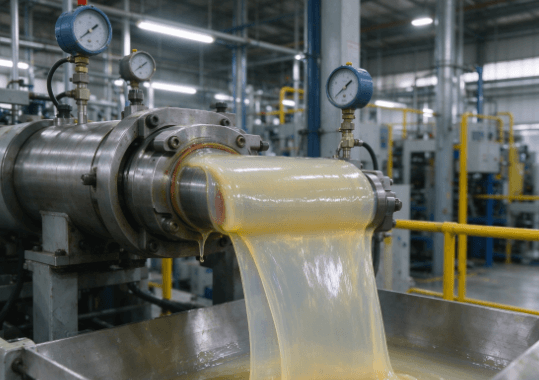
A “One-Pack” system or a tailored additive package is designed to manage the rheological behavior of the PVC melt. To achieve a high-quality extrudate, engineers must balance four critical categories of additives.
1. Heat Stabilizers (Calcium-Zinc vs. Lead-Free)
PVC is inherently heat-sensitive. During extrusion, the polymer can undergo “unzipping” degradation, leading to yellowing and brittleness. Calcium-Zinc (Ca-Zn) stabilizers have become the industry standard for modern wall panels, providing an eco-friendly alternative to legacy lead-based systems while maintaining excellent initial coloring and long-term heat stability.
2. ACR Processing Aids
Acrylic-based processing aids (ACR) are essential for controlling melt strength. In large-volume production, ACR ensures that the PVC melt expands uniformly into the die, resulting in a smooth surface finish and consistent wall thickness. High-molecular-weight ACR is particularly favored for foam-core panels to stabilize the cell structure.
3. Lubricants (Internal and External)
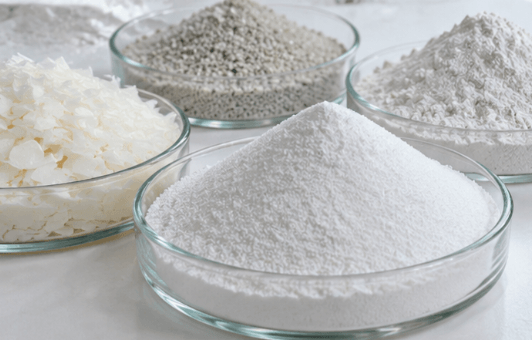
Lubrication management prevents the PVC compound from sticking to the metal surfaces of the barrel and screw (external) while reducing the friction between polymer chains (internal). A balanced lubricant system—often utilizing PE Wax or Stearic Acid—prevents “scorching” and manages the torque of the extruder motor.
4. Impact Modifiers (CPE/MBS)
To prevent panels from cracking during transport or installation, Chlorinated Polyethylene (CPE) or MBS is added. These modifiers improve the “toughness” of the rigid PVC, allowing the panels to withstand mechanical stress without compromising their structural integrity.
Comparison: Additive Impact on Panel Quality
| Additive Type | Role in Wall Panel Production | Impact on Quality | Key Technical Metric |
| Ca-Zn Stabilizer | Thermal Protection | Prevents yellowing; non-toxic | Static Stability Time |
| ACR Aid | Melt Strength | Surface gloss; uniform thickness | Fusion Time |
| Lubricants | Friction Control | Prevents plate-out; manages torque | Rheometer Torque |
| CPE Modifier | Mechanical Toughness | Prevents cracking/brittleness | Izod Impact Strength |
Enhancing Surface Gloss and Aesthetic Value
In the MOFU (Middle of Funnel) stage of procurement, buyers often prioritize aesthetic performance. Wall panels are frequently used as high-end alternatives to wood or stone, meaning the surface finish must be flawless.
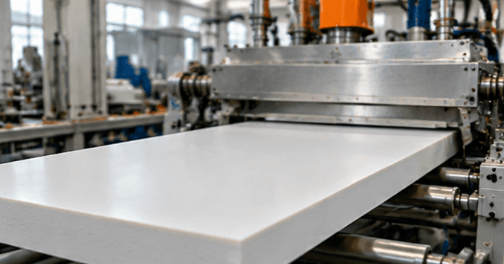
The “Best” additive package for surface quality typically includes a high-purity processing aid that promotes full gelation. When the PVC resin is completely fused, the surface reflects light more uniformly, achieving that desired high-gloss or “marble-like” effect. Furthermore, the inclusion of titanium dioxide (TiO2) as a pigment and UV stabilizer ensures that panels near windows do not discolor over time.
For manufacturers exploring specific formulations for diverse industry applications, identifying the specific environmental stressors—such as high humidity in bathrooms or high-traffic impacts in commercial corridors—is the first step in additive selection.
Engineering Constraints: Preventing Plate-out and Scorching
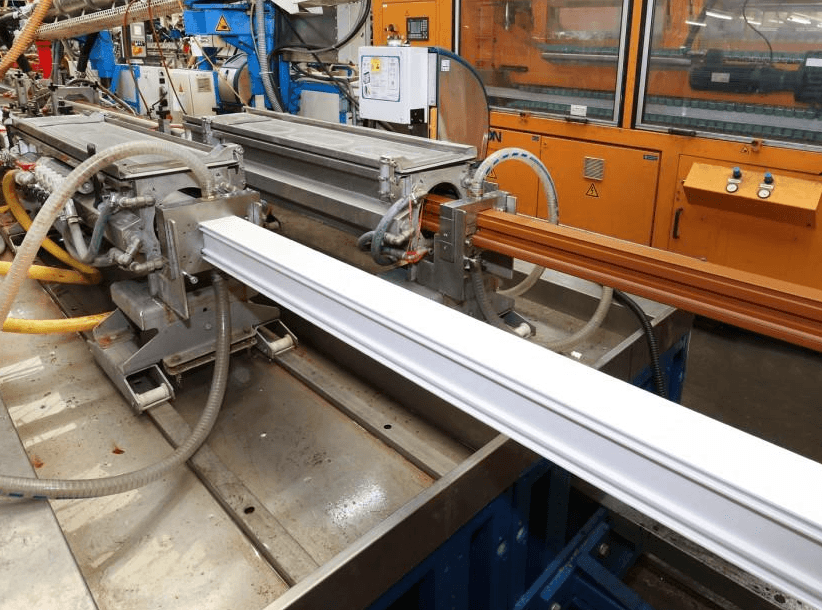
In large-volume production, the most significant bottleneck is “plate-out.” This occurs when additives are incompatible with the PVC matrix and migrate to the die surface, creating deposits that scratch the panel.
To prevent this, engineers must:
- Optimize Lubricant Ratios: Excessive external lubrication is the primary cause of plate-out.
- Verify Additive Compatibility: Ensure that the stabilizer and the processing aid do not react negatively under high shear.
- Monitor Temperature Profiles: Even the best additive package will fail if the melt temperature exceeds the stabilizer’s threshold.
Commercial Logic: Total Cost of Ownership (TCO)
From a B2B procurement perspective, the cheapest additive package often carries the highest long-term cost. A low-quality stabilizer may result in a 5% increase in scrap rate, which far outweighs the initial savings on raw materials.
A high-tier PVC wall panel additive package pays for itself by:
- Increasing Extrusion Speed: Better lubrication and melt flow allow for higher RPMs without scorching.
- Reducing Downtime: Fewer die cleanings and fewer batch failures.
- Ensuring Compliance: Meeting REACH, RoHS, or fire safety certifications (UL94 V-0) allows for entry into premium international markets.
When evaluating a supplier, request a Certificate of Analysis (COA) that includes fusion testing and thermal stability data. This technical transparency is a hallmark of a reliable chemical partner and a critical EEAT signal for manufacturing consultants.
Why Choose PVC Additive Packages Instead of Individual Additives?
Many manufacturers purchase additives separately, but this can create formulation challenges.
A pre-balanced additive package provides:
| Benefit | Impact |
|---|---|
| Consistent formulation | Stable product quality |
| Reduced weighing errors | Lower production variation |
| Simpler inventory management | Lower operation complexity |
| Optimized compatibility | Better extrusion performance |
Technical Expertise Behind PVC Additive Solutions
MKQ Chem specializes in PVC additive solutions for foam boards, wall panels, profiles, pipes and other extrusion applications. Our technical team supports manufacturers in optimizing additive combinations based on resin type, equipment conditions and final product requirements.
FAQ
What is the standard dosage for additives in PVC wall panels?
Dosage varies by formulation, but typically: Stabilizers (2.5–4.5 phr), Processing Aids (1.0–2.5 phr), Lubricants (0.8–1.5 phr), and Fillers (20–50 phr) depending on the required density and cost-target.
Can I use the same additives for both indoor and outdoor PVC panels?
No. Outdoor panels require significantly higher loads of UV stabilizers and specialized weather-resistant impact modifiers (like Acrylic Modifiers) to prevent “chalking” and impact loss due to UV exposure.
Why are my PVC wall panels turning yellow during production?
Yellowing is a sign of thermal degradation. This usually indicates either an insufficient dosage of heat stabilizer, a malfunction in the extruder’s heating bands, or an imbalance in the lubrication system causing excessive shear heat.
What is a “One-Pack” additive system?
A One-Pack system pre-blends stabilizers, lubricants, and processing aids into a single granular or flake form. This reduces weighing errors in the mixing room and ensures a more homogenous distribution of chemicals in the PVC compound.
How do additives affect the fire rating of wall panels?
While PVC is naturally fire-resistant, the addition of fillers and modifiers can affect its behavior. Specialized additive packages include flame retardants and smoke suppressants to ensure the panels meet strict building codes (e.g., ASTM E84 Class A).
Reference Sources
- ASTM D1784: Standard Specification for Rigid Poly(Vinyl Chloride) (PVC) Compounds.
- ISO 1163: Plastics — Unplasticized poly(vinyl chloride) (PVC-U) moulding and extrusion materials.
- REACH Regulation: European Union framework for chemical safety and compliance.
- Society of Plastics Engineers (SPE): Technical papers on PVC rheology and stabilization.
- Vinyl Institute: Industry documentation on the performance and sustainability of PVC building products.