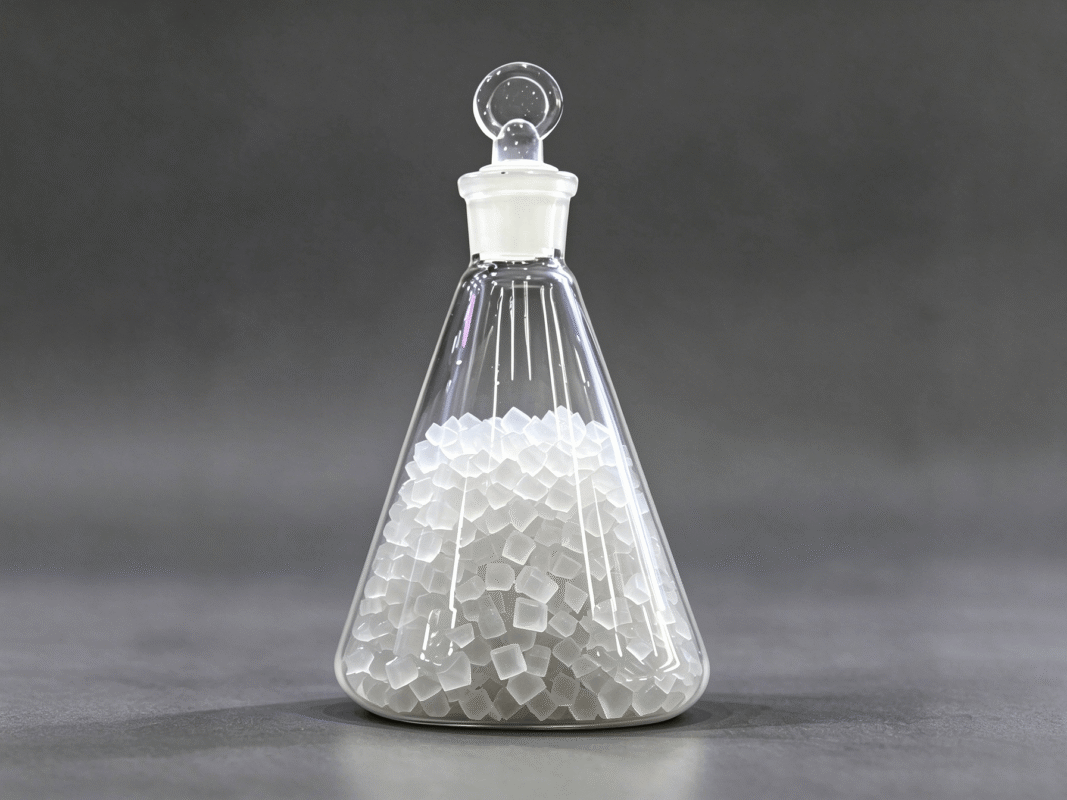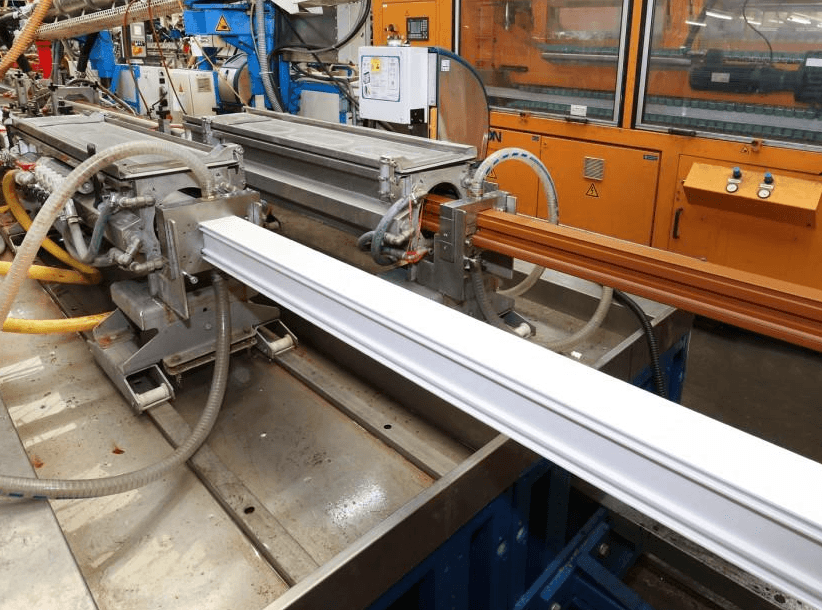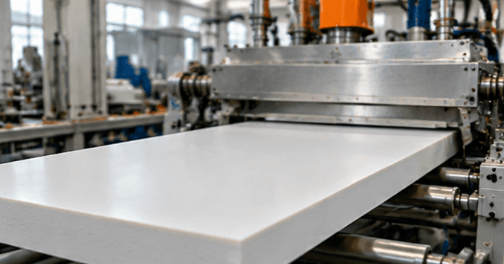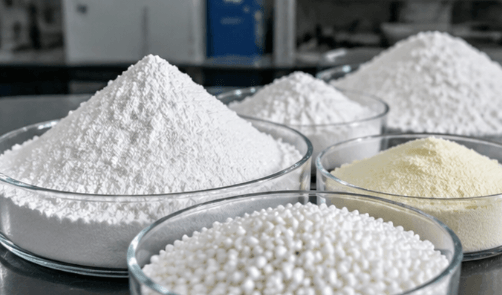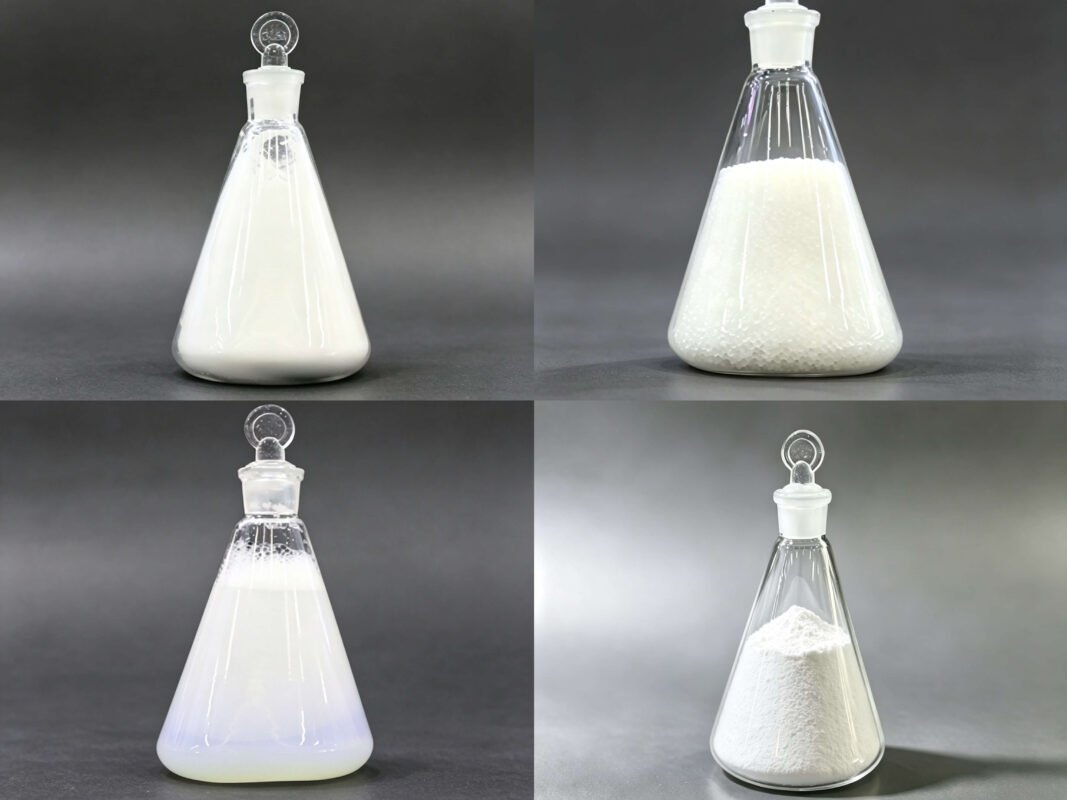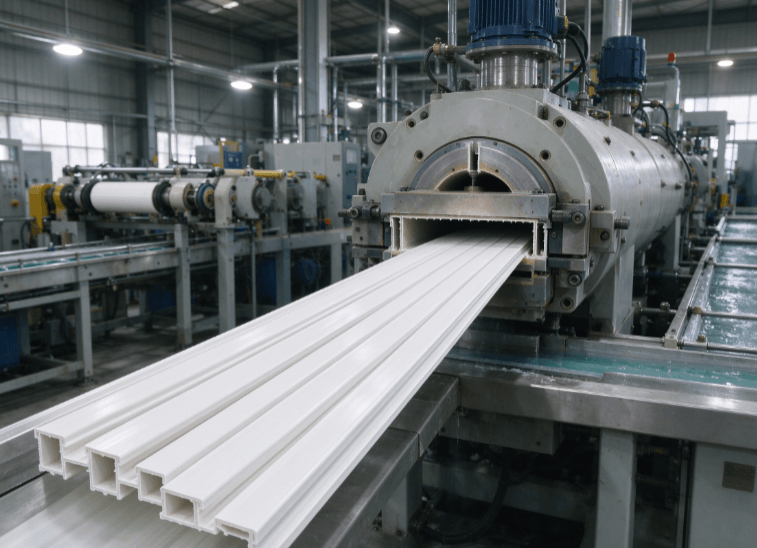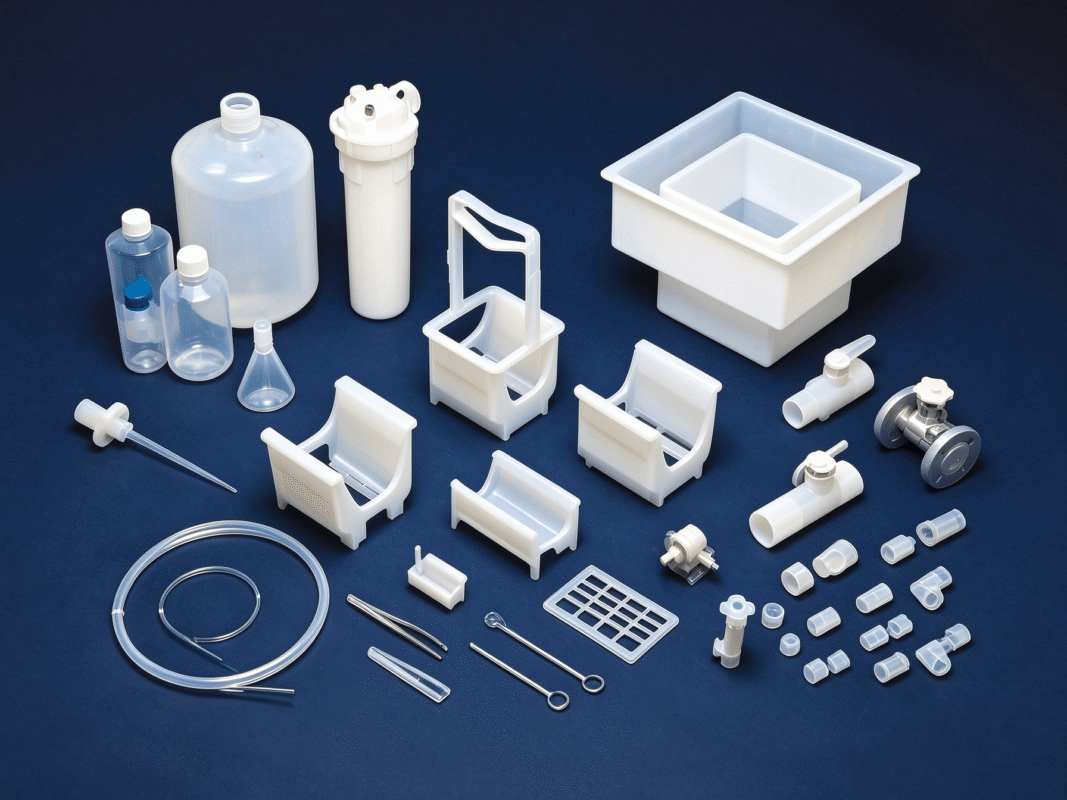

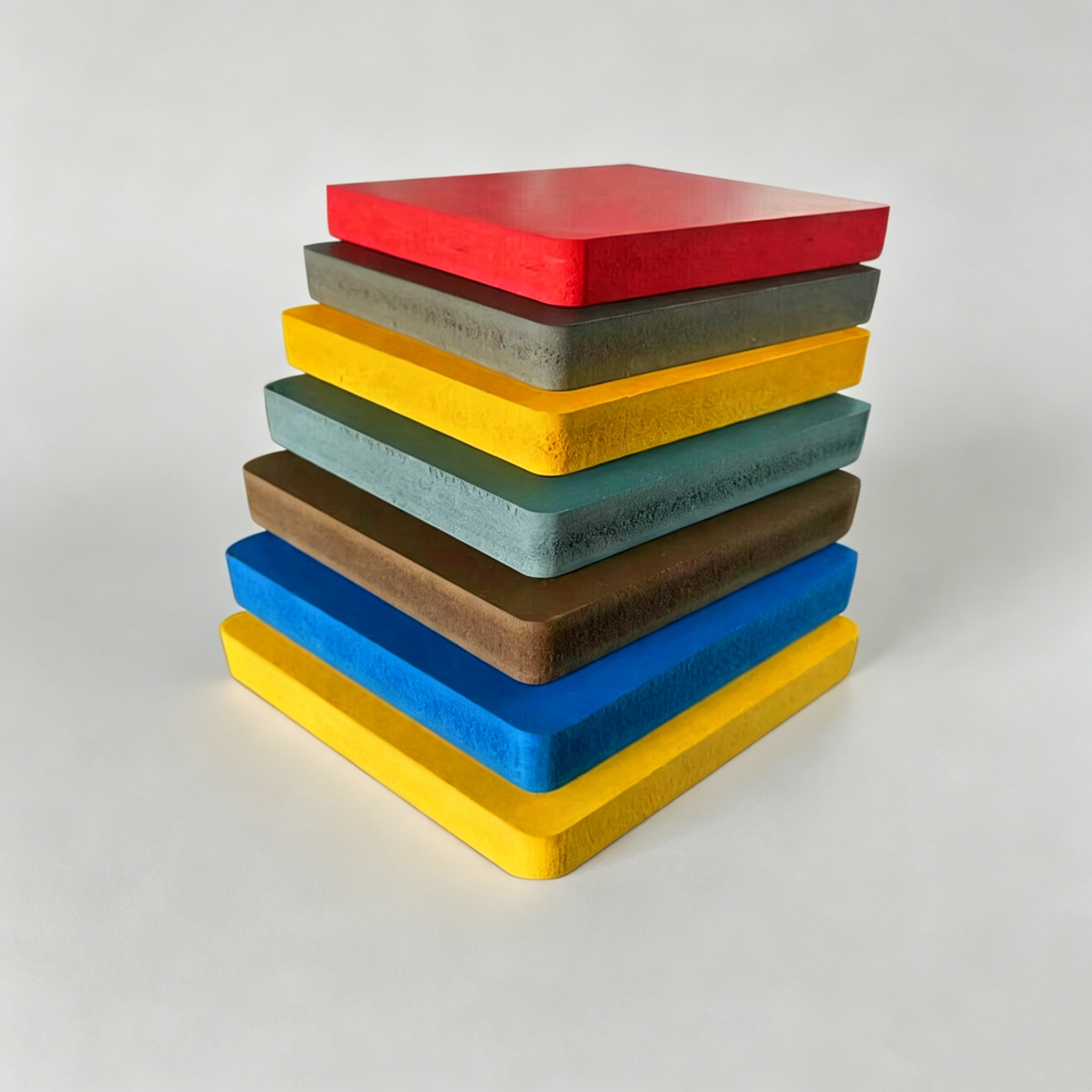
PVC is a heat-sensitive polymer with inherent characteristics of low melt strength and slow melting rate. During the foaming process, the gases released by the foaming agent (such as azodicarbonamide and sodium bicarbonate) cause the formation of cells within the melt. If the melt strength is too low, the cell walls will rupture prematurely, leading to gas escape and foam collapse. This results in large, uneven, and dense cells with poor surface quality and decreased mechanical properties. Acrylic processing aids (APAs) can address these issues by improving the melt rheology and plasticizing behavior of PVC.
Acrylic processing aids (APAs) are high molecular weight copolymers, typically based on methyl methacrylate (MMA) and often copolymerized with other acrylates (such as butyl acrylate or ethyl acrylate). Conventional acrylic processing aids primarily promote the gelation (plasticization) of PVC; however, acrylic processing aid for pvc foaming products employ ultra-high molecular weight (UHMW) PMMA-based copolymers specifically designed to improve melt elasticity and viscosity, overcoming the inherent weakness of insufficient PVC melt strength and thus producing high-quality foamed products with a fine, uniform cell structure and low density. This blog post will introduce these acrylic processing aid for pvc foaming products and how they function in the foaming system of PVC product manufacturing.
Mechanism of action
During the foaming process, thermally decomposable foaming agents (such as azodicarbonamide/ADC) decompose and release gas inside the molten PVC matrix. If there is insufficient melt strength, the gas can easily break through the thin cell walls formed by the polymer due to pressure, resulting in cell coalescence (i.e., bubbles merging to form large irregular voids) or gas escaping at the die opening.
- Chain entanglement: During the melting process, ultra-high molecular weight acrylate chains become deeply entangled with rigid PVC polymer chains.
- Elastic melt coating: This inter-chain network improves melt elasticity and tensile viscosity.
- Cell wall stability: As the bubbles expand, the highly elastic melt stretches smoothly around each bubble without breaking, thus locking in a fine and uniform cell structure.
What role do acrylic processing aid for pvc foaming products?
1. Enhances melt strength and elasticity
These processing aids possess high molecular weight and long polymer chains, which entangle with PVC molecular chains in the molten state, forming a robust and elastic network structure. This structure can stretch without breaking under internal gas pressure, allowing expanding gas to be trapped within tiny, closed cells. This results in higher melt viscosity and a significant die expansion effect, both crucial for the foaming process.
2. Improve PVC plasticization
These processing aids accelerate the plasticizing and gelling process of PVC dry blends. Faster and more uniform plasticizing ensures that foaming gases are trapped within the uniformly molten matrix before escaping. This contributes to smaller and more evenly distributed cells, higher closed-cell ratios, and better foam density control; simultaneously, it reduces surface roughness, minimizes “sharkskin” effects, melt fracture, and flow marks, resulting in smoother PVC foamed sheets, better printability and lamination performance, and improved appearance quality.
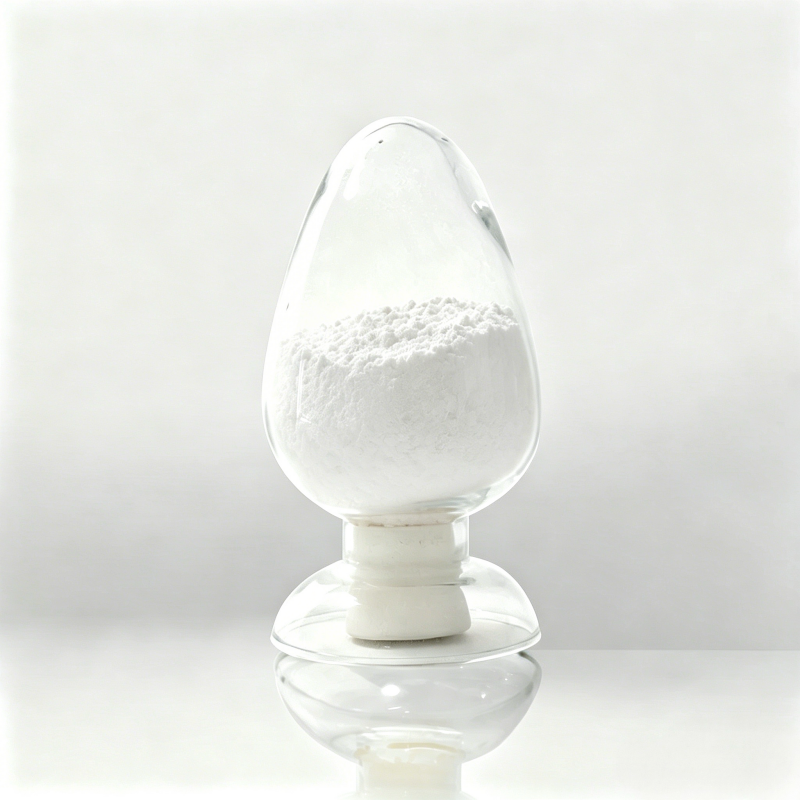
MK Series Products → MK-304 PVC Foaming Regulator
MK-304 is made from high molecular weight acrylate elastomer monomers, synthesized into a high melt strength polymer through emulsion polymerization, followed by dehydration, drying, and ultra-fine pulverization. It is specifically designed for AC/ADC chemical foaming systems, exhibiting strong melt support. MK-304 has passed SGS authoritative testing, is non-toxic and environmentally friendly, and contains no heavy metals or harmful volatile substances; it complies with EU RoHS and REACH environmental standards.
1.Product Functions & Key Advantages
- Strong Melt Strength Support: Effectively prevents cell collapse, rupture, coalescence, and formation of large or irregular bubbles
- Fine & Uniform Cell Structure: Produces dense and smooth skin layers, improving surface quality and flatness of foamed boards
- Improved Foaming Ratio: Optimizes cell structure, enhances dimensional stability, and reduces product weight
- Smoother Processing: Reduces extrusion torque and is suitable for high-speed foaming extrusion lines
- Excellent System Compatibility: Fully compatible with mainstream chemical foaming agents such as AC and ADC
2.Applications
- Celuka (crust foamed) boards
- Advertising foamed boards
- Foamed wall panels
- Interior door panels
- Co-extruded foamed boards
- WPC foamed flooring
- PVC foamed skirting boards
- Foamed profiles
- Hollow foamed boards
- Packaging cushioning materials
Comparison of acrylic processing aids with other PVC additives
| PVC additive | Main function |
| Acrylic processing aids | Enhance melt strength, melt strength and foam stability |
| Impact modifier (MK-301 CPE, MBS, acrylic IM) | Improve impact resistance |
| Lubricants (MK-2021 OPE wax, MK-102 stearic acid, MK-103 PE wax) | Controlling machining friction |
| Stabilizers (MK-211 General-Purpose Eco-Friendly Calcium-Zinc Stabilizer, MK-201 Lead-Based Composite Stabilizer) | Prevent thermal degradation |
Summary
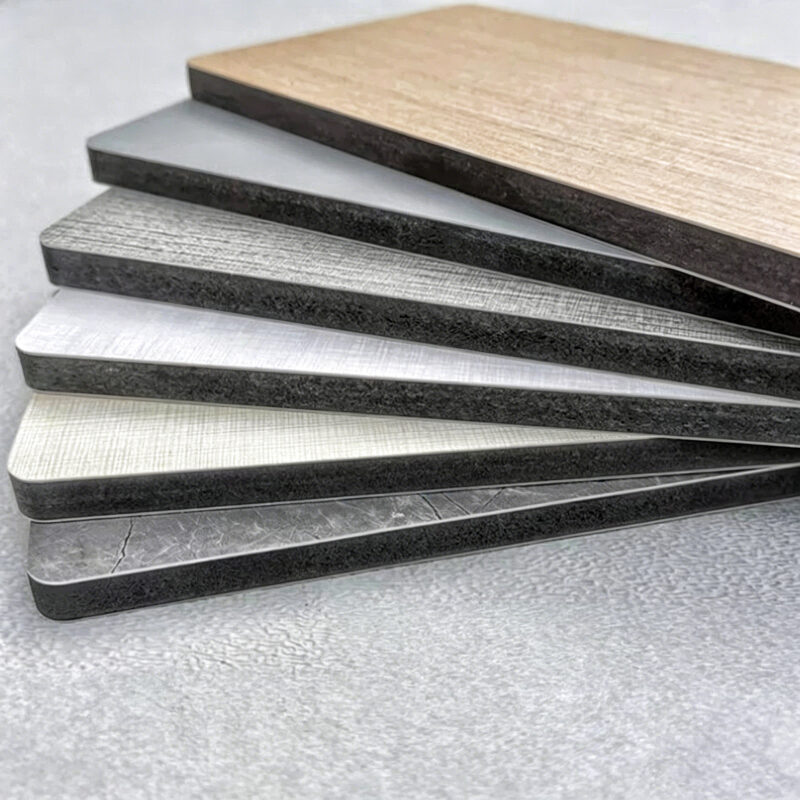
In PVC foaming processes, whether producing free-foamed boards, Celuka (skin-foamed) boards, wood-plastic composites (WPC), or foamed pipes, acrylic processing aids (APAs) play a crucial role as melt strength modifiers. As an indispensable additive in PVC foaming formulations, the selection of appropriate acrylic processing aids is key to successful PVC foaming. They can transform materials that are inherently brittle and have low melt strength into processable blends, resulting in lightweight products with excellent foaming properties.
FAQ
Q: Why are there large air bubbles in the center of my PVC foam board?
This is usually caused by insufficient melt strength. The gas pressure exceeds the range that the PVC melt can withstand. We recommend that you increase the amount of foaming agent or lower the processing temperature to increase the melt viscosity.
Q: How to solve the problem of high-density but still brittle sheets?
Brittleness is usually caused by poor gelation or over-foaming. You may need to increase the amount of foaming regulator (ACR) to improve melt strength, or adjust the lubrication system to ensure that the PVC is fully fused before leaving the mold.
Q: Why does only the core of the sheet turn yellow?
This is called “core scorching.” Due to the poor thermal conductivity of PVC, the core temperature of thicker sheets remains higher than the surface temperature for a longer period. You may need to use a more potent heat stabilizer or reduce the screw speed to decrease shear heat.
Q: What is “exudation”? How can it be avoided?
Exudation refers to the accumulation of additives on the mold surface, causing streaks in the sheet. This is usually due to excessive use of lubricants or stabilizers that are incompatible with the PVC matrix. Rebalancing the external lubricant (PE wax) can usually solve this problem.
Reference Sources:
Journal of Vinyl and Additive Technology: Peer-reviewed research on the impact of acrylic copolymers on PVC melt strength and foaming. https://journals.sagepub.com/home/cel
Society of Plastics Engineers (SPE): Technical journals on PVC rheology and foaming mechanisms. https://www.4spe.org/
UL Prospector: Technical data sheets on acrylic processing aids for foam applications.