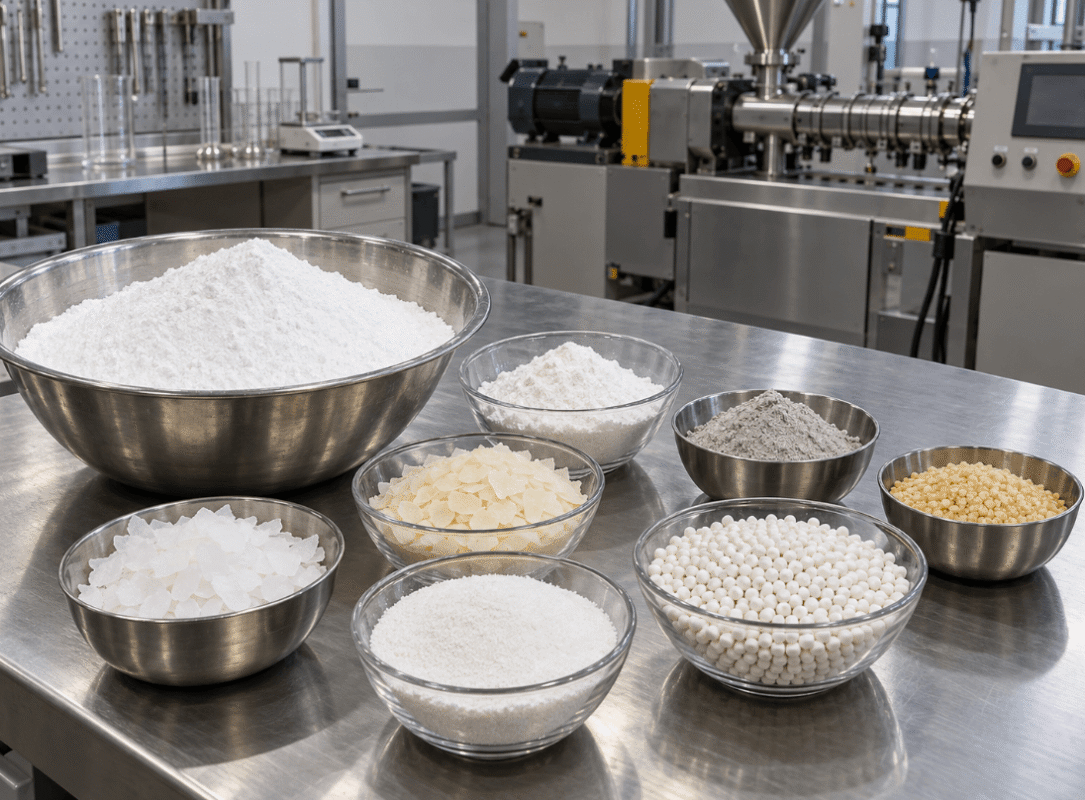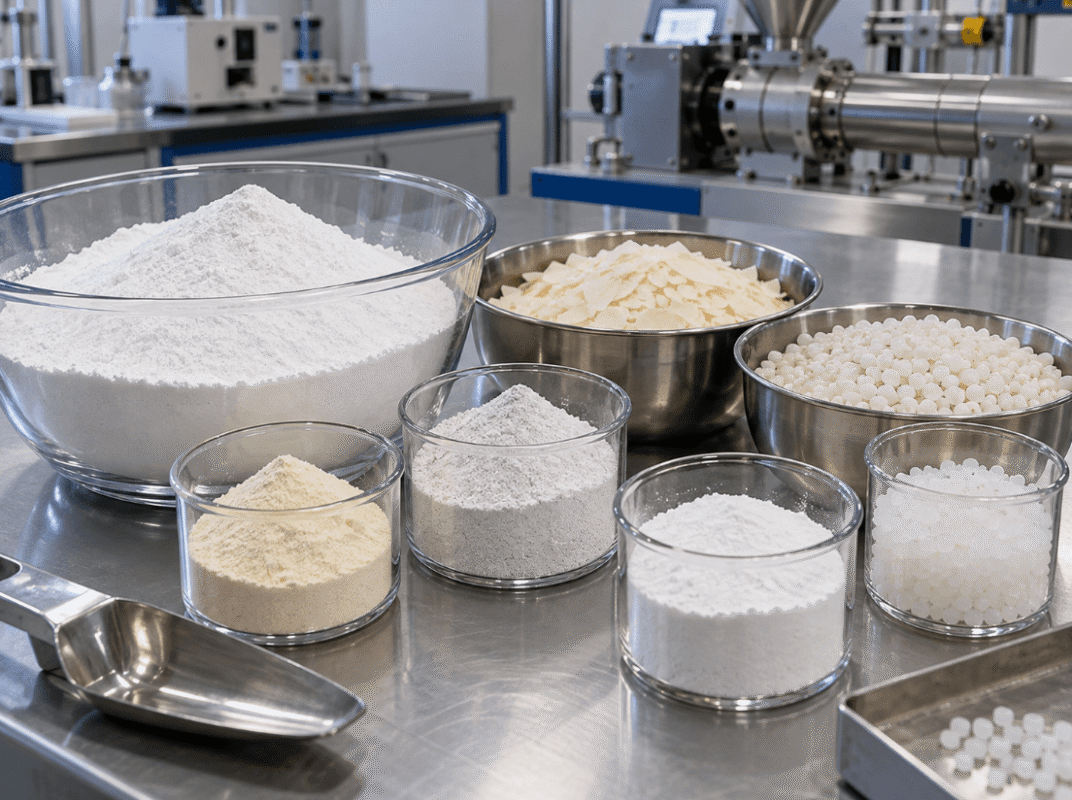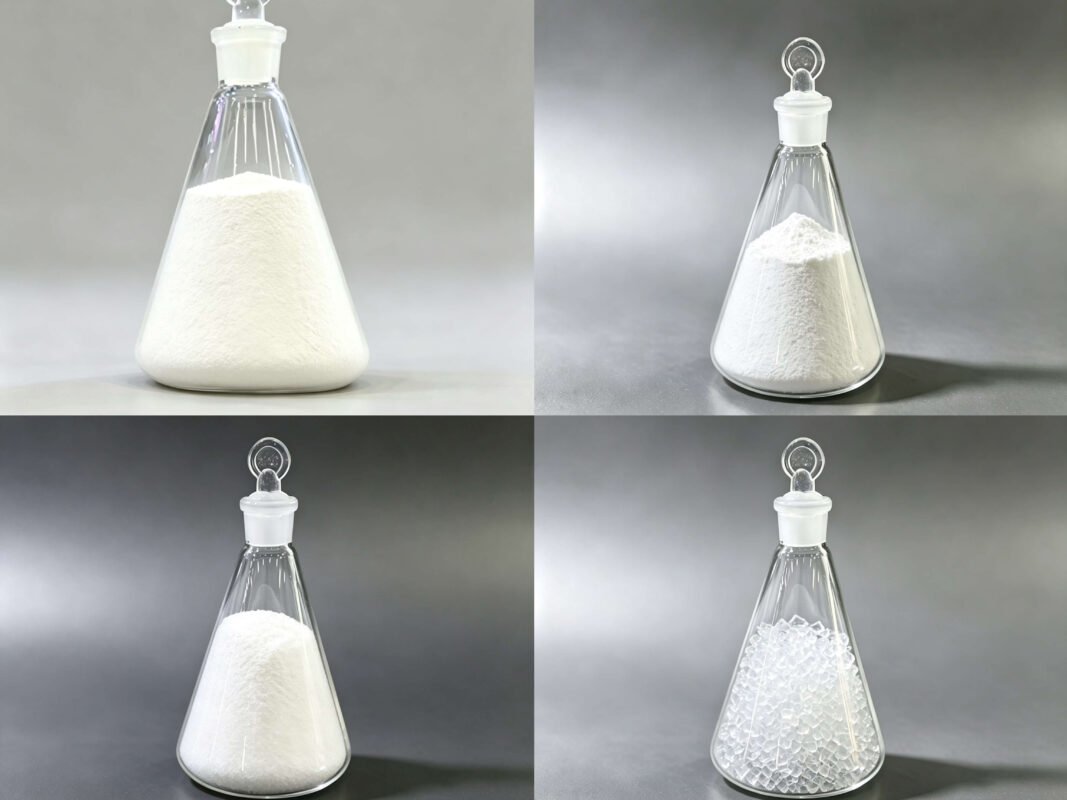

The global supply chain for PVC manufacturing relies heavily on the innovation and scalability of China-based chemical producers. For B2B procurement managers and plastic engineers, sourcing PVC pipe additives from China manufacturers represents a strategic opportunity to optimize production costs while accessing advanced chemical formulations. However, the complexity of the additive market—ranging from stabilizers to impact modifiers—requires a technically rigorous approach to supplier selection.
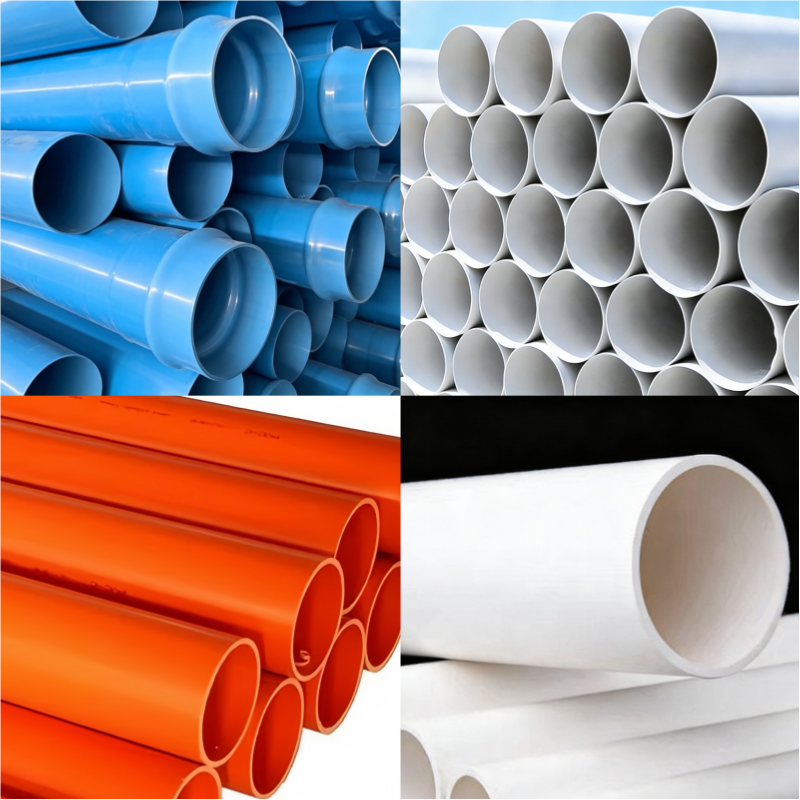
A successful sourcing strategy must balance chemical efficacy with regulatory compliance. Whether you are producing high-pressure water pipes, electrical conduits, or agricultural drainage systems, the additives used dictate the end-product’s thermal stability, impact strength, and weathering resistance. Navigating the landscape of Chinese manufacturers requires an understanding of their R&D capabilities and quality control protocols.
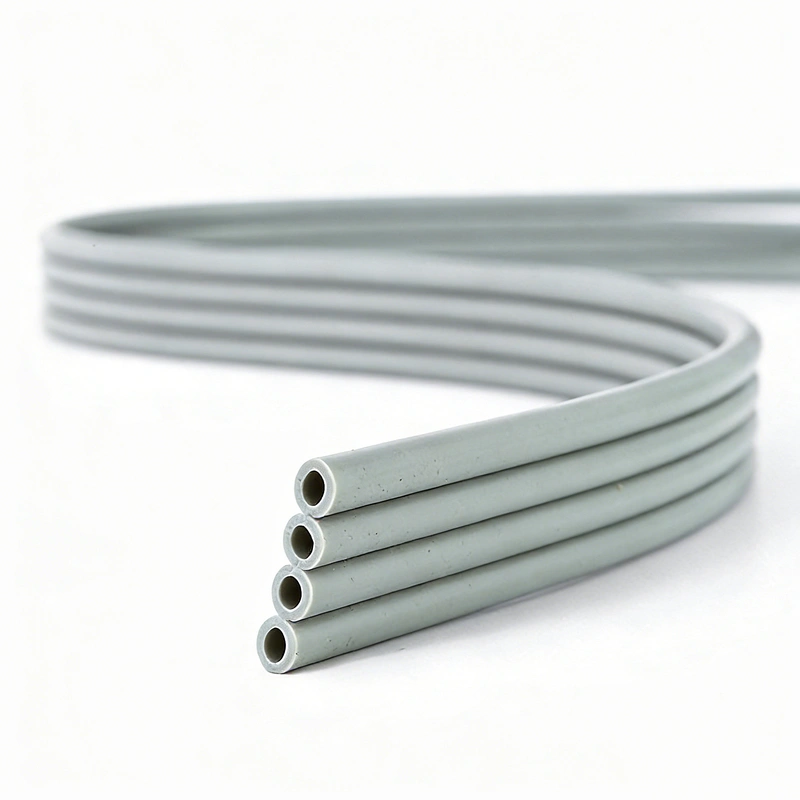
Technical Benchmarks for PVC Additive Selection
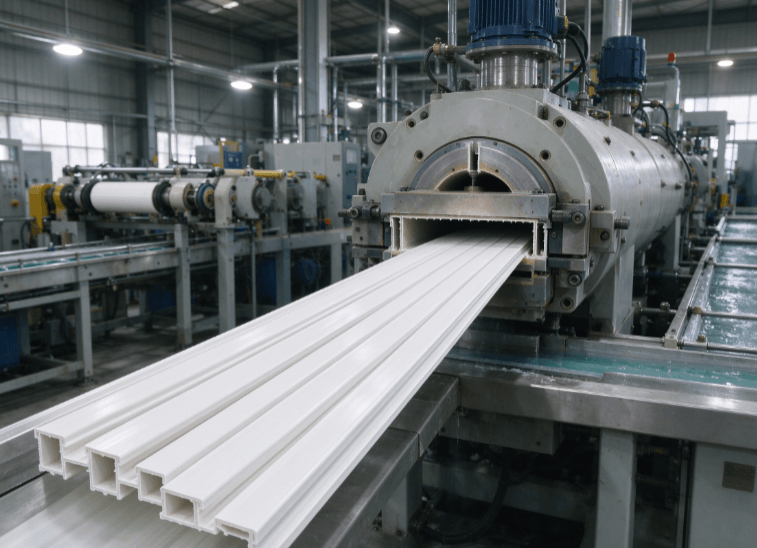
When auditing potential suppliers, the technical specification (TDS) is your primary evaluation tool. PVC is a thermally sensitive polymer; without the correct balance of additives, the resin will degrade during the extrusion process, leading to “yellowing” or structural failure.
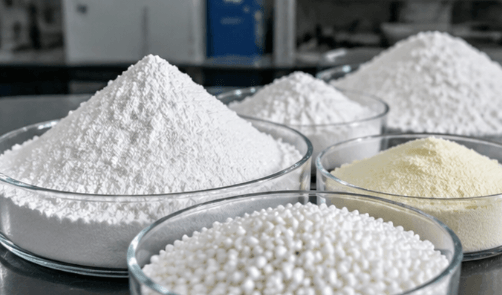
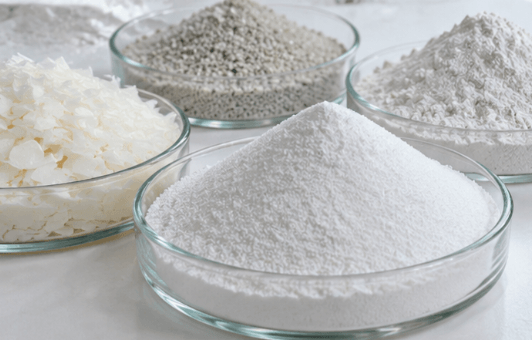
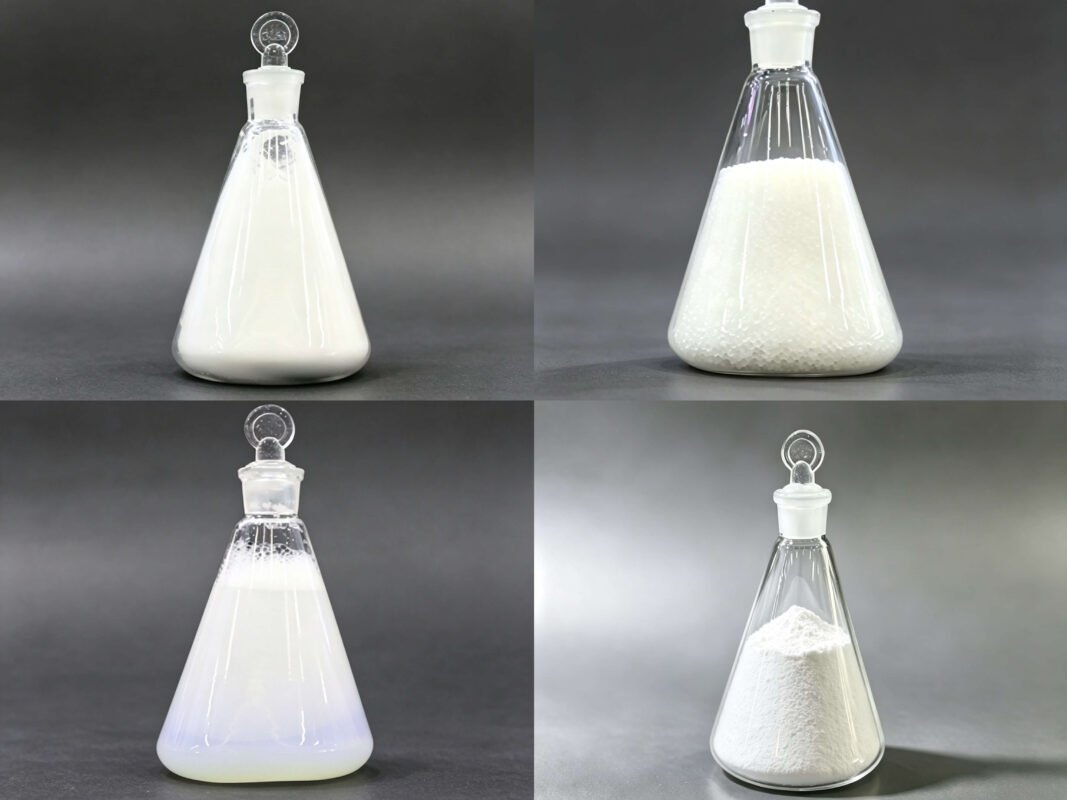
Chinese manufacturers have significantly closed the technology gap in three core additive categories:
- Heat Stabilizers: The industry is rapidly shifting from lead-based stabilizers to eco-friendly Calcium-Zinc (Ca-Zn) stabilizers. Top-tier manufacturers now offer Ca-Zn formulations that match the heat stability of traditional lead without the environmental liability.
- Impact Modifiers: Chlorinated Polyethylene (CPE 135A) remains the workhorse for enhancing the toughness of PVC pipes. Evaluating a supplier involves testing the “chlorine content” and “fusion time” to ensure the pipes do not become brittle in cold-weather applications.
- Lubrication Systems: Precision in internal and external lubricants (such as PE Wax or Stearic Acid) is essential to prevent “plate-out” on the extrusion dies.
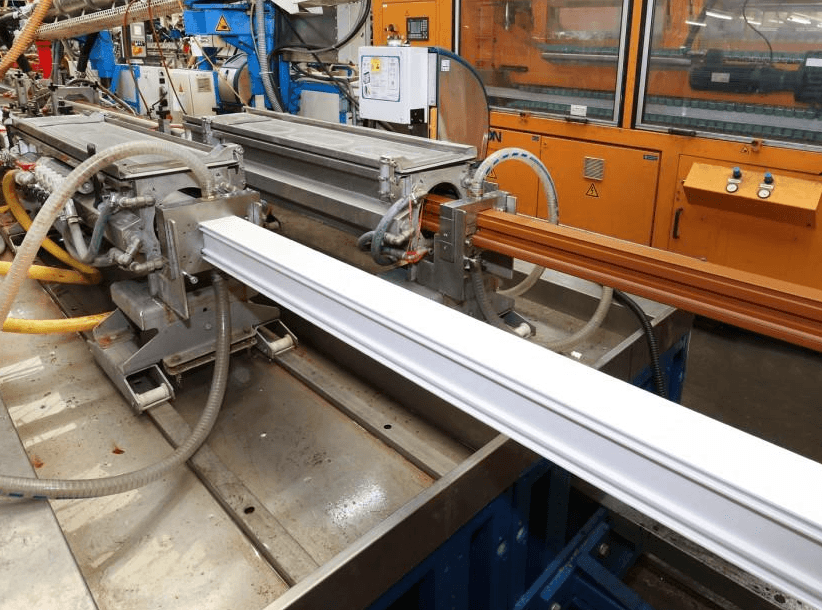
For a comprehensive view of how these chemicals integrate into specific manufacturing processes, industry leaders often review advanced additive applications for PVC piping to match chemical grades with production machinery speeds.
Evaluating Manufacturer Reliability and Quality Control
In the chemical B2B sector, “Price” is secondary to “Consistency.” A slight variation in the purity of a processing aid can cause thousands of dollars in wasted raw material on the production floor. To mitigate this risk, professional buyers focus on the manufacturer’s internal lab capabilities.
The Manufacturer vs. Trading Company Dilemma
| Criteria | Professional Manufacturer (OEM) | General Trading Company |
| Technical Support | Direct access to chemists/R&D | Basic sales support |
| Customization | Can adjust formulations per RFQ | Off-the-shelf products only |
| Price | Factory-direct (Lower) | Commission-based (Higher) |
| Traceability | Full batch records provided | Often obscured origins |
| Sourcing Suitability | High-volume, technical projects | Small, varied-item orders |
A reliable manufacturer should provide a Certificate of Analysis (COA) for every batch. Furthermore, look for suppliers who invest in “Application Labs” where they can simulate your specific extrusion conditions to verify additive performance before shipment.
Regulatory Compliance: REACH, RoHS, and Safety Standards
For international buyers, particularly those in the EU or North American markets, compliance is a non-negotiable threshold. Sourcing PVC pipe additives from China manufacturers requires verified documentation of:
- REACH (Registration, Evaluation, Authorisation and Restriction of Chemicals): Essential for exporting to the European market.
- RoHS Compliance: Ensuring the absence of heavy metals like lead, mercury, and cadmium in the additives.
- ISO 9001:2015: Verification of consistent quality management systems.
Leading Chinese chemical companies now maintain dedicated compliance departments to ensure their formulations meet evolving global safety standards. This is particularly vital for potable water pipe production, where additives must not leach harmful substances into the water supply.
The Procurement Workflow: From RFQ to Final Shipment
The B2B procurement cycle for industrial chemicals in China typically follows a structured path to ensure material integrity.
- Step 1: Technical RFQ: Provide the supplier with your resin type, extrusion speed, and target pipe wall thickness.
- Step 2: Lab-Scale Sampling: Request 1kg–5kg samples for initial lab testing. Most reputable factories provide samples for free but charge for international courier fees.
- Step 3: Pilot Run: Before committing to a 20ft container, run a “pilot batch” (typically 500kg–1ton) to observe performance on the production line.
- Step 4: Packaging and Moisture Control: Chemical additives are often hygroscopic. Ensure the manufacturer uses multi-layer moisture-proof packaging (such as PP woven bags with PE inner liners) to prevent clumping during sea transit.
Strategic buyers often leverage MKQ Chem’s expertise in industry-specific solutions to bridge the gap between chemical supply and actual manufacturing outcomes.
How to Choose a Reliable PVC Additives Supplier in China
Choosing the right PVC additives supplier is critical for ensuring product quality, production stability, and long-term cooperation. A reliable supplier should not only provide competitive products but also offer technical support, quality assurance, and customized solutions based on different manufacturing requirements.
Manufacturing Capability
A professional PVC additives manufacturer should have stable production capacity, advanced manufacturing equipment, and strong quality control processes. Buyers should evaluate the supplier’s factory capabilities, production experience, and ability to maintain consistent product performance across different batches.
Technical Support Capability
PVC processing often requires adjustments based on resin types, extrusion equipment, and final product applications. A reliable supplier should provide technical guidance, help optimize additive formulations, and support customers in solving processing challenges.
Quality Control and Certifications
Quality consistency is one of the most important factors when selecting a PVC additives supplier. Buyers should check whether the supplier provides technical documents such as COA (Certificate of Analysis), MSDS, product specifications, and relevant quality certifications to ensure compliance with market requirements.
Custom Formulation Capability
Different PVC pipe manufacturers may have different requirements for durability, processing performance, and application environments. Suppliers with formulation development capabilities can provide customized additive solutions based on production conditions and product performance goals.
Export Experience and Customer Support
For international buyers, export experience is also an important evaluation factor. Suppliers familiar with global markets can better support documentation requirements, logistics arrangements, and after-sales communication, helping ensure a smoother long-term partnership.
Logistics and Supply Chain Resilience
Lead times for chemical additives from China generally range from 15 to 25 days for production, plus transit time. To ensure supply chain resilience, it is advisable to maintain a safety stock of 2–3 months of additives.
When negotiating contracts, specify the Incoterms (FOB or CIF are standard). Be aware of the “Dangerous Goods” (DG) classification; while most PVC additives are non-DG, certain specialty catalysts or initiators may require specific shipping documentation and specialized containers, which can impact freight costs.
FAQ
What is the standard MOQ for PVC additives in China?
For major additives like CPE or Stabilizers, the Minimum Order Quantity (MOQ) is typically 1 metric ton. However, for specialty processing aids or high-value lubricants, some manufacturers accept trial orders as low as 500kg.
How can I verify the quality of the additives without visiting the factory?
You can hire third-party inspection services like SGS or Intertek to perform a “Pre-Shipment Inspection” (PSI). They will pull samples directly from the packaged batch and verify the specifications against your agreed COA.
Are Calcium-Zinc stabilizers a direct 1:1 replacement for lead?
Not exactly. Ca-Zn stabilizers often require adjustments in the lubrication system of the formulation. A professional manufacturer will provide a “starting formulation” to help your technical team recalibrate the extrusion process.
Why is moisture content critical for PVC additives?
High moisture content in additives like fillers or stabilizers causes “bubbles” or “pitting” in the finished PVC pipe wall. Manufacturers should guarantee moisture levels below 0.5% (or lower depending on the grade).
What documents should I request from a PVC additives supplier?
Buyers should check documents such as technical data sheets, COA reports, MSDS files, and relevant quality certifications.
Can PVC additive manufacturers provide customized formulations?
Professional manufacturers can adjust additive formulations based on PVC resin type, extrusion conditions, and final product requirements.
Reference Sources
- ASTM D1784: Standard Specification for Rigid Poly(Vinyl Chloride) (PVC) Compounds.
- ISO 14001:2015: Environmental management systems in chemical manufacturing.
- The European Chemicals Agency (ECHA): REACH compliance database for industrial chemicals.
- Plastics Industry Association: Technical reports on polymer stabilization and additives.
- Chemical Inspection and Regulation Service (CIRS): Guidelines for sourcing chemicals from the Asia-Pacific region.