
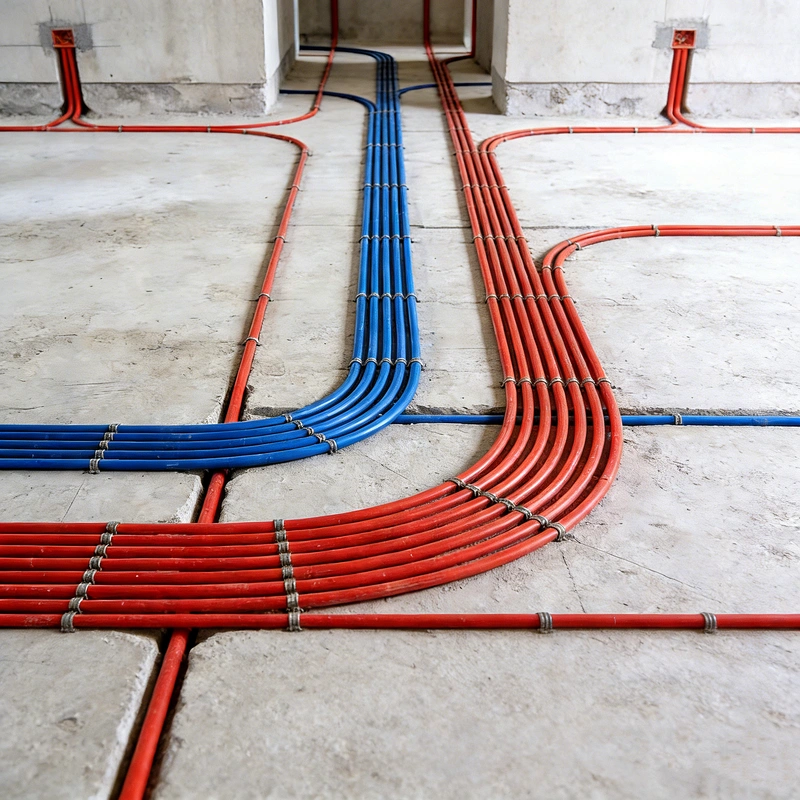
In the global wire and cable industry, environmental adaptability is a non-negotiable performance metric. For power transmission in Arctic regions, outdoor telecommunications, or automotive wiring in sub-zero climates, standard PVC formulations often reach their physical limits. When temperatures drop below the glass transition point (Tg), PVC transforms from a flexible elastomer to a brittle, glass-like state, leading to catastrophic sheath cracking and electrical failure.
Improving PVC cable low temperature flexibility is a primary objective for material engineers and OEM procurement managers. The technical challenge lies in modifying the molecular structure of the PVC compound without compromising other essential properties like flame retardancy, tensile strength, or dielectric integrity. By integrating high-performance additives—specifically impact modifiers and specialized plasticizers—manufacturers can extend the operational range of cables to -40°C or even -60°C.
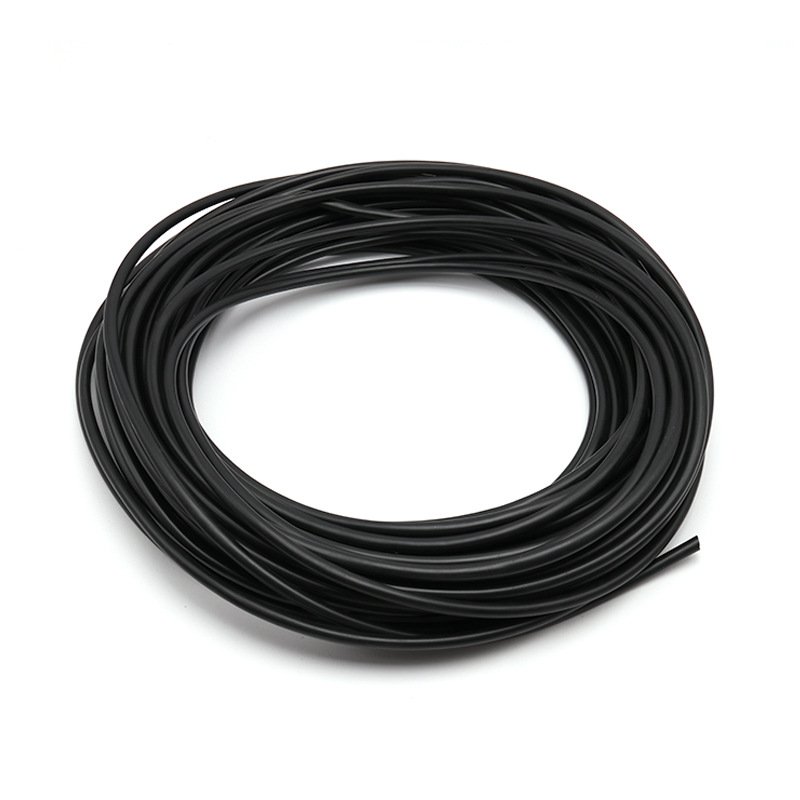
How High-Performance Additives Improve PVC Cable Low Temperature Flexibility
The inherent brittleness of PVC at low temperatures is due to the close packing of polymer chains, which restricts molecular movement. High-performance additives function by increasing the “free volume” between these chains or by introducing a secondary, rubbery phase that absorbs mechanical energy.
Mechanism of Plasticization
Standard plasticizers like DOP or DINP are effective at room temperature but lose efficiency as the thermometer drops. Specialized cold-resistant plasticizers, such as DOA (Dioctyl Adipate) or DOS (Dioctyl Sebacate), possess lower pour points and lower viscosity at cold temperatures. These molecules act as internal lubricants, allowing the PVC chains to slide past one another even in extreme cold, effectively lowering the Tg of the final compound.
The Role of Impact Modifiers (CPE 135A)
Chlorinated Polyethylene (CPE), particularly grade 135A, is the industry standard for improving PVC cable low temperature flexibility. When dispersed correctly within the PVC matrix, CPE forms a network structure that acts as a “crack stopper.” If a micro-crack initiates due to cold stress, the rubbery CPE particles absorb the energy and prevent the crack from propagating through the cable sheath.
Key Additive Categories for Cold-Resistant Wire and Cable
Selecting the right additive package requires a balance of cost-efficiency and technical performance. In large-volume production, the choice of additive dictates the “Total Cost of Ownership” (TCO) of the cable.
| Additive Type | Key Function | Temperature Range | Common Use Case |
| CPE 135A | Impact modification & flexibility | Down to -35°C | General power & industrial cables |
| DOA / DOS | Cold-resistant plasticization | Down to -60°C | Arctic-grade wiring |
| ACR Modifiers | Processing aid & impact strength | Moderate Cold | High-speed extrusion lines |
| Ca-Zn Stabilizers | Thermal stability during extrusion | N/A | Eco-friendly/Lead-free cables |
For manufacturers sourcing these components, reviewing specialized cable sheathing chemical solutions is essential to ensure that the additives are compatible with specific resin grades and flame retardant requirements.
Application Scenarios: From Automotive to Arctic Infrastructure
The strategy for improving PVC cable low temperature flexibility varies significantly depending on the end-use environment. Engineers must tailor the additive dosage to meet specific industry standards.
Automotive Environments
Automotive wiring, especially in battery-electric vehicles (BEVs), is often exposed to extreme temperature fluctuations. Under-the-hood components must resist high heat during operation and remain flexible in freezing overnight conditions. Here, a hybrid approach of high-load CPE and secondary stabilizers is typically employed to ensure the harness does not crack under vibration.
Arctic and Sub-Sea Infrastructure
In oil and gas or offshore wind applications, cables are subjected to constant mechanical stress in sub-zero environments. These scenarios require DOS-based plasticization. While more expensive than standard adipates, DOS offers superior low-temperature performance and low volatility, ensuring the cable remains flexible for a 20-year service life.
Outdoor Networking and 5G Small Cells
As telecommunications infrastructure moves into harsher climates, the demand for cold-resistant PVC jackets has surged. These cables must pass “cold bend” and “cold impact” tests at -40°C to prevent signal interference caused by jacket failure and moisture ingress.
How to Select the Right PVC Flexibility Additive
Selecting the right PVC flexibility additive is essential for improving cable performance, especially in applications exposed to low temperatures, mechanical stress, or harsh operating environments. The ideal additive system should balance flexibility, durability, processing performance, and long-term stability.
Temperature Requirements
The first consideration is the required operating temperature range of the PVC cable. Different applications may require different levels of low-temperature resistance.
Manufacturers should evaluate:
- Minimum service temperature
- Cold impact resistance requirements
- Outdoor exposure conditions
- Temperature fluctuation cycles
Choosing additives with suitable low-temperature performance helps reduce brittleness and cracking risks during operation.
Mechanical Performance Requirements
PVC cable applications require different mechanical properties depending on the usage environment. The additive formulation should be selected based on performance targets such as:
- Flexibility
- Tensile strength
- Elongation
- Impact resistance
- Crack resistance
A properly balanced additive system can improve flexibility while maintaining sufficient mechanical strength.
Processing Conditions
Additive selection should also consider the cable manufacturing process. Different production conditions may influence additive compatibility and processing efficiency.
Important factors include:
- Extrusion temperature
- Processing speed
- Equipment requirements
- Material dispersion performance
Compatible additives can help improve processing stability and maintain consistent cable quality.
Regulatory and Application Requirements
PVC cable manufacturers should consider industry standards and application-specific requirements when selecting additives.
Key considerations include:
- RoHS compliance
- REACH requirements
- Flame retardant standards
- Environmental regulations
Working with an experienced PVC additive supplier can help manufacturers develop solutions that meet both performance and regulatory requirements.
Technical Specifications and Testing Benchmarks
To verify the effectiveness of an additive package in improving PVC cable low temperature flexibility, manufacturers rely on standardized ASTM and ISO protocols.
- Cold Bend Test (ASTM D1429): A sample of the cable is wound around a mandrel at a specified sub-zero temperature. If the sheath shows any signs of cracking under visual inspection, the additive formulation has failed.
- Cold Impact Test (ISO 6722): This involves dropping a weight onto a frozen cable sample. High-performance CPE-modified PVC will absorb this impact, whereas unmodified PVC will shatter.
- Elongation at Break: At -25°C, a high-performance cable should ideally maintain an elongation at break of over 50%. Standard PVC often drops to less than 10%, indicating a high risk of failure.
In the B2B procurement workflow, requesting a Certificate of Analysis (COA) that highlights these specific low-temperature metrics is critical. Suppliers like MKQ Chem provide technical data support to help procurement teams match additive performance with their specific manufacturing constraints.
Strategic Sourcing and Formula Optimization
The commercial reality of cable manufacturing is that “over-engineering” a formula can erode profit margins. The goal is to reach the target temperature threshold with the minimum effective dosage of high-cost additives.
Formulation Tip: When using CPE 135A, the particle size and chlorine distribution are paramount. A 35% chlorine content is generally optimal for compatibility with PVC. If the chlorine distribution is uneven, the additive will not disperse uniformly during extrusion, leading to “weak spots” in the cable sheath that will fail during cold impact testing.
By partnering with a technically informed supplier, manufacturers can conduct pilot runs to determine the exact ROI of different additive packages. This ensures that the final product meets the stringent safety requirements of the global energy and automotive sectors while remaining competitive in the market.
FAQ
What is the best additive for PVC flexibility at -40°C?
For extreme cold, a combination of 8–12 phr (parts per hundred resin) of CPE 135A and a cold-resistant plasticizer like DOA or DOS is recommended. This dual-action approach provides both impact resistance and molecular mobility.
Does improving low-temperature flexibility affect flame retardancy?
Yes, it can. Many cold-resistant plasticizers are more flammable than standard phthalates. To compensate, manufacturers often increase the loading of Antimony Trioxide or Alumina Trihydrate (ATH) in the compound.
How does moisture affect cold-resistant additives?
Additives like certain stabilizers can be hygroscopic. If they absorb moisture during storage, it can cause “pitting” or bubbles during the extrusion of the cable jacket, which creates physical stress points that lead to cracking in cold weather.
Can I use recycled PVC for cold-resistant cables?
It is difficult. Recycled PVC often has an unknown history of thermal degradation and plasticizer loss. For mission-critical cold-weather applications, virgin resin with a precision-dosed additive package is the only way to guarantee compliance with international safety standards.
Reference Sources
- ISO 6722-1: Road vehicles — 60 V and 600 V single-core cables — Dimensions, test methods and requirements.
- ASTM D746: Standard Test Method for Brittleness Temperature of Plastics and Elastomers by Impact.
- Journal of Vinyl and Additive Technology: Research on the effect of CPE on PVC morphology.
- SGS Technical Reports: Comparative analysis of plasticizer migration and cold-resistance in industrial polymers.
- The European Plasticisers Association (ECPI): Technical data on high-performance adipates and sebacates.