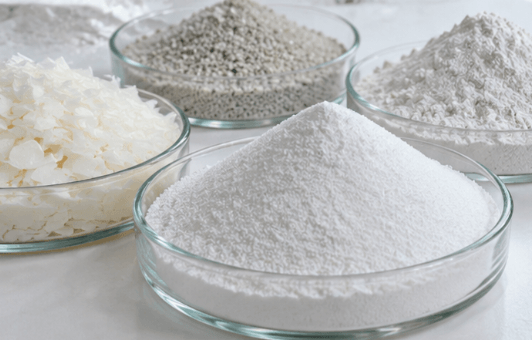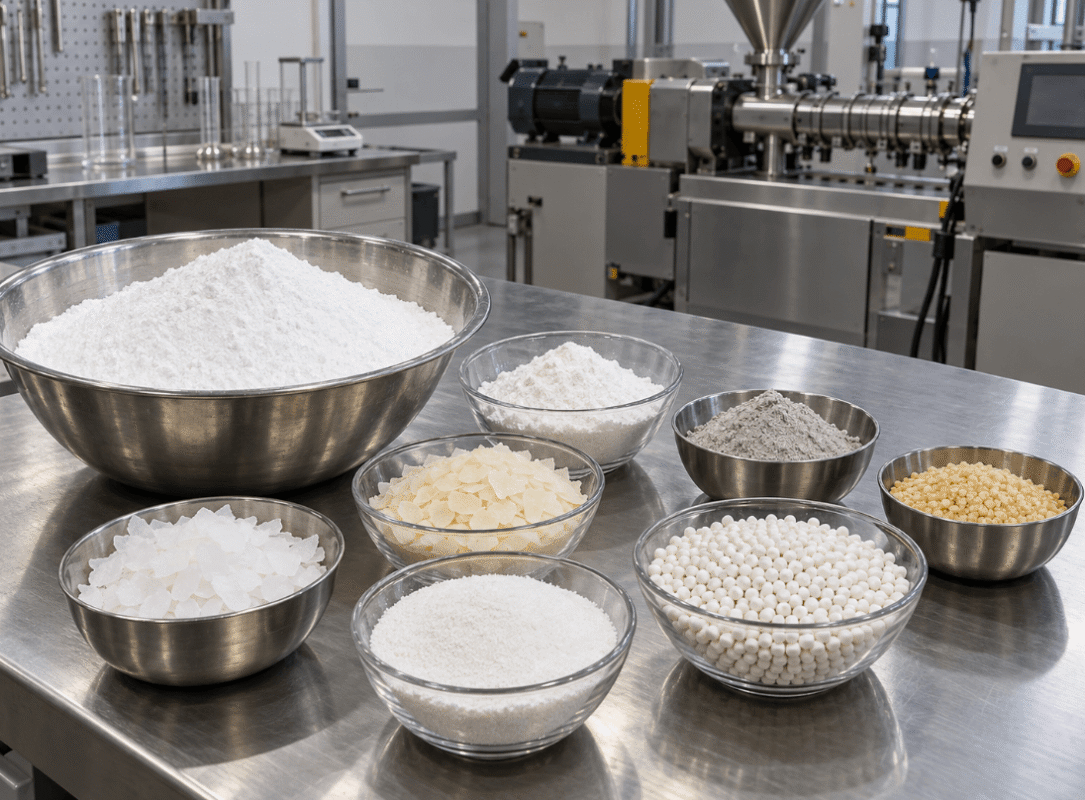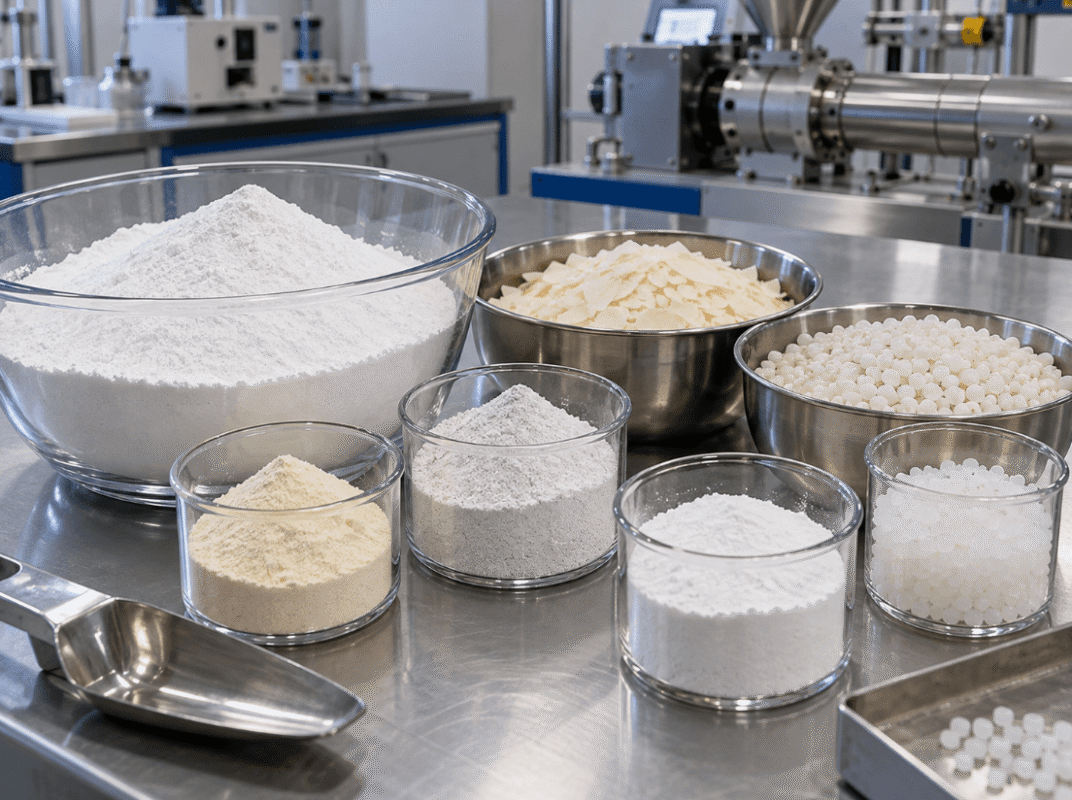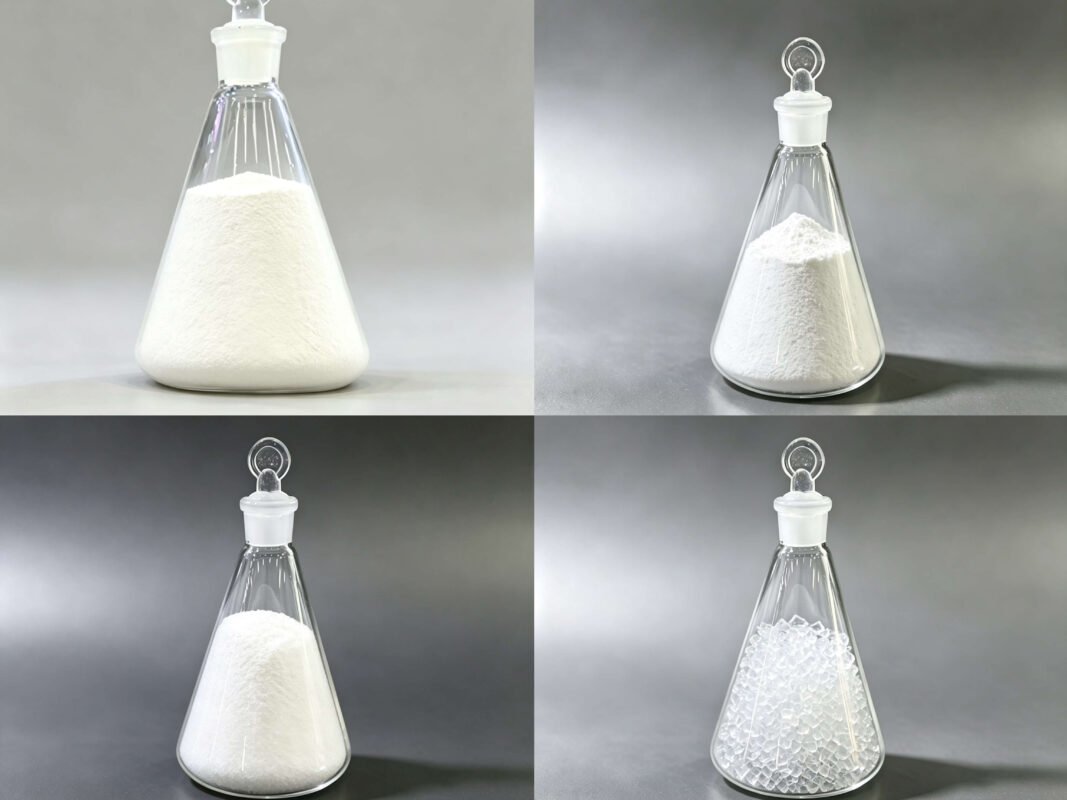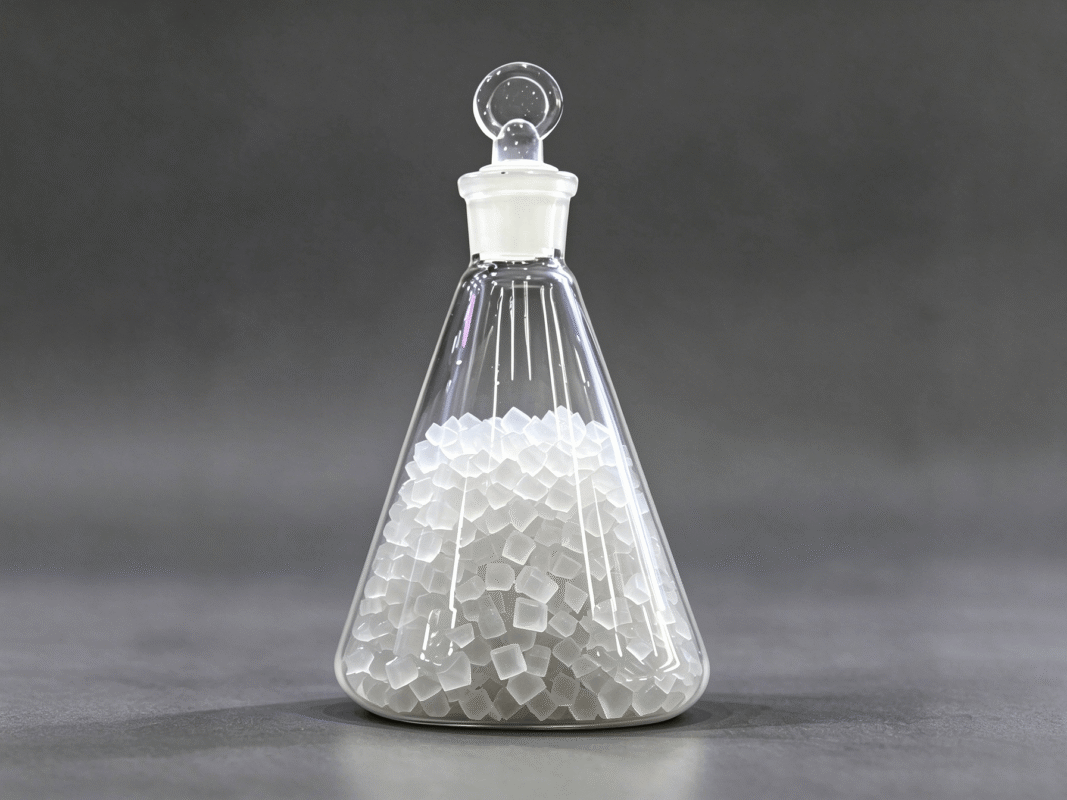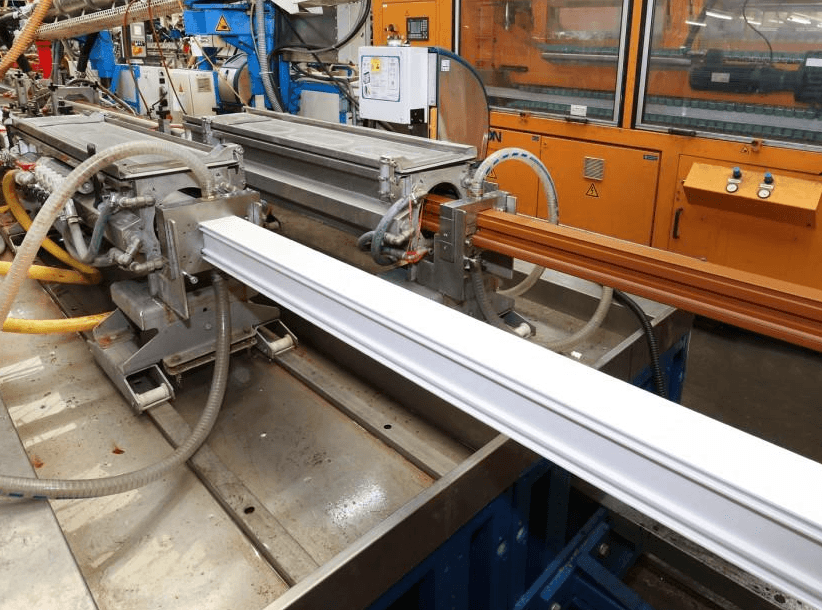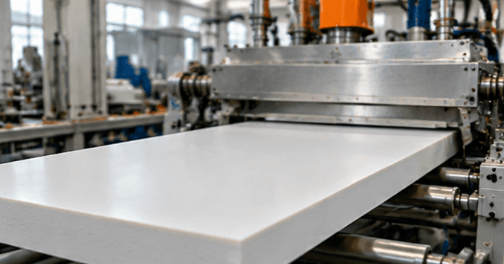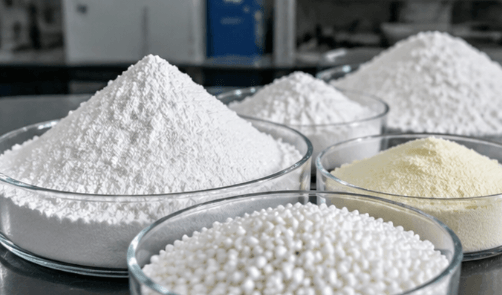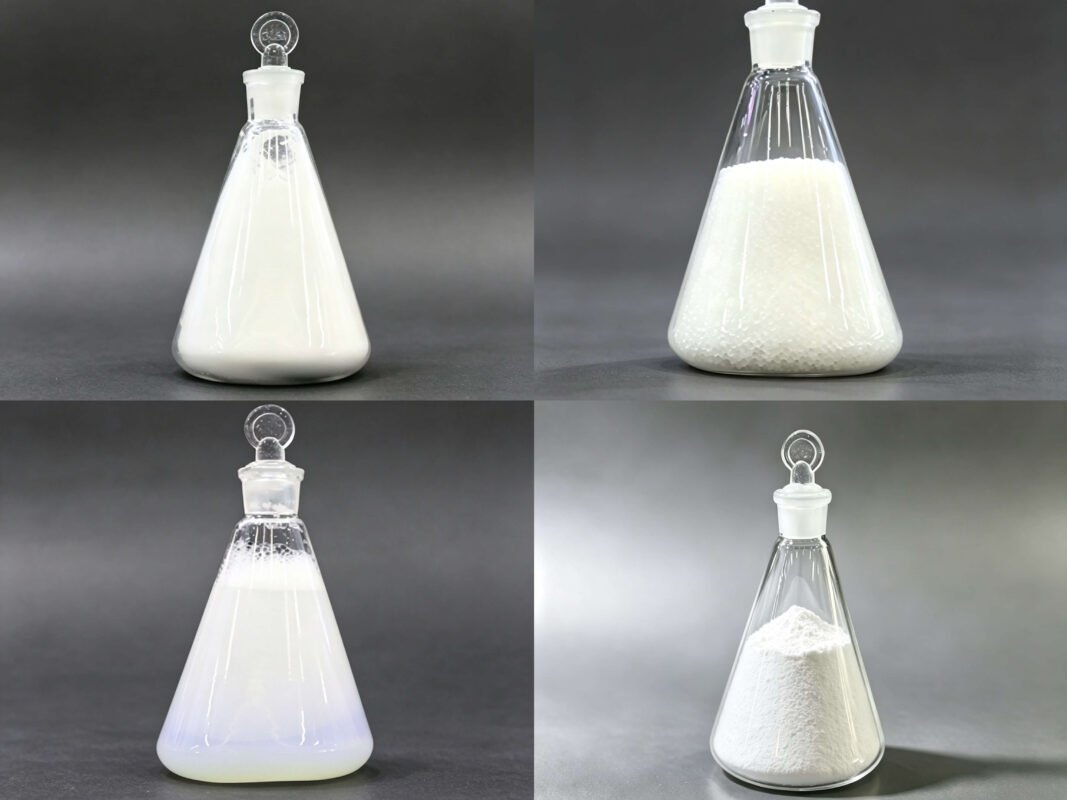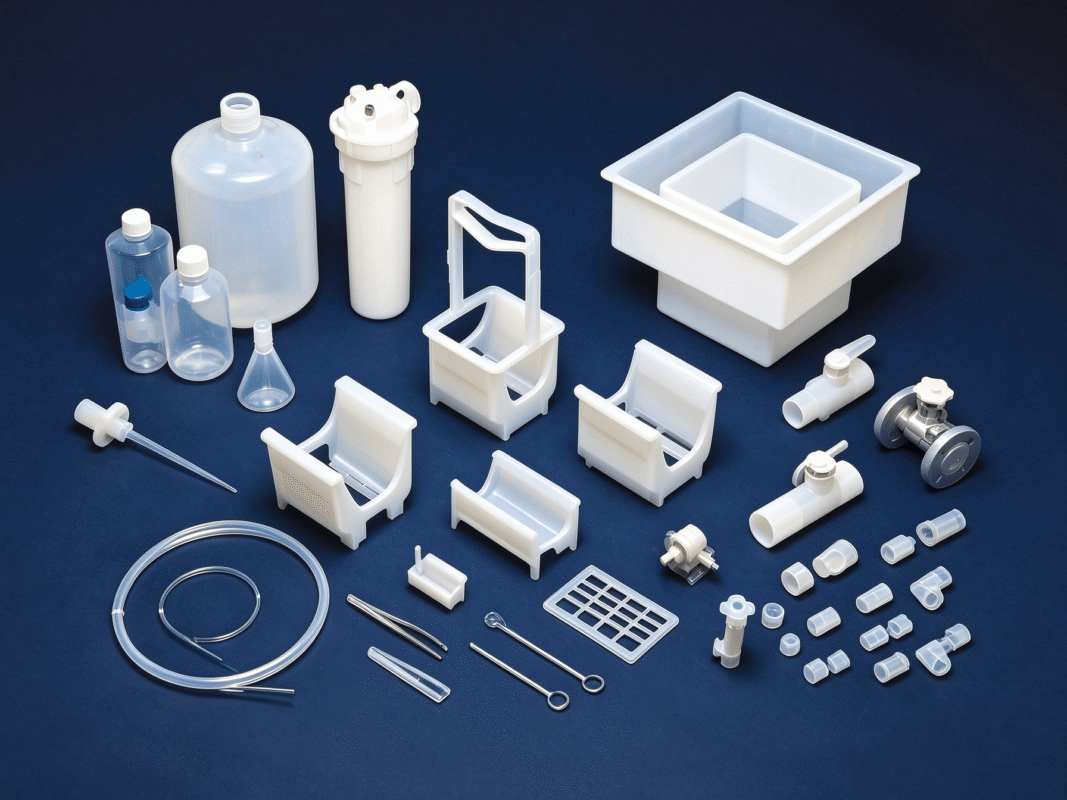

For US-based plastic manufacturers and Tier 1 automotive suppliers, the decision to source chemical additives from overseas is driven by the need to balance high-performance formulations with cost-efficiency. Sourcing PVC stabilizers from China to USA is a strategic move, yet it requires a rigorous technical vetting process to ensure compliance with stringent North American environmental and safety regulations.
The US market is increasingly transitioning away from traditional lead-based systems toward eco-friendly solutions like Calcium-Zinc (Ca-Zn) and Organic-based stabilizers (OBS). Navigating this transition while maintaining the manufacturing speed and stability of rigid profiles or flexible cables demands a supplier who understands both the chemistry and the trans-Pacific supply chain logic. This guide provides a professional procurement framework for engineers and project managers to de-risk their chemical sourcing.
Technical Benchmarking for the US PVC Market
The primary challenge in sourcing additives is matching the Chinese manufacturing output with US-specific technical standards. In the United States, PVC products must often meet ASTM (American Society for Testing and Materials) or UL (Underwriters Laboratories) standards for thermal stability and flame retardancy.
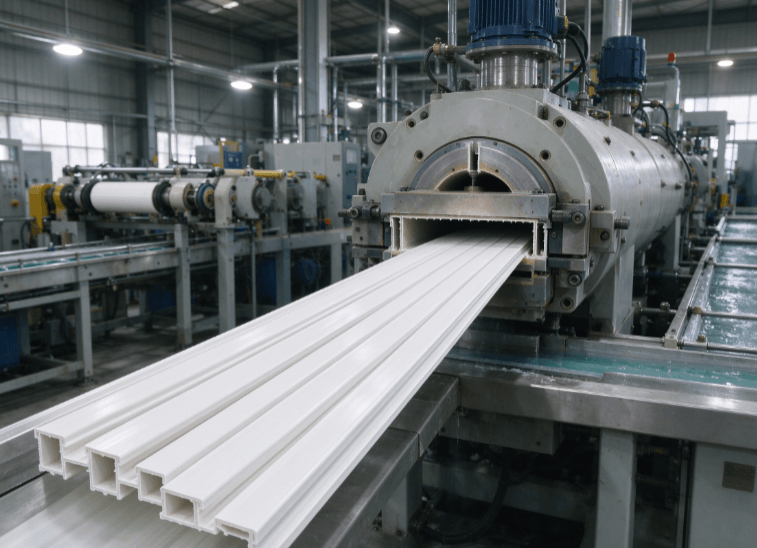
When evaluating PVC stabilizers from MKQ Chem, procurement officers should prioritize the “Processing Window.” A high-quality stabilizer doesn’t just prevent degradation during extrusion; it expands the operating temperature range, allowing for faster screw speeds and reduced “plate-out” on the dies. For window profile manufacturers, initial coloring and long-term weatherability (UV resistance) are the non-negotiable KPIs.
Comparison: Stabilizer Systems for US Applications
| System Type | US Market Suitability | Technical Strength | Common Applications |
| Calcium-Zinc (Ca-Zn) | High (Non-toxic/REACH) | Excellent initial color, eco-friendly | Potable water pipes, medical, toys |
| One-Pack Lead | Low (Regulatory hurdles) | Superior heat stability, cost-effective | Heavy-duty industrial cables (Ex-US) |
| Barium-Zinc (Ba-Zn) | Moderate | Good clarity and cost balance | Flexible PVC, flooring, mats |
| Methyl Tin | High | Maximum transparency, high efficiency | Clear rigid sheets, food packaging |
Regulatory Compliance and Environmental Standards
Sourcing PVC stabilizers from China to USA involves more than just a Certificate of Analysis (COA). The US Environmental Protection Agency (EPA) and various state-level regulations (like California’s Prop 65) have created a high barrier to entry for certain heavy metal additives.
REACH and RoHS Compliance
Most reputable Chinese manufacturers now produce “Lead-Free” grades specifically for the Western market. When sending an RFQ, ensure the supplier provides documented proof of RoHS compliance. This ensures the absence of hazardous substances like lead, mercury, and cadmium, which are critical for any product entering the US consumer or construction sectors.
Material Safety Data Sheets (MSDS/SDS)
A professional supplier must provide an SDS that aligns with the Global Harmonized System (GHS) standards used in the USA. This documentation is essential not only for customs clearance but also for the safety and insurance protocols of your domestic manufacturing facility.
Logistics and Supply Chain Resilience
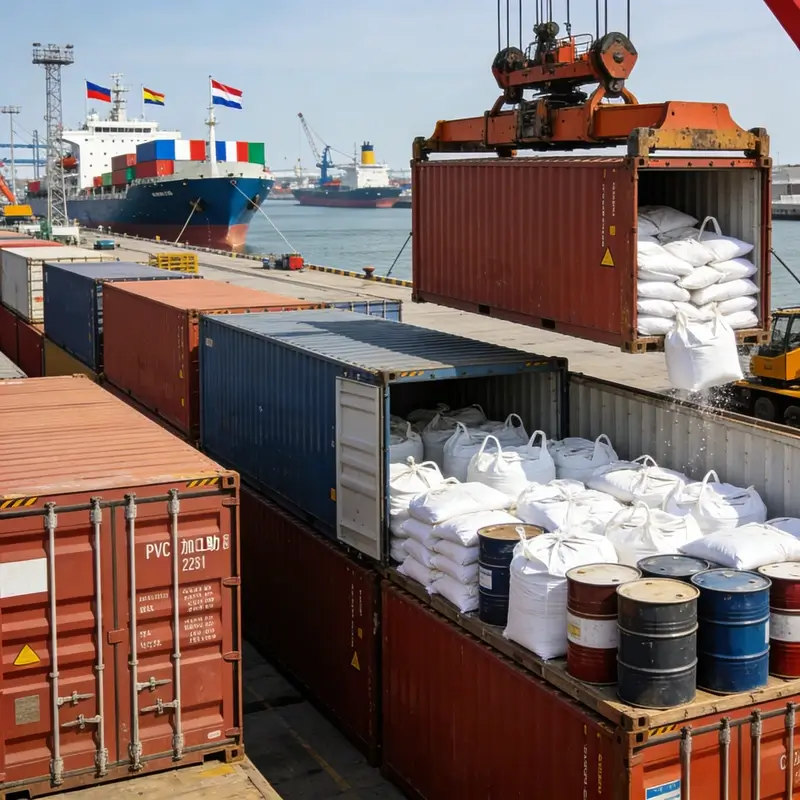
In the B2B chemical sector, a part that arrives late is a production line halted. Sourcing from China involves a complex logistical journey from industrial hubs like Shandong or Guangdong to US ports like Long Beach, Savannah, or New York.
Lead Times and Transit
Standard production lead times for bulk PVC stabilizers range from 15 to 25 days. However, sea freight can take an additional 30 to 45 days. Strategic buyers often implement a “Safety Stock” model, maintaining a 3-month inventory on-site to mitigate risks associated with port congestion or global shipping fluctuations.
Packaging and Moisture Control
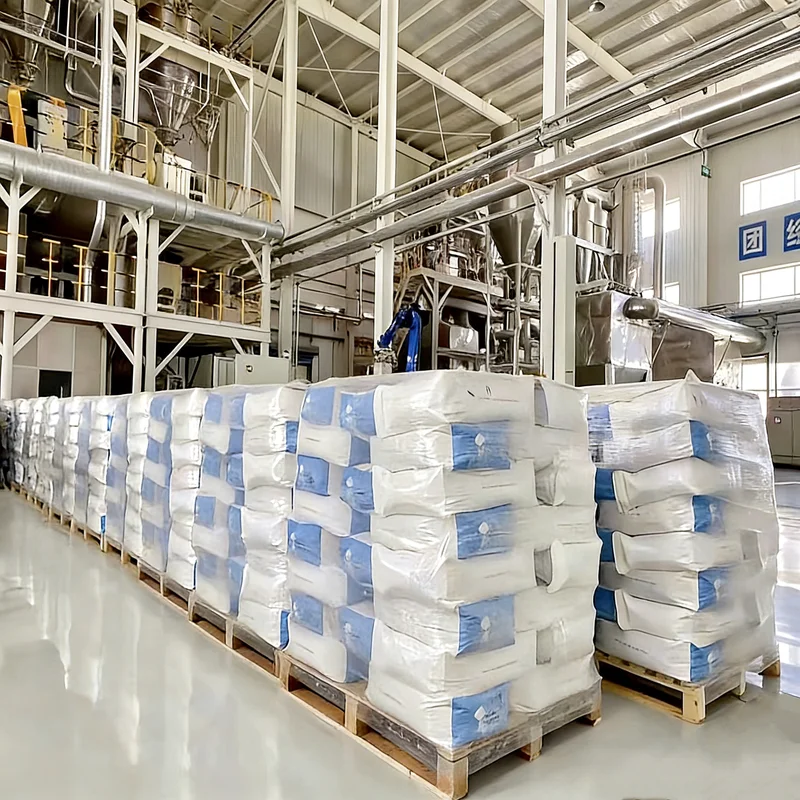
Chemical additives are often hygroscopic. For trans-oceanic shipping, ensure the manufacturer utilizes multi-layer moisture-proof packaging. We recommend 25kg PP woven bags with PE inner liners, often palletized and shrink-wrapped with desiccants inside the container to prevent clumping during the high-humidity sea transit.
The RFQ Workflow: From Sampling to Pilot Run
To ensure a successful partnership, the procurement process must move through distinct validation phases. Avoid jumping straight to a full container order (FCL) without a technical audit.
- Lab-Scale Sampling: Request a 2kg–5kg sample for initial laboratory analysis. Test for “Dynamic Heat Stability Time” using a torque rheometer.
- Pilot Production Run: Before committing to a long-term contract, purchase 500kg to 1 ton for a “Full-Scale Trial” on your extrusion or injection molding lines. This verifies that the specialized PVC stabilizer performs under your specific machinery pressures and screw configurations.
- Third-Party Inspection: For large-volume B2B orders, hire a firm like SGS or Intertek to perform a “Pre-Shipment Inspection” (PSI) at the factory in China. They will verify batch consistency and packaging integrity before the container is sealed.
Customization and OEM Capabilities
A significant advantage of sourcing PVC stabilizers from China to USA is the ability to request “Tailored Formulations.” Specialized manufacturers like MKQ Chem can adjust the ratio of internal/external lubricants and stabilizers within a “One-Pack” system to match your specific resin grade (K-value) and filler content (Calcium Carbonate).
This “Design-to-Application” approach allows US manufacturers to simplify their mixing process. Instead of dosing 5 or 6 different additives, a customized “One-Pack” stabilizer reduces the risk of human error during the weighing phase and ensures a more homogenous dry blend.
FAQ
What is the standard MOQ for PVC stabilizers when shipping to the USA?
For customized one-pack systems, the Minimum Order Quantity (MOQ) is typically 1 metric ton. For standard commodity grades, some manufacturers accept smaller trial orders of 500kg, though shipping costs are most efficient at the 20ft container (17–20 ton) level.
How do I handle US import duties for Chinese chemicals?
PVC stabilizers generally fall under HS Code Chapter 38 (Miscellaneous chemical products). US importers should consult with a licensed customs broker to determine the current Section 301 tariffs and any applicable anti-dumping duties.
Can Chinese suppliers match the quality of European or US brands?
Yes. Top-tier Chinese manufacturers utilize the same high-purity raw materials and ISO-certified quality management systems as Western brands. The key is to source from specialized factories rather than general trading companies.
What are the payment terms for B2B chemical sourcing?
The standard practice for initial orders is a T/T (Telegraphic Transfer) with a 30% deposit and 70% against the Bill of Lading (B/L). For established partners with a strong credit history, more flexible terms such as Net-30 or L/C (Letter of Credit) may be negotiated.
Reference Sources
- ISO 9001:2015 – Standards for quality management systems in chemical manufacturing.
- ASTM D1784 – Standard Specification for Rigid Poly(Vinyl Chloride) (PVC) Compounds.
- U.S. EPA (Environmental Protection Agency) – Regulations on lead and heavy metals in industrial additives.
- SGS/Intertek Industrial Services – Technical protocols for chemical testing and pre-shipment inspections.
- Journal of Vinyl and Additive Technology – Academic research on the efficiency of Calcium-Zinc vs. Lead stabilizer systems.