
In the global polymer processing industry, the transition from traditional lead-based heat stabilizers to eco-friendly alternatives is no longer a choice but a regulatory and commercial necessity. For PVC pipe manufacturers, the Calcium Zinc (Ca-Zn) stabilizer has emerged as the primary solution for maintaining structural integrity during the high-shear environment of extrusion. However, selecting the “best” stabilizer involves a complex evaluation of chemical synergy, lubrication balance, and specific application requirements.
A heat stabilizer’s primary function is to neutralize the hydrochloric acid (HCl) released during the thermal degradation of PVC and to replace unstable chlorine atoms on the polymer chain. In large-volume production, the efficiency of this process dictates the scrap rate, the surface finish of the pipe, and the long-term mechanical performance of the final product.
The Chemistry of Calcium Zinc Stabilizers
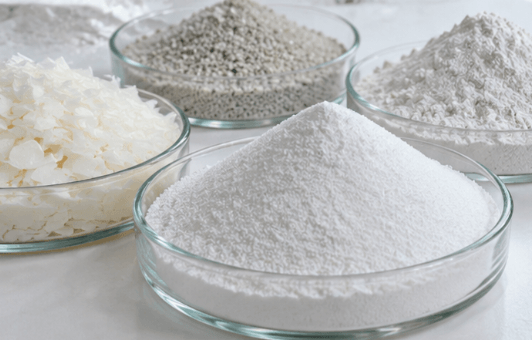
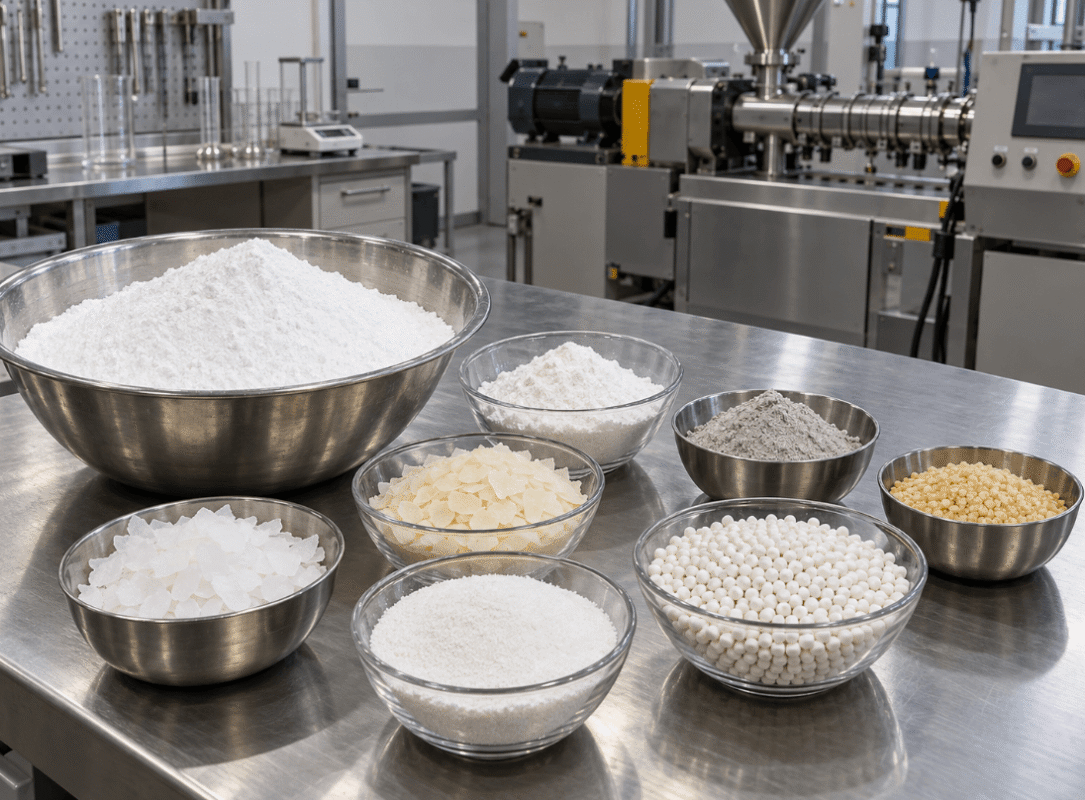
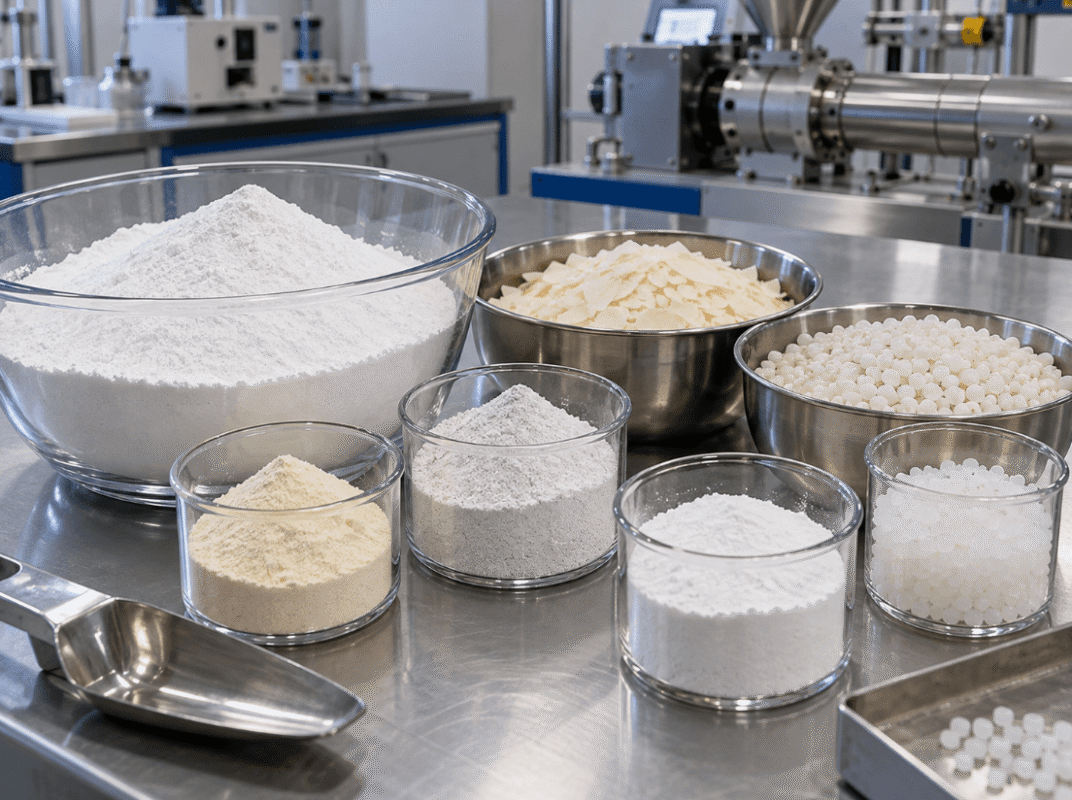
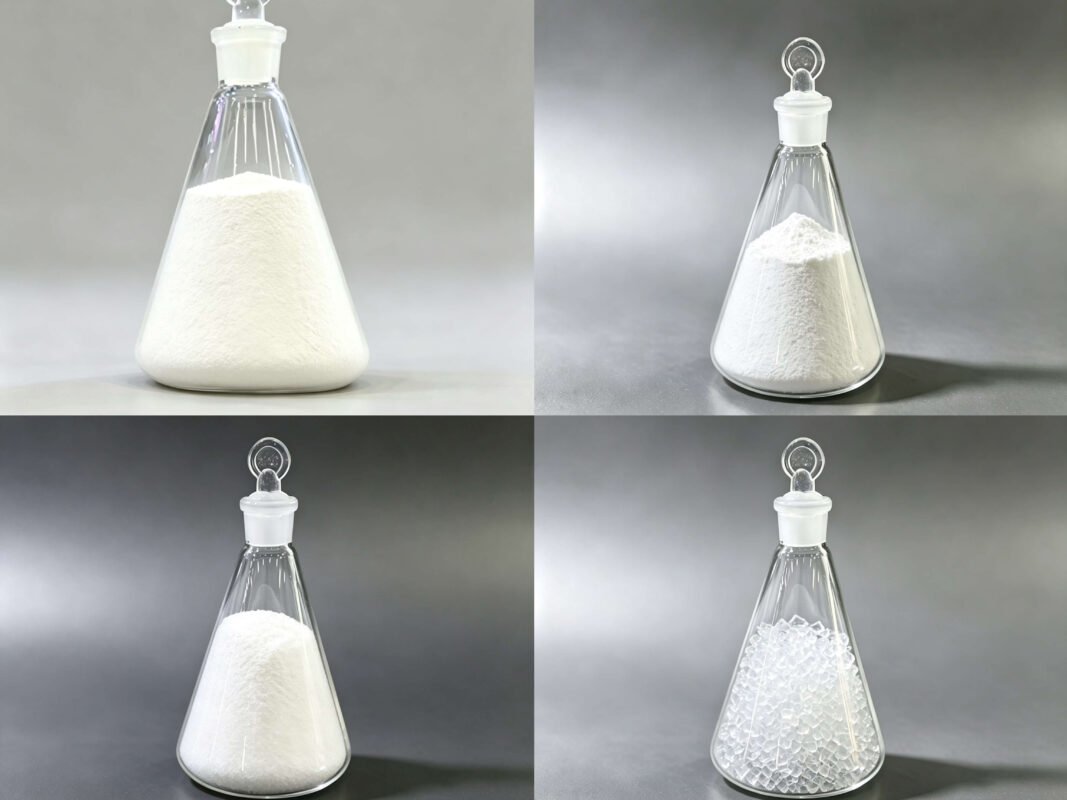
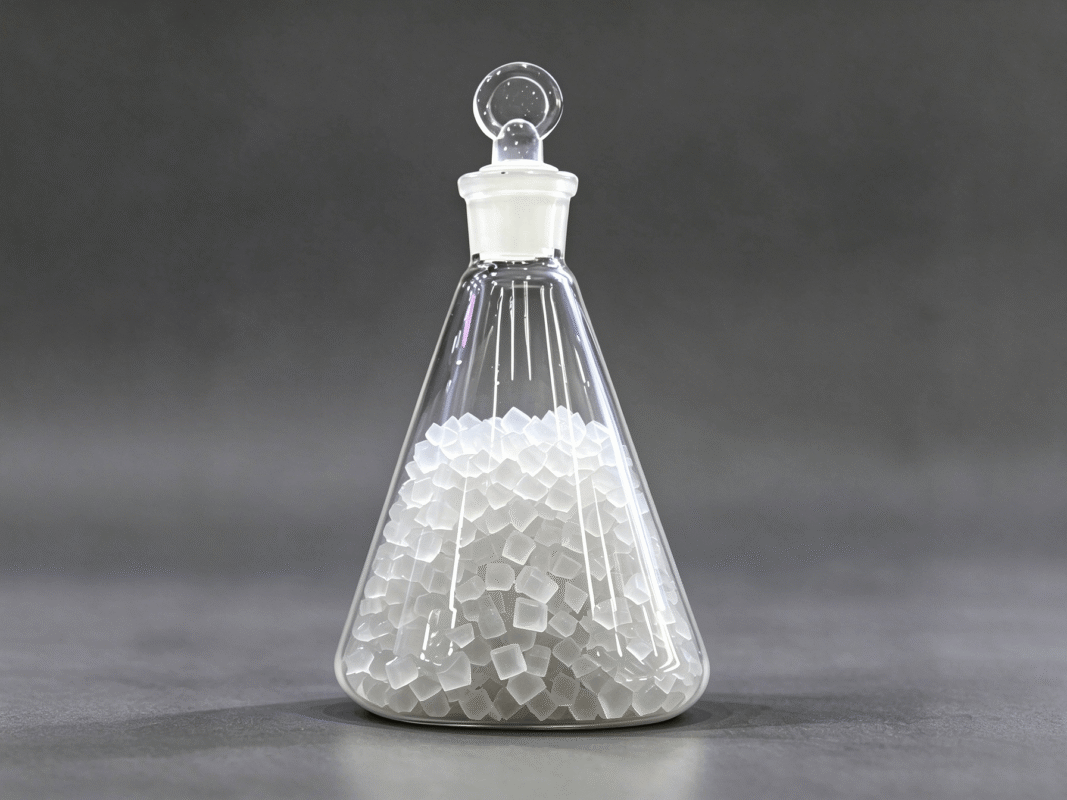
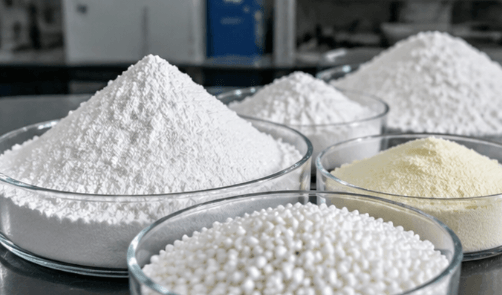
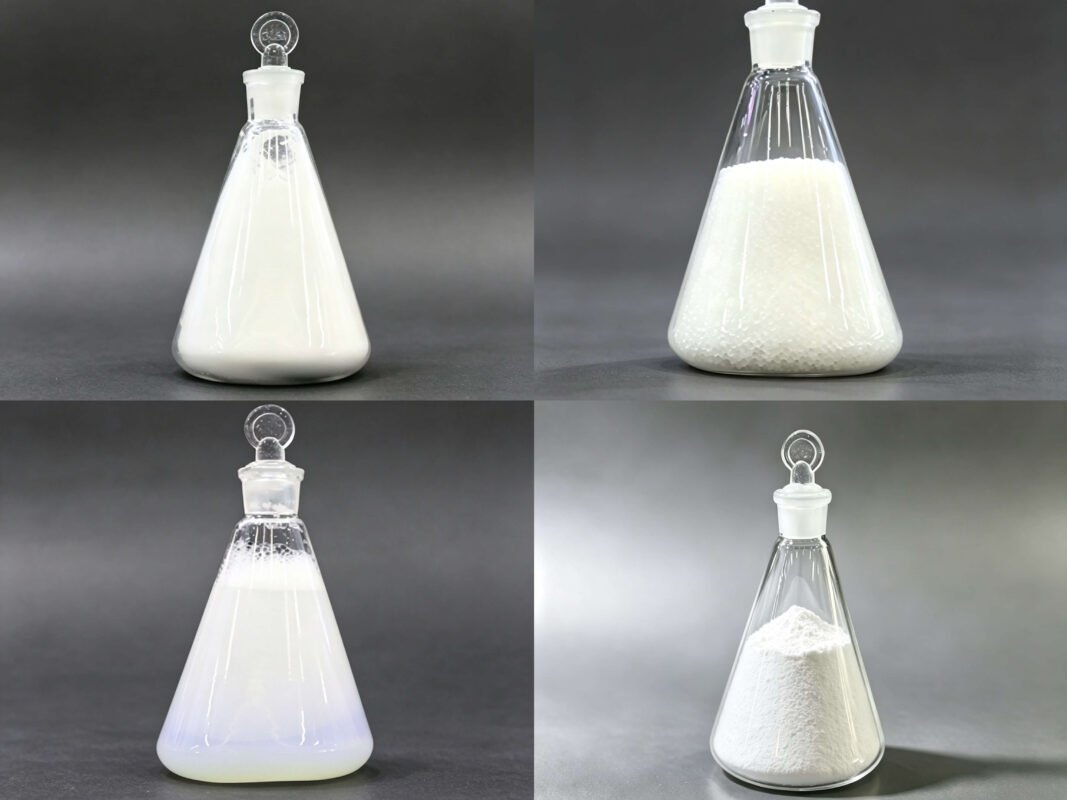
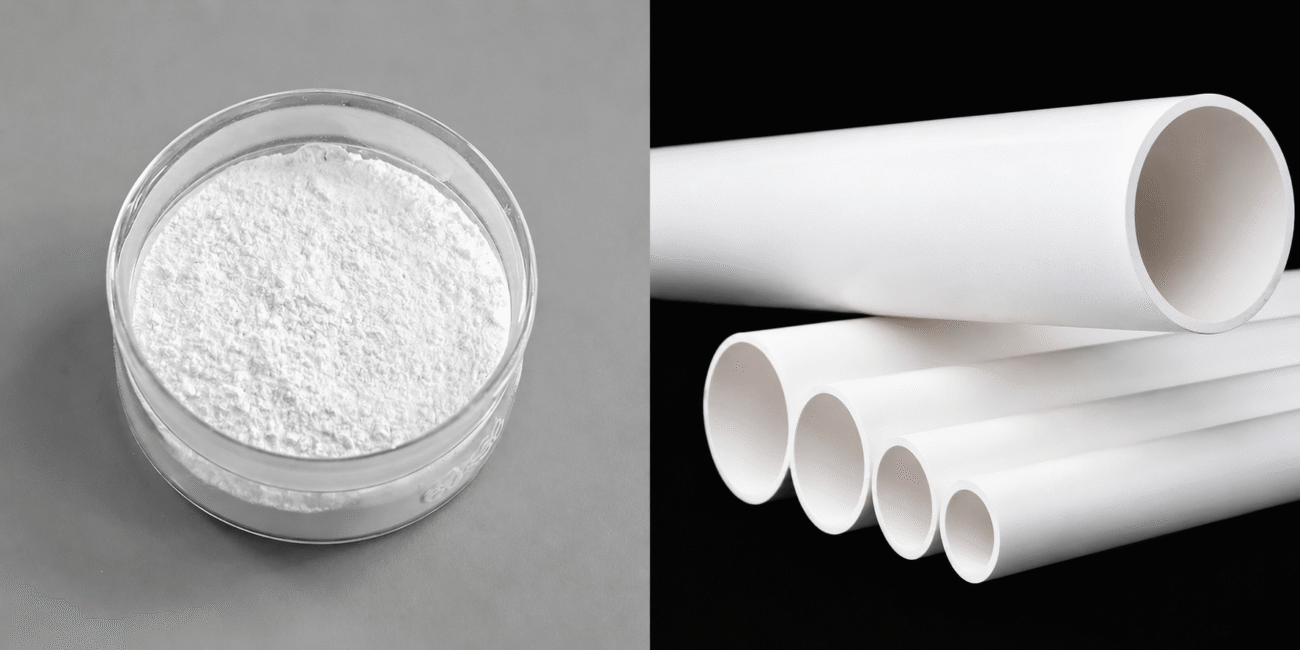
Calcium Zinc stabilizers are complex “one-pack” systems rather than simple chemical mixtures. They typically consist of calcium stearates, zinc stearates, organic co-stabilizers, antioxidants, and internal/external lubricants.
The mechanism relies on the “Zinc-Burning” prevention logic. While zinc soap is highly efficient at replacing labile chlorine atoms to provide excellent initial color, the resulting zinc chloride (ZnCl2) is a strong Lewis acid that can catalyze catastrophic degradation. The calcium component and organic co-stabilizers function to neutralize this ZnCl2, extending the induction period and ensuring long-term heat stability.
When evaluating a Calcium zinc stabilizer for PVC pipe, formulators must look for the “synergistic effect.” A well-engineered stabilizer ensures that the rate of HCl scavenging matches the rate of degradation, preventing “spotting” or “yellowing” during the residence time in the extruder barrel.
Key Selection Factors for PVC Pipe Manufacturers
Choosing a stabilizer requires an engineering-led approach. It is not merely about finding a lead-free alternative; it is about matching the stabilizer’s additive profile to the specific production constraints.
1. Dynamic Heat Stability
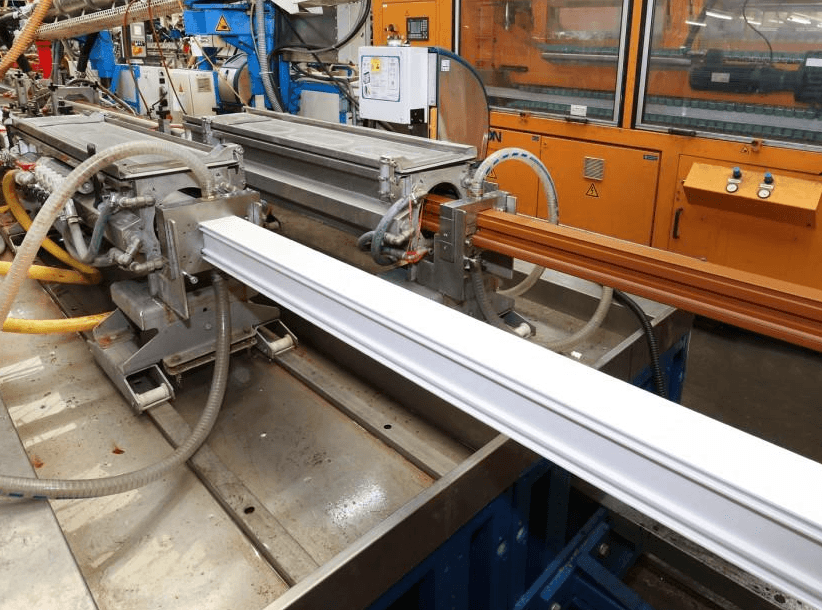
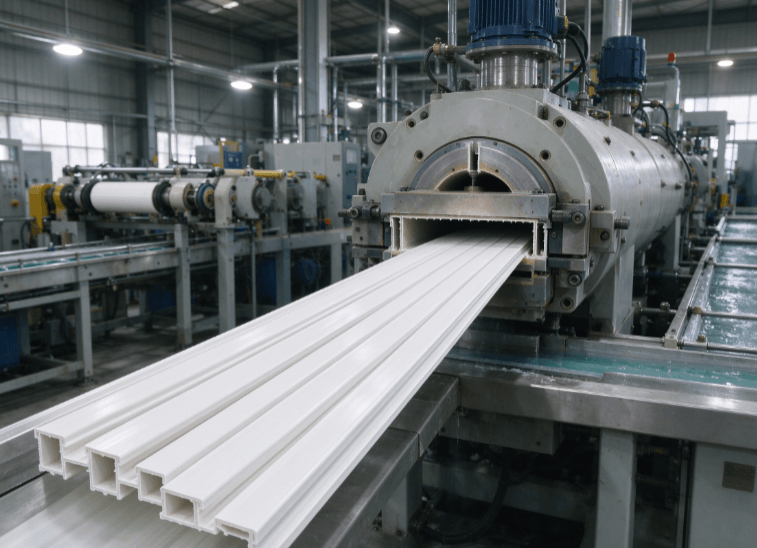
In high-speed extrusion, the PVC resin is subjected to intense friction and heat. A stabilizer must provide sufficient dynamic heat stability to survive the residence time within the twin-screw extruder. Engineers typically use a torque rheometer (like a Brabender) to measure the “fusion time” and “degradation time.” The best stabilizer for your line should offer a wide “processing window,” allowing for minor fluctuations in temperature without compromising the melt strength.
2. Lubrication Balance (Internal vs. External)
Most high-quality Ca-Zn stabilizers for pipes are “one-pack” systems, meaning they include lubricants.
- Internal Lubricants: Reduce the friction between polymer chains, decreasing melt viscosity.
- External Lubricants: Prevent the PVC melt from sticking to the hot metal surfaces of the screw and die.
A mismatch in lubrication can lead to “plate-out” (deposits on the die) or poor gelation, which results in brittle pipes that fail hydrostatic pressure tests.
3. Initial Coloring and Long-term Transparency
For drainage or electrical conduit pipes, initial color might be secondary. However, for premium white window profiles or specific color-coded pipes, the stabilizer’s ability to maintain the “whiteness index” is critical. Zinc-heavy formulations provide better initial color but require robust co-stabilizer packages to prevent late-stage darkening.
Comparison: Calcium Zinc vs. Lead-Based Stabilizers
| Feature | Lead-Based (Traditional) | Calcium Zinc (Modern) |
| Environmental Impact | High (Toxic, non-compliant with REACH) | Low (Non-toxic, Eco-friendly) |
| Heat Stability | Excellent (Very forgiving) | Good (Requires precise lubrication) |
| Initial Color | Moderate | Excellent |
| Electrical Insulation | Superior | Good (With specific additives) |
| Cost | Lower upfront | Competitive TCO (Total Cost of Ownership) |
Application-Specific Matching for PVC Pipes
The “best” stabilizer varies depending on what the pipe is designed to transport and where it will be installed.
Potable Water Pipes
These require the highest level of safety compliance. Stabilizers must be certified “Lead-Free” and meet global standards such as NSF/ANSI 61 or REACH/RoHS requirements. In these applications, the Calcium zinc stabilizer for PVC pipe must be non-migratory to ensure that no heavy metals or harmful organic compounds leach into the water supply.
Electrical Conduits and Telecom Ducts
For conduits, the focus is on “impact strength” and “dielectric properties.” The stabilizer should not interfere with the PVC’s inherent flame retardancy. Often, these pipes use a higher filler content (Calcium Carbonate), requiring a stabilizer that can effectively wet the filler particles to prevent structural weak points.
U-PVC Drainage and Soil Pipes
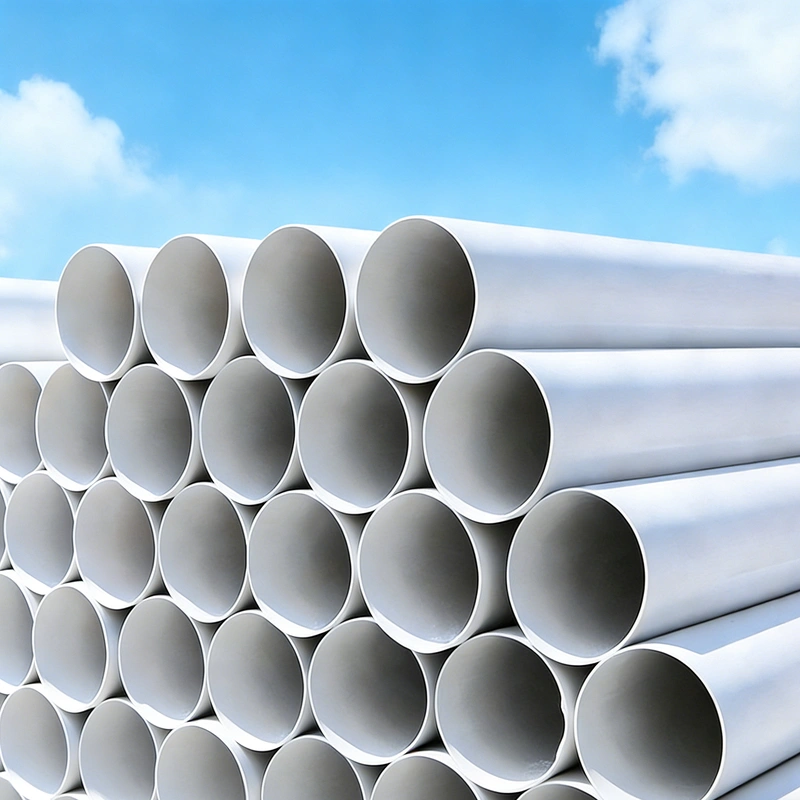
In large-diameter drainage pipes, “crush resistance” is the primary engineering metric. Stabilizers used here emphasize processing stability at high throughputs. Since these pipes are often hidden underground, weatherability is less critical than the ability to maintain a consistent wall thickness during extrusion.
Evaluating Stabilizer Performance via MKQ Chem Solutions
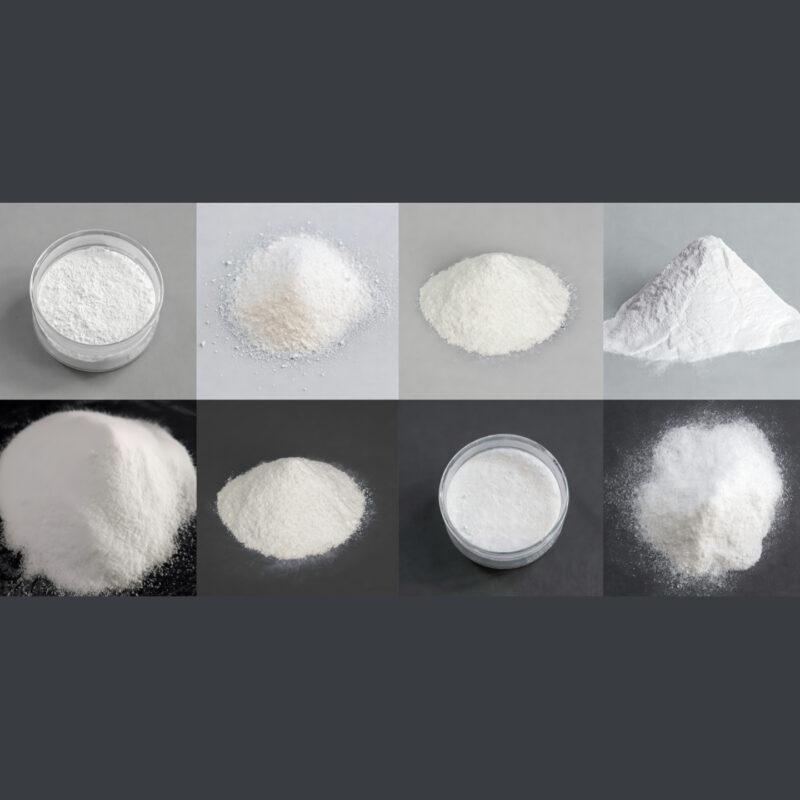
In the industrial sector, reliability is verified through technical data and sample consistency. When reviewing the PVC stabilizer range from MKQ Chem, engineers can observe how specific “One-Pack” systems are tailored for different pipe densities and extrusion speeds.
A professional evaluation logic for B2B procurement involves:
- Lab-scale Fusion Testing: Matching the stabilizer’s fusion curve with the specific K-value of the PVC resin being used.
- Plate-out Monitoring: Running 24-hour trials to ensure that the lubrication package does not cause build-up on the extruder die.
- Hydrostatic Testing: Ensuring the stabilizer does not compromise the molecular bonding required for the pipe to withstand internal pressure.
Choosing a supplier that provides transparent Technical Data Sheets (TDS) and Material Safety Data Sheets (MSDS) is essential for regulatory auditing and manufacturing consistency.
How to Choose the Right Calcium Zinc Stabilizer for PVC Pipe Production
Selecting the right calcium zinc stabilizer for PVC pipe production requires more than comparing product prices. A suitable stabilizer must match the PVC formulation, extrusion equipment, production speed, and final pipe application requirements.
For PVC pipe manufacturers, the key factors include thermal stability, lubrication balance, processing window, environmental compliance, and long-term mechanical performance.
1. Consider the Type of PVC Pipe Application
Different PVC pipes require different stabilizer performance.
For example:
- Drinking water pipes require lead-free stabilizers with excellent safety compliance.
- Drainage pipes require balanced thermal stability and cost efficiency.
- Outdoor PVC pipes need stronger weather resistance and long-term durability.
Choosing a stabilizer based only on price may result in unstable extrusion, discoloration, or increased production waste.
2. Match the Stabilizer with Your Extrusion Process
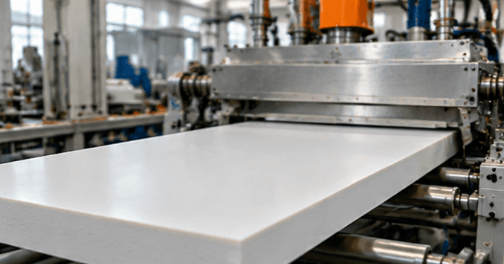
The extrusion temperature, screw design, production speed, and residence time directly affect stabilizer performance.
Manufacturers should evaluate:
- Extrusion temperature range
- Fusion time
- Torque stability
- Output consistency
- Die plate-out tendency
A well-designed calcium zinc stabilizer should maintain stable processing performance throughout continuous production.
3. Evaluate Thermal Stability and Color Control
During PVC processing, heat can cause degradation and release hydrogen chloride, leading to yellowing, brittleness, and reduced product quality.
A high-performance calcium zinc stabilizer should provide:
- Excellent initial color
- Long-term heat resistance
- Reduced discoloration
- Stable mechanical properties
4. Check Compatibility with Other Additives
PVC pipe formulations usually include:
- PVC resin
- Lubricants
- Processing aids
- Impact modifiers
- Fillers
The stabilizer must work effectively with these components to avoid surface defects, poor fusion, or unstable output.
Before full production, manufacturers should conduct trial testing to confirm formulation compatibility.
FAQ
Why should I switch from lead to calcium zinc stabilizers?
The primary drivers are environmental regulations (REACH, RoHS) and market demand for non-toxic products. Lead is being phased out globally due to its toxicity. Modern Ca-Zn systems now offer performance that matches or exceeds lead in terms of surface finish and initial color.
Do Ca-Zn stabilizers require different machinery settings?
Generally, yes. Because Ca-Zn systems have different lubrication requirements, you may need to adjust the temperature profile of the extruder zones. Formulators often find that Ca-Zn requires a slightly narrower temperature window than lead-based systems.
What is “Plate-out” in PVC pipe production?
Plate-out occurs when additives (like lubricants or stabilizers) migrate to the surface of the melt and deposit on the die or screw. This can cause surface defects on the pipe. Choosing a stabilizer with a balanced lubrication system is the key to preventing this issue.
How do I test the efficiency of a new stabilizer?
The most effective method is a “Dynamic Heat Stability Test” using a torque rheometer. This simulates the heat and shear of the production environment, allowing you to see exactly how long the stabilizer protects the PVC before degradation begins.
Reference Sources
- ISO 9001:2015 – Standards for quality management systems in chemical manufacturing.
- ASTM D1784 – Standard Specification for Rigid Poly(Vinyl Chloride) (PVC) Compounds.
- REACH Regulation (EC No 1907/2006) – European framework for the registration and authorization of chemicals.
- Plastic Additives & Compounding Journal – Technical whitepapers on the synergy of Calcium and Zinc soaps.
- SGS Technical Reports – Material testing and environmental compliance for industrial polymer additives.