
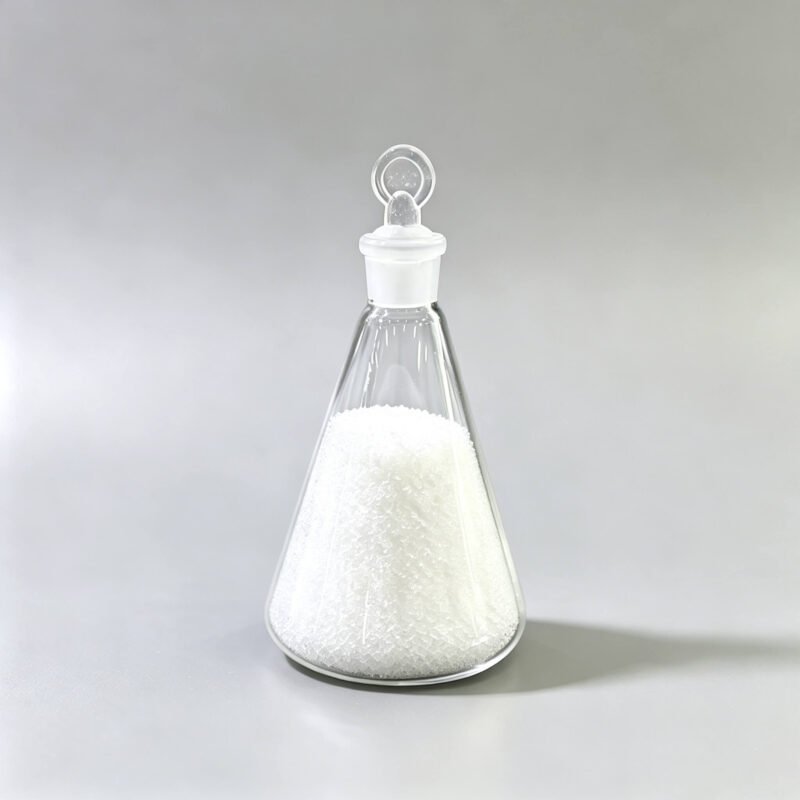
In the global PVC pipe industry, selecting a heat stabilizer is a pivotal decision that impacts not only the mechanical integrity of the product but also the factory’s compliance with international environmental standards. Traditionally, lead-based stabilizers dominated the market due to their exceptional cost-performance ratio. However, the shift toward sustainable manufacturing has propelled Calcium Zinc (Ca-Zn) systems to the forefront.
For production managers and procurement consultants, the choice between lead vs calcium zinc stabilizer pvc pipe systems involves balancing chemical performance, processing windows, and market access requirements. This analysis provides a technical comparison to guide your material selection logic.
Chemical Stability and Degradation Protection
PVC is inherently unstable at high temperatures. During extrusion, it undergoes dehydrochlorination, releasing HCl which catalyzes further degradation. Heat stabilizers work by replacing labile chlorine atoms and neutralizing released HCl.
Lead Stabilizers: The Traditional Standard
Lead systems, typically provided as “One-Pack” formulations containing tribasic lead sulfate and dibasic lead stearate, are renowned for their robust thermal stability. They offer a wide processing window, meaning they can handle temperature fluctuations in the extruder without causing immediate polymer degradation.
Calcium Zinc Stabilizers: The Modern Alternative
Ca-Zn stabilizers function through a synergistic effect between calcium stearate and zinc stearate. While early formulations struggled with “zinc burning” (sudden degradation), modern high-performance Ca-Zn stabilizers utilize organic costabilizers to significantly improve Congo Red stability times. They provide excellent initial color and long-term weatherability, often outperforming lead in high-UV outdoor applications.
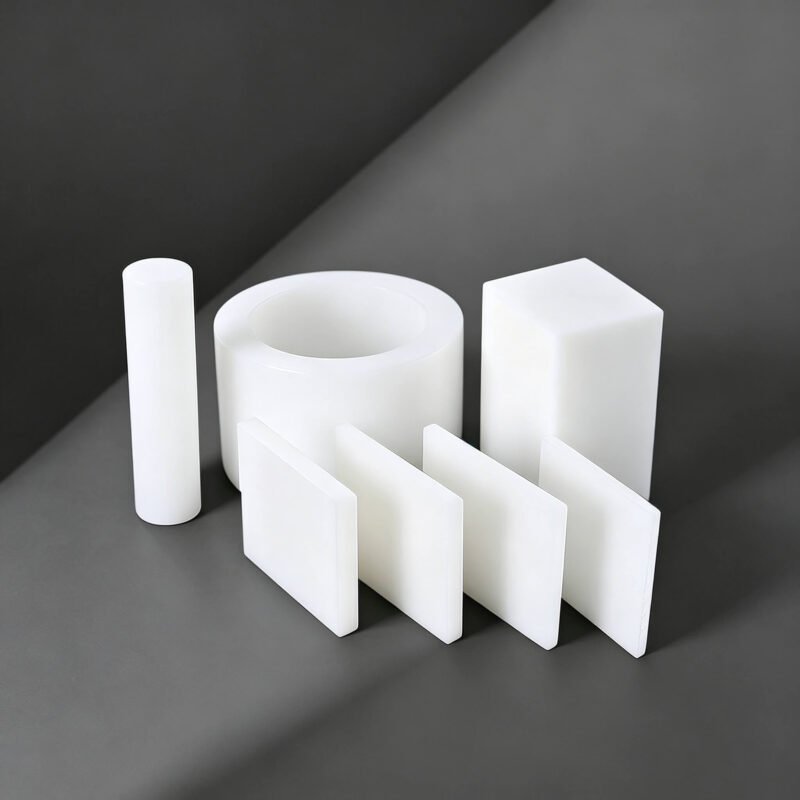
Technical Performance Trade-offs in Pipe Extrusion
When evaluating the impact on the production line, engineers must consider the lubrication balance and the physical properties of the finished pipe.
- Lubrication Management: Lead stabilizers possess inherent lubricating properties. Transitioning to Ca-Zn often requires recalibrating the internal/external lubrication balance to prevent plate-out on the die.
- Mechanical Integrity: Both systems, when formulated correctly, meet international standards for tensile strength and impact resistance. However, Ca-Zn systems generally produce pipes with a slightly better surface finish and higher gloss.
- Electrical Properties: Lead-based stabilizers remain superior for high-voltage cable conduit applications due to their exceptional dielectric properties. For standard drainage and pressure pipes, Ca-Zn is more than sufficient.
Environmental Compliance and Global Market Access
The most significant driver for the adoption of Ca-Zn is regulatory pressure. For manufacturers aiming for the European or North American markets, lead-free production is often a mandatory prerequisite.
- RoHS and REACH Compliance: Most Calcium Zinc systems are fully RoHS/REACH compliant. This is critical for B2B contracts with multinational construction firms.
- Sustainability Certifications: Using Ca-Zn can help manufacturers qualify for “Green Building” credits and ISO 14001 environmental management benchmarks.
- Toxicity and Handling: Lead stabilizers require stringent PPE and dust-control measures in the mixing room due to their toxicity. Ca-Zn systems are non-toxic and safer for factory floor personnel.
Cost-Efficiency and PHR Dosage Analysis
A common misconception is that Ca-Zn is prohibitively expensive. While the price per kilogram of Calcium Zinc is typically higher than Lead, the “Total Cost of Formulation” must be calculated.
- Dosage Rates: Modern high-efficiency Ca-Zn stabilizers often require a lower PHR (Parts per Hundred Resin) dosage than traditional lead packs.
- Maintenance Savings: Ca-Zn systems are generally less abrasive than lead sulfate, potentially extending the service life of extruder screws and barrels.
- Market Premium: Lead-free pipes often command a price premium in the consumer market, offsetting the higher raw material cost.
Comparison Table: Lead vs Calcium Zinc Stabilizer
| Performance Metric | Lead-Based Stabilizer | Calcium Zinc (Ca-Zn) |
| Thermal Stability | Excellent (Wide window) | Good (Requires precise control) |
| Initial Color | Moderate | Excellent (High whiteness) |
| Environmental Impact | High (Toxic) | Low (Non-toxic/Lead-free) |
| Lubrication Balance | Easy to manage | Requires careful calibration |
| Processing Die Build-up | Minimal | Moderate (Formula dependent) |
| Market Suitability | Emerging Markets | Global / High-Regulated Markets |
Selecting the Right Stabilizer for Your Facility
The transition from lead to lead-free production is an engineering challenge that requires high-quality additives. For manufacturers in the testing phase of this transition, evaluating the specific synergistic effects of organic costabilizers is essential.
If your production focuses on drainage, soil, and waste (S&W) pipes or pressure pipes for international export, moving toward high-efficiency PVC Stabilizers that utilize Calcium Zinc technology is the most future-proof strategy. These systems ensure that your output remains competitive in regions where environmental legislation is tightening.
Conclusion: Making the Strategic Shift
The decision between lead vs calcium zinc stabilizer pvc pipe systems is no longer just about cost; it is about market positioning. While lead stabilizers offer technical “forgiveness” and lower upfront prices, Calcium Zinc systems provide the compliance and aesthetic quality demanded by modern infrastructure projects.
For MOFU (Middle of Funnel) evaluation, manufacturers should conduct trial runs with both systems to determine the impact on their specific screw configurations and resin types. Partnering with a supplier that offers diverse PVC stabilizer formulations allows for a more nuanced approach to balancing performance and profit.
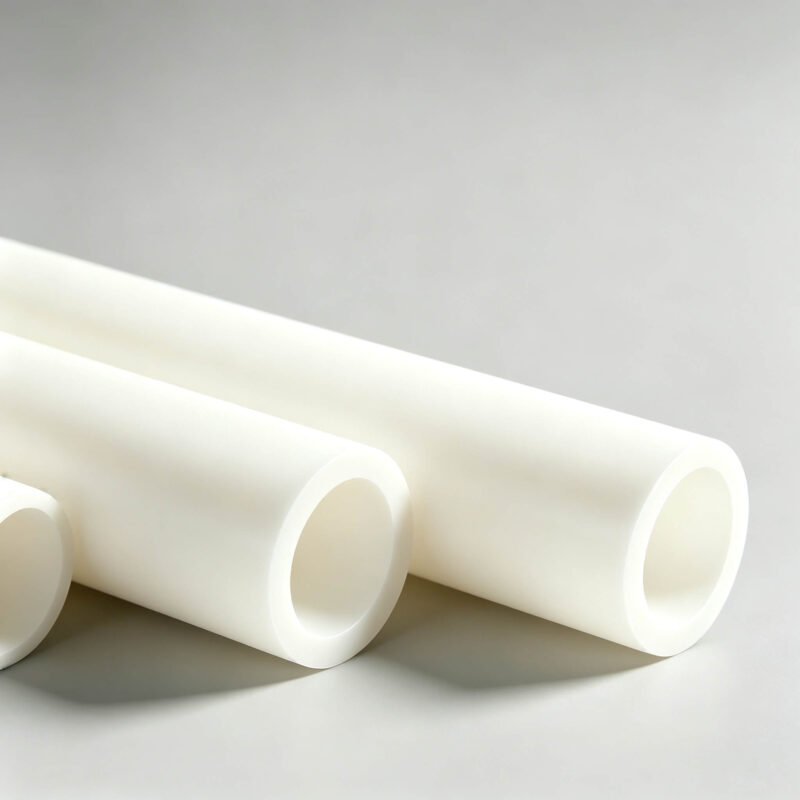
Why Choose MKQ Chem for PVC Pipe Stabilizer Solutions?
Selecting the right PVC stabilizer supplier is essential for maintaining extrusion stability, product quality, and long-term production efficiency.
MKQ Chem provides calcium zinc stabilizer solutions designed for PVC pipe manufacturers seeking reliable performance, environmental compliance, and technical support.
Our advantages include:
- Customized stabilizer formulations for different PVC pipe applications
- Professional technical guidance for formulation optimization
- Stable product quality and supply capability
- Support for replacing traditional lead-based systems
- Solutions for different extrusion requirements
Contact MKQ Chem to discuss the most suitable PVC stabilizer solution for your pipe production.
FAQ
Q: Can I use my existing lead-stabilizer screw profile for Calcium Zinc?
A: In many cases, yes. However, because Ca-Zn has different fusion characteristics, you may need to adjust the temperature profile of the barrel zones or modify the external lubrication levels in your dry blend.
Q: Does Calcium Zinc affect the color of the pipe over time?
A: Ca-Zn stabilizers generally offer superior color hold and UV resistance compared to lead. They are less prone to “graying” when exposed to sunlight, making them ideal for outdoor irrigation pipes.
Q: Is the dosage of Ca-Zn significantly higher than lead?
A: Not necessarily. While older Ca-Zn formulas required high dosages, modern “One-Pack” Calcium Zinc systems are highly concentrated. Depending on the filler loading (CaCO3), the dosage is often comparable to lead.
Q: How does Ca-Zn impact the Congo Red stability test?
A: Ca-Zn can achieve similar Congo Red results to lead, but it relies heavily on the quality of the organic costabilizers used in the formulation. High-quality Ca-Zn systems meet all standard pipe specifications for thermal stability.
Reference Sources
- ASTM D1784: Standard Specification for Rigid Poly(Vinyl Chloride) (PVC) Compounds.
- RoHS Directive: Restriction of Hazardous Substances in electrical and electronic equipment.
- ISO 14001: Environmental Management Systems — Requirements with guidance for use.
- MKQ Chem Technical Data: Comparison of Lead and Lead-Free PVC Stabilizer Systems.
- PVC Forum: Industry Technical Whitepaper on the transition to Lead-Free Stabilizers.