
Coating Grade PVDF Resin: Properties, Applications, and Material Guide
When selecting a fluoropolymer material for protective coatings, manufacturers need a resin that can provide long-term durability, chemical resistance, and stable performance under demanding environments. Coating grade PVDF resin is designed specifically for fluoropolymer coating applications where excellent weather resistance, mechanical strength, and chemical stability are required.
PVDF (Polyvinylidene Fluoride) is a high-performance fluoropolymer widely used in industrial applications because of its balance between processability and resistance properties. Compared with many conventional polymers, PVDF provides improved resistance against chemicals, UV exposure, and temperature fluctuations.
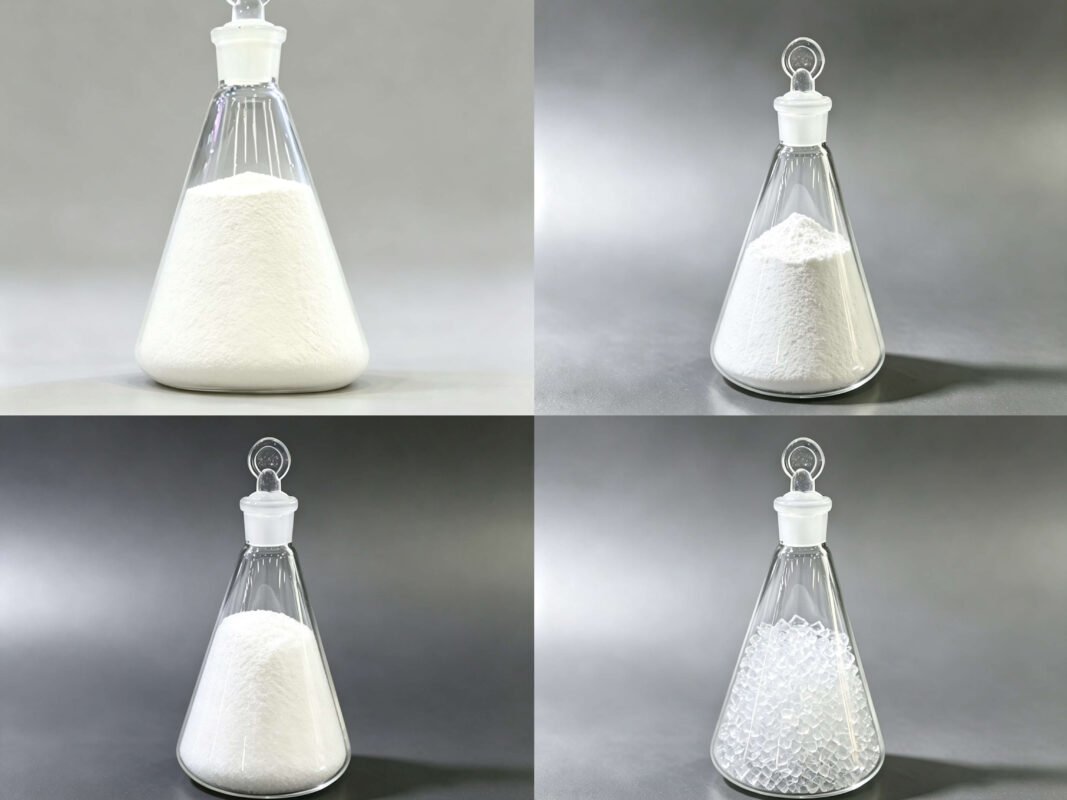
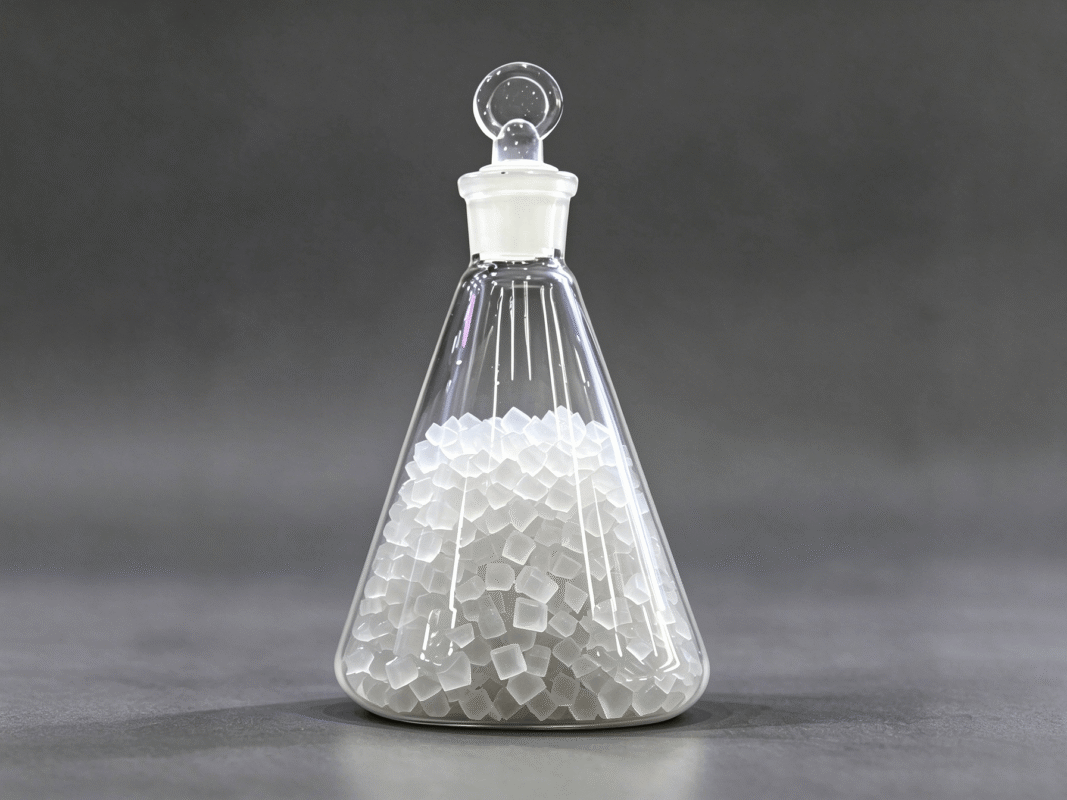
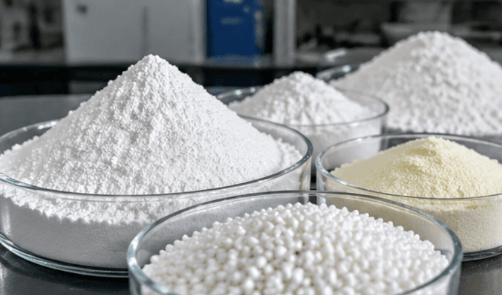
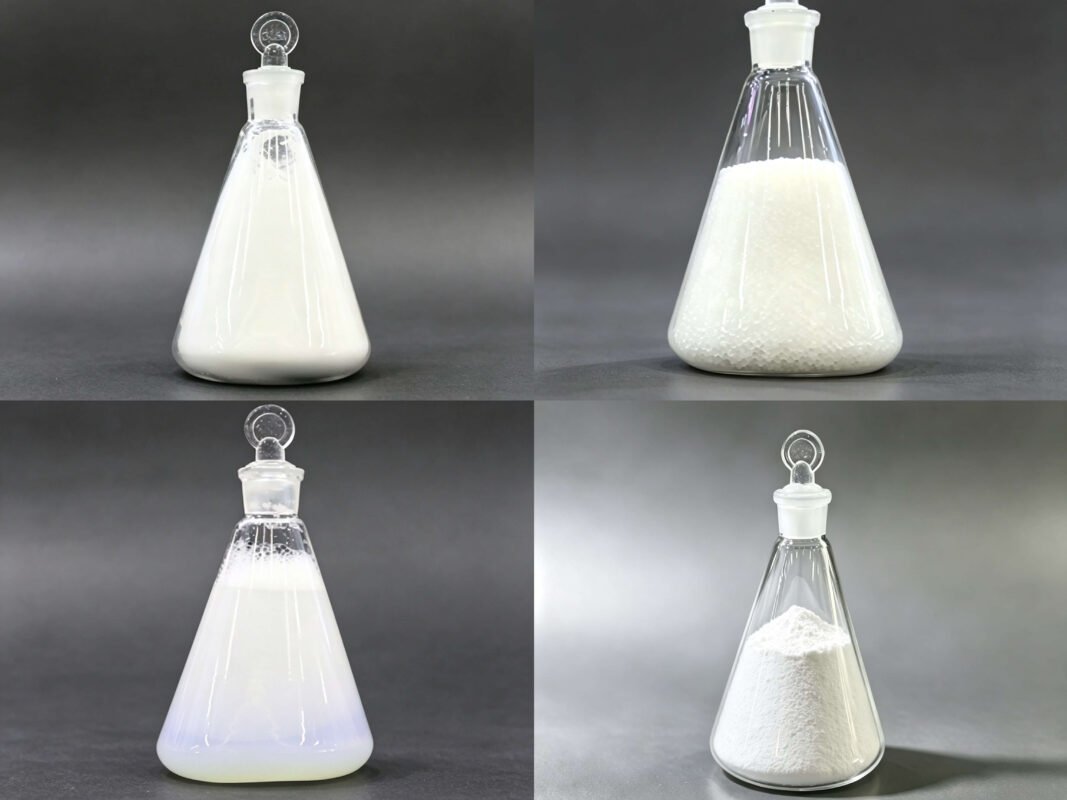
MKQ Chemical provides different grades of PVDF resin, including coating-grade PVDF resin, compression molding grade PVDF resin, and high purity PVDF resin to meet different processing and application requirements.

What Is Coating Grade PVDF Resin?
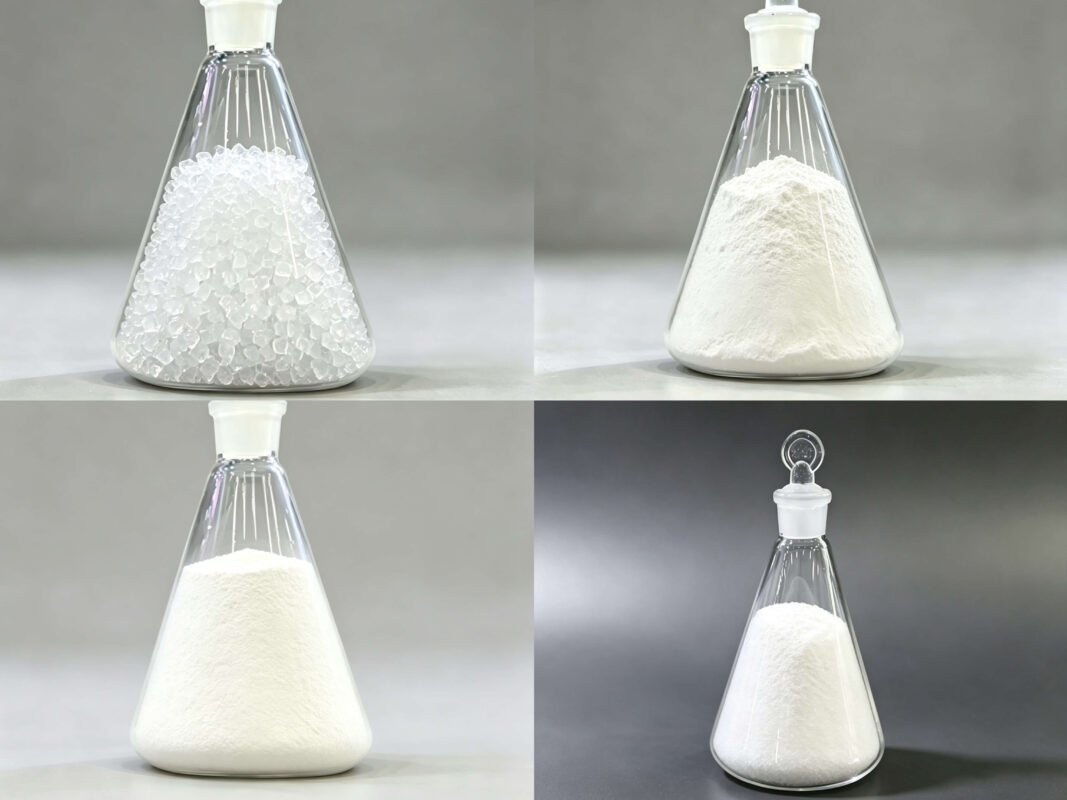
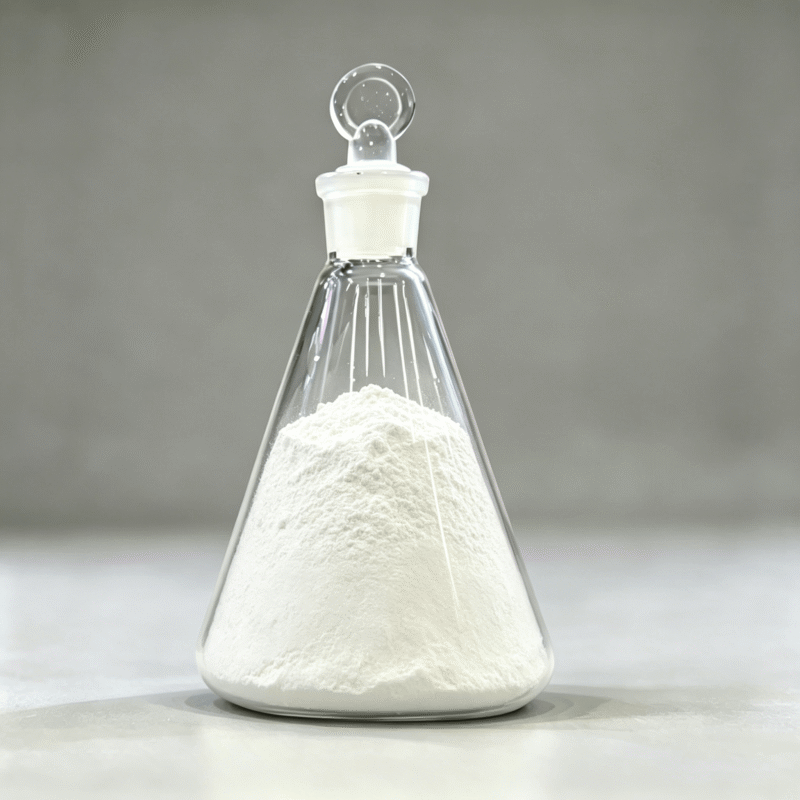
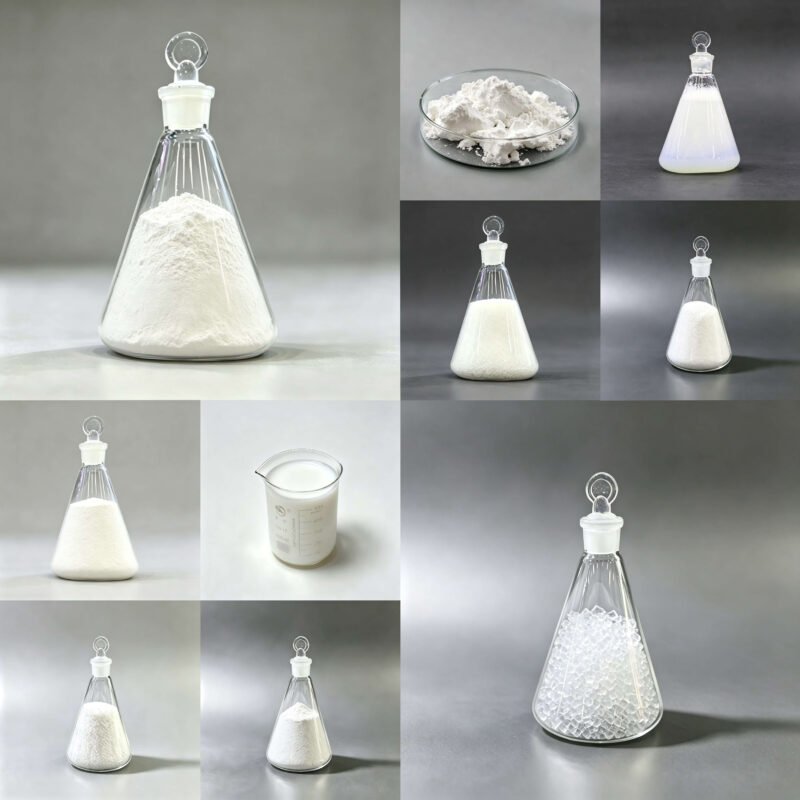
Coating grade PVDF resin is a powdered homopolymer resin based on vinylidene fluoride. It is developed for use as a base material in fluoropolymer powder coatings.
Unlike general-purpose PVDF grades, coating grade PVDF resin focuses on coating performance, including:
- Smooth coating formation
- Excellent chemical resistance
- High UV stability
- Strong weather resistance
- Good mechanical durability
- Long service life in outdoor environments
The resin’s high melt flow rate allows better processing behavior during coating preparation, helping manufacturers achieve consistent coating quality.
Key Properties of Coating Grade PVDF Resin
Excellent Chemical Resistance
One of the main advantages of PVDF resin is its resistance to many chemical media. This makes PVDF coatings suitable for applications where surfaces may contact corrosive substances or harsh environmental conditions.
Typical benefits include:
- Resistance to acids and chemical agents
- Reduced surface degradation
- Improved protection of metal substrates
- Long-term coating stability
For industrial equipment and outdoor structures, this chemical resistance helps extend maintenance cycles.
High Temperature Performance
Coating grade PVDF resin maintains stable performance across a wide temperature range.
The typical melting point of this grade is approximately 164–172°C, while processing conditions should be carefully controlled to avoid excessive heating.
During processing, temperatures above 350°C should be avoided because PVDF decomposition may occur and generate harmful gases.
UV and Weather Resistance
Outdoor coatings are often exposed to sunlight, humidity, and temperature changes. PVDF coating materials are widely selected for these environments because they provide:
- Strong UV resistance
- Color retention
- Resistance to weather aging
- Reduced surface deterioration
These characteristics make PVDF coatings suitable for applications requiring long-term outdoor protection.
Applications of Coating Grade PVDF Resin
Fluoropolymer Powder Coatings
The main application of coating grade PVDF resin is as a resin component for fluorine-containing powder coatings.
PVDF powder coatings are commonly selected when manufacturers require:
- High durability
- Chemical resistance
- Weather resistance
- Stable surface performance
Powder coating technology uses polymer powder to form protective coatings on different substrates, offering advantages such as efficient material utilization and durable surface protection.
Architectural and Industrial Coatings
PVDF coatings are commonly used in applications where appearance retention and durability are important.
Examples include:
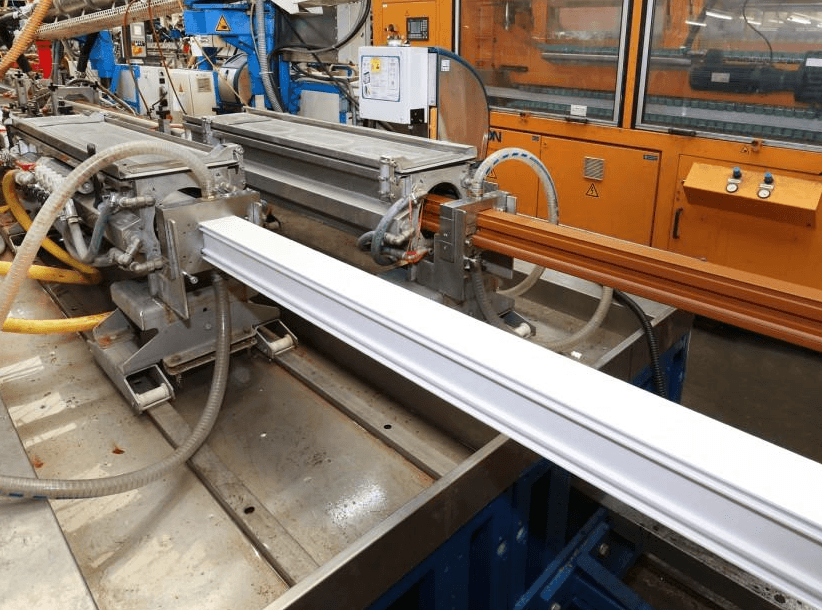
- Building exterior components
- Aluminum profiles
- Metal panels
- Industrial equipment surfaces
- Outdoor structures
Chemical Equipment Protection
Industrial equipment operating in chemical environments requires materials with reliable resistance.
PVDF coating systems can provide additional surface protection for:
- Storage equipment
- Processing equipment
- Metal components
- Corrosion-sensitive parts
Coating Grade PVDF Resin vs Other PVDF Resin Grades
Different PVDF applications require different resin characteristics. Selecting the correct grade helps improve processing efficiency and final product performance.
| PVDF Grade | Main Application | Key Characteristics |
|---|---|---|
| Coating Grade PVDF Resin | Powder coatings and protective coatings | High melt flow, weather resistance, chemical resistance |
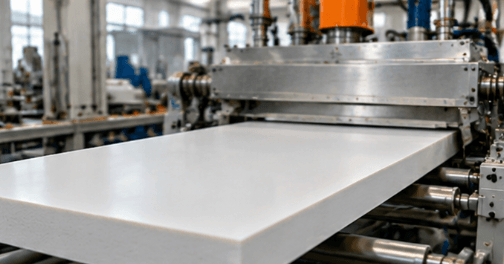
| Compression Molding Grade PVDF Resin | Molded components and engineering parts | Suitable for compression molding processes, mechanical strength |
| High Purity PVDF Resin | Semiconductor, filtration, and high-clean applications | Low impurity level, high chemical stability |
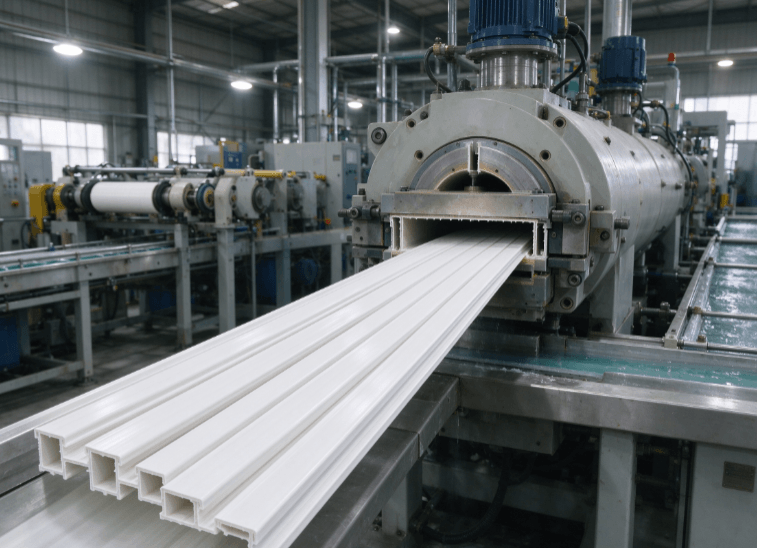
For molded components requiring mechanical processing, manufacturers can consider compression molding grade PVDF resin.
For applications requiring strict purity control, such as high-performance industrial environments, high purity PVDF resin provides a specialized material option.
How to Select the Right PVDF Resin Grade?
Before choosing a PVDF resin, manufacturers should evaluate several factors:
1. Processing Method
Different manufacturing processes require different resin characteristics.
- Powder coating → Coating grade PVDF resin
- Compression molding → Compression molding grade PVDF resin
- High cleanliness applications → High purity PVDF resin
2. Performance Requirements
Consider:
- Chemical exposure
- Temperature conditions
- Mechanical requirements
- Outdoor durability
- Surface appearance requirements
3. Industry Application
The final application determines the appropriate PVDF grade.
For example:
- Protective coatings require excellent weather resistance.
- Molded components require processing stability and mechanical strength.
- High purity applications require controlled material quality.
Packaging and Storage Recommendations
Coating grade PVDF resin should be stored properly to maintain material performance.
Recommended conditions:
- Store in a clean and dry environment
- Maintain storage temperature between 5–30°C
- Avoid moisture, dust, and contamination
- Keep packaging sealed before use
The product is typically supplied in:
- 25 kg polyethylene bags
- 20 kg paper drums
- 40 kg cartons
Why Choose MKQ Chemical PVDF Resin?
MKQ Chemical supplies different PVDF resin grades for coating, molding, and high-performance applications.
Product advantages include:
- Stable material quality
- Multiple PVDF grades available
- Technical support for material selection
- Solutions for different processing requirements
Whether you need PVDF resin for powder coatings, molded components, or high purity applications, selecting the correct resin grade is essential for achieving reliable performance.
Explore MKQ Chemical’s PVDF product range:
FAQ
What is coating grade PVDF resin used for?
Coating grade PVDF resin is mainly used as a base resin for fluoropolymer powder coatings requiring chemical resistance, UV resistance, and long-term durability.
What makes PVDF suitable for coatings?
PVDF provides excellent chemical stability, weather resistance, UV resistance, and mechanical durability, making it suitable for protective coating applications.
What is the difference between PVDF coating resin and molding grade PVDF resin?
Coating grade PVDF resin is optimized for powder coating applications, while molding grade PVDF resin is designed for producing molded engineering components.
How should PVDF resin be stored?
PVDF resin should be stored in a clean, dry environment at 5–30°C and protected from moisture and contamination.