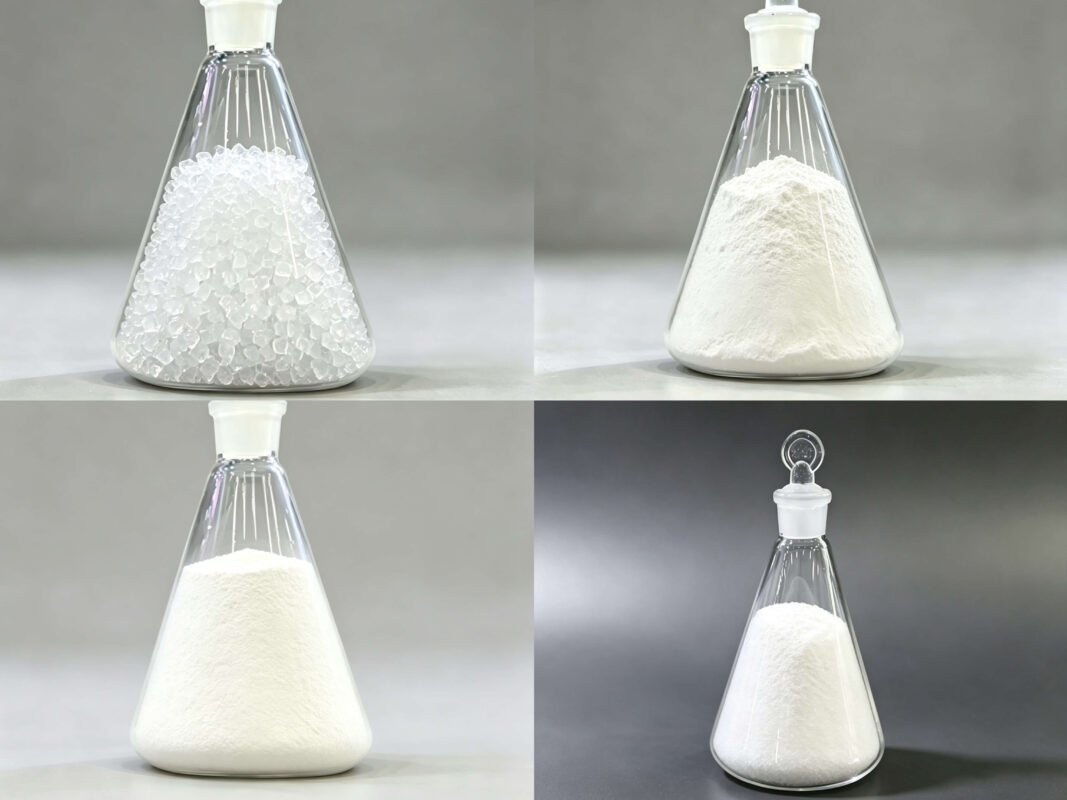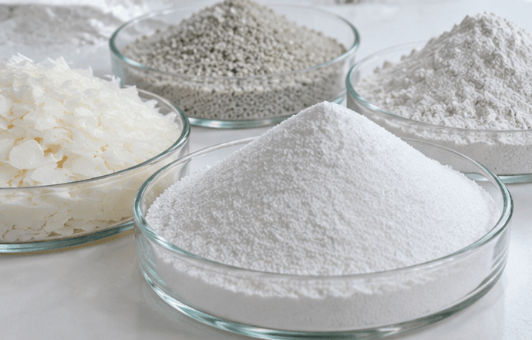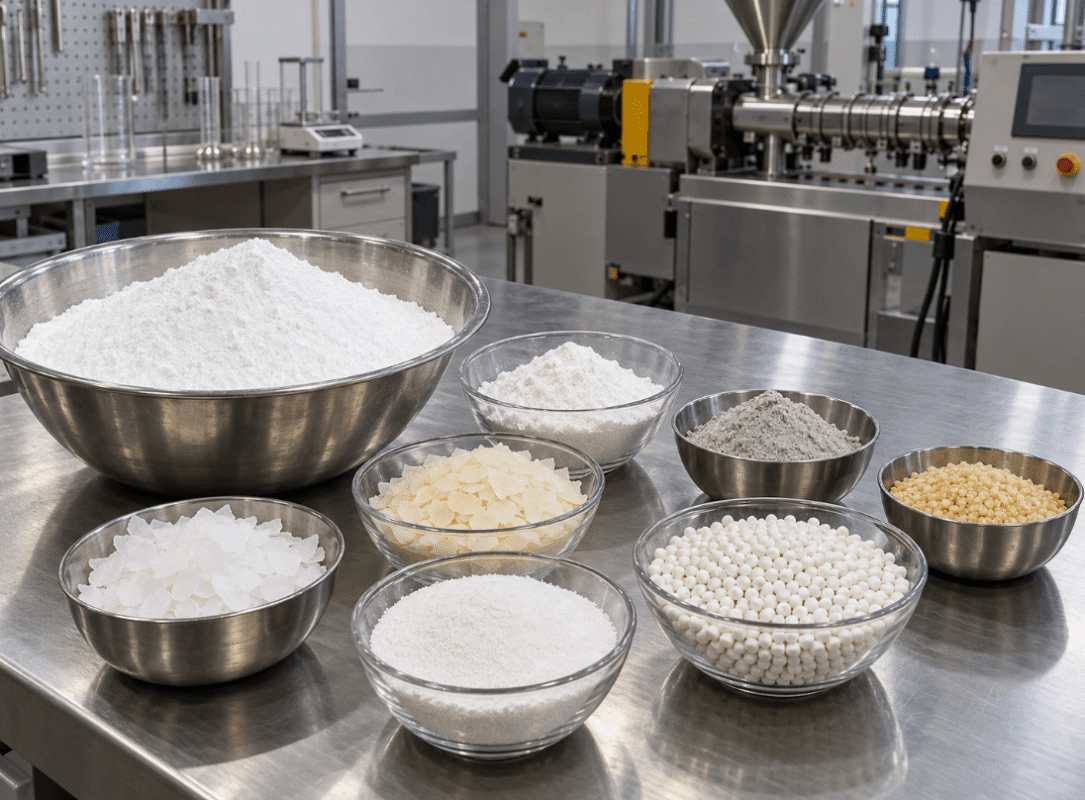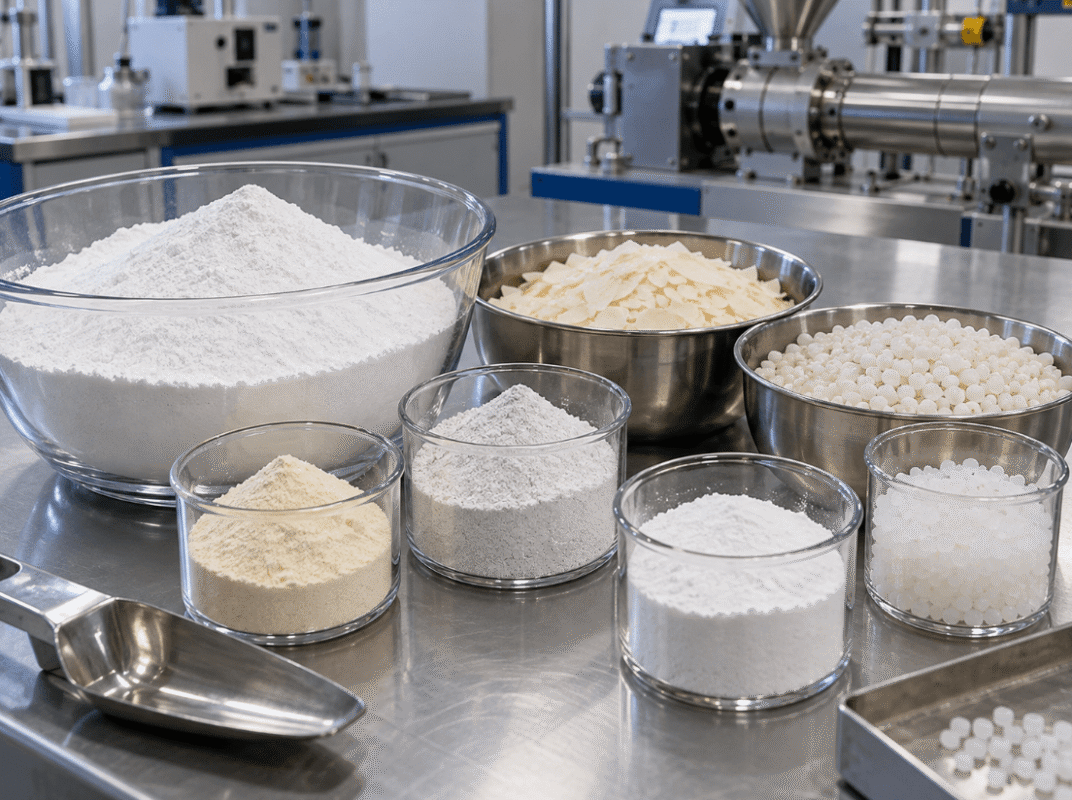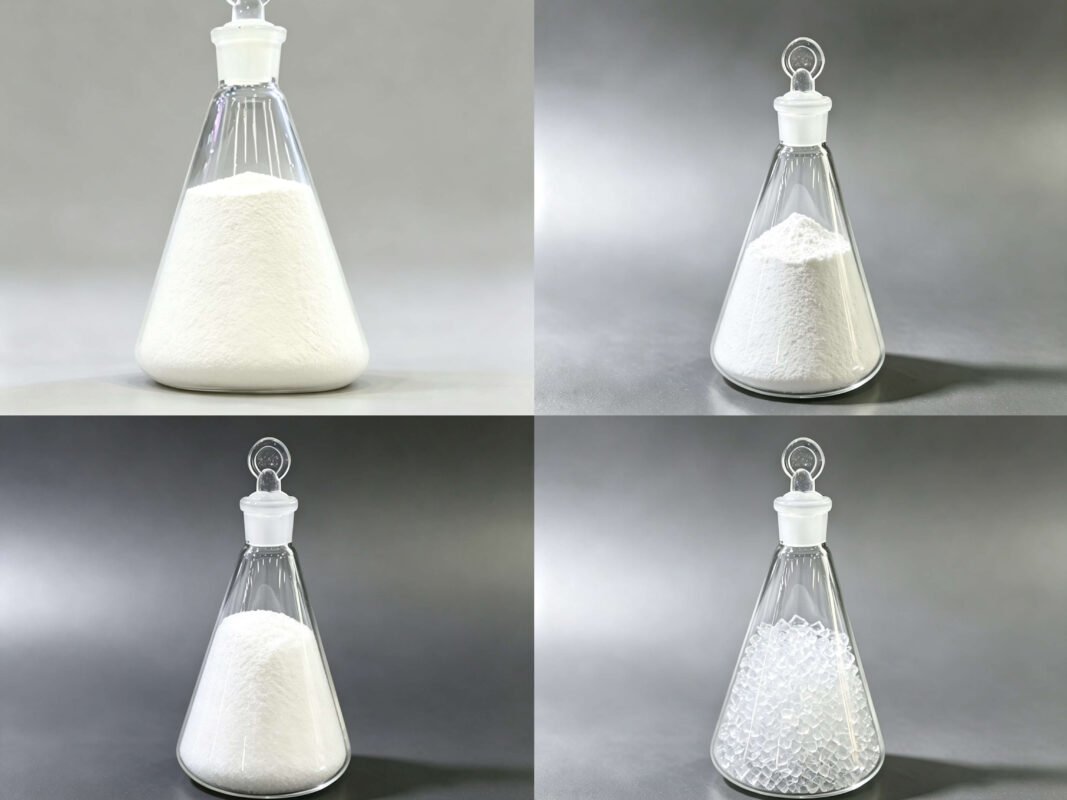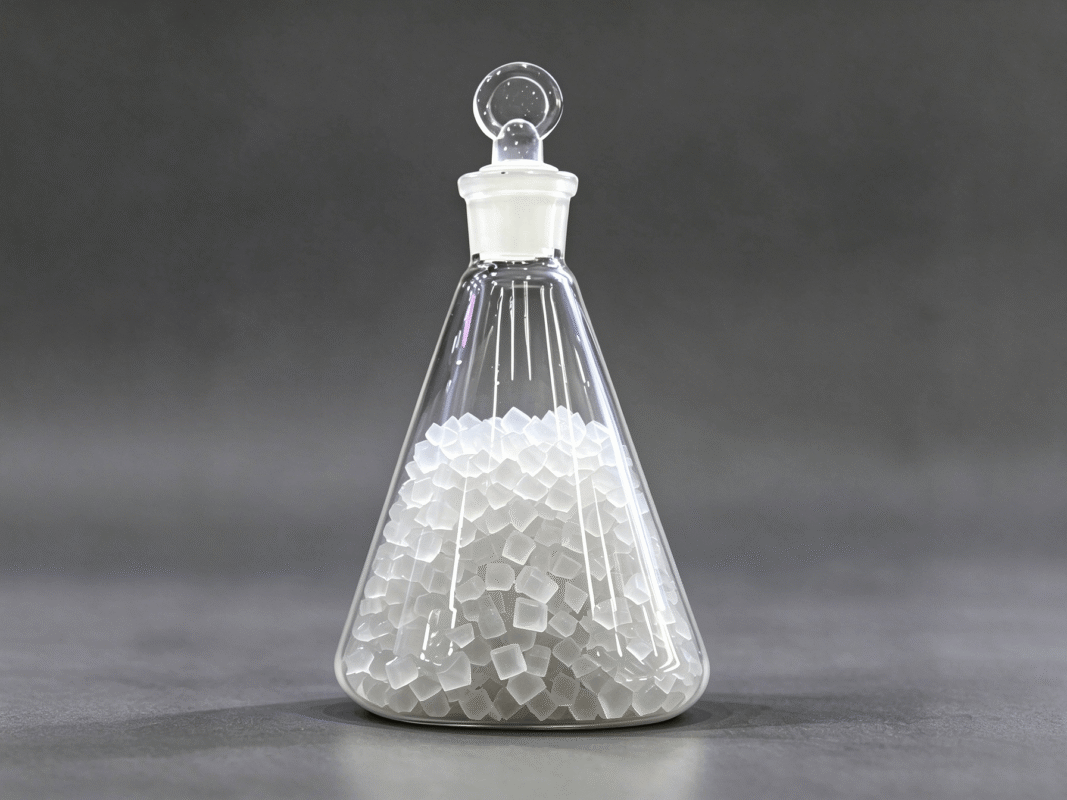

PVDF Resin Supplier for High-Performance Applications
PVDF (Polyvinylidene Fluoride) is a high-performance fluoropolymer that combines excellent mechanical strength, electrical insulation properties, chemical resistance, and processing flexibility. Due to its stable performance in demanding environments, PVDF materials are widely used in industries where reliability, cleanliness, and long service life are required.
For applications such as semiconductor equipment components and 5G-related parts, material selection is critical. PVDF provides a balanced combination of mechanical durability, electrical performance, and low metal ion leaching characteristics, making it suitable for advanced manufacturing environments.
MKQChem provides PVDF resin solutions for industrial customers requiring consistent material quality and reliable supply.

What Is PVDF (Polyvinylidene Fluoride)?
PVDF, short for Polyvinylidene Fluoride, is a semi-crystalline fluoropolymer produced from vinylidene fluoride monomers. As a member of the fluoropolymer family, PVDF offers excellent resistance to chemicals, moisture, and environmental conditions while maintaining good mechanical performance.
Compared with many conventional engineering plastics, PVDF maintains stable properties under challenging operating conditions, including exposure to corrosive chemicals, electrical environments, and high-purity applications.
Key characteristics of PVDF include:
- Excellent mechanical strength
- Good electrical insulation performance
- High chemical resistance
- Low moisture absorption
- Good weldability
- Low metal ion leaching
- Long-term durability
These properties make PVDF suitable for industries requiring both performance and material reliability.
Key Properties of PVDF Resin
Excellent Mechanical and Flexural Performance
PVDF offers strong mechanical properties and high flexural endurance, allowing it to be used in components that experience repeated movement or mechanical stress.
Typical applications include:
- Diaphragms
- Bellows
- Flexible components
- Precision industrial parts
The material’s durability helps maintain stable performance during repeated operation, reducing the risk of premature failure.
Good Electrical Properties for Advanced Applications
PVDF has stable electrical characteristics, making it suitable for applications involving electrical insulation and electronic components.
Its electrical performance supports use in:
- Semiconductor equipment components
- Electronic manufacturing systems
- High-frequency application environments
- 5G-related components
For industries requiring reliable electrical performance, PVDF provides a practical balance between mechanical strength and insulation capability.
Low Metal Ion Leaching for Semiconductor Applications
In semiconductor manufacturing environments, material purity is an important consideration. Components used in these processes often need to minimize contamination risks.
PVDF with low metal ion leaching characteristics can be used for applications requiring:
- Clean processing environments
- Chemical handling systems
- Semiconductor equipment components
- High-purity industrial applications
Its combination of chemical resistance and low contamination potential makes PVDF a suitable material option for advanced manufacturing sectors.
PVDF Applications in Semiconductor and 5G Industries
Semiconductor Equipment Components
Semiconductor manufacturing requires materials that can withstand chemical exposure while maintaining cleanliness and dimensional stability.
PVDF can be applied in components such as:
- Fluid handling parts
- Chemical-resistant components
- Equipment internal parts
- Precision processing components
Its resistance to chemicals and low ion release characteristics support demanding semiconductor production environments.
5G and Electronic Applications
The growth of 5G technology has increased demand for advanced materials with reliable electrical properties and long-term stability.
PVDF materials may be used in:
- Electronic components
- Insulating parts
- Precision structural components
- High-performance communication equipment
The material’s electrical performance and processing flexibility provide advantages in modern electronic applications.
Industrial Applications
Beyond semiconductor and electronics industries, PVDF is also used in various industrial applications requiring chemical resistance and mechanical reliability.
Common application areas include:
- Chemical processing equipment
- Industrial piping components
- Pumps and valves
- Protective coatings
- Precision molded parts
PVDF Processing and Product Characteristics
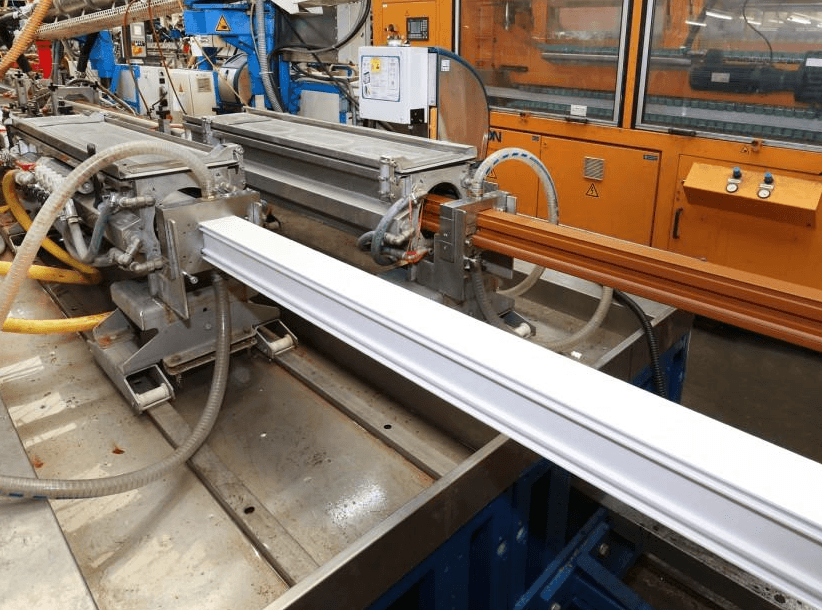
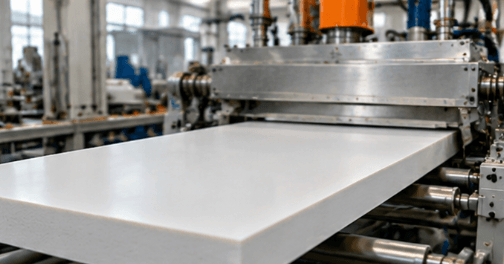
PVDF can be processed using several manufacturing methods depending on application requirements.
Common processing methods include:
- Injection molding
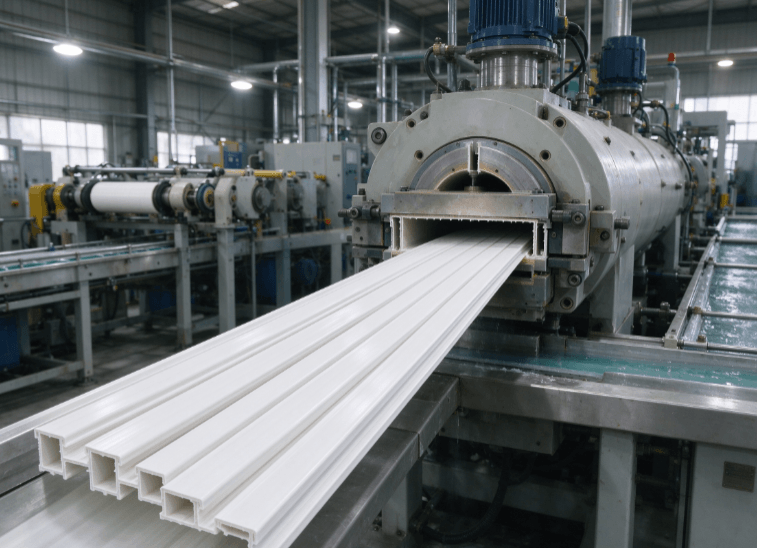
- Extrusion
- Compression molding
- Welding
Its good weldability allows manufacturers to create complex structures and customized components while maintaining material integrity.
This makes PVDF suitable for both standard industrial components and specialized engineering applications.
PVDF Packaging and Storage
Packaging
MKQChem PVDF resin is packaged according to industrial transportation requirements.
Available packaging methods include:
- Polyethylene plastic bags sealed with outer packaging bags, with 25 kg net weight per bag.
- Double-layer plastic bags placed inside rigid drums, with 20 kg net weight per drum.
The packaging design helps protect the material from contamination and damage during handling and transportation.
Transportation
PVDF resin should be transported as non-hazardous goods.
During transportation:
- Avoid moisture exposure
- Prevent severe vibration
- Protect packaging from damage
- Keep the product clean and dry
Proper handling helps maintain material quality before processing.
Storage Recommendations
PVDF should be stored in a clean, cool, and dry warehouse.
Recommended storage conditions:
- Keep away from moisture
- Prevent dust contamination
- Avoid contact with foreign materials
- Maintain proper packaging integrity
Appropriate storage helps preserve the original properties of PVDF resin.

Why Choose MKQChem as Your PVDF Resin Supplier?
When sourcing PVDF materials, buyers typically evaluate:
- Material consistency
- Application suitability
- Supply reliability
- Packaging standards
- Technical support
MKQChem focuses on providing high-performance fluoropolymer materials for industrial customers requiring reliable quality and stable supply.
Whether for semiconductor components, 5G applications, or other advanced industrial uses, PVDF offers a combination of mechanical performance, electrical properties, and chemical resistance.
Contact MKQChem for PVDF resin supply solutions and technical information based on your application requirements.
FAQ About PVDF
What is PVDF?
PVDF (Polyvinylidene Fluoride) is a high-performance fluoropolymer with excellent mechanical strength, chemical resistance, electrical properties, and durability. It is widely used in semiconductor, 5G, and industrial applications.
What are the main applications of PVDF?
PVDF is commonly used for components such as diaphragms, bellows, precision parts, and chemical-resistant components, especially in semiconductor and electronic industries.
Why is PVDF suitable for semiconductor applications?
PVDF offers good chemical resistance, stable mechanical performance, and low metal ion leaching, making it suitable for high-purity semiconductor processing environments.
What are the advantages of PVDF resin?
Key advantages include excellent flexural endurance, good weldability, electrical insulation properties, and reliable performance in demanding industrial conditions.
How should PVDF resin be stored?
PVDF should be stored in a clean, cool, and dry environment, protected from moisture, dust, and foreign contamination.
References
- Polyvinylidene fluoride overview: https://en.wikipedia.org/wiki/Polyvinylidene_fluoride
- Fluoropolymer information: https://www.plasticsengineering.org/