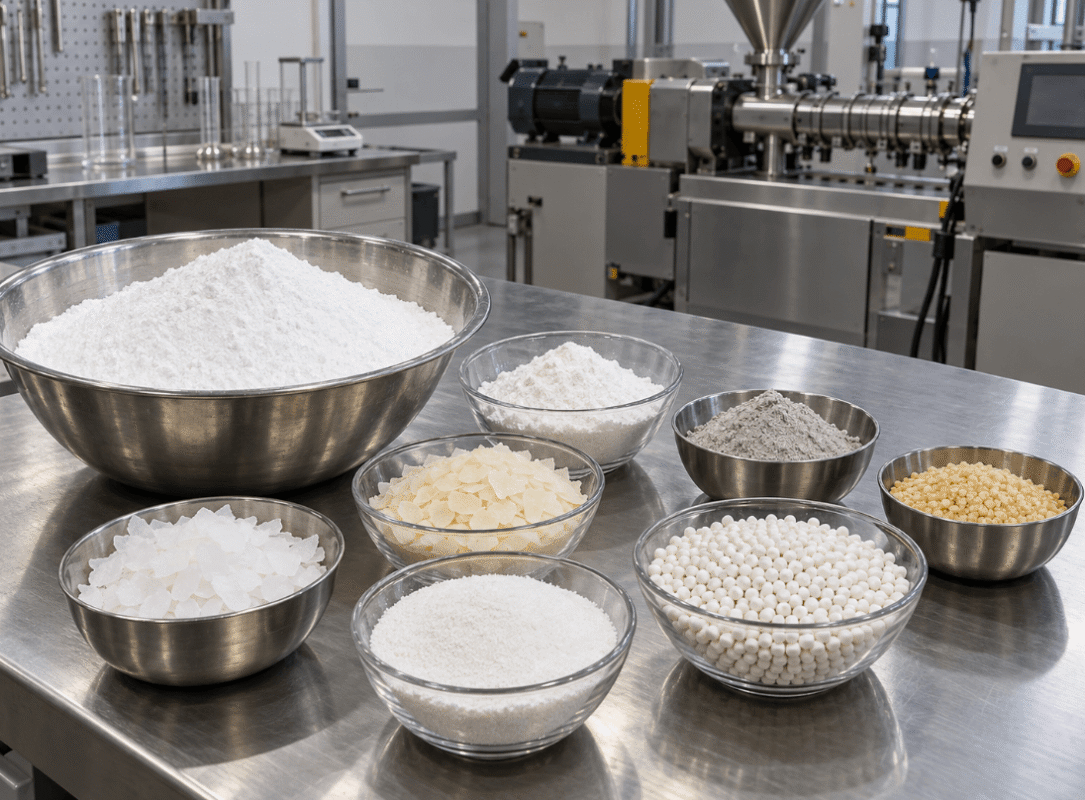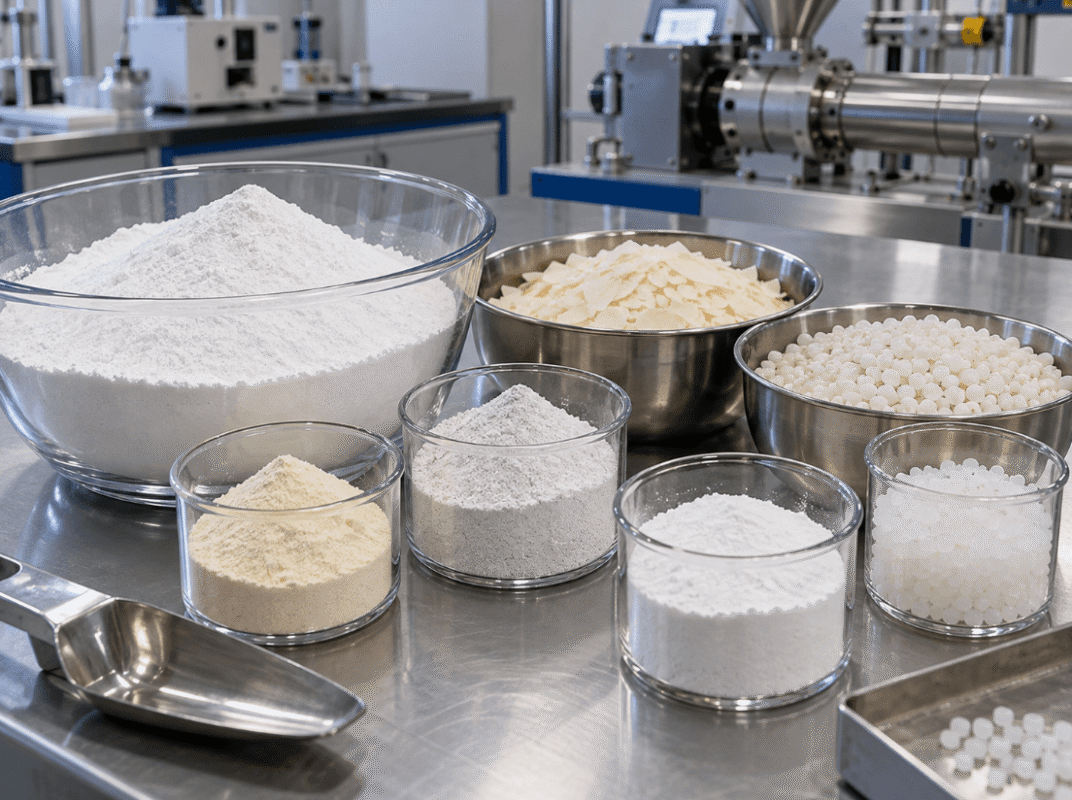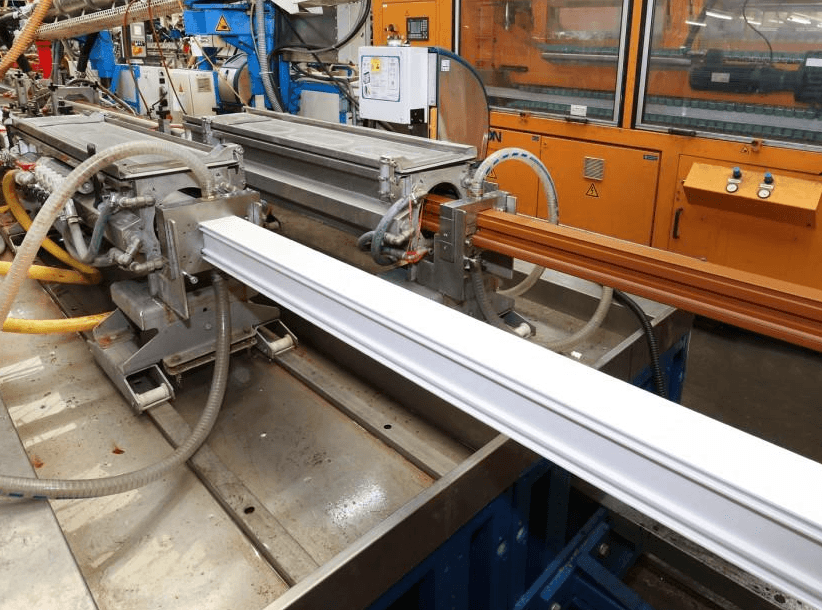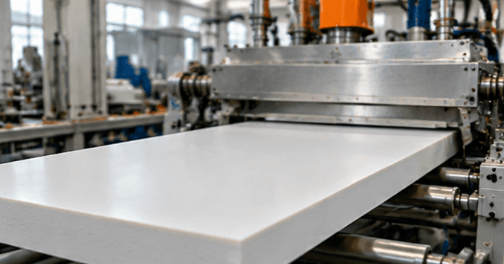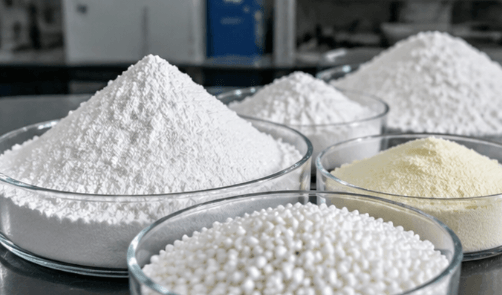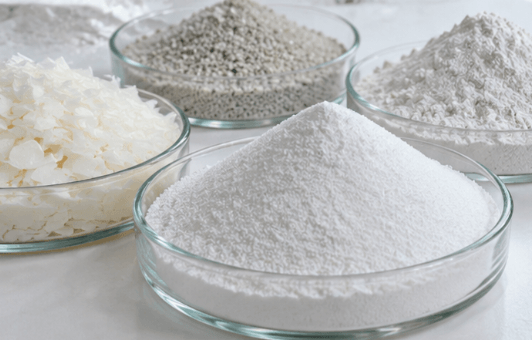

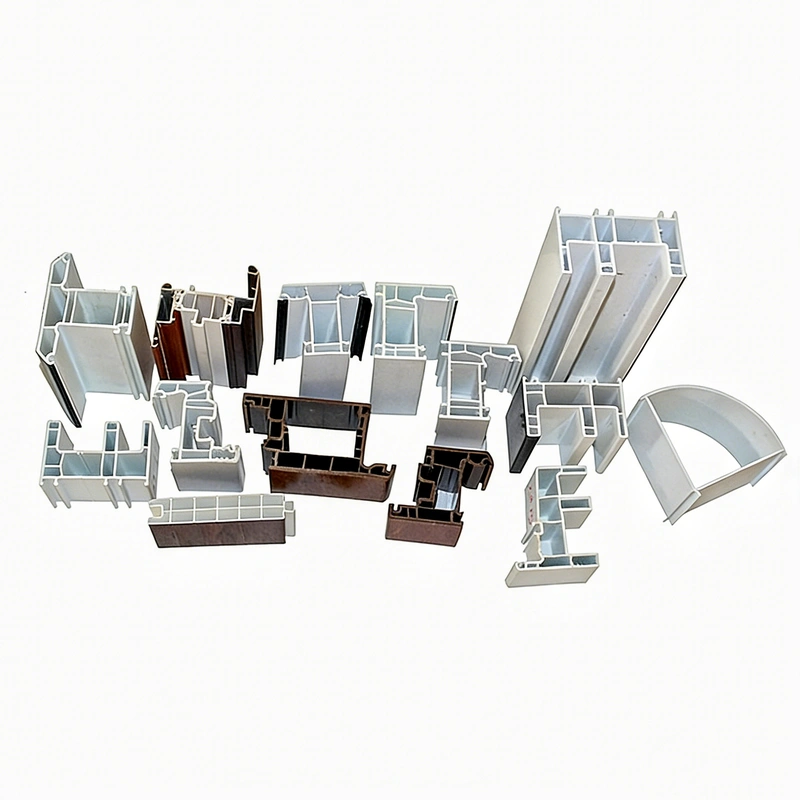
Polyvinyl Chloride (PVC) is inherently a brittle, thermally sensitive polymer that cannot be processed into functional profiles—such as window frames, sidings, or conduits—without the strategic inclusion of chemical additives. In its raw resin state, PVC begins to decompose at temperatures lower than its required processing temperature. Therefore, the “art” of PVC manufacturing lies not just in the extrusion hardware, but in the precision of the additive formulation.
For engineers and production managers, understanding the synergy between different pvc profile additives is critical for achieving the right balance of mechanical strength, UV resistance, and surface finish while maintaining cost-efficiency on the factory floor.
The Essential Role of Additives in PVC Extrusion
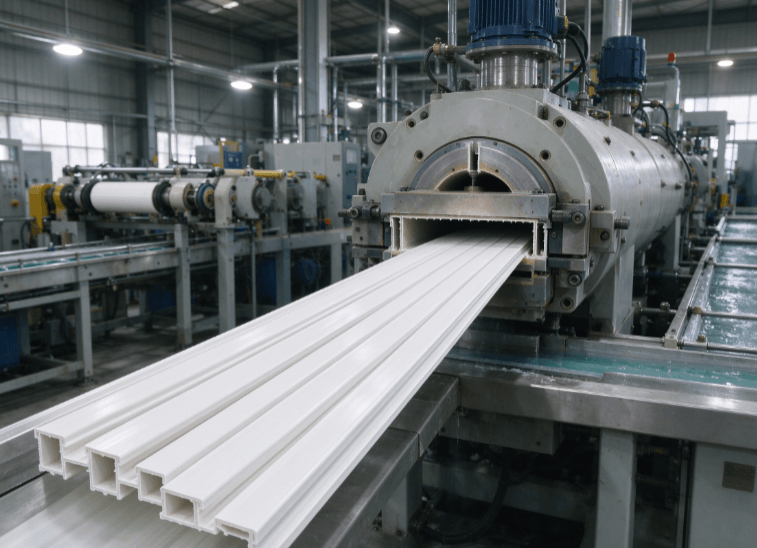
The transformation of PVC powder into a high-performance profile requires a complex “dry blend.” Unlike other thermoplastics that might only require a masterbatch for color, PVC requires a comprehensive package of additives to survive the high shear and heat of an extruder. These additives don’t just change the properties of the final product; they dictate how the material flows through the die and how it cools without warping.
When formulating for profiles, manufacturers typically categorize additives based on their functional impact: stabilization, modification, lubrication, and aesthetic enhancement.
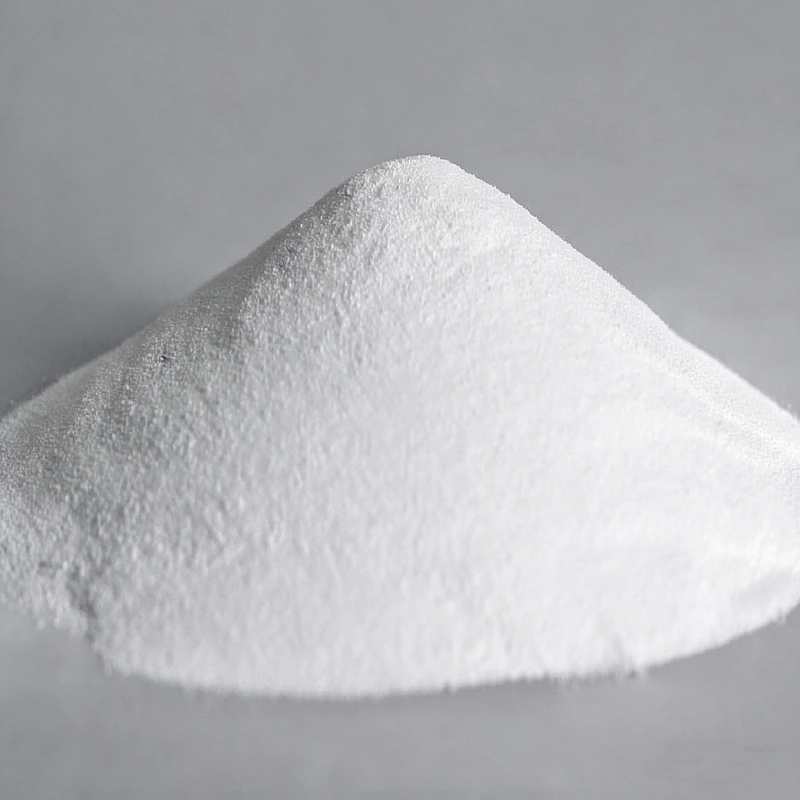
1. Thermal Stabilizers: The Foundation of PVC Integrity
Thermal stabilizers are arguably the most critical pvc profile additives. During extrusion, PVC is subjected to temperatures ranging from 170°C to 210°C. Without stabilizers, the polymer undergoes “dehydrochlorination”—a process where hydrogen chloride (HCl) is released, leading to severe discoloration, brittleness, and eventually, the total breakdown of the polymer chain.
- Calcium-Zinc (Ca-Zn) Stabilizers: As global regulations move away from lead-based systems due to environmental concerns, Ca-Zn stabilizers have become the industry standard for high-end window profiles. They offer excellent initial color and long-term heat stability.
- Organotin Stabilizers: Often used in the North American market, these provide exceptional transparency and heat stability, though they are more sensitive to moisture and can have a distinct odor during processing.
- Lead-Based Stabilizers: Historically dominant due to their low cost and wide processing window, though they are being phased out in many regions under REACH and other environmental initiatives.
2. Impact Modifiers: Balancing Rigidity and Toughness
Unmodified PVC is “notched sensitive,” meaning it can easily crack under impact, especially in cold climates. Impact modifiers are incorporated to absorb energy and stop crack propagation.
- CPE (Chlorinated Polyethylene): The most common impact modifier for PVC profiles. CPE provides excellent weatherability and is cost-effective. It works by forming a network structure within the PVC matrix that dissipates energy.
- Acrylic Impact Modifiers (AIM): Used in premium outdoor profiles. Acrylics provide superior “color hold” and UV resistance compared to CPE, ensuring that white window frames do not yellow over ten to fifteen years of sun exposure.
- MBS (Methyl Methacrylate Butadiene Styrene): While offering high impact strength, MBS is generally reserved for indoor applications because the butadiene component is susceptible to UV degradation.
3. Processing Aids (ACR): Controlling Melt Strength
Even with heat stability and impact resistance, PVC melt can be difficult to manage. It often lacks the “elasticity” needed to pull a complex profile through a calibration tank without tearing. This is where Acrylic Processing Aids (often referred to as ACR) come in.
These high-molecular-weight polymers promote “fusion”—the process where PVC grains melt and knit together. A well-dosed processing aid ensures:
- Increased melt strength to prevent sagging in large profiles.
- Elimination of surface defects like “shark skin.”
- Better homogenization of fillers like Calcium Carbonate.
4. Internal and External Lubricants: Managing Friction
Lubricants are the “unsung heroes” of the extrusion line. They manage the friction between the polymer molecules and between the polymer and the metal surfaces of the extruder.
- Internal Lubricants (e.g., Stearic Acid, Fatty Acid Esters): These reduce friction between PVC molecular chains, lowering the melt viscosity and improving flow. They must be compatible with the PVC resin.
- External Lubricants (e.g., PE Wax, Paraffin Wax): These are largely incompatible with PVC and migrate to the surface of the melt. They provide a “slip” layer between the hot PVC and the metal barrel or die, preventing sticking and “plate-out” (the accumulation of additives on the die lip).
5. Fillers and Pigments: Cost and Aesthetics
The most common filler in PVC profiles is Calcium Carbonate (CaCO3). While it is often used to reduce costs, at controlled dosages (typically 5–15 phr), it can actually improve the stiffness and dimensional stability of the profile. However, over-loading fillers can lead to brittle products and excessive wear on the extrusion screws.
For aesthetics and protection:
- Titanium Dioxide (TiO2): This is the primary white pigment, but in outdoor profiles, it functions as a critical UV screener. High-quality profiles require a specific grade of “rutile” TiO2 to reflect solar radiation and protect the underlying polymer.
Strategic Formulation: The Synergistic Effect
Choosing the right pvc profile additives is not a matter of picking ingredients from a list; it is about understanding synergy. For example, an increase in filler usually requires an increase in processing aid to maintain surface quality. Similarly, the balance between internal and external lubricants is a delicate “tug-of-war”—too much internal lubricant can lead to over-fusion and burning, while too much external lubricant can cause “slippage,” where the screw fails to push the material forward.
Manufacturers today are increasingly looking toward “One-Pack” systems. These are pre-blended mixtures of stabilizers, lubricants, and processing aids tailored to specific extrusion conditions. This reduces weighing errors and ensures a more consistent final product.
Application Insight: Meeting Global Standards
In the manufacturing of PVC window profiles or heavy-duty construction materials, the additive package must ensure compliance with international standards such as:
- ASTM D4216: Standard Specification for Rigid Poly(Vinyl Chloride) (PVC) and Related PVC Compounds.
- EN 12608: European standard for PVC-U profiles for the fabrication of windows and doors.
These standards dictate not just the initial strength, but how the additives perform after 2,000 to 4,000 hours of accelerated weathering tests.
Technical Summary for Engineers
| Additive Type | Primary Function | Common Material | Manufacturing Impact |
| Heat Stabilizer | Prevents HCl release | Ca-Zn, Organotin | Prevents charring/burning |
| Impact Modifier | Toughening | CPE, Acrylic | Prevents brittle failure |
| Processing Aid | Fusion Control | Acrylic Copolymer | Improves surface finish |
| Lubricant | Friction Reduction | PE Wax, Stearic Acid | Controls torque and output |
| UV Protector | Light Stability | TiO2 (Rutile) | Prevents yellowing/chalking |
For those looking to optimize their production lines, exploring high-quality additive components is essential. Solutions such as specialized processing aids and impact modifiers play a pivotal role in ensuring that the PVC matrix remains stable under high-shear conditions while meeting the aesthetic demands of the modern construction market.
FAQ
Q: Can I use the same additives for indoor and outdoor PVC profiles?
A: No. Outdoor profiles require significantly higher UV protection (High-grade TiO2) and weatherable impact modifiers like Acrylic (AIM) or CPE. Indoor profiles can use less expensive pigments and MBS impact modifiers, which offer better clarity but poor UV resistance.
Q: What causes “plate-out” on the extrusion die?
A: Plate-out is often caused by an imbalance in lubricants or the use of low-quality stabilizers. When additives are not perfectly compatible with the PVC melt at specific temperatures, they migrate and deposit onto the metal surfaces, eventually causing streaks on the profile.
Q: How does Calcium Carbonate affect the additive balance?
A: Calcium Carbonate is abrasive. If you increase filler content, you typically need to increase external lubrication to protect the barrel and die, and increase processing aids to ensure the “stiffer” melt still fuses correctly.
Q: Why is Ca-Zn becoming more popular than Lead stabilizers?
A: Primarily due to environmental regulations and the “Green Building” movement. While Lead is an excellent stabilizer, its toxicity and disposal issues have led the industry to adopt Calcium-Zinc, which is non-toxic and offers comparable performance when formulated correctly.
Reference Sources:
- ASTM D4216 – Standard Specification for Rigid PVC Compounds.
- Vinyl Institute: The Role of Additives in Vinyl Processing.
- Journal of Vinyl and Additive Technology: Mechanisms of PVC Stabilization.
- SGS/ISO 1163 – Plastics: Unplasticized poly(vinyl chloride) (PVC-U) moulding and extrusion materials.