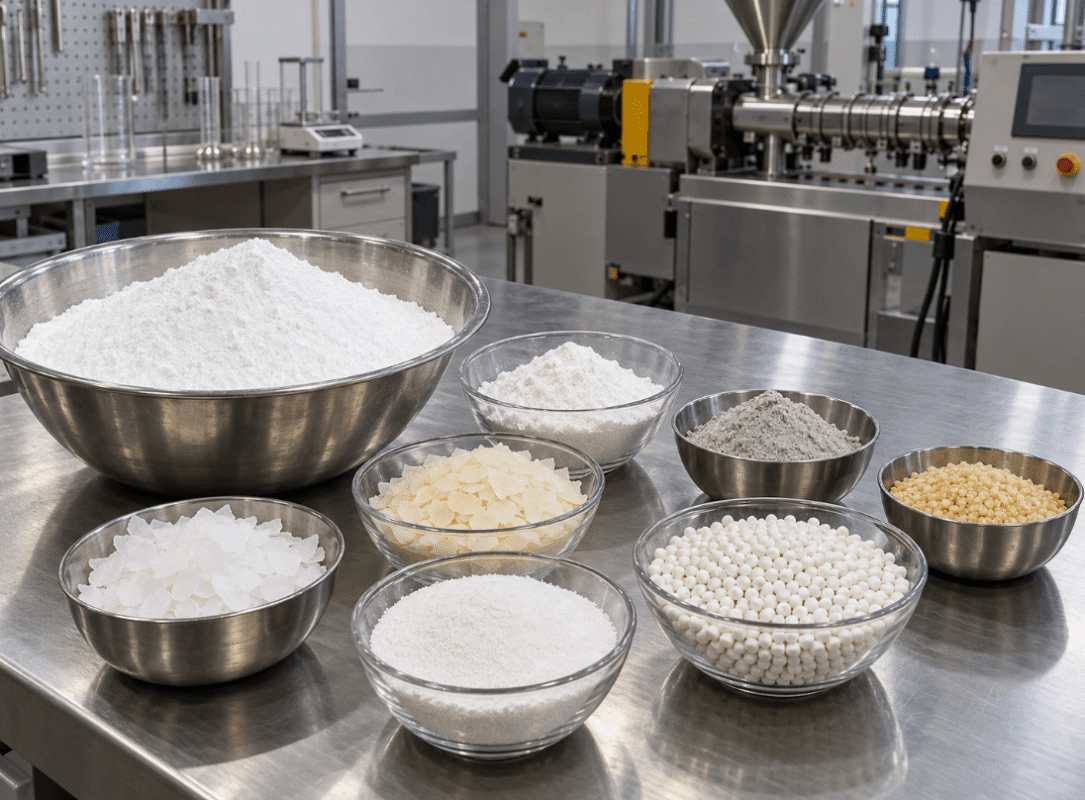

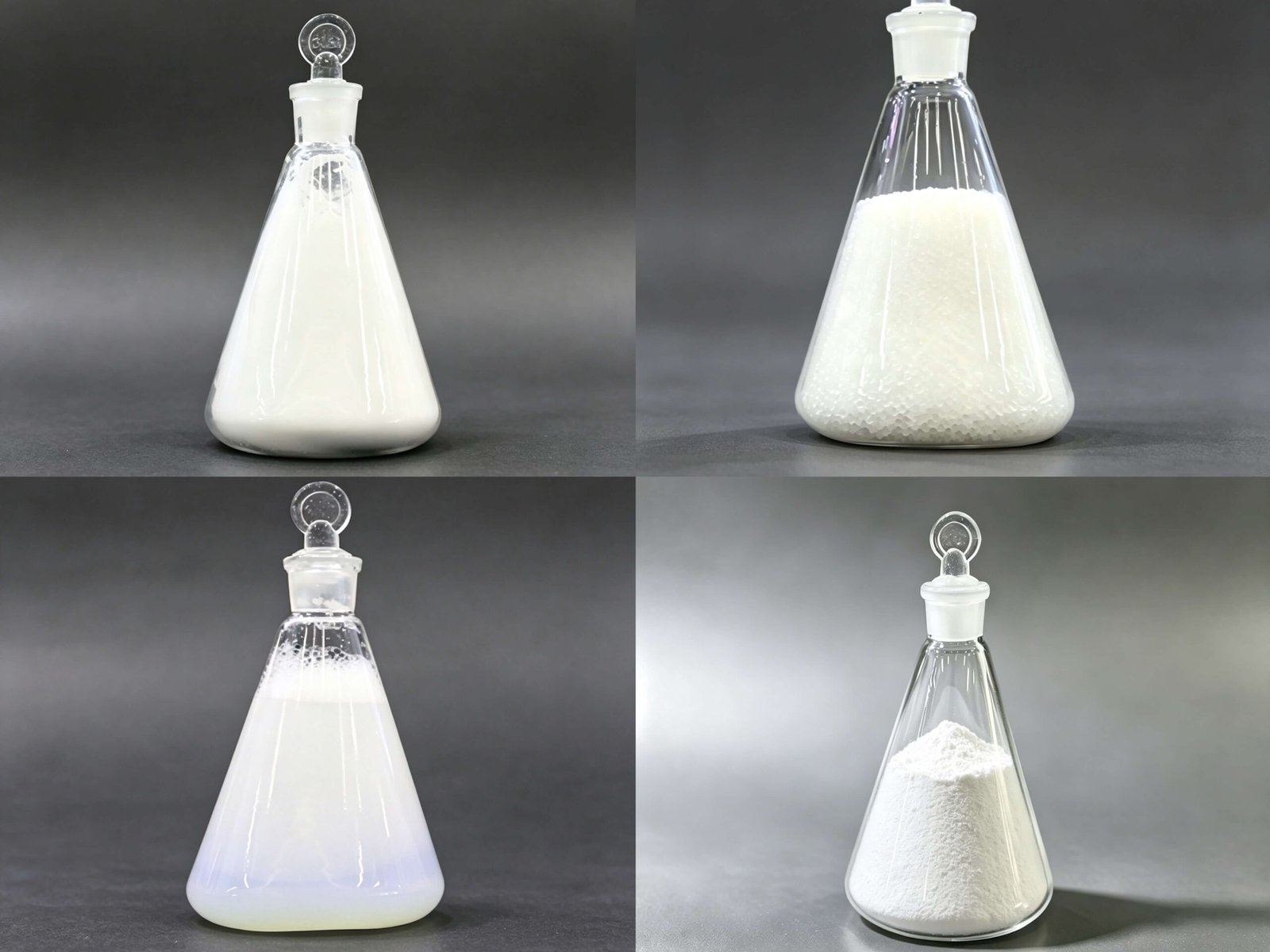
Fluorinated Ethylene Propylene (FEP) is an important thermoplastic fluoropolymer that belongs to the class of perfluoropolymers. FEP possesses most of the exceptional properties of PTFE—such as outstanding chemical resistance, high-temperature resistance, a low dielectric constant, and low frictional characteristics—while also offering the melt-processability typical of thermoplastics. Consequently, it is widely used in applications including wire and cable, chemical processing equipment, semiconductor manufacturing, medical devices, and anti-corrosion linings.
This article provides a detailed overview of how FEP is manufactured, covering aspects such as its chemical structure, chemical compatibility, polymerization process, and production workflow.
Chemical Structure of fluorinated ethylene propylene
FEP is primarily composed of two types of fluorine-containing monomers. Its molecular chain consists mainly of carbon and fluorine atoms; the fluorine atoms effectively protect the carbon chain, endowing FEP with excellent chemical stability and weather resistance.
- Tetrafluoroethylene (TFE)
TFE is the primary monomer for FEP; it forms the fundamental carbon-chain structure of the polymer and imparts excellent heat resistance, chemical resistance, and electrical insulation properties to the material.
- Hexafluoropropylene (HFP)
HFP acts as a comonomer; its incorporation disrupts the highly ordered molecular chain arrangement characteristic of PTFE, reduces crystallinity, and imparts melt-processability to FEP.
The ratio of TFE to HFP influences FEP’s melt flow, crystallization behavior, mechanical properties, and processing characteristics. Manufacturers typically adjust this ratio according to the target grade and intended product application.
fluorinated ethylene propylene chemical compatibility
At room temperature, FEP is inert to the vast majority of chemicals; temperature is the most critical variable affecting its compatibility. The following list outlines the chemical compatibility of FEP with various substances:
1. Excellent Compatibility (available for a long time at room temperature)
- Inorganic acids: hydrochloric acid HCl (full concentration), sulfuric acid ≤98%, nitric acid ≤65–70%, hydrofluoric acid HF, phosphoric acid, aqua regia, etc.;
- Alkali/strong base: NaOH, KOH (any concentration), ammonia, amine aqueous solution;
- Strong oxidants: sodium hypochlorite, hydrogen peroxide (≤30%), ozone, peracetic acid;
- Organic solvents (all categories): alcohols, ketones (acetone, MEK), esters, halogenated hydrocarbons (chloroform, carbon tetrachloride), ethers;
- Salt solution, water vapor, oil products: various inorganic salts, brine, animal and vegetable oils, mineral oils, etc.
2. Conditional / Limited Compatibility (Assessment/testing required for high-temperature or high-concentration conditions)
- Fuming sulfuric acid (pyrosulfuric acid), fuming nitric acid: May undergo slight swelling in high-temperature, strongly oxidizing environments; continuous use is not recommended.
- Liquid bromine, high-temperature moist chlorine gas: Resistance decreases as temperature rises.
3. Not Compatible / Unsuitable (Strictly avoid contact)
- Molten alkali metals: e.g., sodium, potassium, lithium (can break C–F bonds)
- Elemental fluorine (F₂) at high temperatures; chlorine trifluoride (ClF₃)
Complete Manufacturing Process for fluorinated ethylene propylene
The industrial production of FEP primarily utilizes free-radical copolymerization. During the process, TFE and HFP undergo copolymerization under controlled conditions to form an FEP polymer with a specific molecular weight and composition.
Currently, industrial production mainly employs two process routes: aqueous-phase polymerization and non-aqueous-phase polymerization, with aqueous-phase polymerization serving as a key commercial production method.
1. Monomer Preparation and Raw Material Processing
Prior to production, manufacturers must prepare high-purity TFE and HFP monomers. These undergo rigorous purity testing and pretreatment to control levels of moisture, oxygen, and other impurities that could interfere with the polymerization reaction.
The purity of the raw materials and the ratio of the monomers directly influence the final product’s molecular structure, melt-flow characteristics, and mechanical properties.
2. Polymerization
Conditions vary depending on the specific process. Two common polymerization methods are as follows:
- Aqueous suspension polymerization: Used for producing granular resins; typically employed for molding compounds and general-purpose extrusion materials.
- Emulsion (dispersion) polymerization: Used for producing dispersions, which are applied in coatings, impregnation processes, or subsequently coagulated into fine powders.
Manufacturers typically carry out polymerization in a closed pressure reactor. The basic process is as follows:
(1). Treated deionized water is added to the reactor.
(2). TFE and HFP monomers are introduced according to the formulation for the target product.
(3). An appropriate free-radical initiator—such as a water-soluble initiator like potassium persulfate or an organic peroxide—is added.
(4). The polymerization reaction is initiated under controlled temperature and pressure conditions.
(5). The molecular weight and copolymer composition of the polymer are controlled by adjusting monomer supply, reaction conditions, and chain-transfer processes.
During the reaction, free radical reactions connect TFE and HFP molecules to form randomly arranged copolymer molecular chains.
The HFP unit introduces CF₃-containing side groups into the polymer main chain to reduce the regularity and crystallization ability of the molecular chain, thereby giving FEP melt processing properties.
3. Polymer Recovery and Separation
Once the polymerization reaction is complete, manufacturers must recover the FEP polymer from the reaction system. Depending on the polymerization process employed, the polymer may exist as a dispersion or in another type of dispersed polymer system. Manufacturers typically use processes such as coagulation, separation, and washing to remove water, residual monomers, and other impurities.
The primary objective at this stage is to increase the purity of the resin, thereby minimizing the impact of any residues on subsequent processing and the performance of the final product.
4. Drying and Heat Treatment
After separation, manufacturers must dry the FEP resin to reduce its moisture content and the level of volatile residues.
In addition, some FEP production processes require end-group stabilization to improve the material’s thermal stability and minimize the generation of volatile by-products during processing. Manufacturers determine the specific end-group treatment method based on the resin manufacturing process and product requirements.
5. Melt Granulation
Following drying and any necessary stabilization, manufacturers typically convert FEP resin into pellets through melt extrusion and pelletization.
The main steps include:
(1). Melting: Heating the resin to a molten state suitable for processing.
(2). Extrusion: Using extrusion equipment to form the molten resin into a continuous strand.
(3). Cooling: Appropriately cooling the extruded resin.
(4). Pelletizing: Cutting the continuous strand into pellets of uniform size.
(5). Quality Testing: Evaluating parameters such as melt flow rate, melting point, density, mechanical properties, and electrical properties.
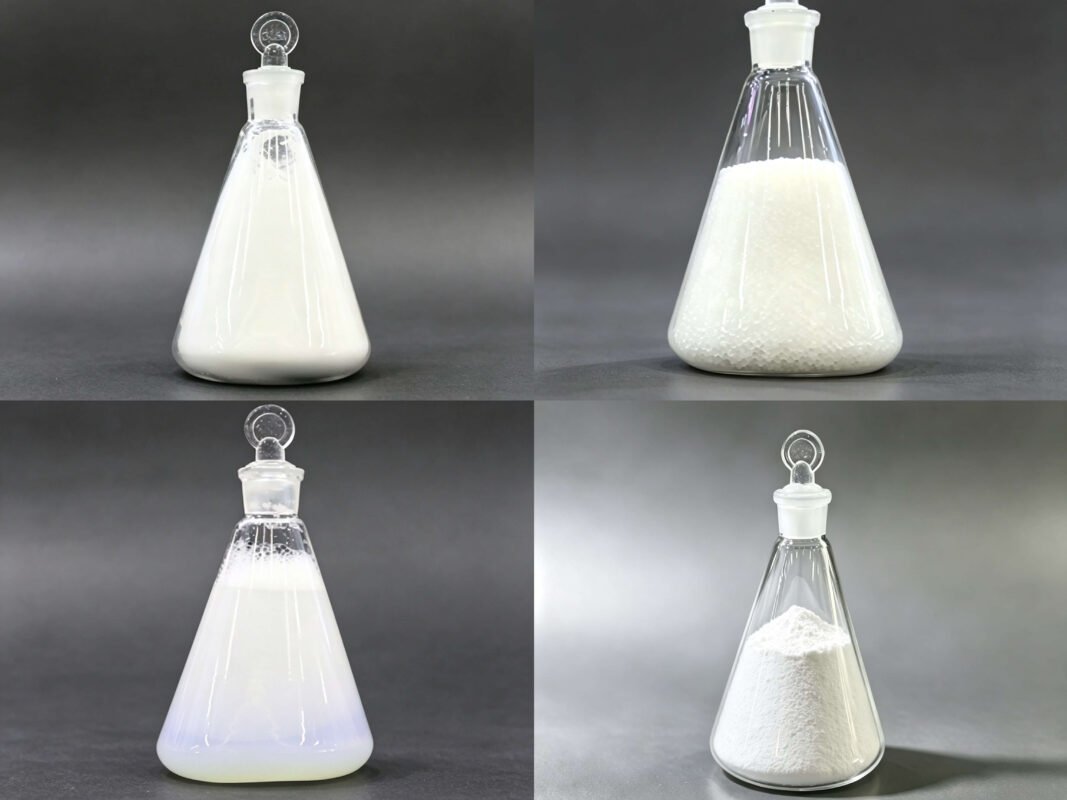
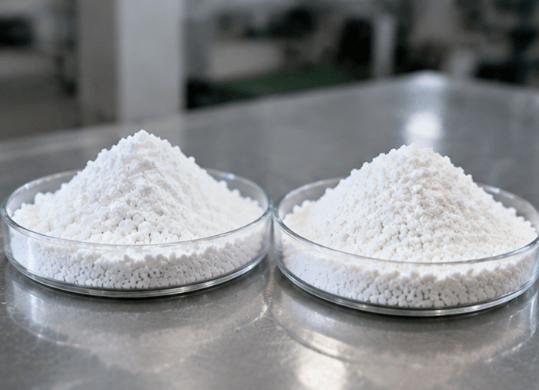
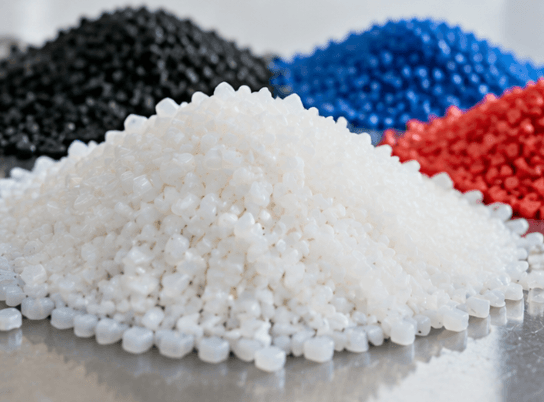
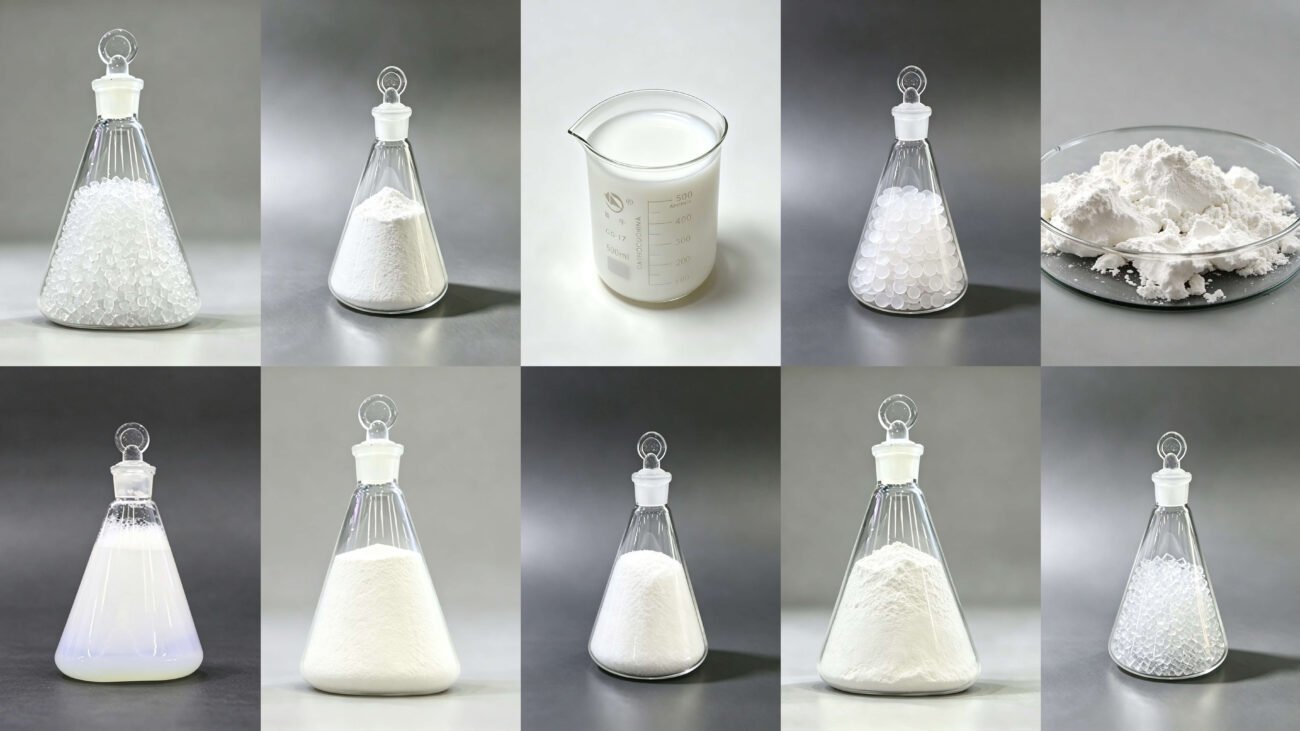
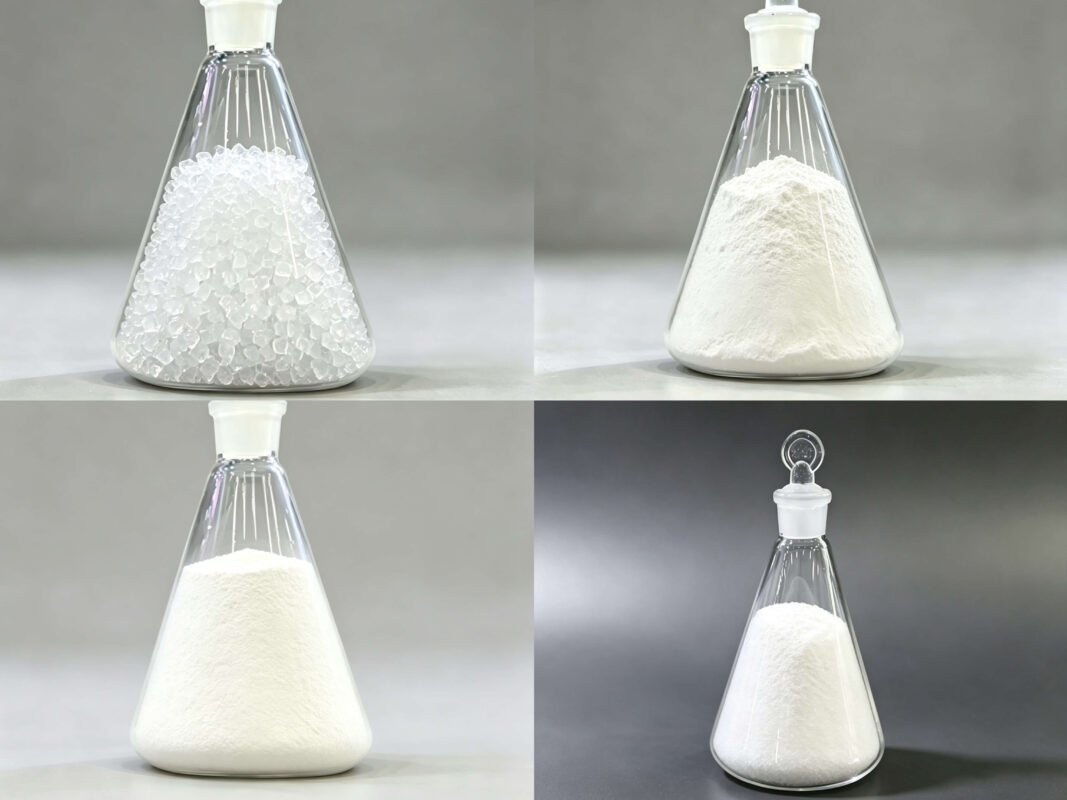
The final FEP resin product is typically supplied as translucent or milky-white pellets; it can also be formulated into an aqueous dispersion, depending on specific application requirements.
MKQ Chem → fluorinated ethylene propylene Product Series
High-frequency & Low-dielectric FEP
Environment-friendly FEP Dispersion
Differences in the Manufacturing and Processing of FEP, PTFE, and PFA
FEP, PTFE, and PFA are all important perfluoropolymers that exhibit excellent chemical resistance and high-temperature stability. Nevertheless, despite these shared properties, they exhibit significant differences in their molecular structures, manufacturing processes, and processing methods.
| Comparison Item | PTFE | FEP | PFA |
| Full Name | Polytetrafluoroethylene | Fluorinated Ethylene Propylene | Perfluoroalkoxy |
| Monomers | TFE | TFE + HFP | TFE + Perfluoroalkyl vinyl ether |
| Polymerization Method | Free-radical polymerization | Free-radical copolymerization | Free-radical copolymerization |
| Melt Processing | Not suitable for conventional melt extrusion | Yes | Yes |
| Primary Processing Methods | Compression molding, paste extrusion, isostatic molding | Melt extrusion, injection molding, blow molding | Melt extrusion, injection molding, etc. |
| Typical Applications | Seals, gaskets, bearings | Wires and cables, tubing, films | Semiconductor piping, high-purity fluid systems |
Furthermore, from a manufacturing and processing perspective, FEP serves as an important material that bridges the gap between traditional PTFE and other melt-processable fluoropolymers.
Summary
In summary, FEP is produced by incorporating HFP into the molecular chains of PTFE through copolymerization, thereby “unlocking” the ability for melt processing. It is effectively considered a “processible form of PTFE.”
With the ongoing development of the semiconductor, electrical and electronic, chemical equipment, and high-performance materials industries, FEP remains highly valuable in applications that require a balance of corrosion resistance, electrical insulation, and ease of processing.
For FEP manufacturers and downstream processors, selecting the appropriate resin grade, controlling the copolymer composition, and optimizing the polymerization process are essential steps. Furthermore, enhancing processing stability plays a key role in improving both product quality and overall production efficiency.
FAQ
Q: Is FEP the same as Teflon?
No. Teflon is a trademark that a company uses for a range of fluoropolymer products, whereas FEP is a specific type of polymer. PTFE, FEP, and PFA are distinct materials, each with its own unique processing characteristics and performance limits.
Q: Is FEP resistant to acids and solvents?
FEP is resistant to many acids and solvents. However, its chemical compatibility should always be verified based on the specific chemicals involved, as well as their concentrations, temperatures, and operating conditions.
Q: Is FEP suitable for food-contact applications?
Certain grades of FEP may be suitable for specific food-contact applications. Compliance depends on the resin formulation, production conditions, intended use, and relevant regulatory requirements. Please request the appropriate documentation from your supplier.
Q: Can FEP withstand temperatures of 200°C?
Many commercially available grades of FEP have a rated continuous service temperature of approximately 200°C. However, its actual suitability ultimately depends on several factors, including mechanical load, duration of exposure, and the chemical environment. In addition, users should consider the published performance limits of the specific grade.
Reference Sources:
Green Science Policy Institute(GSPI):
https://greensciencepolicy.org
American Chemical Society(ACS):
Plastics Engineering:
https://www.plasticsengineering.org
Polyvinylidene fluoride overview: