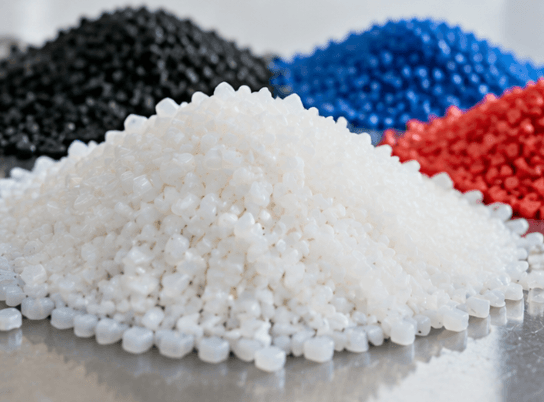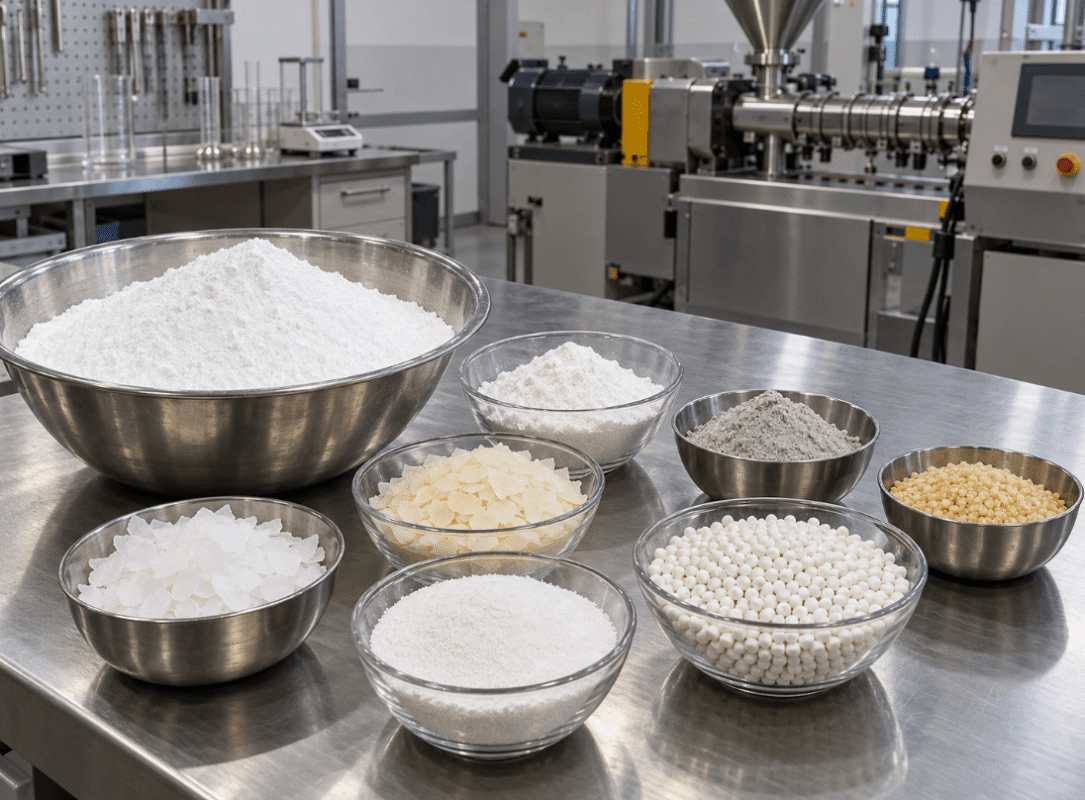

FEP (fluorinated ethylene propylene) is an important thermoplastic fluoropolymer belonging to the class of perfluoropolymers. It retains most of the exceptional properties of PTFE—such as outstanding chemical resistance, high-temperature resistance, a low dielectric constant, and excellent frictional characteristics—while also offering the melt-processability typical of thermoplastics. Consequently, FEP is widely used in applications including wire and cable, chemical processing equipment, semiconductor manufacturing, medical devices, and anti-corrosion linings.
This article provides a detailed overview of how FEP is processed, covering specific processing workflows and key factors that must be considered during the process.
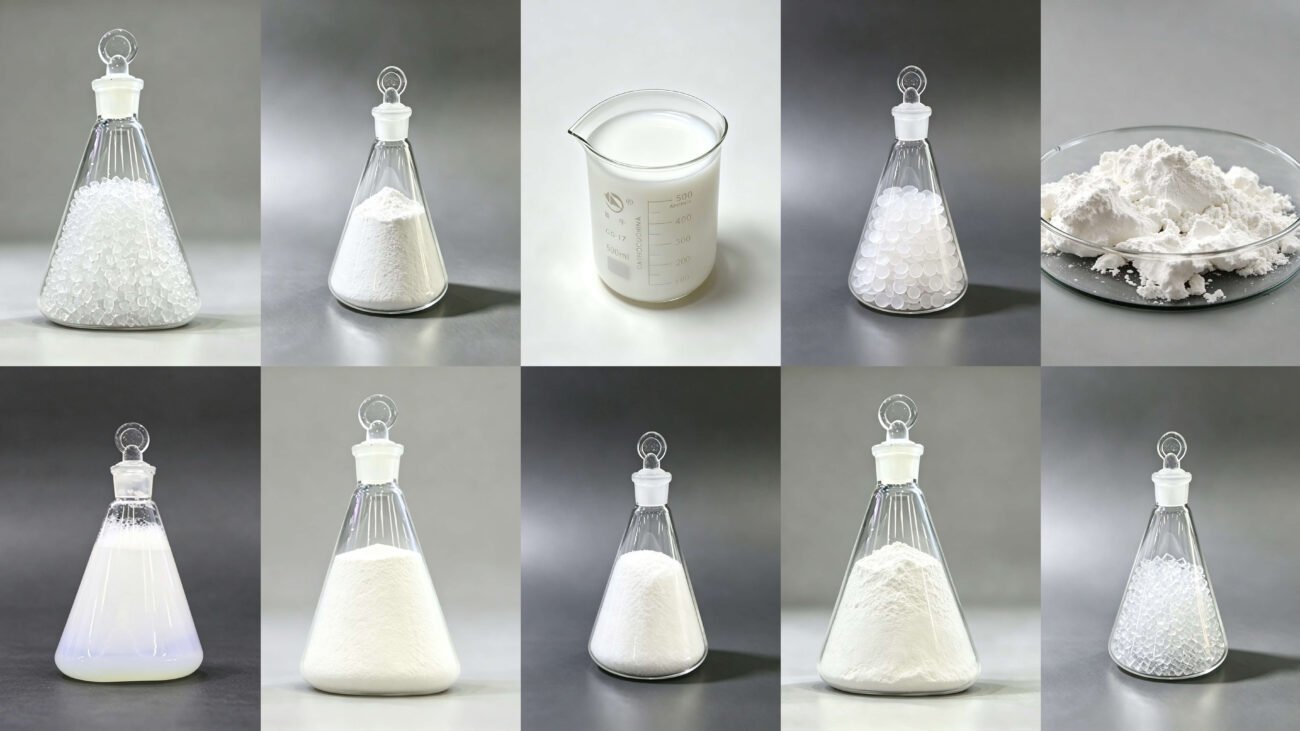
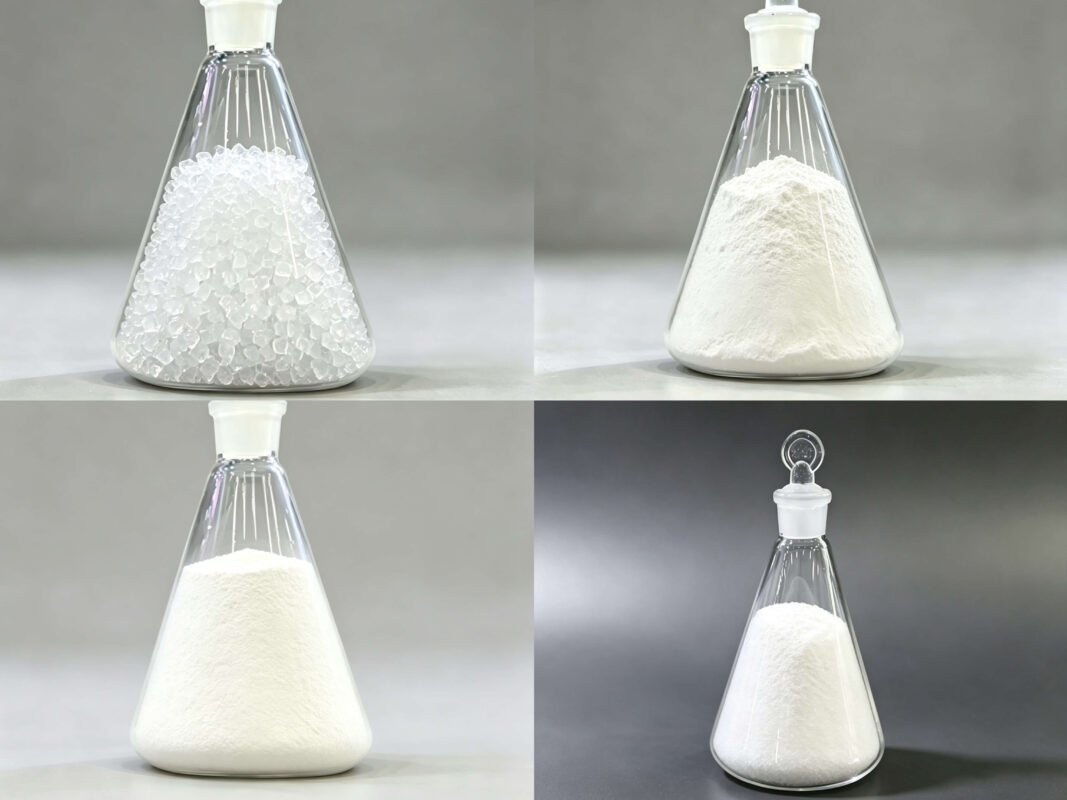
MKQ Chem → fep polymer Product Series
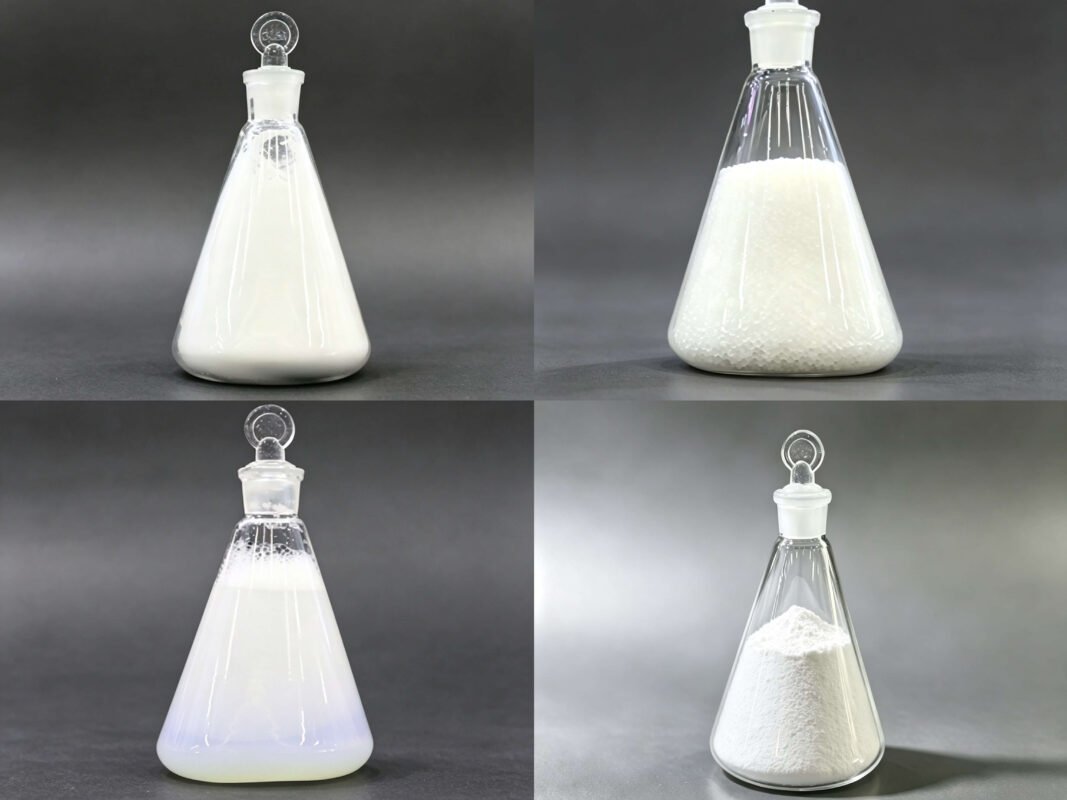
High-frequency & Low-dielectric FEP
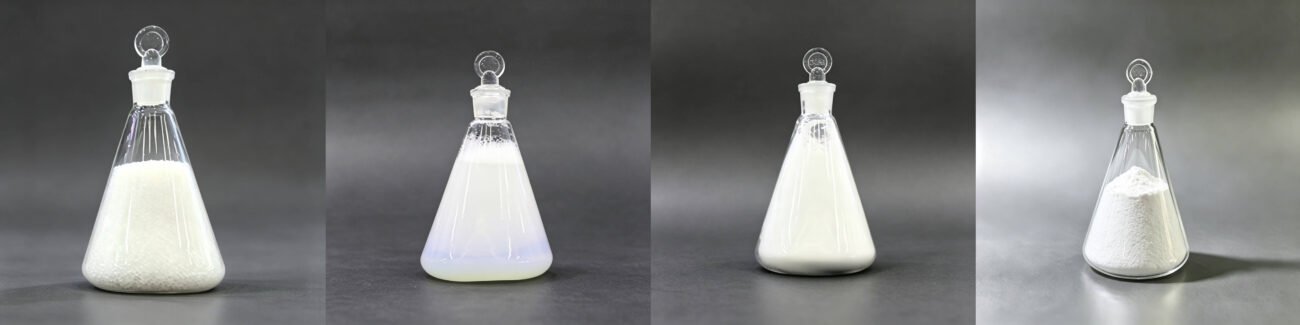
Environment-friendly FEP Dispersion
How is fep polymer processed and molded?
Unlike PTFE, FEP can be processed using conventional melt-processing techniques suitable for high-temperature fluoropolymers; therefore, it can be processed via the following methods:
1. Melt Extrusion
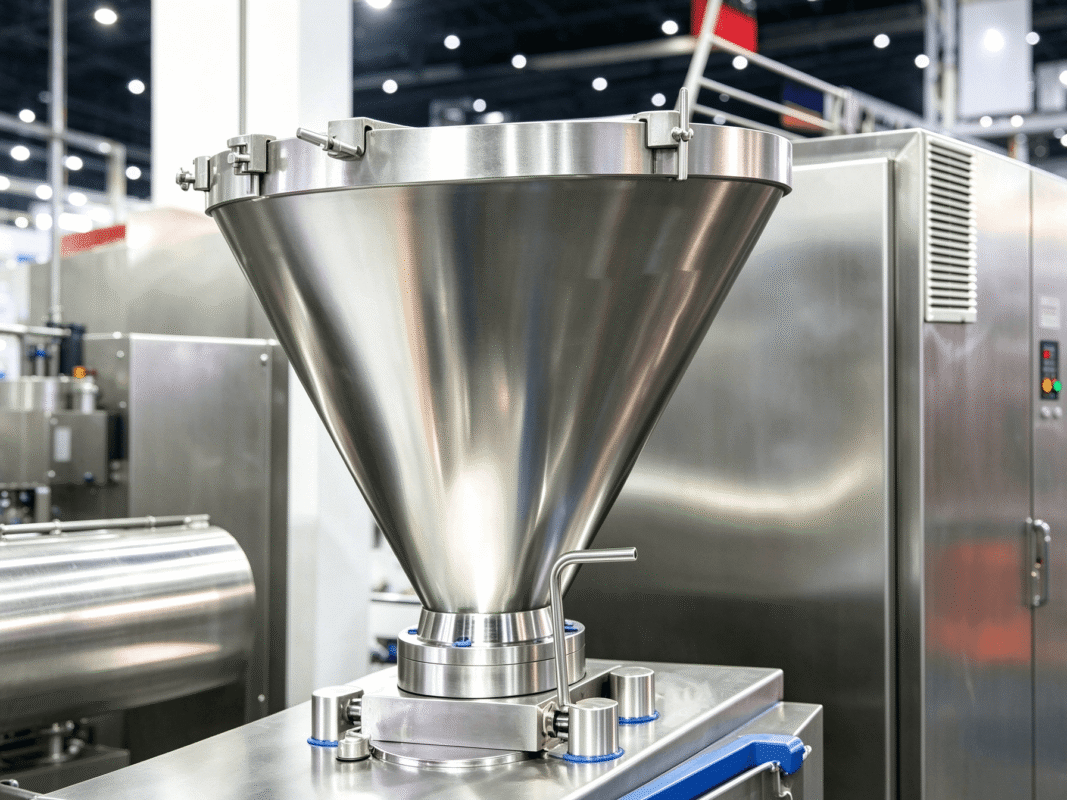
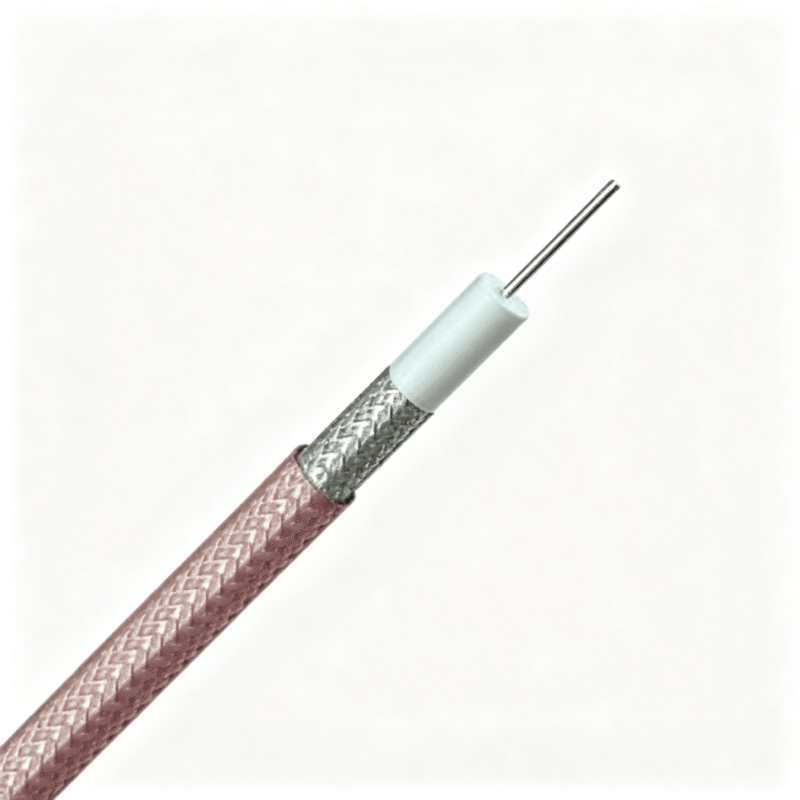
Melt extrusion is one of the most common processing methods for FEP, being particularly well-suited for the production of wire and cable insulation, tubing, films, and profiles. FEP’s relatively high melt strength facilitates the use of large-scale dies and helps enhance production efficiency.
- Basic processing workflow:
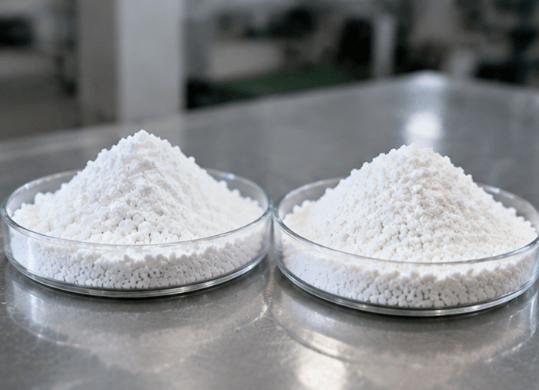
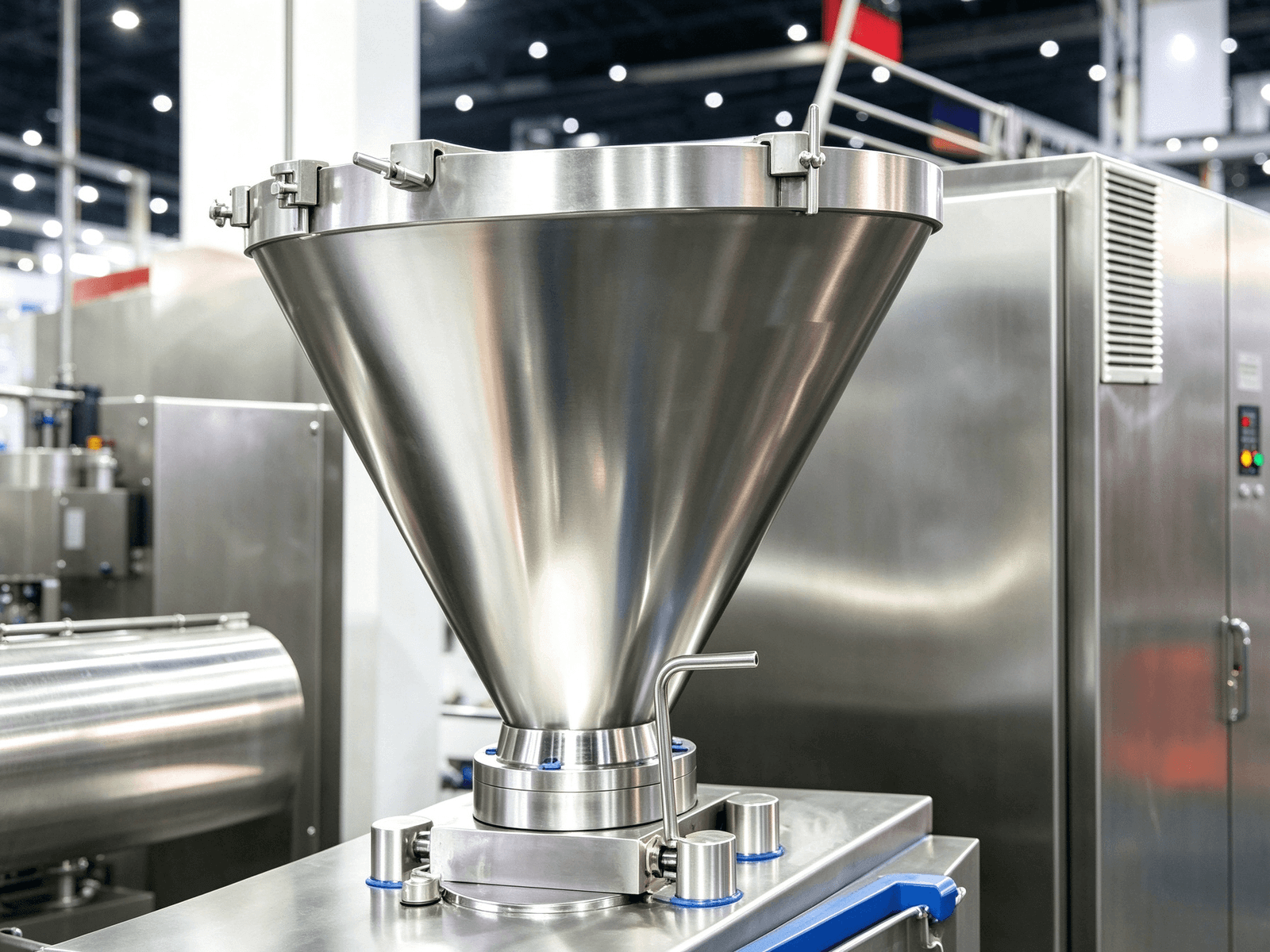
(1). Feed FEP resin pellets into the extruder hopper.
(2). Transport and heat the resin using a screw mechanism to gradually melt it.
(3). Pass the molten resin through a specific die to achieve the desired cross-sectional shape.
(4). Cool and set the extruded product.
(5). Pull, cut, or wind the material to obtain the final product.
- Main applications:
Wire and cable insulation
Chemical transport piping
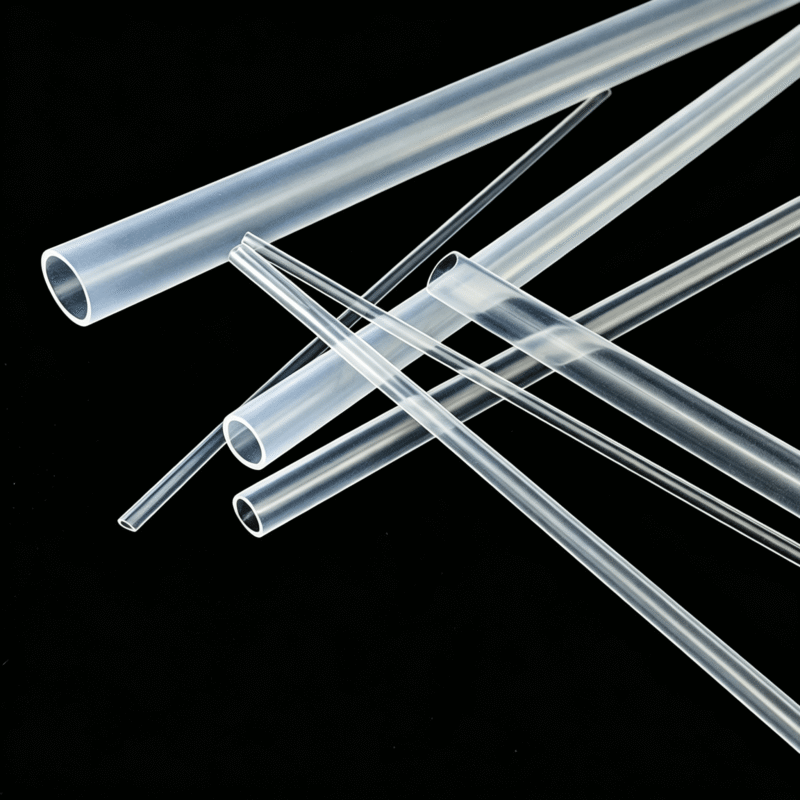
Transparent tubing
FEP films and sheets
Continuous profiles
FEP possesses good melt strength and tensile properties, making it suitable for continuous extrusion. During the production process, it is essential to control the melt temperature, residence time, screw design, and cooling conditions.
2. Injection Molding
Injection molding is primarily used to produce FEP products with complex shapes and precise dimensional requirements.
- Processing steps:
(1). Load FEP pellets into the hopper of the injection molding machine.
(2). Melt the resin using a heated screw.
(3). Inject the molten material into the mold cavity.
(4). Allow the material to solidify and take shape through cooling.
(5). Open the mold to remove the product, followed by any necessary post-processing.
- Primary applications:
Components for chemical processing equipment
Seals and valve parts
Electrical and electronic connectorsCorrosion-resistant structural components
During the injection molding process, it is essential to properly control melt temperature, injection pressure, mold temperature, and cooling time to minimize the occurrence of bubbles, warpage, and dimensional deviations in the finished parts. Furthermore, mold design must incorporate appropriate draft angles and well-dimensioned gates to account for the material’s shrinkage rate.
3. Coating
The specific requirements for substrate pre-treatment and adhesion depend on the particular coating system used.
- Common application methods include:
Aqueous dispersion coating
Dip coating
Spray coating
Powder coating
- Primary applications:
Linings for chemical processing equipment
Non-stick surfaces
Industrial anti-corrosion materials
FEP coatings offer properties such as corrosion resistance, non-stick characteristics, and low friction.
4. Compression Molding & Sintering
Compression molding uses heat and pressure to shape FEP resin into the desired form within a mold.
- The basic steps include:
(1). Placing an appropriate amount of FEP resin into the mold
(2). Heating the mold to bring the resin to a suitable processing state
(3). Applying pressure to ensure the material fills the mold cavity
(4). Cooling the material to set the shape of the product
(5). Removing the product from the mold and inspecting its quality
- Primary applications:
Thick-walled sheets
Rods
Large-scale linings or specialized gaskets
This method is suitable for producing sheets, blocks, and certain industrial components with specific shapes, or for the preforming of FEP pellets.
5. Thermoforming
FEP film possesses excellent transparency, chemical resistance, and heat-sealing properties, allowing for secondary processing through methods such as heating, vacuum forming, and hot pressing. During this process, precise temperature control is critical to prevent the formation of defects or material degradation.
- Key applications include:
Corrosion-resistant films
Protective films for the electronics industry
Linings for chemical processing equipment
Specialized sealing films
Release films for composite material processing
FEP films can also be bonded to other materials through methods such as heat sealing, thermal bonding, and lamination.
6. Blow Molding
Blow molding utilizes gas pressure to expand molten FEP material, forcing it against the inner walls of a mold to create hollow products.
- Key processing steps:
(1). Melt the FEP and form a parison
(2). Place the parison into a mold
(3). Introduce compressed gas into the interior of the parison
(4). Expand the material so that it conforms to the mold
(5). Allow the material to cool and set, then remove it from the mold
This method is suitable for certain hollow-structured products and specialized corrosion-resistant containers.
Key Considerations in fep polymer Processing
The processing quality of FEP depends not only on the properties of the resin itself but is also closely related to processing temperature, screw configuration, mold design, cooling rate, and melt flow characteristics.
Given that FEP has a high melt viscosity and is sensitive to temperature, both the processing equipment and the process parameters require precise control.
1. Temperature Control
The melting point of FEP is typically between 250°C and 280°C; however, actual processing temperatures are generally higher than this.
Temperature requirements vary depending on the processing method and the specific resin grade; therefore, the appropriate temperature range must be determined based on the technical processing data provided by the supplier.
- Temperatures that are too low may lead to unstable melt flow, inadequate plasticization, a rough surface finish on the product, or the development of internal stress.
- Temperatures that are too high—or an excessively long residence time—may cause thermal degradation of the material.
2. Melt Flow Rate (MFR)
MFR is a key indicator for evaluating the processability of FEP resin.
Different applications typically require specific flow grades:
- Lower MFR: Typically suitable for applications such as pipes that require higher melt strength and better resistance to stress cracking.
- Medium MFR: Can be used for general-purpose extrusion and certain wire and cable applications.
- Higher MFR: Typically suitable for high-speed extrusion, film production, and certain injection molding applications.
It should be noted that a higher MFR is not necessarily better. The selection process must account for factors such as product thickness, mold design, processing speed, and the desired final mechanical properties.
3. Selection of Equipment Materials
FEP is a fluoropolymer that requires high-temperature processing; therefore, the selection of materials for processing equipment is critical.
Since FEP may release trace amounts of corrosive substances at high processing temperatures when it melts, manufacturers must construct all equipment components that contact the molten resin—such as screws, barrels, and molds—from heat-resistant and corrosion-resistant materials that comply with relevant equipment and material standards.
Furthermore, the equipment must possess sufficient heating capacity, precise temperature control, and the ability to ensure stable transport of the polymer melt.
4. Processing Safety and Environmental Control
Under normal processing conditions, FEP exhibits good thermal stability; however, if processing temperatures are too high—or if thermal decomposition occurs—toxic and corrosive fluorine-containing decomposition products may be released.
Therefore, the following precautions should be observed during the production process:
- Strictly adhere to the processing temperatures specified by the resin supplier.
- Avoid prolonged residence of the material within high-temperature equipment.
- Ensure the presence of an efficient local exhaust and ventilation system.
- Regularly clean the extruder and molds to prevent the accumulation of residues.
- Establish operating procedures in accordance with the Safety Data Sheet (SDS).
- Prevent personnel from inhaling fumes or decomposition gases generated during processing.
It is particularly important to note that FEP processing equipment cannot be operated based on the same temperature and safety requirements used for standard polyethylene or polypropylene equipment.
5. Grade Selection
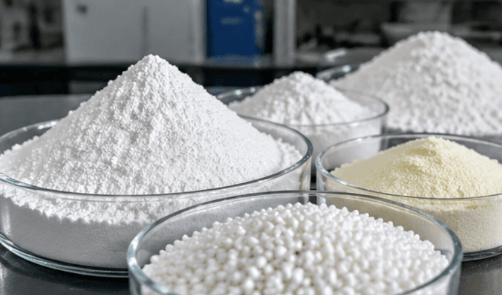
Select a grade with a melt flow rate and other specific properties that align with the target product and production speed.
A variety of FEP grades are available on the market to meet different extrusion and molding requirements. Because melt flow characteristics can differ significantly between grades, never substitute one grade for another without careful consideration.
Summary
In short, manufacturers produce FEP by incorporating HFP into PTFE molecular chains through copolymerization, which “unlocks” the material’s ability to undergo melt processing. Thanks to this thermoplasticity, manufacturers can use a variety of established plastics-molding techniques to shape FEP into products ranging from precision electronic components to large-scale anti-corrosion linings.
As the semiconductor, electrical and electronics, chemical equipment, and high-performance materials industries continue to evolve, FEP remains highly valuable for applications that require a combination of corrosion resistance, electrical insulation, and ease of processing.
For FEP manufacturers and downstream processors, selecting the appropriate resin grade, controlling the copolymer composition, optimizing the polymerization process, and enhancing processing stability are key to improving both product quality and production efficiency.
Reference Sources:
American Chemistry Council: https://www.americanchemistry.com
PlasticsEurope FPG(Fluoropolymers Product Group): https://www.fluoropolymers.eu/
Green Science Policy Institute(GSPI): https://greensciencepolicy.org
Plastics Engineering: https://www.plasticsengineering.org