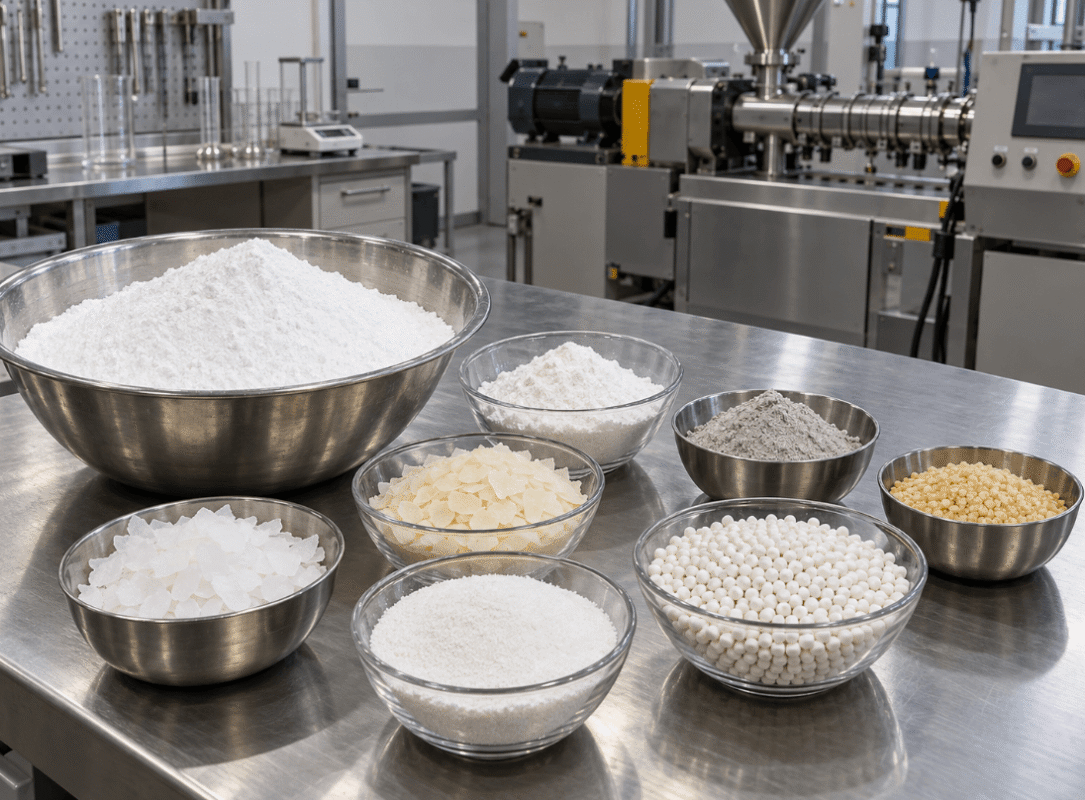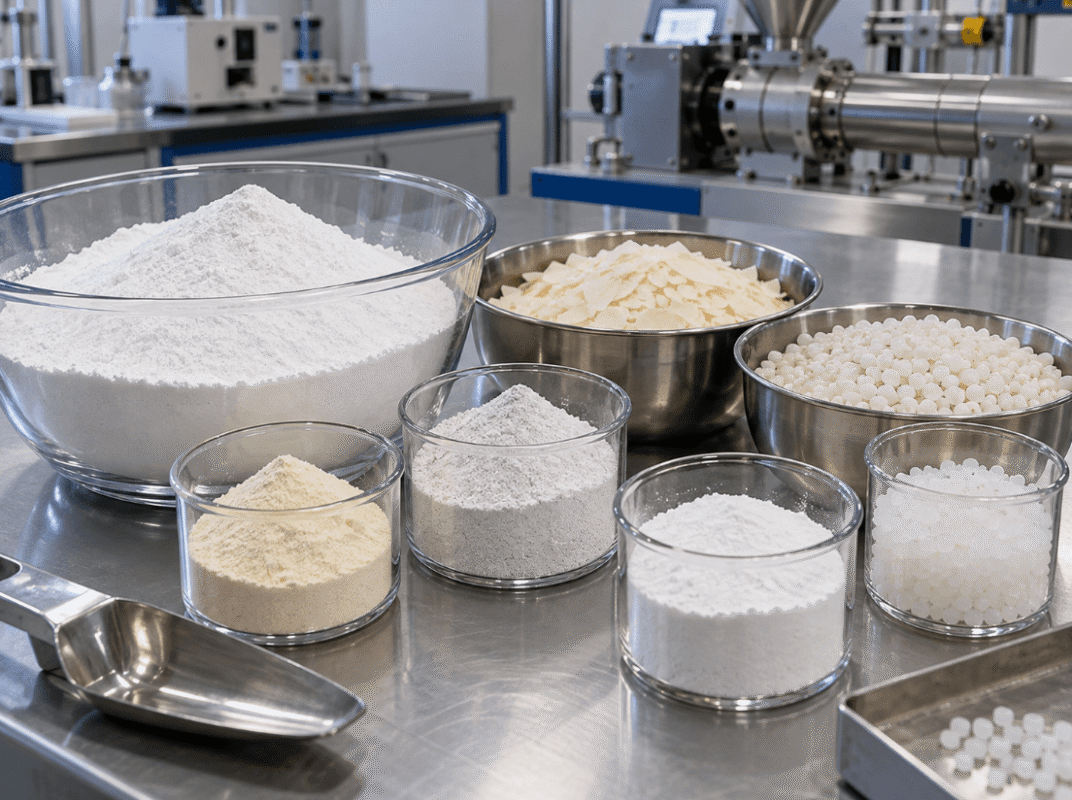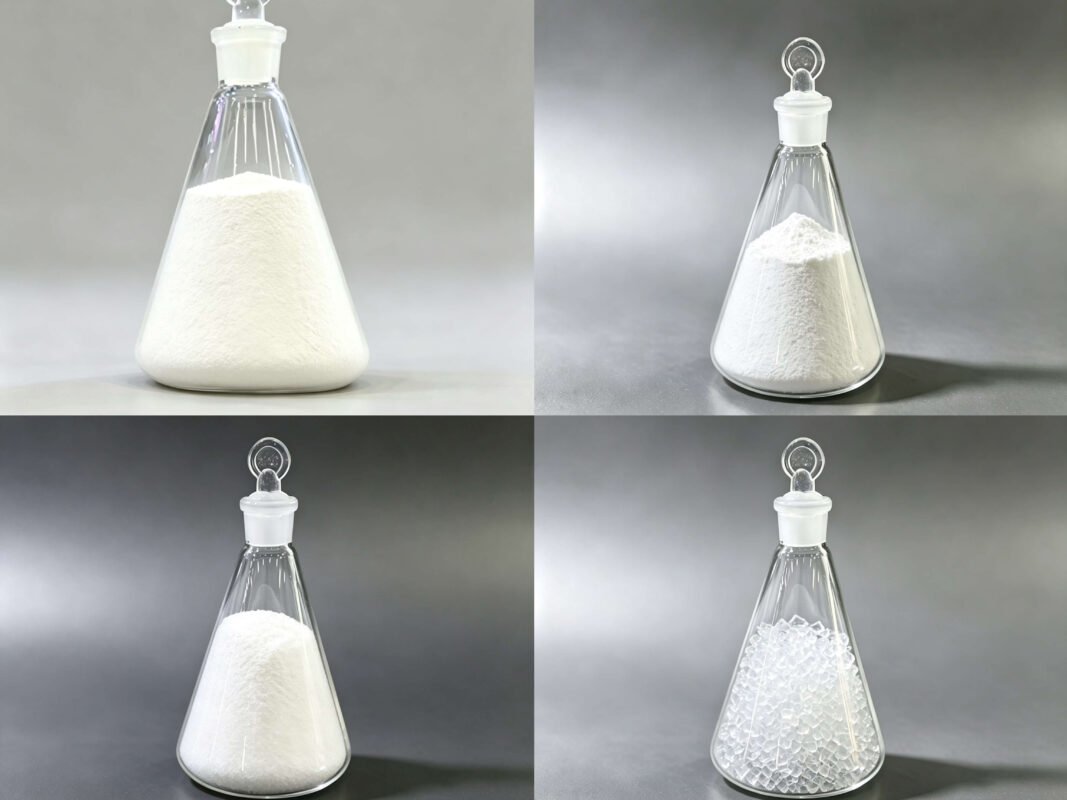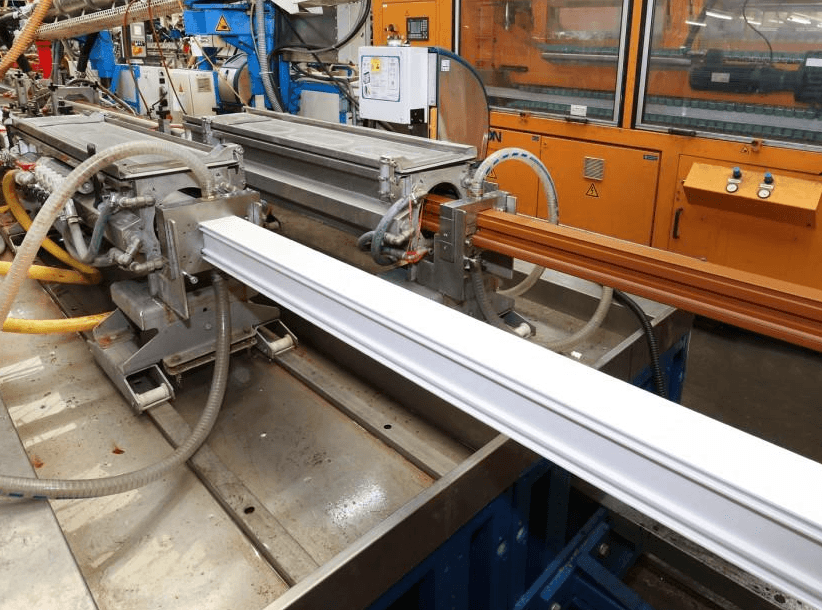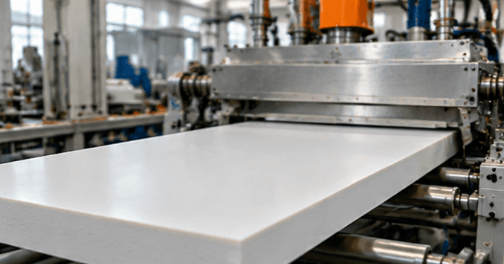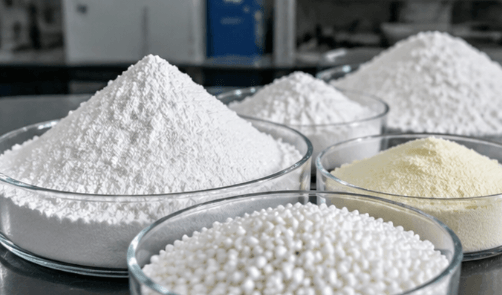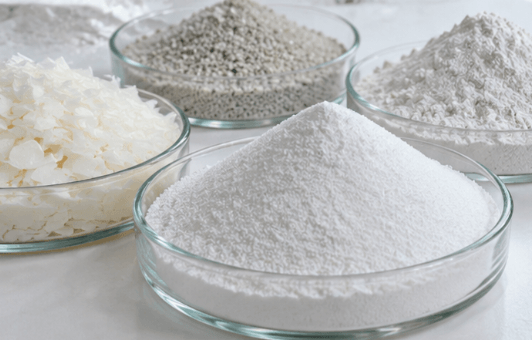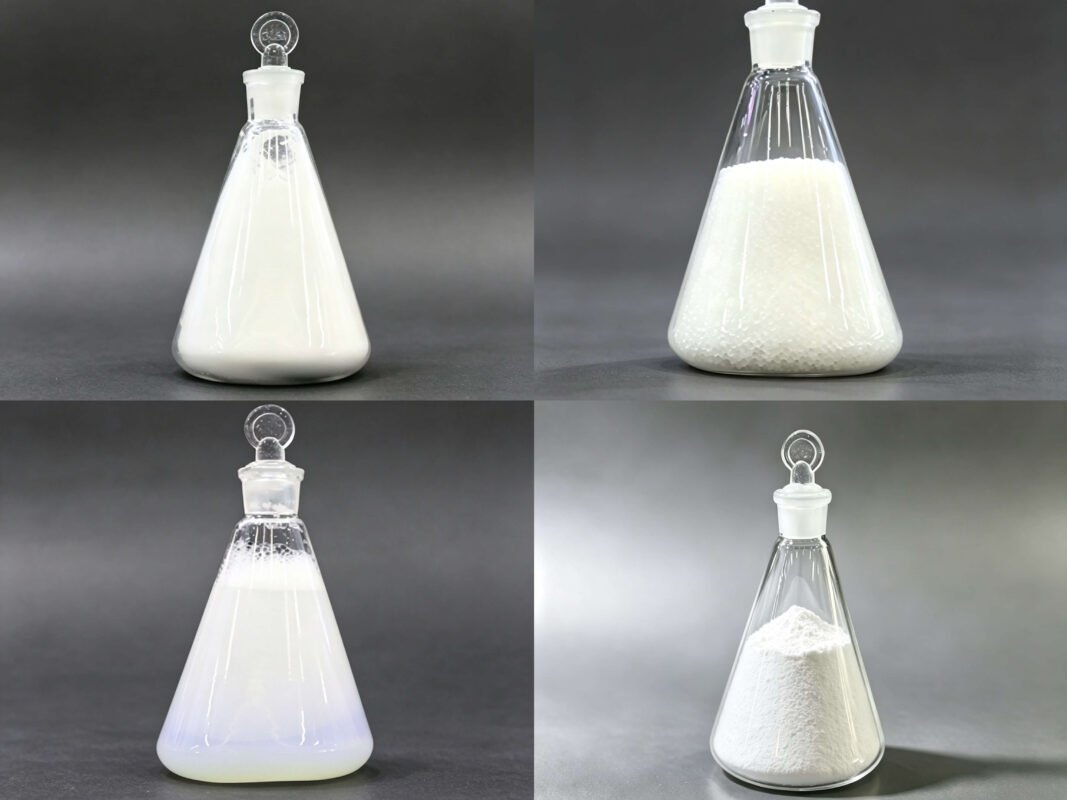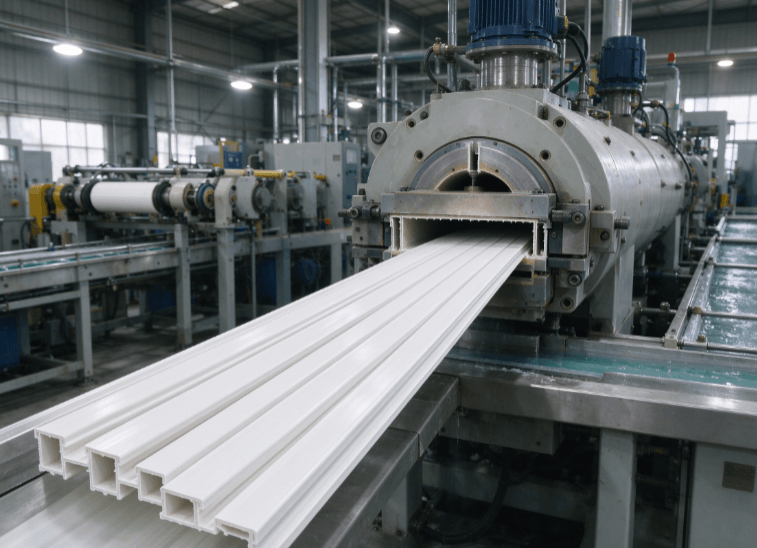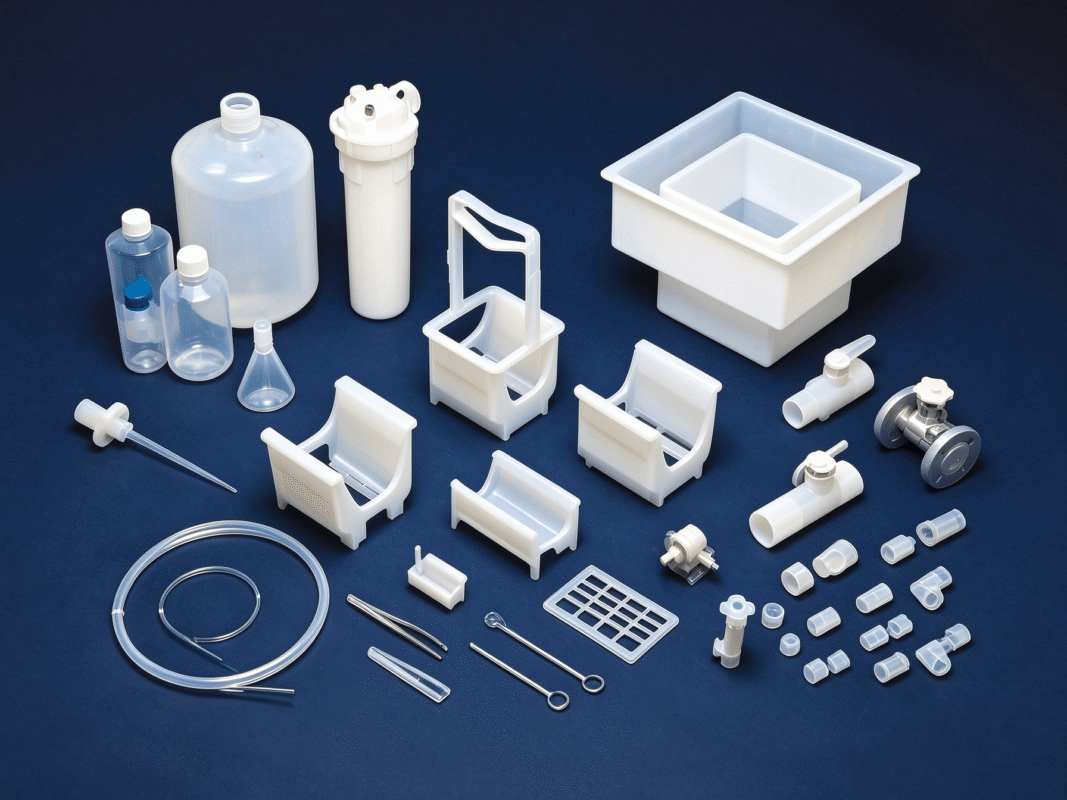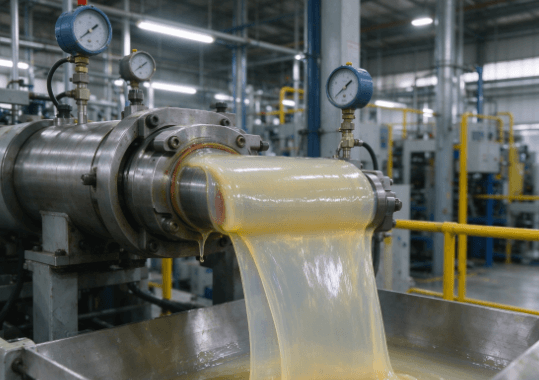

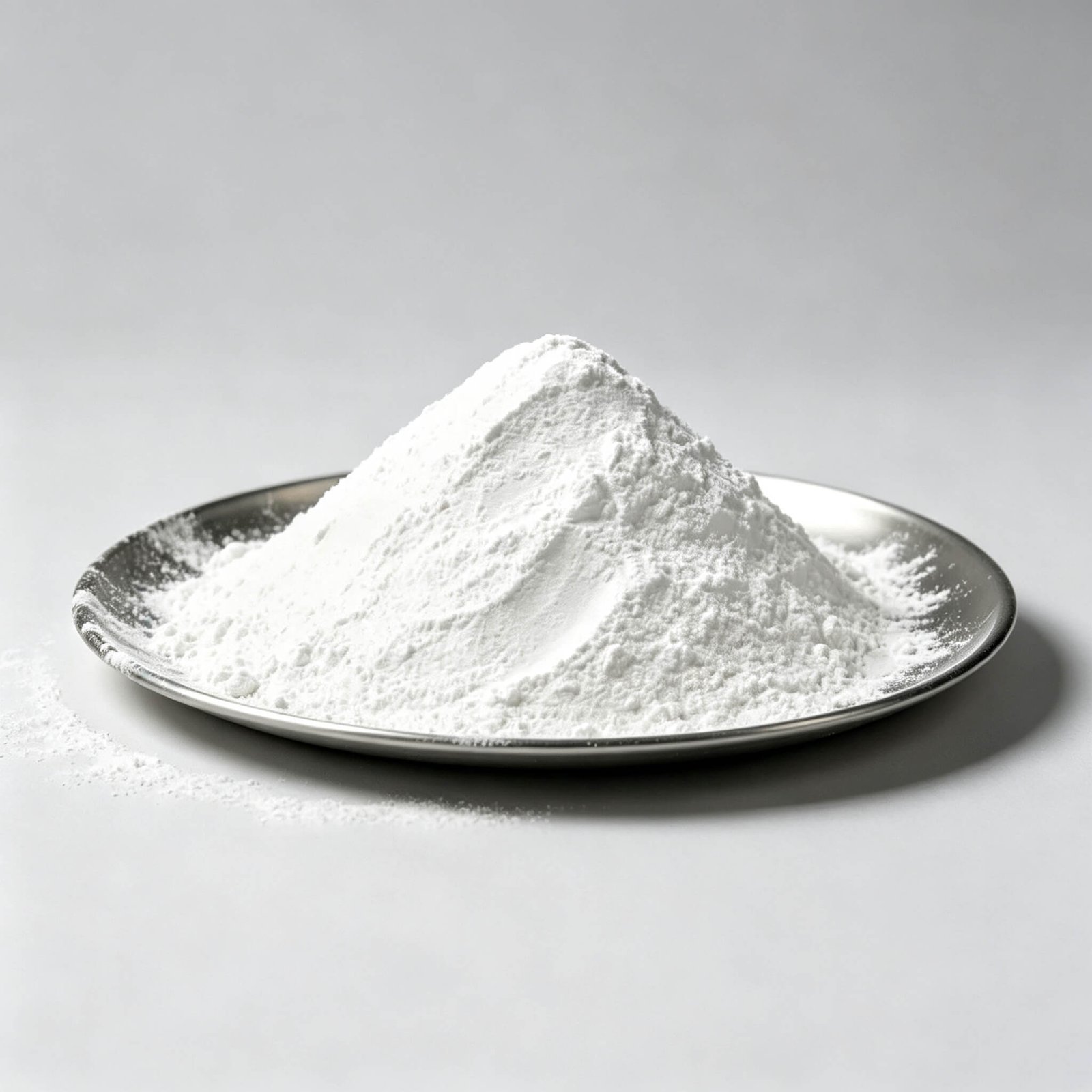
Polyvinyl chloride (PVC) is a versatile polymer, but because unplasticized PVC (rigid PVC, or uPVC) suffers from poor thermal stability, high melt viscosity, a narrow thermal processing window, and a tendency to stick to metal equipment, processing aids are critical to converting it from a raw powder to a high-quality finished product.
pvc processing aid is a functional additive used in PVC formulations to improve the processing performance, plasticizing behavior, surface quality and mechanical properties of PVC products during extrusion, injection molding or calendering. This blog post explains the working principles and application fields of PVC processing aids, and lists some common processing aids for everyone to better understand.
How do PVC processing aids work?
Due to its relatively rigid molecular structure, PVC has a relatively low melt strength and a slow plasticizing rate. Processing aids help PVC raw materials melt, flow, and plasticize more efficiently, enabling manufacturers to produce higher-quality products with greater production efficiency. They mainly work through the following three mechanisms:
1. Promotes PVC Plasticization (Melting)
During the heating process, PVC raw materials need to absorb heat and melt into a uniform melt.
- Principle: Its molecular chains are entangled with the long-chain PVC molecular chains. Because the coefficient of friction between the processing aid and PVC is higher than the intermolecular friction coefficient of PVC itself, it can effectively transfer shear heat to the entire mixture, thereby accelerating the melting process, improving melt uniformity, and in some cases allowing for a reduction in processing temperature.
- Function: Improved plasticizing effect and more stable extrusion process.
2. Improve Melt Strength
PVC melt is prone to breakage or deformation during processing (especially during extrusion molding).
- Principle: Once melted, the high molecular weight acrylate chains act as a physical binder or “network structure,” enhancing the elasticity and strength of the PVC melt. This prevents the hot plastic from breaking or sagging when it leaves the mold.
- Effects: Reduced melt fracture, improved dimensional stability, and smoother surfaces for profiles and sheets.
3. Improved Surface Quality
PVC processing aids improve the surface appearance of products by promoting uniform melt flow.
- Principle: This allows the PVC melt to be stretched further without breaking, eliminating defects such as “sharkskin,” crystal points, and fish eyes, resulting in a smoother and more glossy product surface. This is crucial for processing techniques such as foaming or blow molding.
- Effects: Higher gloss, smoother surface, reduced mold marks, improved printing and coating performance.
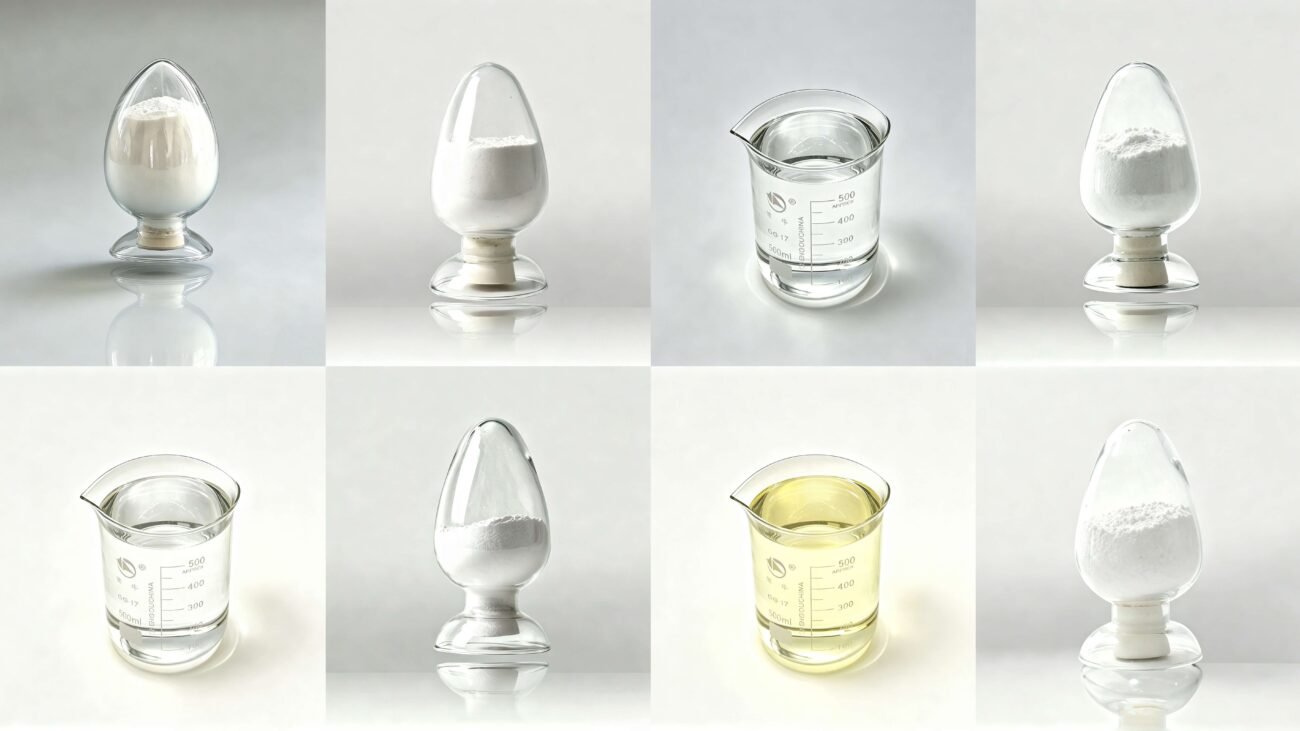
Common types of PVC processing aids
| Type | Functional Features | Application Areas |
| Acrylic processing aids(MK-302 ACR) | It accelerates plasticization, improves melt flow, enhances surface gloss, provides high transparency, exhibits excellent compatibility, and offers superior processing efficiency. | Rigid PVC (profiles, pipes, sheets and fittings); PVC profiles, pipes, sheets and foamed boards. |
| High molecular weight type (MK-304 PVC foaming regulator) | Significantly improves melt strength and elasticity, preventing gas escape. Maximizes melt strength and elasticity to trap foaming gas and prevent cell collapse. | PVC foam boards, foam pipes/profiles and WPC (wood-plastic composite). |
| Lubricating processing aids(MK-880A High-Temperature Oxidized Polymer Lubricant Processing Aid) | It combines the plasticizing properties of ACR with the metal release properties (preventing adhesion). It also incorporates gelation to promote metal release and prevents adhesion to metal parts. | Calendered films, transparent sheets, high-filler PVC formulations, and complex profiles. |
| CPE Impact Modifier (MK-301 CPE Chlorinated Polyethylene Impact Modifier) | Although CPE is mainly used as an impact modifier, it can also affect the processing properties of PVC. | PVC pipes, profiles, and outdoor applications |
| MBS-based processing aids | Improved processing performance and toughening modification | It is commonly used in PVC applications where increased toughness is required. |
Formula and dosage
Typical dosages in PVC formulations depend on the specific application:
- Rigid PVC: Typical dosage is 1.0 to 3.0 parts per 100 parts of resin (phr). For foam products, the dosage can be increased to 6.0 to 12.0 parts per 100 parts of resin.
- PVC foamed boards: The general dosage range is 0.8 to 2.5 phr (standard processing aids) and 4 to 8 phr (foaming regulator/high melt strength ACR). However, the actual dosage in production depends on various factors, such as paperboard density, paperboard thickness, extruder design, foaming system, and filler content.
Formulation recommendations: The ratio between processing aids and lubrication systems (such as PE wax, OPE wax, stearic acid) must be carefully balanced. Excessive processing aids can lead to over-plasticization (over-melting), causing increased melt pressure, drastic torque fluctuations, and premature thermal degradation; conversely, insufficient dosage can result in decreased mechanical properties and surface roughness.
Summary
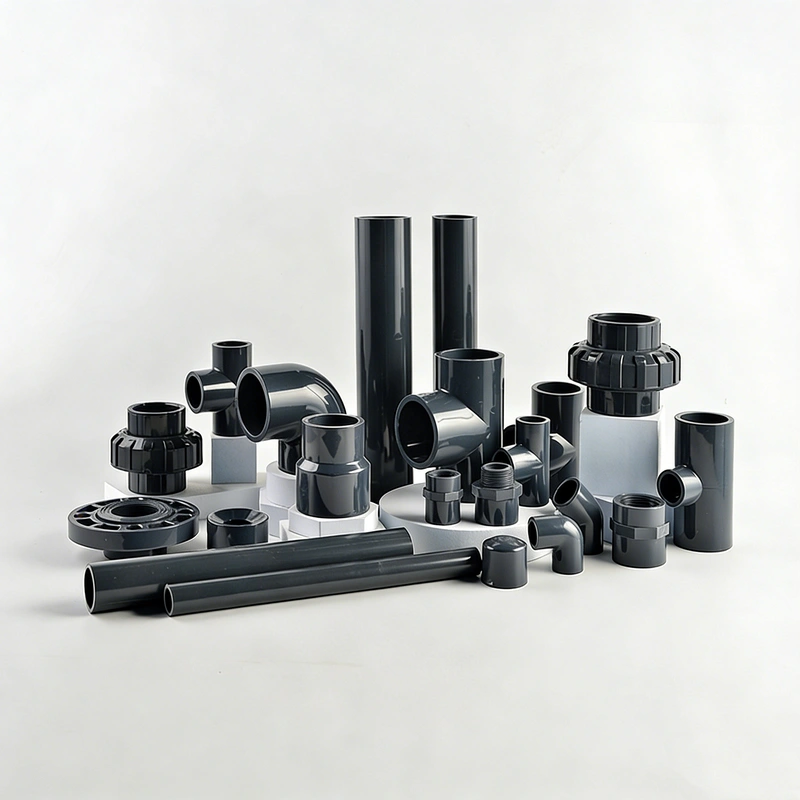
In simple terms, PVC processing aids are polymeric partners that make PVC “easier to process.” Without them, many rigid PVC products would be difficult to produce at high speed and with high quality in a continuous manner. While stabilizers prevent PVC degradation (scorching) and lubricants control friction, processing aids act as a bridge, enabling PVC resin to exhibit predictable and efficient processing characteristics under heat and pressure conditions. In modern PVC production, especially in the production of foamed boards, profiles, sheets, and pipes, processing aids are considered one of the key additives alongside stabilizers, lubricants, impact modifiers, and fillers.
FAQ
Q: Can ACR processing aids replace lubricants?
No, they cannot completely replace lubricants. While some grades of alloys have lubricating properties, their primary purpose is to promote fusion, while the role of lubricants is to control metal release.
Q: Can other materials be used to replace ACR processing aids?
Although some manufacturers have experimented with other polymers, acrylic copolymers (ACR) remain the industry standard because they have excellent compatibility with PVC and provide the highest melt strength per gram of additive.
Q: How can I tell if my processing aids are working properly during production?
Observe the “chip expansion” and the cell structure of the cross-sectional sample. If the circuit board expands uniformly and the cells are small and closed (large pores are not visible to the naked eye), the aid is working well. If the circuit board feels as thin as paper or has large internal voids, the molecular weight or dosage of the aid may need to be increased.
Q: What is the difference between processing aids and plasticizers?
Plasticizers (such as DOP) are low-molecular-weight substances that lower the glass transition temperature by intercalating between PVC molecular chains, thus softening the product. Processing aids, on the other hand, are high-molecular-weight polymers and do not significantly reduce the hardness of the product.
Reference Sources:
Vinyl Institute – Technical resources on PVC processing and additive functionality:
SpecialChem – Acrylic Processing Aids for PVC:
https://plastics-additives.specialchem.com
Plastics Technology Magazine – Processing Additives for PVC:
MDPI – Polymers Journal – Effects of Acrylic Processing Aids: