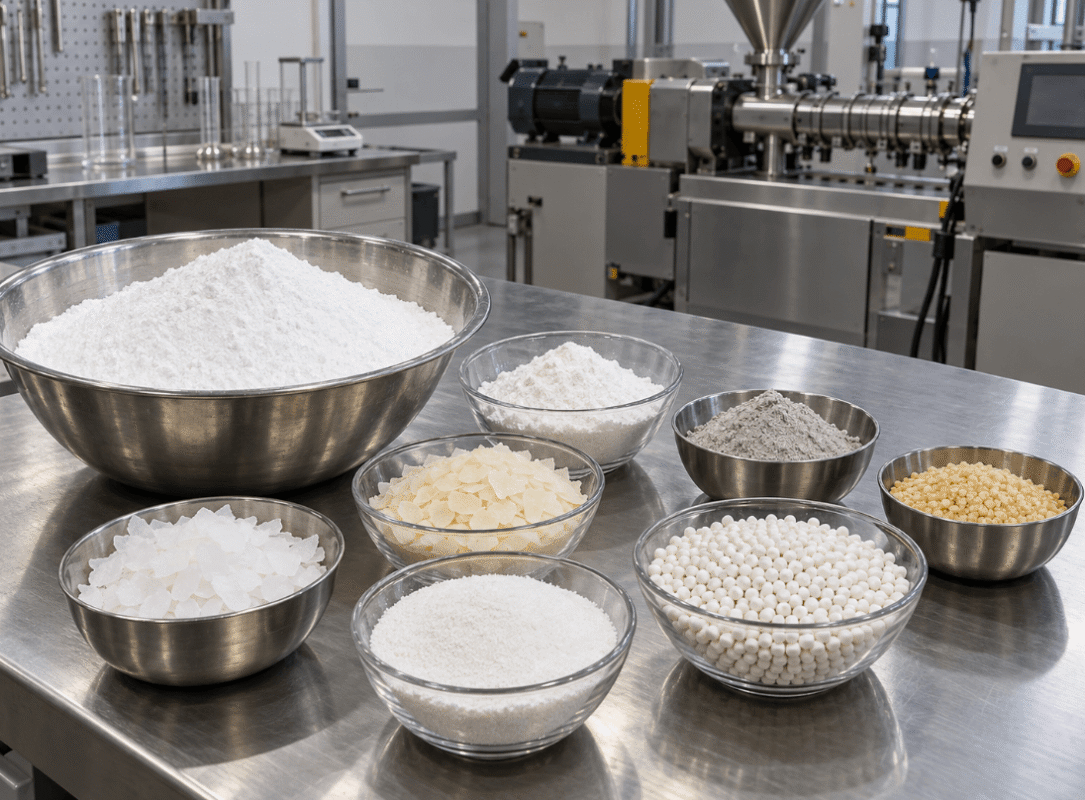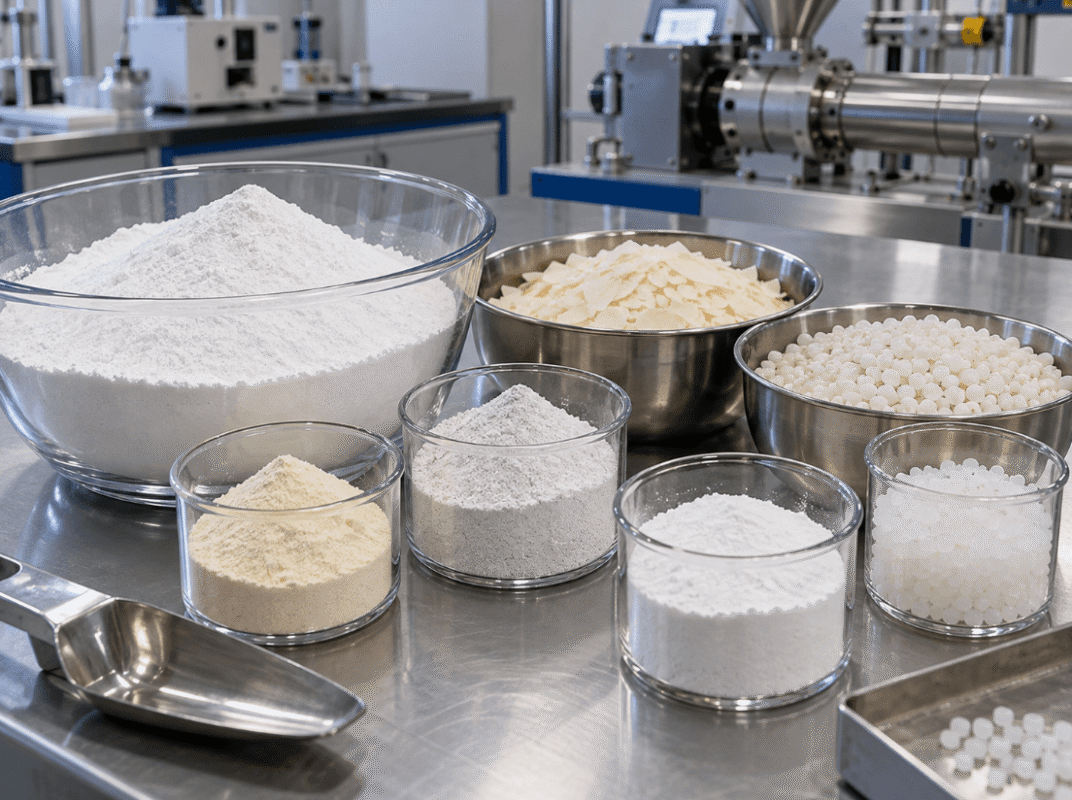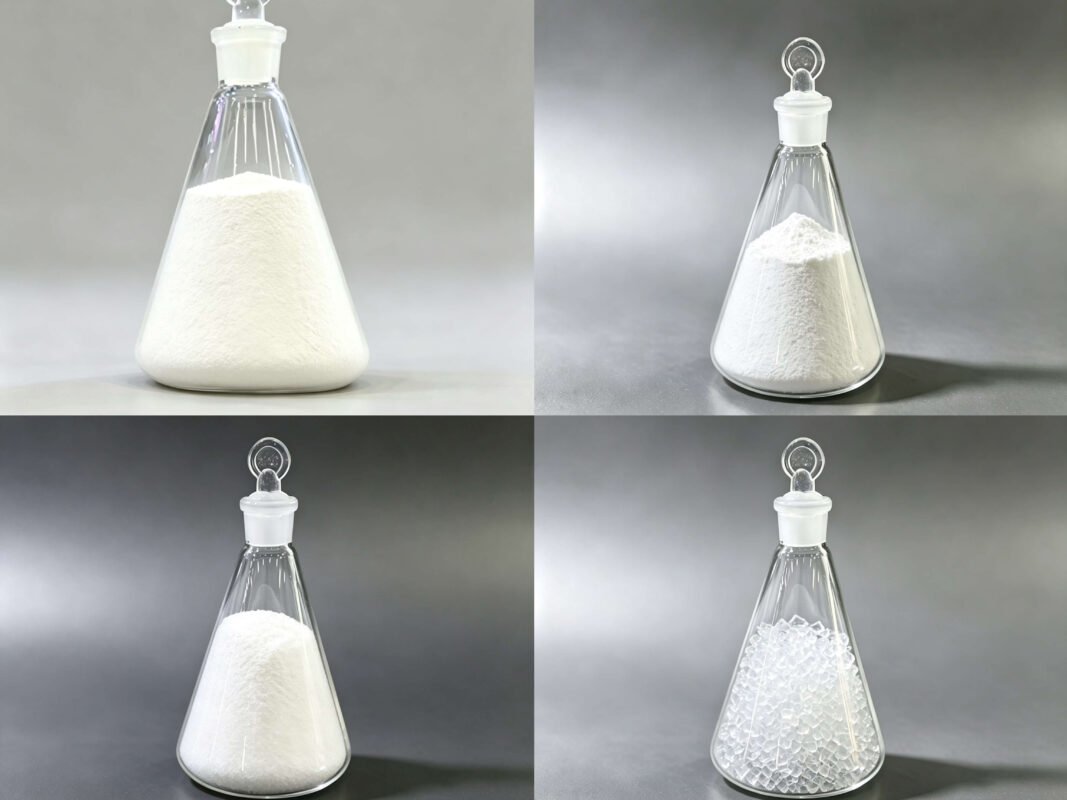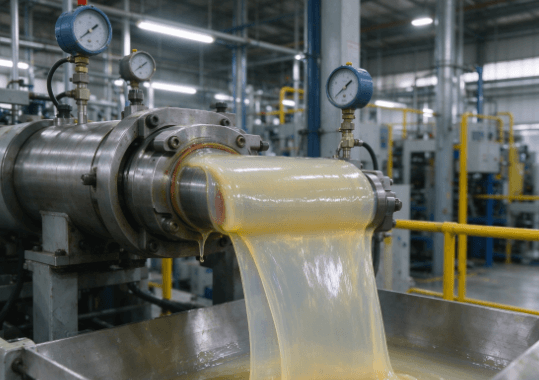

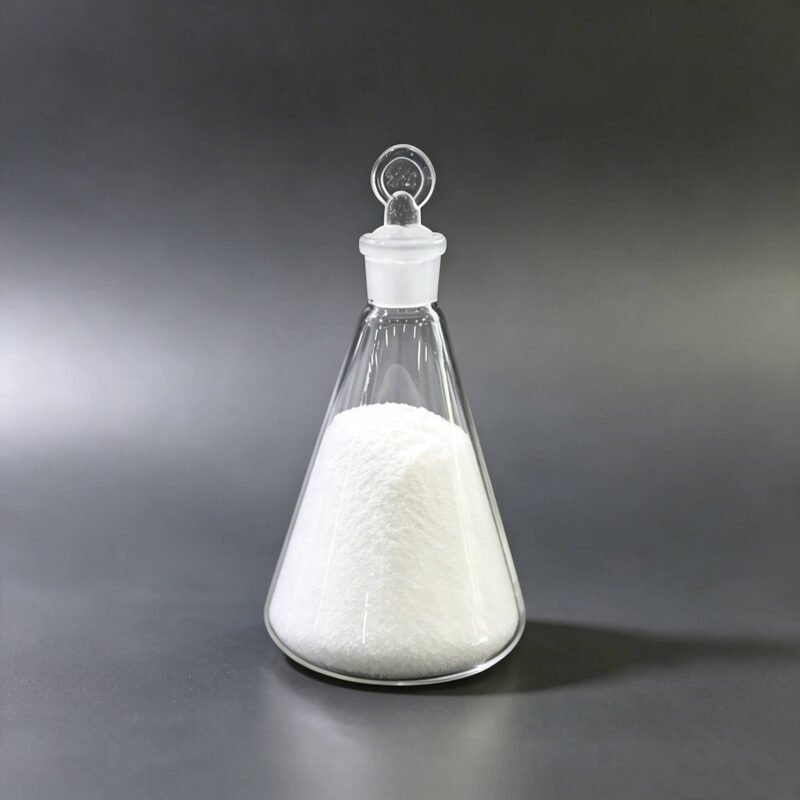
Selecting the right PVC stabilizer is not merely a procurement checkbox; it is a critical engineering decision that determines the structural integrity, color retention, and lifespan of the final polymer product. PVC (Polyvinyl Chloride) is inherently thermally unstable. During processing, heat triggers dehydrochlorination, leading to polymer degradation, discoloration, and loss of mechanical properties.
For procurement managers and chemical engineers, the challenge lies in navigating a global market of PVC stabilizer manufacturers who offer vastly different chemical profiles—from traditional lead-based systems to modern, eco-friendly Calcium-Zinc (Ca-Zn) and high-efficiency Methyl Tin Mercaptides. This guide provides a technical framework for evaluating suppliers and selecting the optimal stabilization package for your production line.
Technical Taxonomy: Understanding Stabilizer Chemistries
Before auditing a manufacturer’s facility, it is essential to categorize stabilizers based on their chemical synergy with your specific resin grade. Most reputable PVC stabilizer manufacturers, such as those found at MKQ Chemical, specialize in one of the following three pillars:
Calcium-Zinc (Ca-Zn) Stabilizers
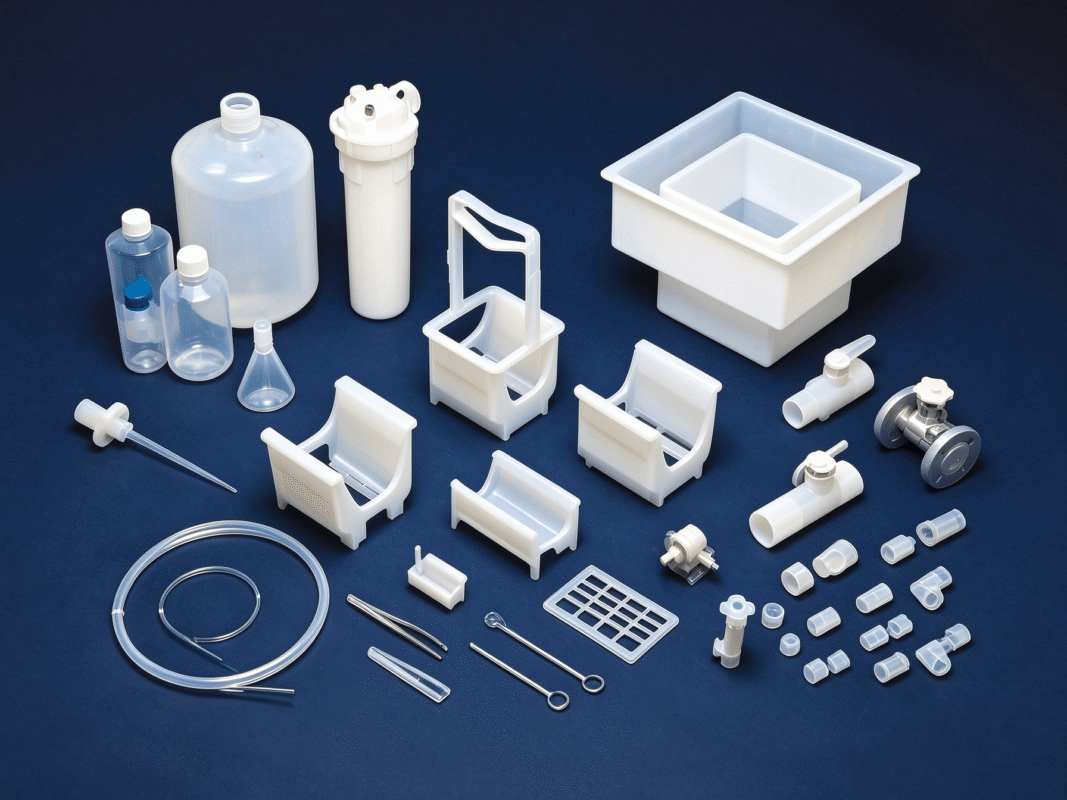
As global regulations like REACH and RoHS tighten, Ca-Zn stabilizers have become the industry standard for non-toxic applications. They are widely used in food-grade packaging, medical tubing, and toys.
- Performance Profile: Excellent initial color and transparency.
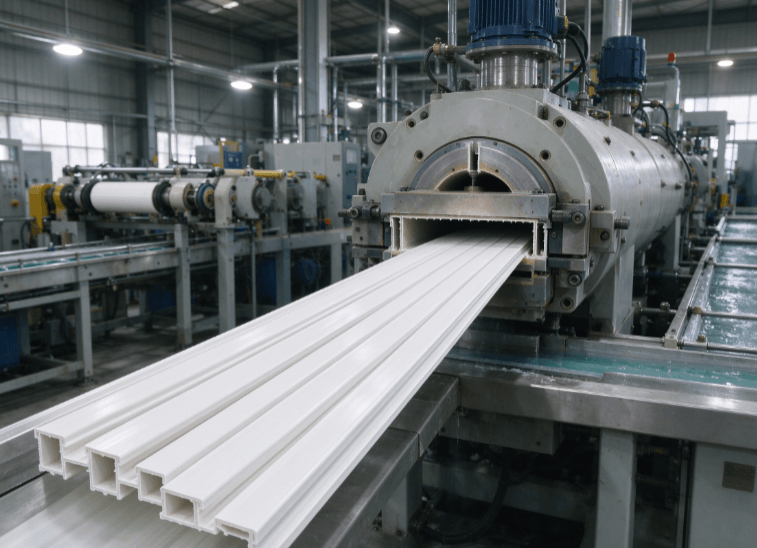
- Manufacturing Consideration: Requires precise lubrication balancing to prevent “plate-out” during long extrusion runs.
Methyl Tin Mercaptide
Often regarded as the most effective heat stabilizer for rigid PVC, Tin stabilizers are favored for high-temperature processing.
- Performance Profile: Superior thermal stability and unmatched clarity.
- Primary Applications: Clear PVC sheets, films, and high-pressure potable water pipes.
- Procurement Note: Tin prices are volatile; manufacturers with transparent pricing models are preferred here.
Lead-Based One-Pack Stabilizers
Despite environmental phase-outs in many regions, lead-based systems remain the cost-performance leaders for rigid construction materials in specific markets.
- Performance Profile: Exceptional processing latitude and electrical insulation properties.
- Primary Applications: PVC cable insulation and underground drainage pipes.
Key Performance Indicators (KPIs) for Supplier Evaluation
When vetting PVC stabilizer manufacturers, technical data sheets (TDS) only tell half the story. To ensure long-term production stability, you must evaluate the following manufacturing capabilities:
Thermal Stability Time (Congo Red Test)
A manufacturer should provide localized testing data showing how long the stabilizer can prevent HCl release at 180°C–200°C. If a supplier cannot provide specific Congo Red values tailored to your resin’s K-value, they may lack the necessary R&D depth.
Dispersibility and Particle Size
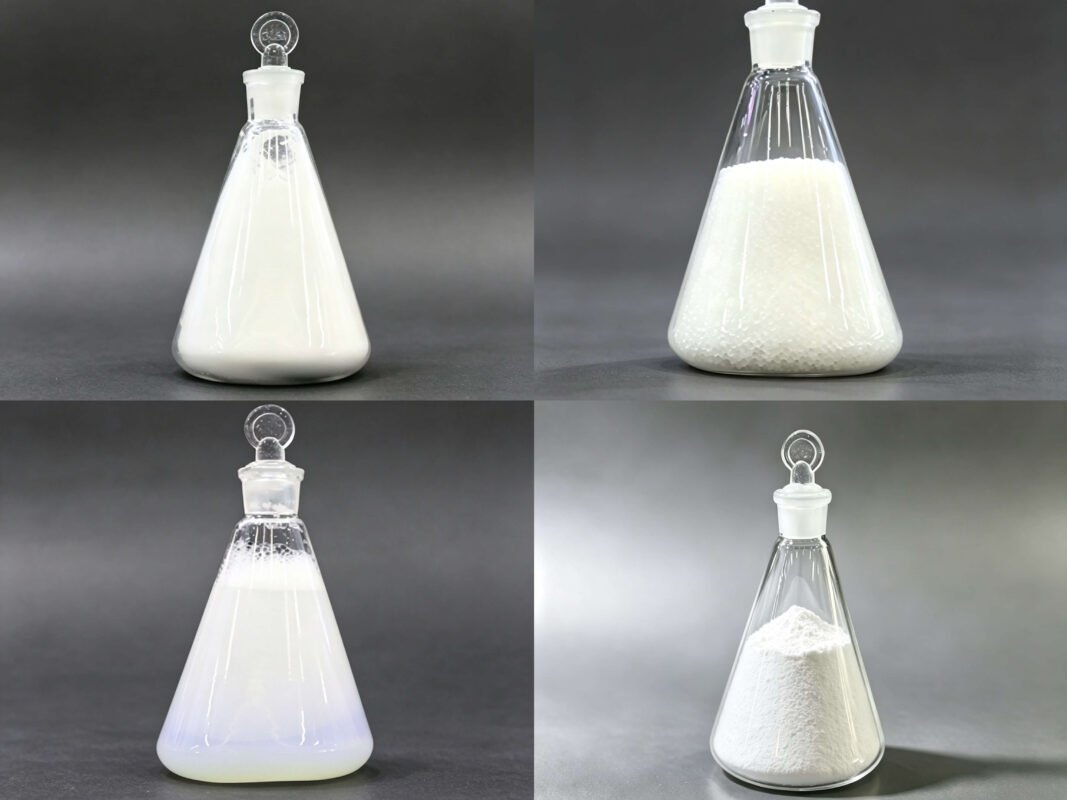
In high-speed mixing environments, poor stabilizer dispersion leads to “hot spots” and localized degradation. Manufacturers utilizing advanced micronization or liquid blending technologies (especially for Liquid Ba-Zn stabilizers) ensure a more homogenous melt.
Synergistic Additive Integration
The best stabilizers are “one-pack” systems. This means the manufacturer has already integrated internal/external lubricants, antioxidants, and UV co-stabilizers. Buying a pre-balanced pack reduces weighing errors in your plant and simplifies the supply chain.
Comparison Table: Stabilizer Selection by Application
| Application | Recommended Stabilizer Type | Key Requirement | Performance Trade-off |
| Potable Water Pipes | Ca-Zn or Methyl Tin | Non-toxicity/NSF Compliance | Higher raw material cost |
| Window Profiles | Ca-Zn or Lead-based | UV Resistance/Whiteness | Processing window sensitivity |
| Electrical Cables | Lead-based or Ca-Zn | Dielectric Strength | Environmental compliance (Lead) |
| Clear Packaging | Methyl Tin Mercaptide | Optical Clarity | Odor management |
| Artificial Leather | Liquid Ba-Zn | Flexibility/Low VOC | Migration issues if unbalanced |
Assessing Manufacturing Compliance and Lab Support
In the B2B chemical sector, the “Trustworthiness” pillar of EEAT is built on certification and technical support. A top-tier PVC stabilizer manufacturer should offer:
- Application Lab Access: Can the manufacturer simulate your extrusion or injection molding process in their lab? Technical support should include rheological testing (torque rheometry) to predict how the stabilizer will behave in your specific machinery.
- Regulatory Documentation: Beyond ISO 9001, ensure the manufacturer provides updated SDS (Safety Data Sheets) and certificates of analysis (COA) for every batch. For exporters, REACH registration is non-negotiable.
- Batch-to-Batch Consistency: PVC processing is sensitive. A 0.5% variance in the metal content of a stabilizer can cause a yellowing shift in a 24-hour production run. Ask about their ICP (Inductively Coupled Plasma) testing protocols for metal content verification.
Commercial Realities: Lead Times and MOQ Logic
For OEM and large-scale manufacturing, procurement is often a balancing act between inventory costs and production uptime.
- Customization (OEM/ODM): Many manufacturers, including those in the MKQ Chemical portfolio, allow for custom-tailored lubrication packages. This is vital if you are using recycled PVC (rPVC) regrind, which requires a more robust stabilization package than virgin resin.
- Minimum Order Quantities (MOQ): For standard One-Pack Lead or Ca-Zn, MOQs typically start at 1–5 tons. For specialized liquid stabilizers, smaller batches may be available but at a premium.
- Logistics of Hazardous Materials: Some stabilizers (especially certain tin mercaptides) may have specific shipping classifications. Confirm that the manufacturer has experience with international maritime dangerous goods (IMDG) protocols if you are importing.
Future-Proofing: The Shift to Sustainable Stabilizers
The global PVC industry is moving toward a “Lead-Free” future. Forward-thinking PVC stabilizer manufacturers are currently investing in:
- Organic-Based Stabilizers (OBS): Utilizing nitrogen-based organic compounds to eliminate heavy metals entirely.
- Rare Earth Stabilizers: Offering high efficiency and low toxicity, though currently at a higher price point.
- Recycled Content Compatibility: Developing stabilizers that can neutralize the impurities found in post-consumer PVC waste.
When choosing a partner, prioritize those who have a clear roadmap for sustainable chemistry. This ensures that your product remains compliant with environmental laws for the next decade.
FAQ: Professional Procurement Insights
Q1: How do I transition from Lead-based to Ca-Zn stabilizers without losing production speed?
A: Ca-Zn stabilizers typically have a narrower processing window. You must work with your manufacturer to adjust the lubricant balance (stearic acid vs. paraffin wax) and possibly increase the processing temperature slightly. It is recommended to run a trial with a “high-efficiency” Ca-Zn pack designed for high-speed extrusion.
Q2: Why is my PVC profile yellowing despite using a high dosage of stabilizer?
A: This is often caused by “over-stabilization” or poor lubrication. Too much stabilizer can interfere with the fusion of the PVC resin, while improper lubrication causes excessive shear heat. Your manufacturer should perform a dynamic heat stability test to find the “sweet spot” dosage.
Q3: Can one stabilizer work for both rigid and flexible PVC?
A: Rarely. Flexible PVC contains plasticizers (like DOTP or DINP) which change the thermal degradation kinetics. Flexible applications usually require liquid stabilizers (like Ba-Zn or Ca-Zn liquids), while rigid applications require solid one-packs or tin liquids.
Q4: What is the typical shelf life for PVC stabilizers?
A: Most solid stabilizers have a shelf life of 12–24 months if kept in a cool, dry place. Liquid stabilizers, particularly Methyl Tin, are sensitive to moisture and oxidation and should be used within 6–12 months.
Reference Sources
- Technical Specifications & Grade Selection Guide – MKQ Chemical Industrial Database. Provides comprehensive data on Ca-Zn, Tin, and Lead-based one-pack systems for global manufacturing.
- ASTM D2115-17 – Standard Practice for Oven Heat Stability of Poly(Vinyl Chloride) Compositions. The primary benchmark for evaluating manufacturer-provided stability data.
- PVC Additive Compatibility & Material Safety Data – Manufacturer Documentation. Essential for verifying REACH and RoHS compliance across different stabilizer chemistries.
- European Stabilisers Organisation (ESPA) – Regulatory Trends and Voluntary Commitments. Technical whitepapers on the industry-wide transition from lead-based to calcium-based stabilization.
- Journal of Vinyl and Additive Technology – Performance Synergies in Multi-Component Stabilizer Systems. Academic research supporting the efficacy of “One-Pack” solutions in rigid PVC extrusion.