
polyvinylidene fluoride pvdf is a high-performance thermoplastic fluoropolymer renowned for its exceptional chemical resistance, mechanical strength, and thermal stability, as well as its unique piezoelectric and ferroelectric properties. Produced through the free-radical polymerization of vinylidene fluoride monomers, PVDF bridges the gap between conventional thermoplastics and high-cost fluoropolymers like PTFE. Its distinct advantage—the ability to be melt-processed—has led to its widespread use in sectors such as chemical processing, construction, electronics, energy storage, water treatment, and other industrial fields that demand high-performance materials.
This blog post explores the manufacturing and processing methods for PVDF, providing insights to help manufacturers select the appropriate raw materials, optimize production efficiency, and achieve desired product performance.
How is polyvinylidene fluoride pvdf manufactured?
Free-radical polymerization of vinylidene fluoride produces PVDF. In industrial production, manufacturers use two primary processes (the specific choice of process depends on the desired molecular weight, molecular structure, and end-use application):
1. Suspension Polymerization
- Process: Manufacturers polymerize VDF (vinylidene fluoride) gas under high pressure in an aqueous medium, using oil-soluble free-radical initiators (such as peroxides or azo compounds) and suspending agents (such as cellulose derivatives or polyvinyl alcohol).
- Conditions: Typically carried out under controlled temperature and high-pressure conditions.
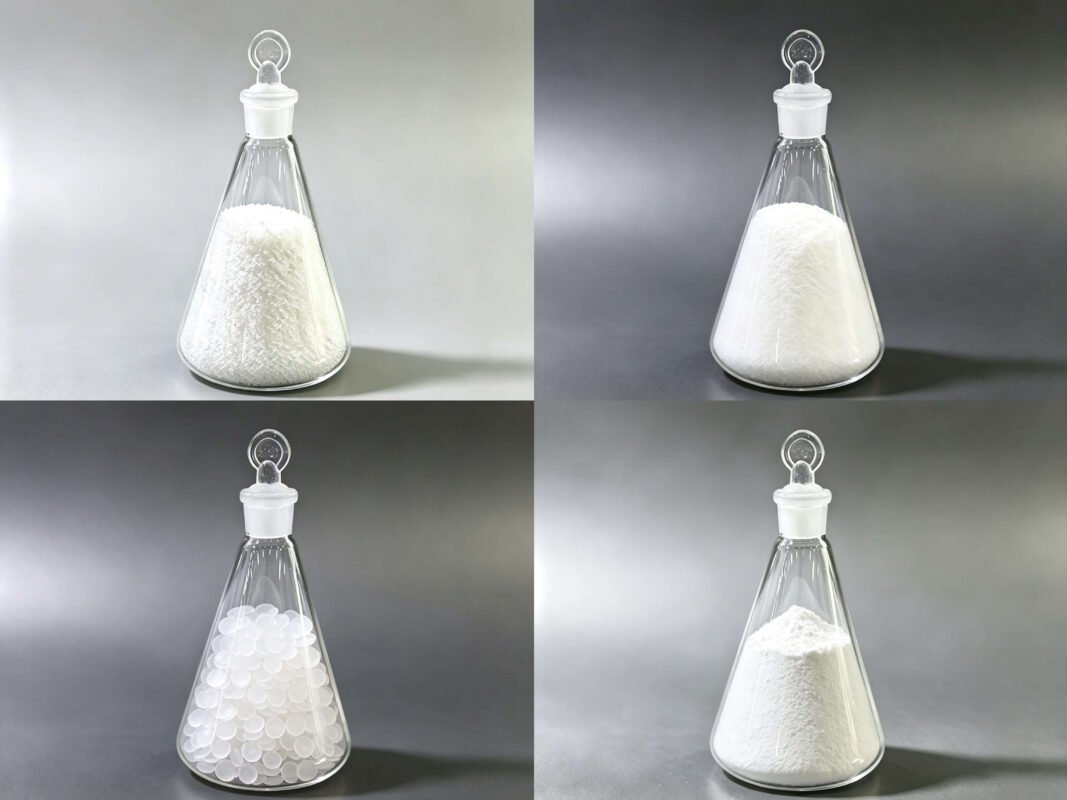
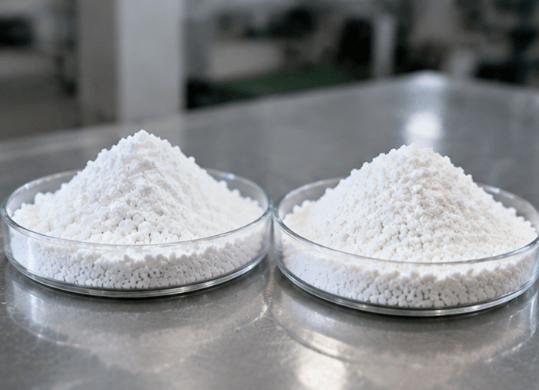
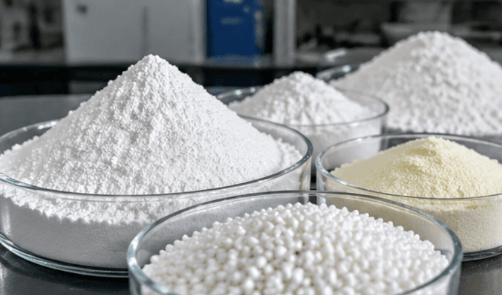
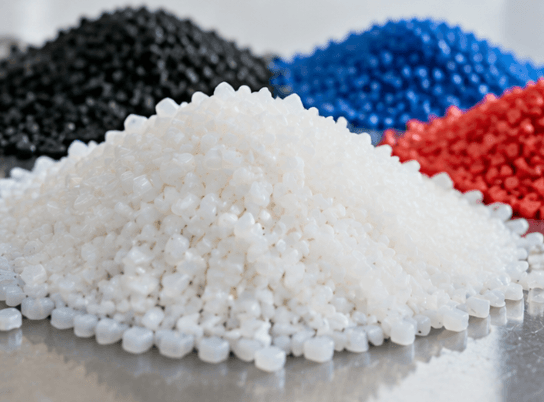
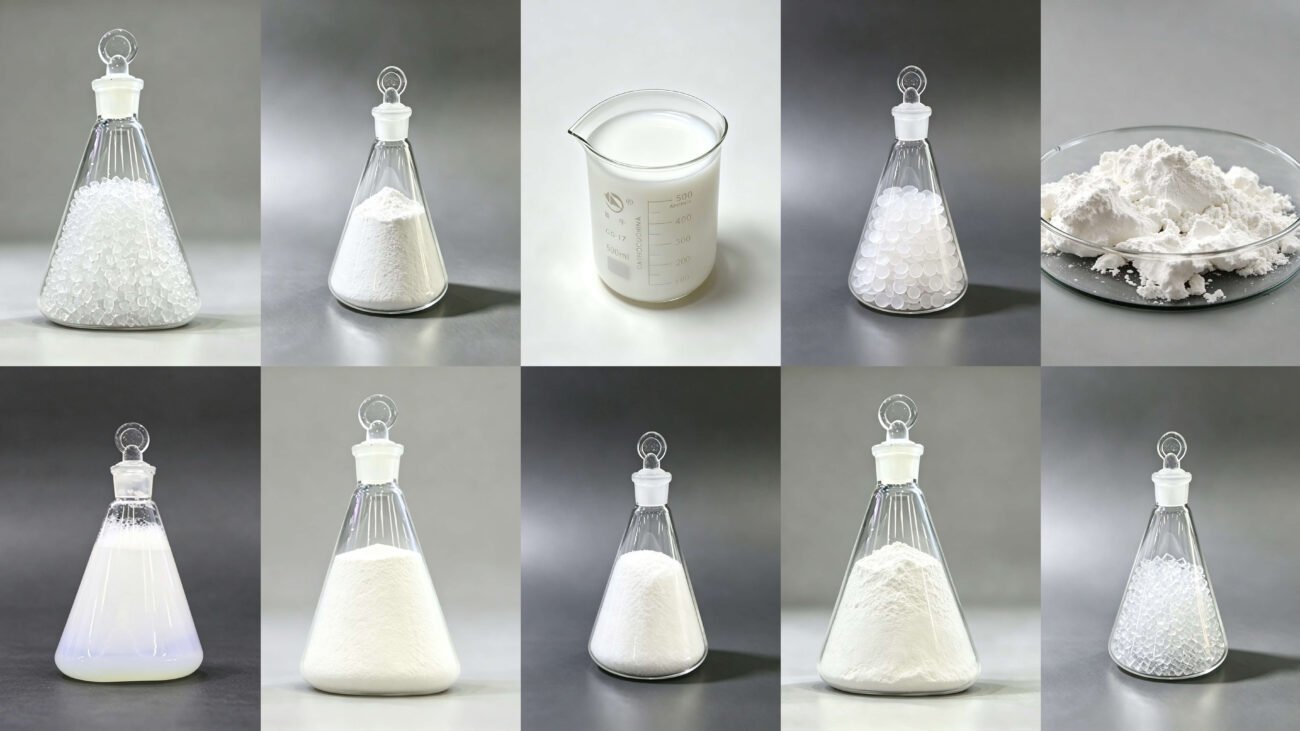
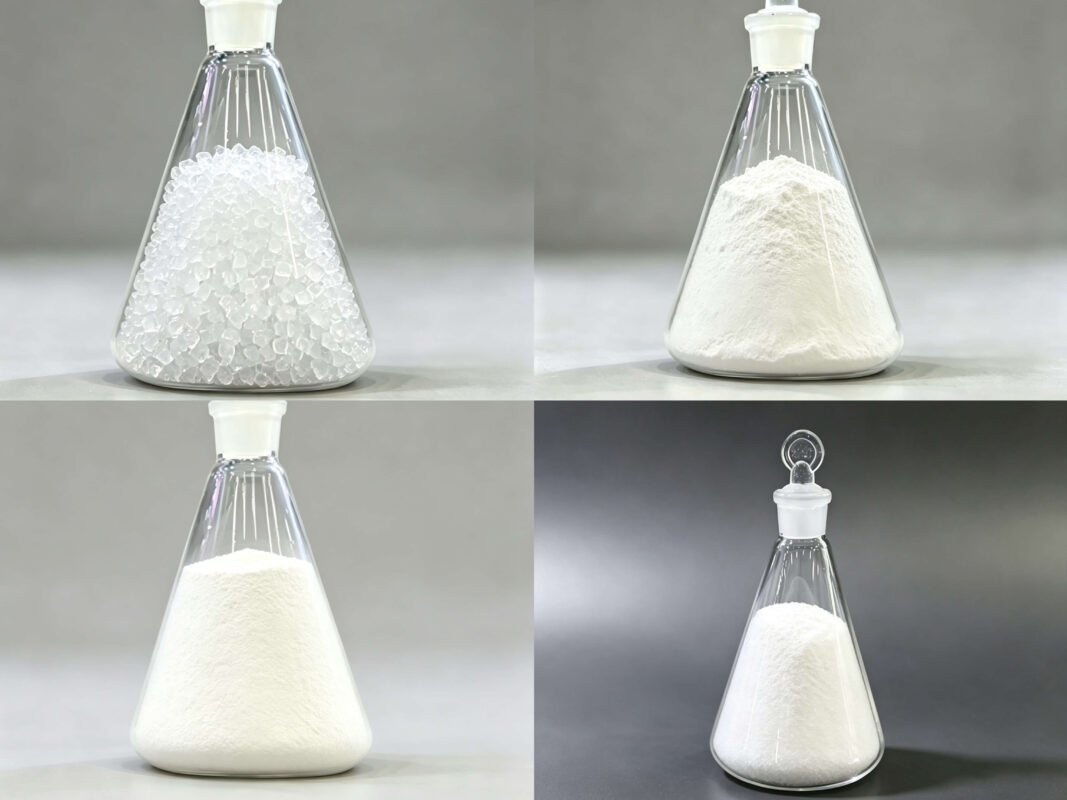
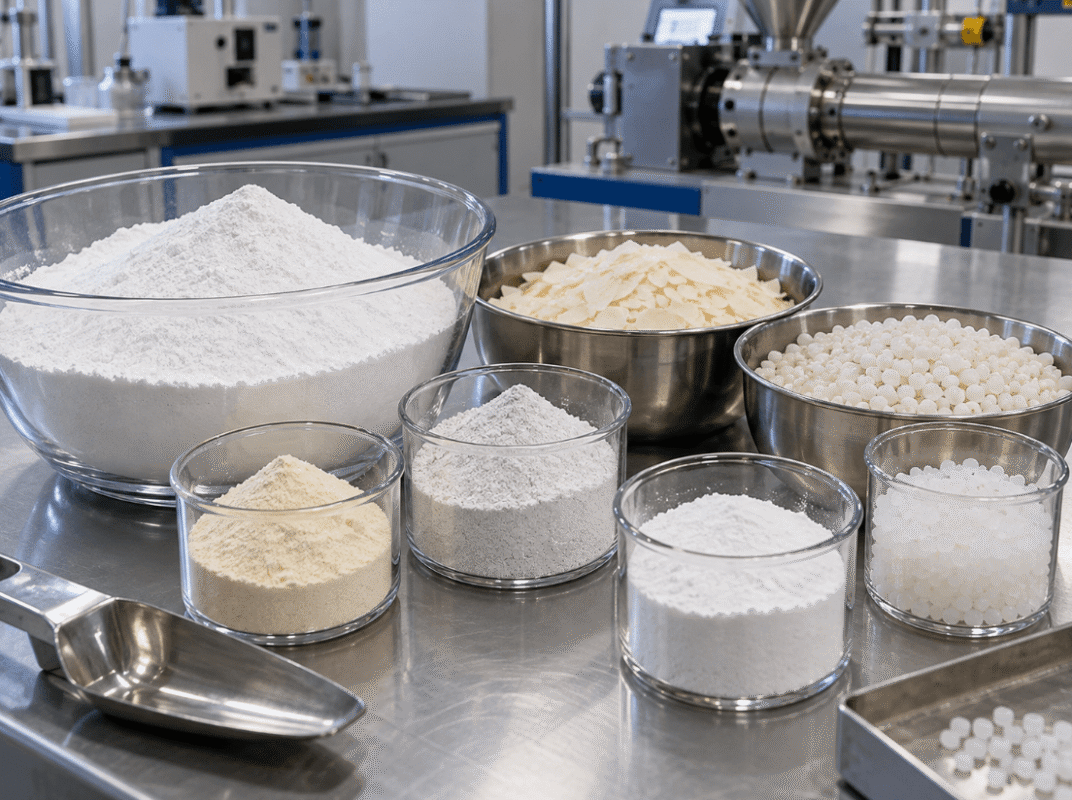
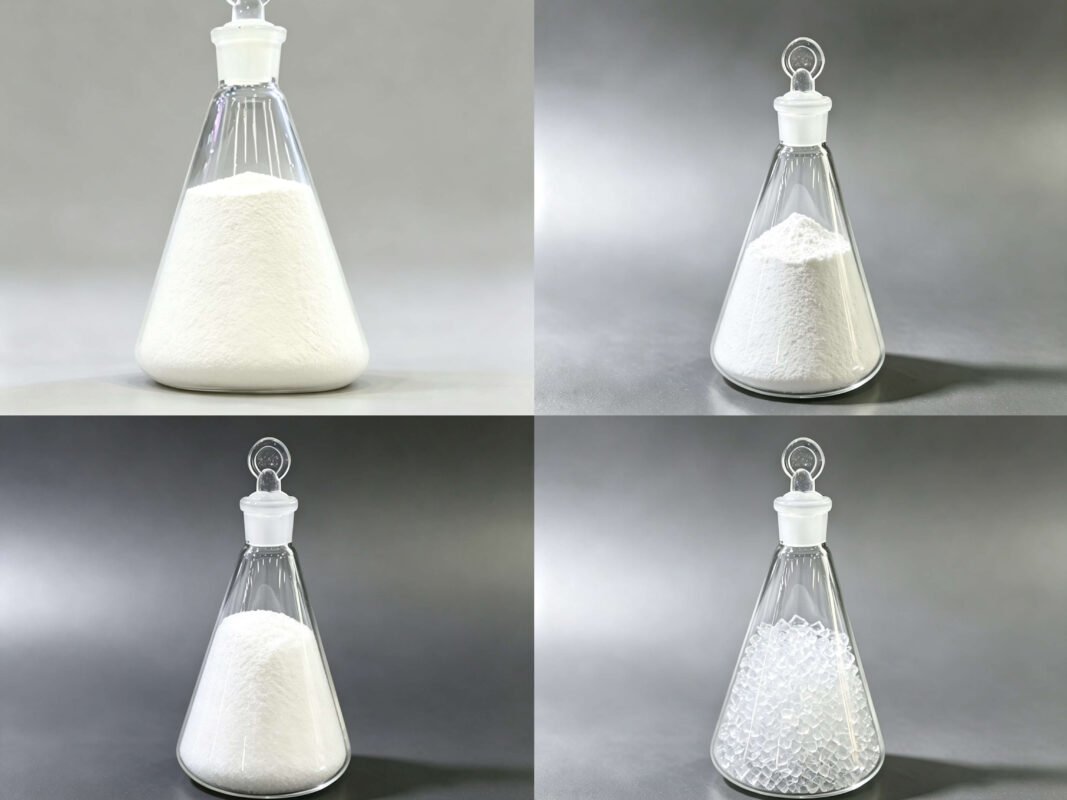
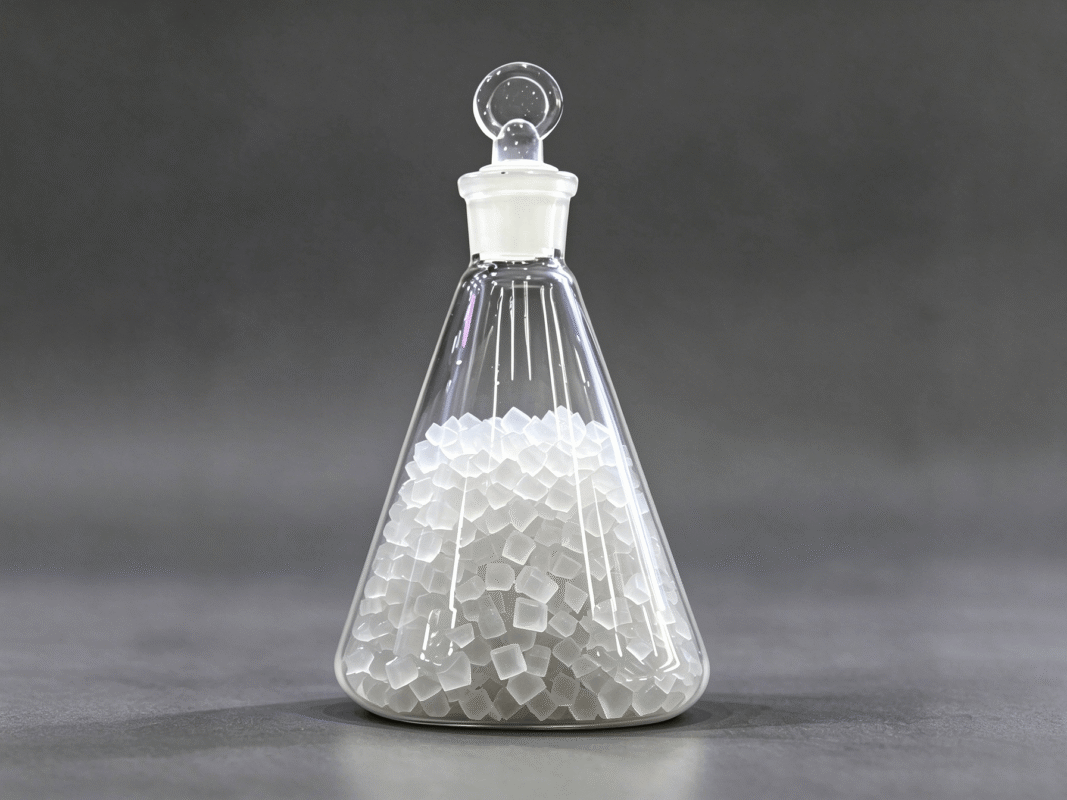
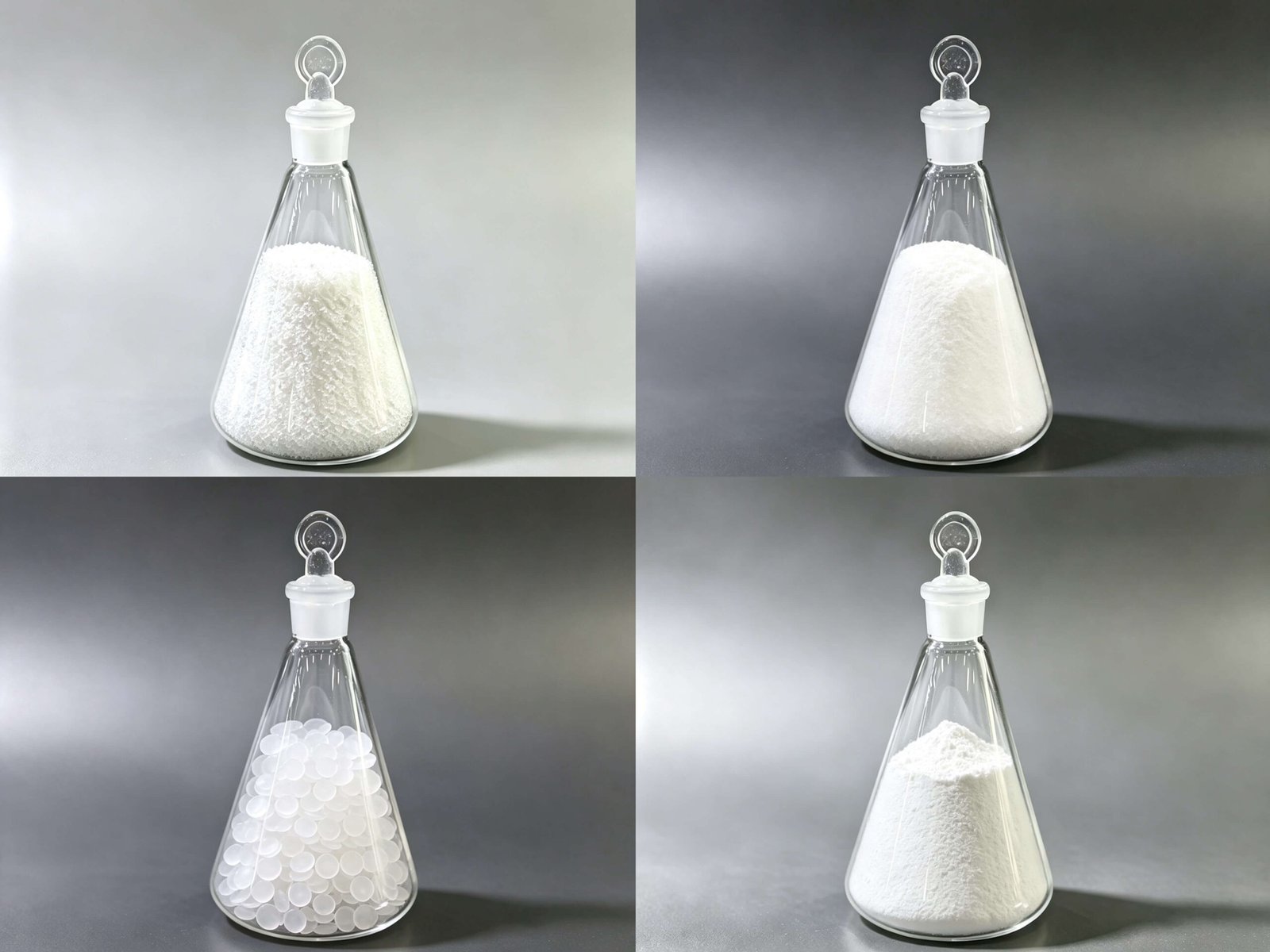
- Characteristics: Manufacturers obtain the resulting PVDF (polyvinylidene fluoride) in the form of high-purity granules or beads with minimal additive content and subsequently wash and dry it. This type of product is highly suitable for melt-processing techniques such as extrusion and injection molding.
2. Emulsion Polymerization
- Process: Manufacturers carry out polymerization in an aqueous medium using a water-soluble initiator and a fluorinated surfactant (emulsifier).
- Characteristics: This process yields an emulsion dispersion containing fine PVDF particles; subsequent coagulation, washing, and drying produce a fine-powder product. Emulsion-grade PVDF has a lower degree of crystallinity, and manufacturers typically use it in solvent-based applications, such as battery binders (e.g., dissolving it in NMP solvent for lithium-ion batteries), coatings, and membrane materials.
- Recovery: The polymer can be recovered from the latex through processes such as spray drying or coagulation.
MKQChem → polyvinylidene fluoride pvdf Product Series
- High-strength PVDF
- High-purity PVDF
- Injection-molding / Extrusion-grade PVDF
- Compression-molding-grade PVDF
- Lithium-ion Battery Separator-grade PVDF
- Water-treatment Membrane-grade PVDF
- Coating-grade PVDF
- Lithium-ion Battery Electrode Binder-grade PVDF
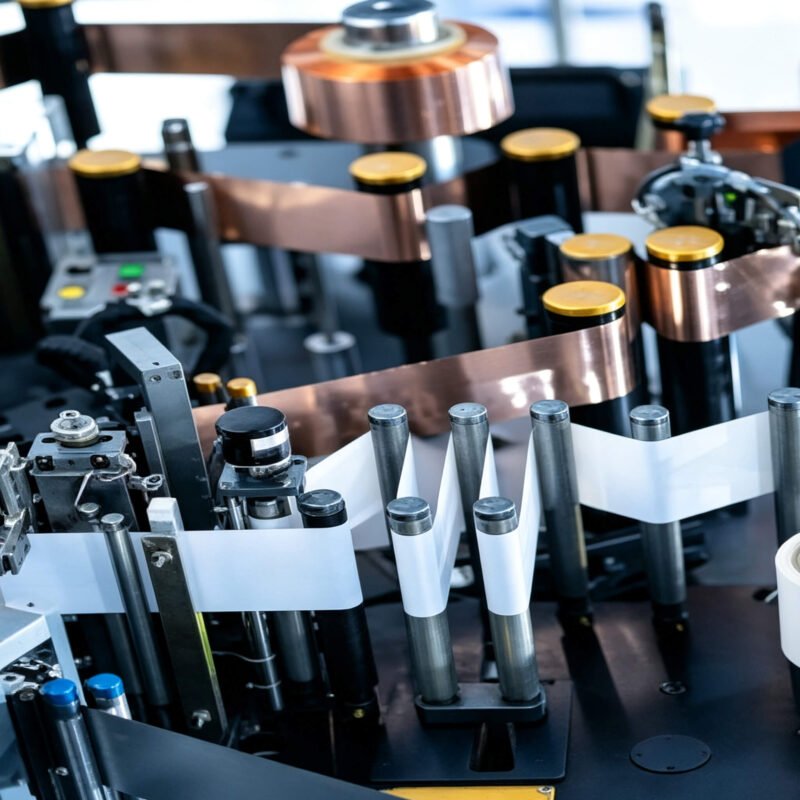
How is polyvinylidene fluoride pvdf processed?
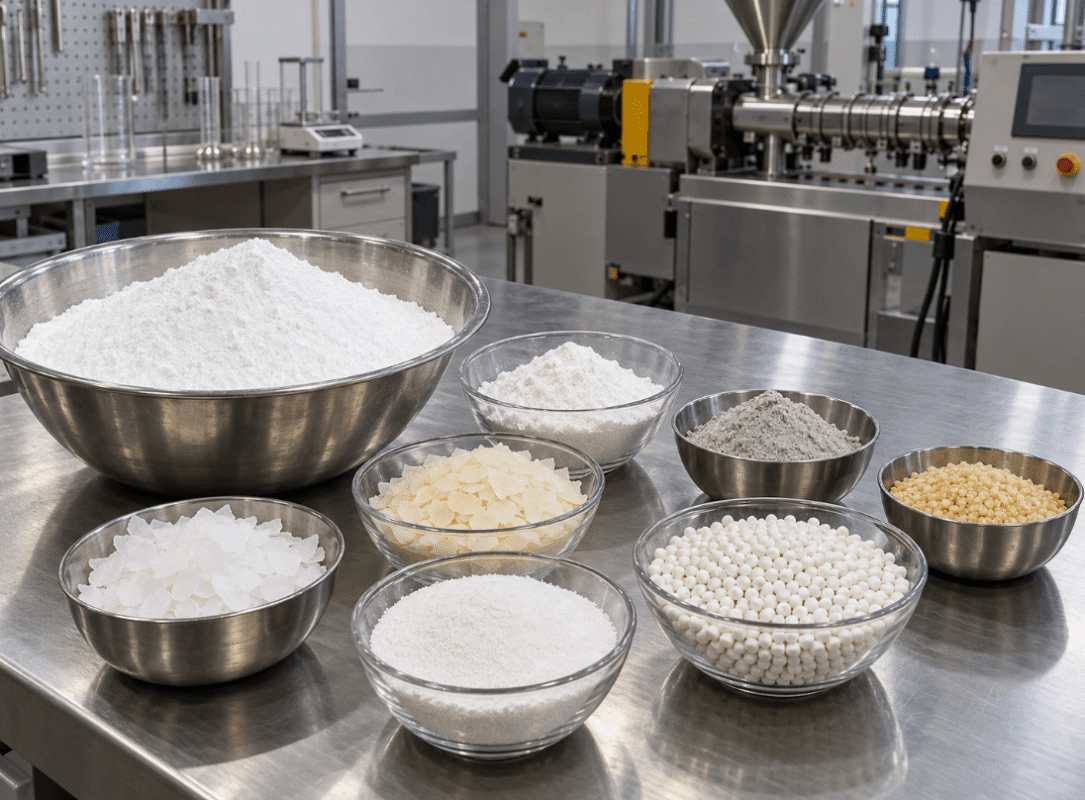
PVDF is a thermoplastic, so manufacturers can process it using conventional thermoplastic processing techniques.
1. Extrusion Molding
Operators melt PVDF resin within a heated barrel under controlled conditions and force it through a specially designed die in extrusion, a continuous processing technique. Industry relies on it as one of the most widely used processing methods.
- Typical applications: Used for the production of PVDF pipes, sheets, films, rods, profiles, and insulation layers for wires and cables.
2. Injection Molding
In this process, PVDF resin is melted and injected into a mold under pressure. Once the material has cooled and solidified, the finished component is ejected from the mold.
- Typical applications: Used for producing parts with complex structures and precise dimensions, such as valves, pipe fittings, pump components, connectors, electrical enclosures, and chemically resistant industrial parts.
PVDF possesses a high degree of crystallinity, which results in significant molding shrinkage. Consequently, it is essential to strictly control mold design, gate placement, venting, cooling conditions, and injection molding process parameters.
3. Compression Molding
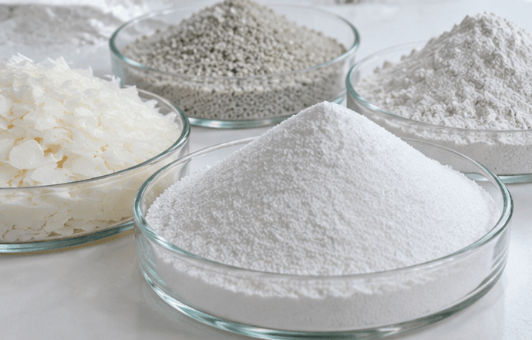
Manufacturers place a measured quantity of PVDF powder or granules into a heated mold during this process. Upon heating, the resin softens or melts, and pressure distributes it uniformly throughout the mold cavity. Once the material fully melts and achieves sufficient density, operators cool it under controlled conditions until it solidifies into the desired shape.
- Typical applications: Suitable for manufacturing large-sized or specially specified PVDF components, such as thick sheets, plates, blocks, and large industrial parts.
Compression molding offers flexibility in producing items of varying thicknesses and dimensions. However, manufacturers must ensure that they heat the material uniformly throughout and melt it completely to avoid forming voids and to prevent inconsistencies in product quality.
4. Solution Processing
Unlike melt processing, solution processing involves dissolving PVDF in a suitable solvent to prepare a polymer solution. The choice of solvent depends on factors such as the specific grade of PVDF, the desired concentration, the temperature, and the intended application.
- Commonly used solvents include NMP (N-methyl-2-pyrrolidone), DMF (dimethylformamide), and DMSO (dimethyl sulfoxide).
- Typical applications include PVDF films and coatings, binders for battery electrodes, functional polymer membranes, and specialized filtration materials.
In industrial production, key considerations include solvent recovery, ventilation, personnel protection, and solvent compatibility.

Important Considerations During Processing
The temperature for PVDF extrusion processing typically ranges from 190°C to 280°C, depending on the resin grade, the equipment used, and the product design.
Manufacturers should pay particular attention to the following aspects:
– Screw design and temperature distribution.
– Melt viscosity and extrusion pressure.
– Material residence time and thermal stability.
– Die design and surface finish.
– Cooling rate and dimensional stability.
Excessive material residence time or the presence of stagnant zones may lead to thermal degradation and discoloration.
Summary
In summary, the production and processing of PVDF are two distinct stages. The first stage—the manufacturing of PVDF—involves synthesizing PVDF resin from vinylidene fluoride monomers via suspension or emulsion polymerization. The second stage—the processing of PVDF—entails creating PVDF-based products, where manufacturers convert the resin into final goods using techniques such as extrusion, injection molding, compression molding, or solution processing.
Selecting the appropriate PVDF grade and processing method is essential for achieving the desired mechanical strength, chemical resistance, thermal properties, and overall product quality.
For both PVDF manufacturers and downstream processors, a deep understanding of the interrelationships between polymerization methods, resin characteristics, and processing technologies is a fundamental prerequisite for enhancing production efficiency and developing high-performance fluoropolymer products.
FAQ
Q: What raw materials are used to manufacture PVDF?
The primary raw material is vinylidene fluoride (VDF). Manufacturers produce PVDF by polymerizing VDF monomers.
Q: What temperatures are required for processing PVDF?
Typical melt-processing temperatures range from approximately 190°C to 280°C. The specific temperature depends on the resin grade and the processing method.
Q: Is PVDF difficult to process?
Manufacturers process PVDF via melting more easily than fluoropolymers like PTFE, which technicians cannot melt-process. However, because PVDF exhibits high melt viscosity, crystallinity, and heat sensitivity, operators must strictly control processing conditions.
Q: What is the difference between the polymerization and the processing of PVDF?
Polymerization refers to the chemical reaction process in which chemical reactions convert VDF monomers into PVDF resin. Processing, on the other hand, involves subsequently converting this resin into various products, such as pipes, sheets, films, membrane materials, and molded articles.

Reference Sources:
Performance Fluoropolymer Partnership (PFP): https://fluoropolymerpartnership.com
American Chemical Society(ACS): https://www.acs.org
Plastics Engineering:https://www.plasticsengineering.org
DBpedia: https://www.dbpedia.org/